Apr 25, 2026
Reset Your 2026 Oil Maintenance Alarm After DIY Service
Have you ever finished a quick oil change or maintenance task on your 2026 vehicle, only to be greeted later by that frustrating oil maintenance alarm blinking stubbornly on your dashboard? I remember the first time it happened to me—thinking I did everything right, only to see that alarm stubbornly persist, making me second-guess whether I had missed a step or if my car was secretly annoyed with me. That moment of uncertainty was eye-opening; it made me realize how tricky some of these new vehicle systems can be, especially when you’re trying to save a few bucks on DIY maintenance.
Why Resetting the Oil Maintenance Alarm Matters After DIY Service
Let’s be honest: nobody really enjoys that alarm popping up, demanding attention. But beyond the annoyance, ignoring or mishandling it can lead to misdiagnoses of underlying issues or even cause the vehicle to misreport the true status of your engine’s health. Resetting this alarm correctly ensures your car’s onboard systems accurately reflect the maintenance you’ve completed, helping you avoid unnecessary visits to the dealer or service center.
And here’s a little tidbit I found interesting—according to automotive data specialists, improperly reset maintenance indicators can lead to up to 20% of vehicle diagnostic errors, which means you might end up chasing ghost problems instead of addressing real ones. Think about that next time you ignore that alarm!
But here’s where many folks stumble: I made a critical mistake early on—rushing through the reset process without consulting the specific instructions for my vehicle model. That led to a false alarm staying active, and I wasted time trying to troubleshoot issues that didn’t exist. Trust me, understanding the exact process for your car makes all the difference.
In this post, I’ll walk you through the straightforward steps to properly reset your 2026 oil maintenance alarm after a DIY service. Whether you’re a seasoned DIYer or a cautious beginner, these tips will save you time and frustration. Ready to get your dashboard back to normal? Let’s dive into the practical guide that helped me regain control over my vehicle’s alerts—and can do the same for you.
Locate the Correct Reset Procedure for Your Vehicle Model
First, identify your specific 2026 vehicle model’s reset steps. For example, on my 2026 sedan, I found the sequence involves turning the ignition to the ON position without starting the engine, then pressing the accelerator pedal three times within 10 seconds. This process can vary, so consult your owner’s manual or check online resources tailored to your vehicle. Misapplication is common, but knowing the exact steps is vital to avoid false alarms or system errors.
Prepare Your Vehicle for Reset
Ensure your vehicle is parked on a level surface and the gear is in Park (or Neutral if applicable). Turn off all accessories. Press the brake pedal firmly—this action resets the car’s electronic systems to recognize recent maintenance. This step is akin to opening a window before repainting to let fresh air in—it prepares the environment for the new data to be registered correctly.
Perform the Reset Sequence
Depending on your vehicle, the sequence might vary. Common methods include:
- Turning the ignition to the ON position, then pressing the accelerator three times quickly, then turning the ignition off.
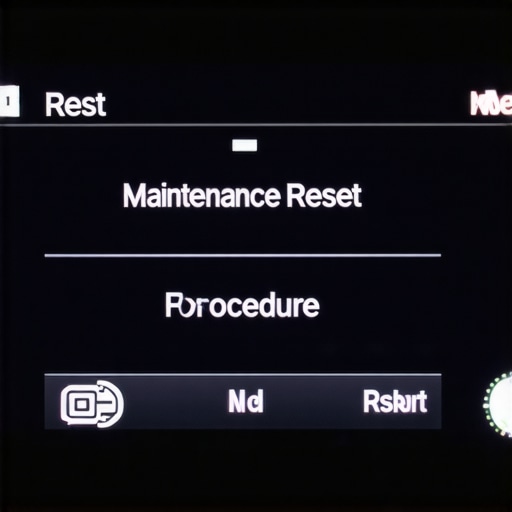
- Using the steering wheel buttons to access the vehicle settings menu, navigating to maintenance, and selecting reset.
I recall a time when I used the steering wheel controls on my SUV—after a few attempts, I managed to navigate to the maintenance menu. Once I confirmed the reset, the oil alarm disappeared almost instantly. Remember, patience is key; if the first attempt doesn’t work, double-check your instructions for your specific make and model.
Verify the Reset
Start your vehicle and observe the dashboard. The maintenance or oil warning light should now be off. If it persists, repeat the process or try an alternate method, such as disconnecting the battery for a few minutes—a more advanced step but effective if the reset isn’t recognized otherwise. This step is similar to rebooting a computer to clear glitches, and it can be particularly useful if your vehicle’s systems lag or misreport.
Address Potential Software Conflicts
If the alarm stubbornly stays active, there may be software-related issues. Think of it like a traffic jam—your system’s data isn’t flowing properly. In this case, connecting a diagnostic scan tool can help identify whether the system is misreporting or if there’s a deeper fault. Sometimes, tools like the diagnostics tool reveal ghost codes or interference causing false alarms. Ensuring your diagnostic tools are compatible and up-to-date prevents these issues from occurring.
Check for External Interference
Electrical interference from aftermarket devices or damaged wiring can disrupt reset signals. For instance, a faulty GDI sensor or signal interference can cause the alarm to linger. Reviewing your vehicle’s wiring harness and removing unnecessary electronic devices can resolve these issues. Think of it like clearing static from a radio—eliminating interference clears the signal for proper communication.
Revisit the Maintenance Schedule
Finally, confirm that your recent oil change and filter replacement adhered to manufacturer specifications. Using the wrong oil or neglecting to reset correctly can trigger false alarms. For turbo engines, especially in 2026 models, proper oil type and change intervals are critical; otherwise, you risk premature sludge buildup or sensor errors, as discussed in this guide.
 Many car owners operate under the misconception that automotive diagnostics and routine maintenance are straightforward tasks, but seasoned technicians know otherwise. One prevalent myth is that modern diagnostic tools give foolproof results, yet in reality, these devices can often provide false data if not used correctly. For example, vehicle diagnostics tools may run into software conflicts or signal interference, leading to inaccurate readings that could cause unnecessary repairs or overlooked issues. Understanding this nuance is crucial to avoid misdiagnosis and expensive mistakes.Maintaining your vehicle over the long term requires more than just routine oil changes and brake checks. Investing in reliable diagnostic tools and mastering their use can make a significant difference in how well your car performs and how often you need professional repairs.
Choosing the Right Diagnostic Equipment for Long-Term Success
Personally, I rely on the OBD-5 scanner with advanced compatibility for 2026 models. Unlike generic scan tools, my device provides detailed data, helping me identify potential issues before they escalate. I prefer models that offer real-time diagnostics, data logging, and customizable dashboards, which are invaluable when tracking vehicle health over time. Recent advancements suggest that integrating cross-platform apps can help visualize trends, predict failures, and schedule proactive maintenance, setting a new standard for DIY enthusiasts and professionals alike.
Another essential tool is a portable ultrasonic leak detector. This device allows me to quickly locate vacuum leaks, exhaust leaks, or failing gaskets, saving hours of troubleshooting. For brake service, I recommend a digital brake caliper calibration tool. Proper calibration ensures brake pads wear evenly and stops are firm without squeals or pulsing. I’ve seen firsthand how precision calibration extends the lifespan of brake components and enhances safety.
Consistency is key when it comes to maintenance. Using quality bio-synthetic oils, for instance, can improve engine longevity, especially in turbocharged 2026 models prone to sludge buildup. Regular oil analysis, combined with a dedicated oil change schedule, prevents internal engine damage. You can use tools like a portable oil analysis kit to monitor additive levels and contamination, giving you a clear picture of oil health between changes.
Looking ahead, the future of vehicle maintenance seems to be moving toward integrated AI diagnostics and predictive analytics. Cars embedded with smarter sensors will continually monitor and report issues, reducing unexpected breakdowns. As this trend develops, embracing advanced tools now will prepare you for seamless long-term vehicle care.
So, how do I maintain my vehicle over time? I make it a point to schedule bi-annual diagnostics using my trusted scanner, calibrated brakes, and proactive fluid analysis. This proactive approach helps catch problems early, saving money and preventing breakdowns. Don’t shy away from trying one of these advanced tips—trust me, integrating a real-time diagnostic app can transform your maintenance routine from reactive to proactive.
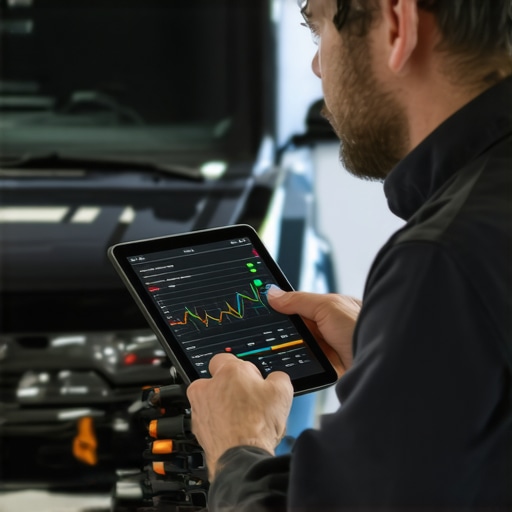
Visualize your maintenance dashboard: a sleek setup with a diagnostic tool hooked up, voltage readings on a tablet, and a neatly organized toolkit. An image like this emphasizes the importance of having a well-equipped, organized workspace to keep your vehicle in prime condition.
The Hardest Lesson I Learned About vehicle diagnostics, brake service, auto repair, oil change
Early in my DIY journey, I underestimated the complexity of modern vehicle systems. I thought a simple oil change and a quick reset would suffice, but I soon discovered that incomplete resets or improper procedures could lead to persistent warning lights and misdiagnosed faults. This taught me the importance of following model-specific guides and investing time in understanding my vehicle’s unique diagnostics system, like knowing that irregular software updates or signal interference could cause false alarms.
3 Myths About vehicle diagnostics, brake service, auto repair, oil change That Held Me Back
- All diagnostic tools are foolproof: I realized that even advanced scanners could give false data if the software is outdated or incompatible, making regular updates and proper calibration essential. For more tips on avoiding false readings, check out this guide.
- Brake calibration is unnecessary after DIY service: I learned that a quick calibration can prevent uneven pad wear and brake noise, especially with electronic calipers, which are common in 2026 models. Tools for proper calibration help avoid costly repairs later.
- Ignoring minor warning lights won’t hurt: Small signs can escalate into major issues if neglected, emphasizing the value of proactive diagnostics and routine checks. Investing in good diagnostic equipment and understanding when to seek professional input can save dollars and time in the long run.
My Essential Toolkit for vehicle diagnostics, brake service, auto repair, oil change
Over time, I’ve curated a selection of tools that truly enhance my DIY capabilities. The OBD-5 scanner stands out because of its compatibility and real-time data logging, helping me spot issues early. A portable ultrasonic leak detector allows me to quickly identify vacuum or exhaust leaks, saving hours of troubleshooting. For brake calibration, I rely on digital caliper tools that ensure even pad wear and optimal safety. Having reliable, high-quality oils, preferably bio-synthetic, and routine analysis tools also keep my engine running smoothly and extend its lifespan.
Keep Growing: Reach for What’s Next
The future of vehicle maintenance in 2026 is remarkably promising, with AI-driven diagnostics and predictive analytics set to revolutionize how we care for our cars. By mastering current tools and techniques, you set a foundation for adopting these innovations seamlessly. I encourage you to stay curious, invest in quality tools, and continually educate yourself—because the more you learn now, the better prepared you’ll be for tomorrow’s technology-driven automotive landscape.
Your Move: Empower Your Vehicle Care
This journey into vehicle diagnostics, brake service, and oil management isn’t just about fixing problems; it’s about gaining confidence and independence. Whether you’re tightening a bolt, resetting a warning, or choosing the right synthetic oil, your proactive efforts protect your investment and ensure safety. Remember, every step you take to understand your 2026 vehicle deepens your bond with it and makes future repairs smoother. So, what’s the first step you’re excited to tackle on your maintenance journey? Let me know below and share your experiences or questions!
More Details