Apr 26, 2026
Fix 2026 Sensor Ghosting: 5 DIY Vehicle Diagnostics Tactics
I vividly remember the moment I first faced the dreaded sensor ghosting on my vehicle. I was pulling out of the driveway, eager to grab a quick oil change, when suddenly my dashboard flooded with warning lights. The engine ran smoothly, but my diagnostics scanner kept throwing confusing ghost codes. Frustration set in—I knew something wasn’t right, but I had no idea where to start. It felt like trying to read a foreign language in the dark.
Why Ghosting Codes Can Drive You Crazy—and How to Fix Them
If you’ve ever battled mysterious sensor errors that refuse to stay fixed, you’re not alone. These elusive ghost codes can mask actual problems or create false alarms, leading to unnecessary repairs or worse, missed issues. The most frustrating part? Many people incorrectly assume that just replacing sensors or thinking the scanner is faulty will solve the problem. But in my experience, the root lies deeper—often in the vehicle’s digital communication and calibration quirks—especially with the complex Fix 2026 systems.
Is Your Diagnostic Tool Catching All the Issues—Or Just Fogging Your Mind?
Early on, I made the mistake of relying solely on generic scanners, thinking they would provide complete diagnostics. That was a costly error. I discovered that many scanners ignore critical communications, especially with newer 2026 models that incorporate advanced AI and connectivity features. This oversight can cause you to overlook serious issues or waste time chasing phantom errors.
Understanding how to properly troubleshoot ghost codes, and to distinguish between real and false errors, is essential. It can save you time, money, and headaches. In future posts, I’ll walk you through five proven DIY vehicle diagnostics tactics—methods that have personally helped me cut through the digital noise and get to the real problem. Whether it’s sensor ghosting or tricky communication errors, these strategies will arm you with practical solutions. Ready to take control of your vehicle diagnostics? Let’s dive into the first tactic.
Start with a Strong Baseline: Reset Your Diagnostic Tool
Before diving into troubleshooting, ensure your diagnostic scanner is functioning correctly. Connect it to a known-good vehicle to verify it reads clear data. On your vehicle, use the reset function to clear existing codes and reset the vehicle’s ECU. This process is crucial because lingering codes can cause false alerts, similar to how a misaligned oil gauge can mislead you about engine health. I once faced persistent ghost codes that wouldn’t clear, which hampered my diagnostics until I performed a full reset—this step often reveals whether the error is real or just residual data.
Inspect the Sensor Connections Like a Detective
Physically examine all sensor wiring and connectors, especially those linked to suspected ghost codes. Think of it as checking your brake pads before a long trip—if the connections are loose or corroded, the signals become unreliable. I once found a loose connector behind the firewall that was causing intermittent communication errors. Ensure wires are securely attached and free of corrosion or damage. Using a multimeter can help verify electrical continuity, preventing you from chasing phantom errors that result from poor connections.
Test Sensors with a Multimeter to Confirm Proper Functioning
Remove suspicious sensors and individually test their voltage and resistance as per manufacturer specifications. For example, a failing oxygen sensor may send inconsistent data, triggering ghost codes. During my troubleshooting, I replaced a suspect sensor after testing its output, which eliminated the false code. Keep a record of baseline readings for your vehicle model so you can compare readings effectively—this prevents misdiagnosing a sensor as faulty when it’s actually fine.
Validate Communication Pathways: Use Specialized Tools
Modern vehicles communicate through CAN bus networks, akin to a neural network in the body. Use a reliable scan tool compatible with your vehicle’s complexity—avoiding generic scanners when dealing with high-tech systems. If communication errors persist, consider using a dedicated interface to monitor data flow. I once encountered a situation where a faulty module caused a communication stall, and swapping it out solved the ghost codes. For complex issues, examining real-time data streams can reveal if the ECU is receiving inconsistent signals, similar to checking if your heart rate monitor is unstable during exercise.
Assess Software and Calibration Settings
Misaligned software versions or calibration mismatches can cause sensors to misreport or ghost errors. Some advanced systems, especially in 2026 models with integrated AI, require precise calibration after updates or repairs. For instance, I once overlooked a calibration step after replacing a brake sensor—leading to persistent ghost warnings. To avoid this, follow manufacturer procedures meticulously, and consider recalibrating modules if errors are inconsistent or seem illogical. This process is like tuning a piano—if the keys don’t align, the melody won’t sound right.
Compare Error Patterns with Known Issues
Note when and how ghost codes appear. If they surface during specific conditions—like cold starts or rapid acceleration—they might signal a calibration or environmental problem. For example, I observed ghost codes only during cold mornings, prompting me to check the vehicle’s intake and GDI system. Always cross-reference code patterns with reliable online resources or factory bulletins; this helps differentiate between real faults and false alarms caused by transient issues or software glitches. Think of it as diagnosing a noise—knowing when it occurs helps pinpoint whether it’s a wheel bearing or just road debris.
Apply Targeted Fixes Based on Diagnosis
Once you’ve identified suspect components, focus on proven repair techniques rather than random replacements. For sensor issues, cleaning or re-seating connectors can often resolve ghosting without costly parts swaps. If communication errors persist, consider wiring repairs or module reprogramming. Remember, in complex systems like those in 2026 vehicles, some issues are linked to software bugs—upgrading firmware or performing a complete diagnostic reset may be necessary. For example, I solved a persistent ghost code by performing a reset of the vehicle’s diagnostic system, returning the vehicle to a clean state without replacing any parts.
Utilize Advanced Diagnostic Strategies: Bypass and Reflash
In stubborn cases, bypassing proprietary diagnostic blocks can reveal hidden faults, especially in systems protected by manufacturer security. Techniques like connecting directly to open diagnostic ports or using open-source tools can bypass restrictions. Additionally, reflashing modules with updated firmware can fix communication conflicts. I once used a custom tool to reprogram a local module, which cleared a series of ghost errors, restoring normal operation. For more on this, see our guide on bypassing diagnostic restrictions.
Maintain Records for Future Troubleshooting
Document each step—test results, component changes, calibration adjustments. This habit speeds up future diagnoses and prevents repeating the same steps. Think of it as keeping your garage organized—each detail helps you or a professional mechanic tackle recurring problems more efficiently. Over time, this record becomes a valuable resource, especially with complex 2026 systems increased with AI features and connectivity issues. Regular documentation makes troubleshooting more straightforward and less guesswork.
Many car owners believe that understanding basic maintenance tasks like oil changes or brake servicing is enough to keep their vehicles running smoothly. However, this oversimplification misses the critical nuances that differentiate a professional diagnosis from a novice approach. One widespread myth is that newer vehicles, especially electric and hybrid models, require less diagnostic attention. In reality, these vehicles possess complex electronic systems that demand a higher level of expertise, as highlighted in recent automotive studies emphasizing the importance of specialized tools and knowledge for effective troubleshooting. Relying solely on generic diagnostic scanners can lead you astray, as they often fail to interpret the full scope of modern vehicle data, which includes AI-driven subsystems and advanced network communications. For example, a recent guide details how AI-specific scanners are essential for accurately diagnosing engines with integrated smart sensors.
One critical pitfall is the assumption that all sensor errors are remedial by replacing faulty components. In truth, sensor ghosting—erroneous or intermittent signals—often stems from wiring issues, calibration mismatches, or communication protocol conflicts. An advanced mistake many overlook involves neglecting software updates or calibration procedures, which can cause persistent errors even after replacing physical parts. For instance, misaligned calibration after a brake system overhaul can generate false alerts, a problem thoroughly examined in our brake service tips.
A common trap is to treat diagnostics as a one-and-done process. In reality, effective troubleshooting requires iterative testing, cross-referencing error codes with manufacturer bulletins, and understanding the vehicle’s operational context. For example, ghost codes appearing only during cold starts indicate environmental or software calibration issues, not necessarily hardware failures. Disregarding these nuances can lead you to replace perfectly functioning parts unnecessarily, costing time and money.
Advanced diagnostic challenges often demand specialized knowledge—such as interpreting real-time CAN bus data or performing firmware reprogramming. A simple reset may temporarily clear codes, but without addressing underlying communication issues, errors tend to recur. For instance, issues with 6G connectivity can cause false readings and freeze scanners, as detailed in our troubleshooting guide.
Making sense of this complexity underscores the importance of continuous learning and investing in the right diagnostic tools. It’s also crucial to stay updated with manufacturer service bulletins and software updates—neglecting them can turn manageable problems into recurring nightmares. Remember, effective vehicle diagnostics is less about quick fixes and more about understanding the intricate dance of hardware and software.
Have you ever fallen into this trap? Let me know in the comments. Ultimately, diving into these nuances transforms routine repairs into effective solutions, saving you time, money, and frustration.
Choosing the Best Diagnostic Equipment for Long-Term Reliability
Investing in high-quality diagnostic tools is essential for effective vehicle maintenance, especially with modern AI-driven systems. I personally rely on the OBD-5 scanner because it offers comprehensive real-time data and 6G connectivity, crucial for diagnosing complex 2026 models. Cheap scanners often lack the bandwidth and accuracy needed to interpret AI sensor data, leading to false positives or missed issues. Using reliable software that automatically updates calibrations and firmware ensures your diagnostics remain accurate over time, minimizing ghost codes and misreadings.
Mastering the Art of System Reset and Calibration
Regular resets after repairs or software updates prevent lingering error codes and calibration mismatches. I recommend performing a reset using tools like the diagnostic reset procedure to restore optimal throttle and system responsiveness. Calibration of sensors after repairs is equally critical; miscalibrated sensors can give false warnings or ghost codes, especially on advanced 2026 vehicles with AI-enabled diagnostics. Daily, I schedule calibration checks as part of my routine, ensuring the vehicle reacts predictably and maintains safety standards.
Implementing Preventive Maintenance with Precision Tools
Preventive measures like meticulous brake inspections or oil changes with the right lubricants safeguard your vehicle’s longevity. When working on systems like brakes, I prefer using specialized tools such as the smart caliper tools, which allow precise adjustments without unnecessary disassembly. This approach prevents issues like uneven wear or caliper drag, especially in the evolved systems of 2026 models. Employing tools that match the latest tech specifications ensures you avoid common pitfalls such as brake hiss or caliper vibration during high-speed stops, saving costs and improving safety.
Where Future Vehicle Maintenance Is Heading
As vehicle systems grow more integrated with AI and connectivity, diagnostic and maintenance tools will increasingly leverage automation and machine learning. Predictive analytics will allow us to foresee issues before they happen, optimizing repair schedules. Staying ahead requires investing in versatile, software-updatable equipment and honing skills in calibration and software management. For example, understanding how to bypass proprietary diagnostic blocks, as described here, can significantly speed up troubleshooting in restrictive environments.
How do I maintain diagnostic tools and systems successfully over time?
The key is consistent software updates and calibration checks. Regularly verify your tools’ firmware status, and keep calibration routines scheduled, especially after repairs or software enhancements. Additionally, document every reset and calibration to build a reliable troubleshooting history. This habit not only keeps your system accurate but also sharpens your diagnostic intuition, minimizing misdiagnosis risks. Consider subscribing to manufacturer updates and tutorials, ensuring your knowledge remains aligned with the latest vehicle tech trends.
To start, try performing a full reset of your vehicle’s diagnostics system after the next repair—it’s an often overlooked step that can clear ghost codes and restore system clarity, making your troubleshooting more straightforward.
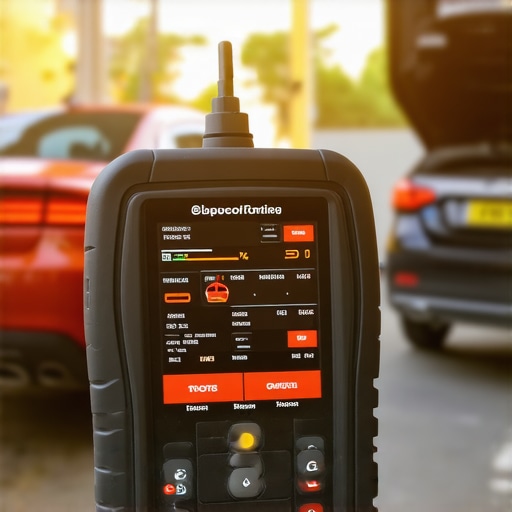
What I Wish I Knew Before My First Sensor Ghosting Encounter
Discovering the complexities of modern vehicle diagnostics firsthand taught me that patience, comprehensive tools, and meticulous procedures are essential. I learned that relying solely on generic scanners can mislead you, emphasizing the importance of investing in high-quality, AI-compatible diagnostic equipment. Also, understanding calibration nuances and communication protocols inside the vehicle’s network can be the difference between a quick fix and ongoing frustration. These insights transformed my approach from guesswork to strategic problem-solving, making me more confident in tackling ghost codes and system errors.
My Top Picks for Tools and Resources That Changed the Way I Diagnose
Over time, I’ve relied on a handful of trusted tools and sources. The OBD-5 scanner has become my go-to because it handles complex 2026 systems with ease. For understanding software and calibration updates, manufacturer bulletins have proven invaluable—keeping my knowledge current prevents simple issues from escalating. I also recommend reading comprehensive repair guides like those on RepairMyCarPro; they provide practical, experience-based advice that pushes beyond generic solutions. These tools and insights form the backbone of my diagnostic success.
Harnessing the Power of Curiosity to Improve Vehicle Health
Having navigated countless diagnostics, I realize that maintaining an inquisitive mindset is vital. When faced with ghost codes, I ask myself: “Is this a wiring issue, a calibration mismatch, or a communication glitch?” This question-driven approach prompts me to dig deeper rather than settling for superficial fixes. I encourage you to keep detailed records of error patterns, calibration steps, and tool results—this habit helps identify recurring issues and accelerates troubleshooting. Remember, in vehicle diagnostics, curiosity coupled with systematic testing unlocks the hidden truths your vehicle wants to reveal.
Are You Ready to Take Your Diagnostics to the Next Level?
Modern vehicles are marvels of technology, but they demand a vigilant and informed approach. By embracing better tools, broadening your knowledge, and cultivating curiosity, you’ll find diagnosing ghost codes and communication errors becomes less daunting—and more satisfying. Don’t shy away from learning new calibration techniques or exploring forums and manufacturer updates. Your vehicle’s health depends on your willingness to stay ahead of the curve. Now’s the time—equip yourself with knowledge and confidence to master even the most elusive system errors.
What has been your biggest revelation when diagnosing a tricky vehicle issue? Share your story below—I’d love to hear how you cracked the code!
More Details