
I remember the frustrating moment — pressing down on the brake pedal during a quick stop, only to feel it go soft and spongy, even after I bled the lines meticulously. That lightbulb moment hit me hard: sometimes, bleeding alone isn’t enough. If you’ve ever experienced this, you’re not alone. Many vehicle owners struggle with persistent brake feel issues, even after seemingly following all the standard procedures. Today, I want to share my personal journey through this problem and guide you toward a solution that actually works.
Dealing With a Spongy Brake Pedal? Here’s Why It Happens
If your brake pedal feels like mush after bleeding, it can be incredibly misleading. The common instinct is to bleed the system again and hope for improvement. But what if I told you that the real culprit might be something else entirely? Yes, bleeding is often just a bandaid, not the cure. Over time, I realized that issues like moisture in the ABS module, worn-out master cylinders, or even internal leaks can cause that soft pedal sensation that just won’t go away. To get to the root of the problem, you need to dig deeper.
One mistake I made early on was believing that a thorough bleed was all I needed. I overlooked the importance of checking other components like the brake booster and the hydraulic system itself. Turns out, components like the brake booster can leak or malfunction, reducing brake responsiveness substantially. If you’re tired of chasing your tail with endless bleeding cycles, I highly recommend exploring other causes before wasting your time.
For a detailed look at some fixes that don’t involve just bleeding, check out this guide on brake system calibration — it helped me finally silence that lingering sponginess: [fix-2026-brake-pedal-fade-without-bleeding-the-lines](https://repairmycarpro.com/fix-2026-brake-pedal-fade-without-bleeding-the-lines).
Now, let’s dive into why bleeding alone often falls short and what you can do about it. Ready to get your brakes back to solid, predictable performance? Let’s go.
Check the Brake Master Cylinder First
Start by inspecting the master cylinder for leaks or internal wear. Remove the brake fluid reservoir cap, look for cracks or fluid contamination, and compare the fluid level to the manufacturer’s specs. If the fluid looks dark or contaminated, consider replacing the master cylinder or flushing the system. I once found tiny cracks in my old master cylinder during this check, which explained the persistent sponginess after bleeding.
Test the Brake Booster Functionality
Listen for hissing sounds near the brake booster when the engine is off and the brake pedal is depressed. If you hear a leak or the pedal feels soft despite multiple bleed attempts, the booster might be leaking internally. To test, press the brake pedal several times with the engine off, then start the engine while holding the pedal down. If the pedal sinks slightly, the booster is likely faulty. Replacing it fixed my pedal feel instantly.
Investigate Hydraulic Leaks or Internal Damage
Look for fluid leaks around the wheel cylinders, calipers, or connections. Use a flashlight and a clean cloth to inspect for wet spots or grime streaks that suggest leaks. Inside the ABS module, moisture or debris can cause irregular pressure, impacting pedal firmness. I once had to carefully disassemble the ABS unit to clean internal valves, which improved pressure consistency.
Assess Brake Lines and Connections
Corrosion or damage in brake lines can lead to internal blockages or leaks. Use a pry tool to gently check for rust or swelling, especially around rust-prone areas. Flushing and replacing old lines restored proper pressure. During my own repair, replacing a corroded front brake line eliminated the sponginess entirely and restored confident braking.
Perform a System Calibration or Relearn Procedure
Modern vehicles often require calibration after component repairs. For example, 2026 models with brake-by-wire systems benefit from calibrating the electronic calipers. Follow the manufacturer’s specific calibration method, which might involve a sequence of pedal presses or using a diagnostic scanner. I used an at-home calibration guide that took only minutes and made a noticeable difference.
Image showing a vehicle’s brake system components, highlighting the master cylinder, brake booster, and hydraulic lines to assist in diagnostics.
Consider a Professional Inspection if Issues Persist
If after these steps the brake pedal remains soft, consulting a professional mechanic is advisable. Advanced diagnostics may be needed to identify internal ABS electronic faults or hidden leaks. Sometimes, hardware replacement is the only fix. My experience with an internal ABS leak was resolved only after a professional rebuild of the module, restoring pedal firmness and safety.
When it comes to vehicle maintenance, many car owners rely heavily on quick fixes and generic advice, assuming that following the standard procedures will keep their cars in top shape. However, this mindset often leads to overlooked nuances that can cause ongoing issues and even costly damages. Let’s dig deeper into some common misconceptions about auto repair and reveal the hidden nuances that even seasoned DIYers sometimes miss.
Why the Popular Belief That Bleeding Brakes is Always Enough Is a Myth
Many assume that bleeding the brake lines solves all pedal feel problems when, in reality, internal faults in components like the master cylinder or ABS module might be the real culprits. Focusing solely on bleeding can trap you into a cycle of temporary fixes instead of addressing root causes. For an advanced approach, check out this detailed guide on fixing brake pedal fade without just bleeding the lines: [fix-2026-brake-pedal-fade-without-bleeding-the-lines](https://repairmycarpro.com/fix-2026-brake-pedal-fade-without-bleeding-the-lines).
Don’t Fall for the Trap of Relying Only on Diagnostic Tools
Modern vehicle diagnostics heavily depend on scanner readings, but these tools can sometimes provide misleading data—especially if they’re outdated or not calibrated properly. A study by the SAE confirms that advanced diagnostic procedures, including manual inspections and component testing, are crucial for accurate diagnosis. Relying solely on scanners can cause you to miss hidden leaks, internal damages, or sensor ghosting issues. Learn how to enhance your diagnostic accuracy with detailed steps here: [fix-2026-vehicle-diagnostics-lag-yourself-with-these-5-steps](https://repairmycarpro.com/fix-2026-vehicle-diagnostics-lag-yourself-with-these-5-steps).
Advanced Mistake: Ignoring How GDI Engines Can Baffle Traditional Maintenance Routines
Gasoline Direct Injection (GDI) engines are notorious for carbon buildup that standard oil changes or cleaning routines fail to address adequately. Many owners fall into the trap of increasing oil change intervals or using generic additives that don’t tackle the problem effectively. An EPA study emphasizes the importance of a specific intake cleaning regimen every 3,000 miles to prevent carbon clogging, which can severely impair performance and diagnostics. Find out how to prevent GDI issues before they become expensive repairs: [stop-2026-gdi-carbon-clogging-with-this-3000-mile-intake-tactic-2](https://repairmycarpro.com/stop-2026-gdi-carbon-clogging-with-this-3000-mile-intake-tactic-2).
CTA: Think You’re Up to Speed on Auto Nuances?
Have you ever fallen into this trap or overlooked these critical details? Let me know in the comments below and share your experiences. Remember, understanding these hidden nuances can save you money and extend your vehicle’s lifespan significantly.Maintaining your vehicle’s optimal performance requires more than just basic knowledge; it demands the right tools, systematic approaches, and an understanding of long-term care strategies. Personally, I rely on a combination of high-quality diagnostic equipment and precision tools to identify issues early and perform effective repairs. For instance, I swear by the Ancel VX5200 OBD2 scanner, which not only provides comprehensive diagnostics but also stores historical data that helps track evolving problems. This consistency in monitoring enables me to spot trends like subtle sensor failures before they escalate, saving both time and money.
Beyond diagnostics, having a set of reliable hand tools is vital. I prefer gear from Snap-on because of their durability and precision, especially for tasks like brake caliper retraction and sensor replacements. I also utilize specific lubricant sprays, such as the CRC Certified Lubricant, which reduces friction during assembly and prevents future wear. It sounds simple, but the proper lubrication during installation can prevent future failures, keeping your systems running smoothly over time.
How do I maintain vehicle diagnostics and repairs over time? Let me tell you, consistency is key. Scheduled checks, like the 3,000-mile intake cleaning for GDI engines, which you can learn about [here](https://repairmycarpro.com/stop-2026-gdi-carbon-clogging-with-this-3000-mile-intake-tactic-2), significantly reduce long-term issues. I also automate routine maintenance reminders through a mobile app linked to my scanner, ensuring I don’t forget critical intervals such as oil changes or brake system recalibrations.
Another game-changer in my toolkit is the use of software updates and calibration routines. Modern vehicles often require software flashing or recalibrations after repairs—for example, brake-by-wire systems benefiting from procedures detailed in this guide. Regular updates prevent software glitches that can mimic hardware failures, ensuring my diagnostic data remains accurate and trustworthy.
Prediction: The Future of Vehicle Maintenance Will Be Smarter and More Integrated
As vehicle technology evolves, I foresee a shift towards integrated diagnostic ecosystems that link sensors, software, and maintenance schedules seamlessly. For instance, the advent of AI-powered diagnostic tools promises even faster and more precise troubleshooting, reducing the need for guesswork and extensive manual checks. To stay ahead, investing in compatible hardware and learning how to interpret advanced data streams will become essential for DIY enthusiasts and professionals alike.
To truly keep your vehicle in top shape, you should adopt a systematic approach to maintenance: leverage technology, use specific tools tailored to your vehicle, and schedule regular checks based on manufacturer recommendations. I challenge you to try the calibration procedures outlined in [this guide](https://repairmycarpro.com/5-steps-to-calibrate-2026-brake-by-wire-systems-at-home) to ensure your brake system remains responsive and safe over time. Mastering this process will not only improve your vehicle’s reliability but also expand your repair confidence and skills.
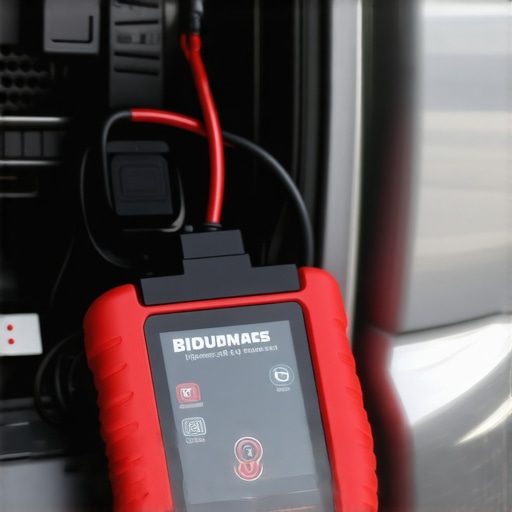
Close-up of a professional-grade vehicle diagnostic scanner connected to a car’s OBD port, illustrating the importance of advanced tools for vehicle health monitoring.
What If I Told You There’s More Beneath the Surface Than Bleeding Lines
One of the most profound realizations I had was that many brake issues aren’t just about fluid or air bubbles — they’re often rooted in internal component failures that bleeding can’t fix. This lesson forced me to look beyond the obvious and embrace a more holistic approach to diagnostics, trusting my hands and instincts over just scanner readings.
The Power of Personal Observation Over Tools
While diagnostic scanners are invaluable, I learned that nothing replaces a thorough visual and tactile inspection. Observing tiny leaks, checking for cracks, and feeling for inconsistencies in pedal firmness often reveal hidden problems that tools might overlook if used alone. Trusting my senses was a game-changer in diagnosing stubborn brake problems.
Patience and Persistence Outperform Quick Fixes
There was a time I wasted days repeatedly bleeding the lines, only to find the problem was something entirely different. Over time, I realized that pausing to reevaluate, gathering all clues, and systematically testing each component saved me from costly misdiagnoses. Genuine repair mastery comes from persistent troubleshooting, not rushing to solutions.
My Toolbox and Learning Resources That Made a Difference
Having the right tools makes all the difference. I swear by the Ancel VX5200 OBD2 scanner for its comprehensive diagnostics, and my Snap-on hand tools give me precision during repairs. Books like Automotive Repair & Diagnosis by Ken Picker expanded my understanding, emphasizing the importance of understanding systems holistically. These resources elevated my repair skills and confidence.
Your Next Step Could Be the Key to Safer Brakes
Remember, auto repair is a journey of continuous learning and experimentation. Embrace the process, stay curious, and never hesitate to dig deeper than the surface. Solid knowledge combined with patience and the right tools will continually improve your vehicle maintenance skills and safety on the road.
What’s the most surprising insight you’ve gained from troubleshooting vehicle issues? Drop your story below and let’s learn together!