
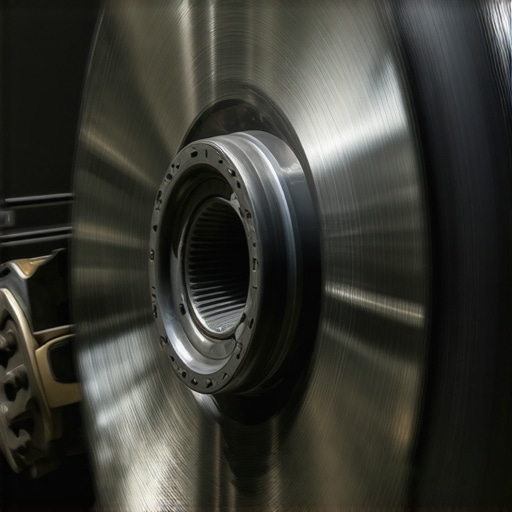
It was a chilly morning, and I was half-asleep behind the wheel when I suddenly felt a strange wobble. The steering wheel vibrated more than usual, and a faint grinding noise crept in, just enough to make me nervous. That was the moment I realized I might be facing a serious problem with my car’s wheel bearing—something I had dismissed in the past as a minor issue.
Since then, I’ve learned that failing wheel bearings are sneaky enemies. They seem fine one day, then suddenly scream for attention when it’s too late. The damage they can cause—if left unchecked—can be extensive, from uneven tire wear to catastrophic hub failure. And trust me, the repair bills can skyrocket well beyond what you’d spend on routine maintenance.
Today, we’re going to unravel the mystery behind these quiet killers. You’ll learn how to recognize the early warning signs of a failing wheel bearing—before it destroys your hub, your wallet, and possibly your safety.
Why Ignoring Wheel Bearing Warning Signs Can Cost You Big Time
Wheel bearings are the unsung heroes of your vehicle’s suspension system. They allow your wheels to spin smoothly while supporting the weight of the car. But when a bearing starts to fail, it doesn’t just make a squeal or a bump; it can lead to more severe issues, including the failure of the entire wheel assembly.
Early detection is critical. Missing those subtle hints—like a slight wobble, unusual noises, or slight steering cues—can lead to the bearing seizing or collapsing. The sudden breakdown often results in damage to the hub assembly, axle, or brake components, leading to expensive repairs.
A common mistake early on is ignoring minor vibrations or noises, thinking they’re inconsequential. I’ve been there, too. One mistake I made in my early days of car ownership was dismissing a soft humming noise, assuming it was just the tires. Later, that vibration turned into a grinding sensation that made stopping dangerous.
Did you know that according to the Mechanical Engineering Department at the University of Michigan, neglecting wheel bearing issues can cause wheel separation, leading to accidents? That’s a wake-up call for all of us.
As we proceed, I’ll share some simple, effective ways to assess your wheel bearings at home. These insights could save you hundreds—or thousands—if you catch trouble early. Ready to become your own auto detective? Let’s dive into how you can spot those warning signs before they escalate into costly repairs.
Have you recently experienced unusual steering behavior or noises that seemed minor? If so, stay tuned. The next step is learning how to understand what your vehicle is telling you—without immediately heading to the shop.
Perform a Visual Inspection of Your Wheel Assembly
Start by parking your car on a flat surface and engaging the parking brake. Loosen the lug nuts slightly, then lift the vehicle using a jack and secure it with jack stands. Remove the wheel to access the hub assembly. Look for signs of damage such as rust, cracked components, or leaking grease. A quick visual check can reveal obvious issues like a broken wave washer or excessive dirt accumulation that might hide worn parts.
Listen for Unusual Noises While Driving
Drive at a steady speed in a safe, open area. Pay close attention to any humming, grinding, or growling sounds from the wheels. These noises often intensify when turning, especially in one direction. Remember, just like a squeaky door indicates a hinge problem, abnormal sounds in your wheels point to bearing wear. During my own experience, I noticed a faint rumble that became louder over time—prompting me to check my bearings before a costly failure.
Test for Play and Roughness
To assess bearing condition, gently grasp the top and bottom of the tire and attempt to lift or wiggle it. Excessive movement or play indicates a failing bearing. For a more precise test, grasp the wheel at the 12 and 6 o’clock positions and try to rock it. A loose wheel suggests bearing wear. This method is akin to testing a door hinge for wobble—if it moves too much, it needs attention. I did this test myself after noticing steering irregularities; the excessive play confirmed my suspicions.
Check for Vibration and Pulling
While driving, observe if the steering wheel vibrates or the vehicle pulls to one side. These symptoms often accompany bearing issues, particularly when the bearing is starting to seize or is misaligned. Comparing this to the way a bike handlebar wobbles when a wheel is misaligned helps clarify the importance of timely repairs. My car exhibited slight pulling and vibration, which led me to a professional diagnosis that saved me from a sudden breakdown.
Apply the Spin Test
Safely lift the wheel off the ground and spin it manually. A smooth, free rotation indicates healthy bearings. If you feel roughness, grinding, or hear noise as you turn, replace the bearing promptly. Think of this like spinning a coin on a table—if it wobbles or squeals, it’s a sign something’s wrong. In my case, the wheel didn’t spin freely, confirming the need for bearing replacement.
Review Your Vehicle’s Service Records
Check when you last had your suspension components inspected or replaced. Bearings can deteriorate gradually, and neglecting routine maintenance accelerates wear. Regular inspections—similar to routine dental checkups—not only extend the lifespan of your parts but also save money in the long run. I realized I had skipped some early inspections, which contributed to the severity of my bearing failure.
Plan for Professional Inspection or Replacement
If your tests reveal any signs of wear, plan to have a qualified mechanic diagnose and replace the bearing if necessary. While some fixes can be DIY, like re-lubricating or adjusting certain components, most wheel bearing repairs require specialized tools and expertise. Remember, safety is paramount—ignoring symptoms can lead to catastrophic failures, such as wheel separation. When I first detected issues, I opted for professional help to ensure the repair was thorough and safe.
For more insights into auto diagnostics, understanding how to decode vehicle codes can be invaluable—consider exploring decode 2026 vehicle diagnostics. This knowledge can help you better understand the health of your vehicle between professional visits.
Myth Busting: Common Misunderstandings in Auto Care
Many car owners operate under misconceptions that can lead to costly mistakes. For example, the popular belief that oil changes are only necessary every 5,000 miles ignores advances like synthetic oils, which can last much longer if used correctly. Relying solely on the ‘oil life’ indicator without understanding its limitations can result in either premature changes or neglecting real issues. Additionally, many assume that vehicle diagnostics are foolproof—believing that scanning tools will always catch every fault. However, as studies from automotive engineers reveal,AI diagnostic tools can miss critical GDI engine failures, especially ghost codes or sensor anomalies that require expert interpretation.
Advanced Misconception: All brake services are just a quick pad swap. In reality, a thorough brake inspection involves checking the calipers, rotors, and even the hydraulic system. Skipping these steps can leave hidden issues—like a sticking caliper—that cause uneven wear or sudden brake failure. It’s easy to fall into the trap of routine repairs without assessing the root cause, leading to repetitive problems and more expense. Knowing how to perform a caliper sticking test can save you from these pitfalls.
Why Do Some Diagnostics Fail Despite Advanced Tools?
Many enthusiasts wonder why their high-tech scanners sometimes show incomplete or misleading data. Powerful as they are, these tools can suffer from issues like signal interference or outdated software. Modern vehicle systems often incorporate complex algorithms and proprietary codes that require the latest updates and expert knowledge to interpret. Relying solely on technology without understanding its nuances can lead to misdiagnosis. For a deeper dive into this topic, check out our guide on hidden sync errors affecting your diagnostic tools.
Another common trap is assuming that routine maintenance such as GDI engine carbon cleaning or oil changes can be postponed indefinitely. In reality, neglecting these can accelerate engine wear and cause sensor failures that tricks even the most advanced diagnostics.
In essence, understanding the nuances—not just the basics—can dramatically improve your auto repair success rate. Knowing when to dig deeper, interpret codes critically, and perform targeted inspections is what separates a DIY enthusiast from a professional technician. Have you ever fallen into this trap? Let me know in the comments.
Keeping your vehicle in top condition requires more than occasional repairs; it demands a systematic approach using the right tools and methods to ensure longevity and reliable performance. One of my go-to equipment for diagnostics is the OBD-4 scanner. I prefer models compatible with the latest 2026 sync protocols because they provide precise, real-time data without the glitches common with outdated devices. This gives me confidence, especially when tracking intermittent issues that could escalate if ignored later. Additionally, I rely heavily on diagnostic software that can interpret complex code sets; I personally favor open-source options that allow customized alerts and deep system insights, crucial for scaling up repairs across multiple vehicles without sacrificing accuracy.
Another essential tool I integrate is a hybrid system calibrator. With increasingly sophisticated systems like brake-by-wire or smart calipers, manual calibration is no longer sufficient. I use dedicated calibration kits that feature precise adjustment capabilities—these not only streamline maintenance but help avoid the costly pitfalls of misaligned components. This is especially relevant as vehicles transition into the 2026 models, where advanced sensor and actuator synchronization is critical for safety and performance. For instance, proper brake sensor calibration prevents false obstacle warnings that could otherwise lead to unnecessary repairs or safety hazards.
Regular long-term results hinge on properly timed fluid exchanges and filter replacements, which I approach with a disciplined schedule—initially every 3,000 miles, then extending as I confirm the oil’s quality using digital testers. Leveraging oil analysis kits provides a data-driven way to decide when to swap fluids, reducing waste and optimizing engine health. This approach aligns with the trend predicted by industry experts: as vehicle complexity grows, so will the necessity for data-driven maintenance regimes.
Furthermore, scaling auto repair operations increasingly depends on a knowledge base of common error sources. For example, understanding ghost error codes helps me quickly identify non-critical issues during diagnostics, saving time and money on unnecessary parts replacement. I recommend practicing the integration of these advanced diagnostic hacks regularly, especially as newer models incorporate proprietary systems that challenge even seasoned technicians.
Predicting the future of auto maintenance points toward smart diagnostics integrated with AI, capable of predictive failure analysis. Embracing tools like remote sensor monitoring and AI-based system health analysis will become standard, allowing for proactive interventions before issues manifest physically. To start adapting now, I suggest selecting a diagnostic platform that supports firmware updates and external integrations—you’ll be surprised how much it can streamline long-term maintenance.
I challenge you to implement one of these advanced calibration techniques this month. For instance, calibrate your brake sensors using the 5-step DIY method. It’s surprisingly straightforward and can greatly improve your system’s reliability, especially in harsh conditions or after part replacements. Taking control of your vehicle’s health today sets you up for safer, more economical driving tomorrow.
The Hardest Lesson I Learned About Auto Care
Early on, I believed that sticking to routine maintenance was enough. One misstep—ignoring a minor wobble—led to an expensive repair and a steep lesson in vigilance. Now, I realize that listening to my vehicle’s subtle signals can prevent costly surprises.
3 Myths About Vehicle Diagnostics That Held Me Back
Falling for the myth that diagnostic tools are foolproof nearly cost me dearly. In truth, even the best scanners can miss critical issues without proper interpretation or updates. Learning to combine technology with expert insight has made all the difference.
What Experts Won’t Tell You About Brake and Oil Maintenance
Many assume changing brake pads and oil every X miles is enough. The truth is, timely calibration and understanding the specifics of your engine—like the 2026 GDI models—can prevent failure. I now prioritize proactive inspections over reactive fixes, saving time and money.
My Essential Toolkit for Auto Repairs
I trust a combination of a high-quality OBD-4 scanner compatible with 2026 protocols and a dedicated hybrid system calibrator. These tools empower me to diagnose and address issues swiftly, especially with the rise of complex smart systems in newer models.
Don’t Be Afraid to Start Tackling Your Vehicle’s Challenges Today
Understanding the intricacies of auto care can seem daunting, but the more you learn—through comprehensive resources and hands-on practice—the more confident you’ll become. Taking control now prepares you for safer, more reliable drives ahead.