Jan 15, 2026
Oil Change & Maintenance Tips for Reliable Vehicle Performance

Have you ever been stranded on the side of the road, frustrated and worried because your car just wouldn’t start or was making strange noises? I remember the moment quite vividly; my trusty vehicle sputtered and shuddered, refusing to cooperate, just when I needed it most. It was a lightbulb moment for me—realizing that neglecting simple maintenance tasks like oil changes and regular inspections could lead to costly repairs or dangerous breakdowns. Since then, I’ve committed to understanding the ins and outs of vehicle upkeep, and let me tell you, it has made all the difference.

Why Keeping Up with Oil Changes Matters for Your Car’s Longevity

For many of us, our cars are more than just transportation—they’re an extension of ourselves, a reliable partner in our daily lives. But without proper maintenance, that partnership can quickly falter. Regular oil changes are crucial; they keep your engine running smoothly and prevent costly damage. Skipping or delaying oil changes can lead to engine wear, reduced fuel efficiency, and ultimately, premature vehicle failure. A study from the American Petroleum Institute highlights that changing your oil on schedule can extend engine life by up to 2.5 times, saving you money and hassle in the long run. If you’ve ever experienced sluggish acceleration or strange noises from your engine, it might be a sign that your oil needs attention.

Is Oil Change Overhyped? Myths and Realities

Early in my car-owning days, I believed that changing oil just once a year was enough, no matter how much I drove. It wasn’t until I ignored that simple advice and faced an engine rebuild that I realized how critical routine oil changes really are. Many skeptics think they’re an unnecessary expense, but ignoring these small yet vital service points can cost hundreds down the line. To avoid my mistake, I now follow a proactive approach, adhering to the recommended intervals outlined in my vehicle’s manual and by trusted sources like auto repair experts. Let’s walk through some practical tips to keep your vehicle forever reliable.

Performing a Comprehensive Vehicle Checkup

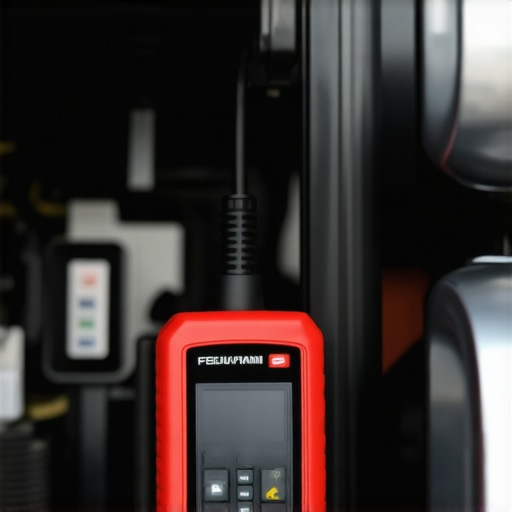
Start by gathering all necessary tools—like a flashlight, wrench, and tire pressure gauge—and ensure your vehicle is on a flat surface. Begin with visual inspections: look underneath for leaks, check tire tread depth, and examine belts and hoses for cracks or wear. I once spent a Saturday morning under my car, flashlight in hand, discovering a loose belt that could have snapped at the worst possible moment. Tightening it not only prevented future breakdowns but saved me from a costly repair. For a detailed diagnostic, use an OBD-II scanner to identify any hidden engine codes. Connect it to the diagnostic port, turn on the ignition, and note any codes that appear. Addressing these early helps prevent small issues from turning into major repairs. For appointment scheduling, consider automating reminders for regular checks, especially before long trips.

Executing Effective Oil Changes

Changing your oil involves draining the old oil, replacing the oil filter, and filling with fresh oil of the correct type. To start, warm up your engine slightly—drive around for five minutes—so the oil flows more easily. Park the vehicle on a level surface and engage the parking brake. Use a wrench to remove the drain plug and let the oil completely drain into a container. I once forgot to replace the drain plug quickly, causing a small oil spill, which was a messy but valuable lesson in attention to detail. Next, remove the old oil filter using an oil filter wrench, lubricate the gasket of the new filter, and screw it in firmly by hand. Consult your vehicle’s manual or trusted auto repair experts for the precise oil specifications. Finally, refill the engine oil, check the level with the dipstick, and ensure it’s within recommended limits. Regular oil changes act like a cleanse for your engine, keeping internal components lubricated and prolonging engine life.While many vehicle owners focus on routine tasks like oil changes and brake inspections, they often overlook the nuanced mechanics behind accurate auto diagnostics and maintenance. A common myth is that simple visual inspection suffices for diagnostics; however, modern vehicles rely heavily on advanced computer systems. Misinterpreting diagnostic codes without proper tools can lead to incorrect repairs, wasting time and money. For example, a lingering P0420 code might indicate catalytic converter issues, but could also stem from faulty sensors or wiring problems — diagnosing this accurately requires expert knowledge and proper diagnostic tools. Rushing into repairs based solely on code readings without thorough analysis is a critical mistake. Making assumptions without confirming the root cause can escalate minor issues into major failures, emphasizing the importance of advanced diagnostics

Have you ever fallen into this trap? Let me know in the comments.

Additionally, many believe that changing oil at arbitrary intervals is sufficient, but in reality, driving habits and environmental conditions influence oil degradation more than time alone. Heavy city driving, extreme temperatures, or frequent short trips accelerate oil breakdown, making regular oil analysis a more precise method for determining optimal oil change timing. Investing in diagnostic oil testing can help prevent engine wear caused by overlooked oil quality issues.

Regarding brake services, the misconception that ‘brakes only need attention when squealing’ can be dangerous. Brake pads may wear unevenly or rotors can develop microcracks that aren’t immediately visible. Advanced inspection techniques, such as ultrasonic testing, detect these hidden damages early, preventing catastrophic failures. Neglecting these subtle signs often results in costly repairs or safety hazards, highlighting the need for knowledgeable diagnostics.

For more insights into precise vehicle diagnostics and auto repair strategies, check out [top vehicle diagnostics auto repair tips for 2025](https://repairmycarpro.com/top-vehicle-diagnostics-auto-repair-tips-for-2025-reliability-4). Staying ahead with expert knowledge ensures your vehicle remains reliable and safe over the long haul.

Investing in Quality Diagnostic Equipment

One of the most significant advancements in vehicle maintenance is the shift toward digital diagnostic tools. I personally rely on an OBD-II scanner like the Autel MaxiScan MS309—it’s affordable yet comprehensive enough to read and clear engine codes. This tool has saved me countless trips to the mechanic by allowing me to identify issues early, such as misfires or sensor faults. For ongoing maintenance, I use diagnostic software that integrates with my smartphone—like BLOX Mobile Diagnostics—which provides real-time engine parameter monitoring. These tools help me understand how my driving habits impact my vehicle’s health and enable me to schedule repairs proactively. For those aiming to extend their vehicle’s lifespan, investing in reliable diagnostic equipment is non-negotiable.

Essential Software for Reliable Maintenance

Beyond hardware, I recommend dedicated auto maintenance apps such as AutoEngage or myCARFAX. These platforms help track service intervals, remind you of upcoming oil changes, and store maintenance history. My favorite feature is their diagnostic integration, which allows me to log trouble codes from my scanner directly into the app. As vehicle electronics evolve, software becomes indispensable for accurate diagnostics and record-keeping. Looking ahead, AI-powered diagnostic platforms are on the horizon, promising even more precise fault detection and predictive maintenance—making vehicle upkeep smarter and more efficient.

How do I maintain my tools and software over time?

I keep my diagnostic tools updated with the latest firmware and software patches. Manufacturers often release updates that expand compatibility with newer vehicles or improve diagnostic accuracy. Regularly calibrating and testing my equipment ensures dependable readings, reducing the risk of misdiagnosis. I also store my tools in a dry, temperature-controlled environment to prevent damage. For software, I subscribe to updates and attend industry webinars to stay informed about new features. This routine maintenance of my diagnostic arsenal guarantees long-term reliability and accuracy, which is crucial for effective vehicle management.

Preparing for Long-Term Success

To maximize the benefits of your tools, integrate their use into a comprehensive maintenance plan. For example, pairing diagnostic scans with routine oil analysis—using services like OilClarity—can preempt engine wear. Additionally, regularly inspecting brake systems with ultrasonic or laser-based detectors helps catch micro-damage early, preventing costly repairs. Modern diagnostics can even predict when parts like sensors or filters are nearing failure, allowing you to schedule replacements before breakdowns happen. As these technologies become more accessible, I predict that self-diagnosis and predictive maintenance will be standard practice for the everyday car owner, transforming how we care for our vehicles.

If you’re serious about vehicle longevity, I challenge you to incorporate a smart diagnostic tool into your routine this month. Start with an OBD-II scanner and a maintenance app—these investments will prove invaluable over time. For more advanced strategies, check out the top auto repair tips for reliable vehicle maintenance in 2025.

Over the years, I’ve realized that effective vehicle maintenance isn’t just about following a checklist—it’s about embracing a mindset of proactive care and continuous learning. One of the most transformative lessons I learned was that investing in quality diagnostic tools and staying informed about the latest auto repair strategies can prevent small issues from turning into costly disasters. This journey has taught me that mastery over vehicle diagnostics and maintenance is a blend of science, intuition, and a touch of patience. When you start seeing your vehicle as an intelligent system that communicates with you through signals and warning signs, you’ll approach repairs with confidence and purpose.

Lessons That Changed How I Care for My Car

  • Never underestimate the power of early diagnostics—using proper tools can save you money and extend your car’s lifespan.
  • Regular oil analysis provides insights beyond routine changes, helping catch hidden engine wear before it escalates.
  • Precision is crucial—small adjustments during brake inspections can prevent dangerous failures and costly repairs.
  • Understanding the nuances of modern vehicle electronics demystifies issues that once seemed baffling, turning you into your car’s best maintenance advocate.
  • Investment in reliable diagnostic equipment and staying updated with expert resources empowers you to handle most repairs at home, fostering confidence and independence.

Tools and Resources That Made a Difference for Me

  • OBD-II scanners like Autel MaxiScan MS309: Affordable, comprehensive, and essential for early fault detection, saving me trips to the mechanic.
  • Maintenance apps such as AutoEngage and myCARFAX: They help track service intervals and store repair histories, making scheduled maintenance seamless.
  • Trusted resources like top vehicle diagnostics auto repair tips for 2025: Staying informed about emerging diagnostics trends has kept me ahead of potential issues.
  • Guides on auto repair strategies for 2025: These have been my go-to for complex repairs and understanding new technology integrations.

Embrace the Future of Vehicle Maintenance Today

The road to a reliable, long-lasting vehicle begins with informed actions and smart investments. Whether you’re a seasoned DIY enthusiast or just starting to take control of your car’s health, remember that each diagnostic check and oil analysis is a step toward peace of mind. As technology evolves, so do your opportunities to master your vehicle’s needs—so don’t hesitate to dive in, learn, and grow as a responsible car owner. The future of vehicle diagnostics and maintenance is in your hands, and the rewards are well worth the effort.

What’s the most surprising thing you’ve learned about vehicle diagnostics or oil changes? Share your experiences below—I’d love to hear your stories!

,

More Details
Jan 13, 2026
Ultimate Guide to Oil Change & Vehicle Diagnostics for 2025

I remember the day I realized I’d been neglecting my car’s oil change for a little too long. It was early morning, dew still clinging to the windshield, when my engine started making a strange rumbling. At first, I shrugged it off as just a rough start, but then it got worse—disappointing and frightening all at once. That moment was a lightbulb flashing over my head: maintenance isn’t just a chore; it’s vital. Since then, I’ve learned that a simple oil change isn’t just about keeping the engine running—it’s about preventing costly repairs down the line, especially with the complex vehicles of 2025 that demand more than just routine topping off.

The Heart of Your Vehicle’s Longevity

If there’s one thing I wish I knew earlier, it’s that overlooked maintenance can lead to serious issues. Think about it: Your engine is like the heart of your car, pumping life into every mile you drive. When the oil gets old, thick, or contaminated, it can’t lubricate the engine parts effectively. That wear and tear can cause everything from decreased fuel efficiency to engine failure. And with advanced diagnostics tools now available—like those covered in auto-repair essentials for 2025—we have the means to catch these issues early. Yet, many still ignore the basics, assuming it’s not urgent. The truth is, neglecting this simple step shortchanges your vehicle’s lifespan and reliability.

Is Skipping Oil Changes Actually Worth the Hype?

In the beginning, I made the mistake of thinking a quick check-up or topping off oil was enough. I was wrong. Skipping recommended oil changes might seem minor, but it accelerates engine wear and can lead to costly repairs. According to experts, neglected oil changes are among the leading causes of engine damage—yet I see many drivers overlook it until a warning light appears. If you’re like I was, questioning whether it’s truly necessary, just remember: preventive care beats expensive repairs every time. For some practical tips on how to keep your vehicle in top shape, check out effective strategies for oil change and diagnostics in 2025.

So, have you ever faced a breakdown or engine issue that made you wish you’d maintained better? You’re not alone. Now, let’s move beyond the scare stories and dive into what you can do to keep your car running smoothly with confident, expert-approved tactics.

Prepare Your Workspace and Gather Tools

Start by parking your car on a flat surface and engaging the parking brake. Collect essential tools: socket wrenches, oil catch pan, funnel, new oil filter, gloves, and rags. Think of this step as laying out your supplies before cooking—you need everything within reach to work efficiently. During a past oil change, I realized forgetting a tool caused delays, so organize meticulously.

Drain the Old Oil Properly

Locate the oil drain plug beneath your vehicle; it looks like a large bolt. Place the catch pan underneath, then carefully loosen the plug using the socket wrench. Allow the oil to fully drain—this may take a few minutes. Remember, old oil is like thick syrup—viscous and sticky—so patience ensures complete removal. I once skipped this step and ended up with oil dripping everywhere, complicating the cleanup.

Best Practice

Always use gloves to avoid contact with used oil—it contains contaminants. After draining, tighten the drain plug securely to prevent leaks, as a loose plug can lead to catastrophic engine damage akin to a blocked artery in a human body.

Replace and Seal the Oil Filter

Locate the oil filter, which resembles a round canister. Using an oil filter wrench, remove the old filter by turning counterclockwise. Before installing the new filter, apply a thin coat of new oil to the rubber gasket—a bit like greasing a rubber seal to ensure a tight fit. Screw the new filter in by hand, then tighten slightly with the wrench. This step is crucial; a loosely fitted filter can cause oil leaks or engine failure—similar to how a loose hinge can cause a door to fall off.

Refill with Fresh Oil Carefully

Open the hood and locate the oil filler cap on top of the engine. Insert a funnel, then pour in the recommended amount and type of new oil, as specified in your vehicle’s manual. Overfilling can cause foaming and engine issues; underfilling leads to inadequate lubrication. Here, precise measurement matters—think of it as watering delicate plants; too much or too little harms them. I remember adding too much oil once, which caused smoke from the exhaust; lesson learned.

Check Oil Level

Use the dipstick to verify the oil level after filling, pulling it out, wiping it clean, then inserting it back and removing again. The oil should be between the minimum and maximum marks. Repeat if necessary until level is optimal. Regular checks like this keep your engine happy and efficient, preventing premature wear.

Final Inspection and Clean-up

Start your engine and let it run for a few minutes to circulate the new oil. Turn off the engine and inspect around the drain plug and filter for leaks. Use a rag to clean any spilled oil, and dispose of used oil responsibly—most service stations accept used oil for recycling. Proper disposal prevents environmental harm, much like recycling food scraps.

Document and Schedule Next Oil Change

Note the date and mileage of your recent oil change. Modern vehicles, especially those in 2025, often have digital maintenance reminders, but manual tracking helps you stay proactive. As I learned, sticking to a routine maintenance schedule extends the life of your engine and avoids costly repairs. For comprehensive vehicle care, consider integrating diagnostics and brake checks regularly, which can be streamlined through trusted sources like top auto repair strategies for 2025.

Assuming All Oil Changes Are Created Equal

A widespread misconception is that any oil change suffices for vehicle health. In reality, many drivers overlook the importance of using the correct oil type and viscosity recommended by the manufacturer. Modern engines are designed for specific oil formulations, especially in 2025 models that incorporate advanced coatings and tight tolerances. Using the wrong oil can accelerate engine wear, reduce fuel efficiency, and void warranties. For example, synthetic oils often provide superior lubrication and better resistance to breakdown at higher temperatures—crucial traits for high-performance vehicles. To avoid falling into this trap, always follow your vehicle’s manual and consult trusted resources like auto repair experts’ advice on oil selection.

Myth of DIY Repair Savings

Many assume that auto repairs, such as brake servicing or diagnostics, are simple enough to handle at home with basic tools. While minor tasks like changing windshield wipers are straightforward, complex repairs require nuanced understanding. Incorrectly replacing brake components can lead to decreased safety, uneven wear, or even accidents. Advanced vehicle diagnostics in 2025—like onboard sensors and telematic systems—detect issues that aren’t visible to the untrained eye. Misinterpreting these signals or ignoring the need for specialized equipment can cause more harm than good. To prevent costly missteps, consult detailed guides or professional technicians. Dive into top diagnostics strategies for 2025 to understand what truly requires a professional touch.

What Makes a Brake Service Truly Effective?

Many overlook that not all brake services are equal; some shops prioritize quick fixes over quality. A common mistake is neglecting the importance of proper rotor resurfacing or pad bed-in procedures, which ensure optimal performance and longevity. In 2025, brake systems are more sophisticated, featuring electronic ABS, regenerative braking, and sensor integrations. Overlooking these nuances can result in uneven braking, noise, or even system failure. Additionally, neglecting to check brake fluid quality and level can be a silent killer—contaminated fluid diminishes braking responsiveness. Make sure your brake service incorporates a comprehensive inspection, as outlined in top brake service tips for safer driving. Quality over speed ensures your safety is genuinely restored.

How Crucial Is Preventive Diagnostics for Your Car’s Future?

A common oversight is waiting for warning lights to appear before diagnosing issues. Modern vehicles, especially in 2025, are equipped with intricate sensor networks that continuously monitor engine, transmission, and safety systems. By the time a warning light flashes, minor issues like sensor misalignments or developing leaks may have already caused damage. Advanced diagnostics allow for proactive maintenance—spotting irregularities before they escalate, saving money and preventing breakdowns. Experts emphasize that regular, tech-driven diagnostics are the key to keeping vehicles reliable, as detailed in comprehensive diagnostic guides. Don’t wait for trouble—let technology work for you, and extend your car’s lifespan.

Maintaining your vehicle’s performance over time demands not just knowledge but also the right set of tools and methods. In my experience, investing in quality diagnostic equipment and understanding their proper usage is crucial. For instance, I personally rely on an OBD-II scanner like the Ancel BD1500 because it provides comprehensive fault code readings, enabling me to identify issues early before they turn into costly repairs. This device connects seamlessly to my smartphone via Bluetooth, allowing real-time monitoring, which I find invaluable for consistent vehicle diagnostics. Advanced diagnostic tools like this will become even more essential as vehicles integrate complex electronic systems in 2025. Additionally, a high-quality digital multimeter helps me accurately test sensors, especially when troubleshooting electrical problems or brake sensor issues.

How do I maintain my diagnostic tools and ensure longevity?

Proper maintenance of your tools is as important as owning them. Regularly update your diagnostic software, keep equipment clean, and store them in a dry, organized space. This practice ensures reliability and prevents malfunctions. For manual tools, lubricate moving parts periodically and check for wear. Remember, precision in diagnostics can save you significantly on repairs, particularly with advanced vehicle systems that detect issues early, such as in electric or hybrid models.

Tools That Make a Difference

Besides electronic devices, the mechanical tools I swear by include a sturdy hydraulic jack and a set of quality socket wrenches. These may seem basic, but their reliability during tasks like oil filter replacement or brake service cannot be overstated. I prefer a compact, professional-grade jack that allows me to lift my vehicle safely and with minimal effort. Using reputable brands like ALFRA ensures durability, especially when dealing with heavier vehicles or during frequent maintenance routines.

Why is an organized workspace critical?

Keeping your tools organized with labeled drawers and tool trays accelerates the process and minimizes errors. I maintain a clean workspace and always lay out my tools before starting any repair, preventing unnecessary delays. This approach is vital when performing diagnostics, as quick access to the right tools can mean the difference between catching a small fault early or facing a bigger problem later.

Where Maintenance Might Evolve Going Forward

Looking ahead, I predict vehicle diagnostics will incorporate AI-driven software capable of predictive maintenance. Think of smart systems that alert you about potential brake failures or engine issues before any symptoms appear—an extension of the current trend towards proactive vehicle care. To prepare, mastering current diagnostic tools now will lay a foundation for adapting to these emerging technologies. I suggest trying out the latest vehicle diagnostic software designed for 2025 models to familiarize yourself with the future possibilities.

What I Wish I Knew Before Starting My Maintenance Journey

One of the biggest realizations I had was that neglecting small maintenance tasks, like timely oil changes, often leads to bigger, costlier problems down the road. I once ignored a slight engine rumble, thinking it was nothing, only to face an expensive rebuild. Now, I understand that every seemingly minor oil change, brake check, or diagnostic is a vital step in preserving my vehicle’s longevity. It’s a reminder that proactive care saves both time and money—and that early attention to warning signs can make all the difference in the hectic world of modern automotive care.

My Go-To Resources That Keep Me Ahead of the Curve

Over the years, I’ve come to rely on trusted tools and guides that genuinely support my maintenance efforts. For instance, I swear by the auto repair essentials site, which offers comprehensive tips tailored for 2025’s vehicle landscape. Additionally, tools like a quality OBD-II scanner—such as the Ancel BD1500—provide instant feedback on hidden issues, often before warning lights even illuminate. Lastly, I recommend books like Vehicle Maintenance Mastery—they’ve reshaped how I approach routine repairs, giving me confidence and clarity that I once lacked.

Fuel Your Drive with Passion and Preparedness

Approaching vehicle maintenance with curiosity and a proactive mindset transforms it from a chore into a form of self-empowerment. Remember, your car is more than transportation; it’s an extension of your daily life. The tools, strategies, and knowledge you build now not only ensure safety but also deepen your appreciation for the craftsmanship behind modern vehicles. Embark on this journey with enthusiasm, and you’ll find that every successful oil change or brake inspection brings a sense of pride and reassurance. Don’t wait for problems to knock—take charge of your vehicle’s future today, and enjoy every mile with confidence and joy.

More Details
Jan 8, 2026
Oil Change & Maintenance Tips for Reliable Vehicle Performance

Ever had that sinking feeling when your car starts making strange noises or suddenly stalls in the middle of a busy street? I remember the exact moment it hit me—my vehicle’s performance was slipping, and I had no idea what was wrong. I used to ignore low oil levels and skipped regular maintenance, thinking I’d get around to it someday. But one chilly morning, my car wouldn’t start. That was my wake-up call.

From that day, I vowed to take vehicle maintenance seriously. It wasn’t just about avoiding breakdowns; it’s about ensuring my car runs reliably, keeps me safe, and saves me money in the long run. If you’ve ever experienced that panic, you’re not alone. The good news? A little knowledge and proactive care can make all the difference.

In this post, I’ll guide you through practical tips to keep your vehicle performing at its best. We’ll focus on essential areas like oil changes and brake system checks—cornerstones of reliable driving. Whether you’re a seasoned car owner or new to the world of auto maintenance, these insights will help you catch problems early and avoid costly repairs.

Why Regular Maintenance Matters More Than Ever

Think about it—your car is more than just a means of transportation. It’s a complex machine with thousands of moving parts working in harmony. When one component starts to fail, it can cause a cascade of issues. Neglecting routine services like oil changes can lead to engine wear, reduced fuel efficiency, and even engine failure. Conversely, staying on top of maintenance keeps your vehicle dependable and extends its lifespan.

For example, dirty or old oil doesn’t just harm your engine; it can also cause unnecessary wear and tear, leading to expensive repairs down the line. According to research by the Vehicle Maintenance Council, vehicles with regular oil changes last 30% longer and perform more efficiently. That’s a compelling reason to make maintenance a priority, don’t you think?

Have you faced a situation where neglecting basic service led to a major breakdown? If so, I’d love to hear your story. For now, let’s get into the practical steps to help you stay ahead of problems, starting with one of the most overlooked yet vital areas: your oil and brake systems.

Is Oil Change & Brake Maintenance Overrated?

Early in my auto repair journey, I made the mistake of only changing my oil when the needle on the dipstick was almost empty. I thought I was saving money and time. Turns out, I was risking engine damage and costly repairs. Regular oil and brake checks are not just recommended—they’re essential for long-term vehicle reliability. For comprehensive guidance, check out the ultimate guide to oil change and diagnostics.

Schedule Regular Oil Changes Without Delay

Think of your engine like a marathon runner. Just as a runner needs proper nourishment to perform well, your engine relies on clean, fresh oil to keep moving smoothly. I once neglected my oil change schedule and ended up with a seized engine on a busy highway—a costly lesson. To avoid this, set reminders based on your vehicle’s mileage or time intervals, and stick to them diligently. Visit the ultimate guide to oil change and diagnostics for detailed steps. Remember, changing your oil is akin to giving your car a fresh breath—essential and straightforward.

Inspect and Replace Your Brake System Effectively

Listen for the Warning Signs

Brakes are the safety net of your vehicle. If you hear squeals or notice a spongy pedal, it’s time for an inspection. I once ignored a faint squeal, which escalated into brake failure in an emergency stop. To prevent this, check your brake pads for wear—if they’re thinner than a credit card, replace them immediately. Use a reliable guide like top brake system repair tips to understand the specific steps for your car. Regular brake inspections are much like routine health check-ups—they keep you safe and avoid surprises.

Benchmarks for Effective Brake Checks

Brake fluid should be clear and at the correct level. Consider draining and replacing brake fluid every 2 years, since old fluid can corrode components and reduce braking efficiency. When inspecting, look for leaks or corrosion around calipers and lines—these are signs of impending failure. For comprehensive diagnostic procedures, see the best brake service and diagnostics. Making brake maintenance routine ensures your vehicle can stop on a dime, especially in sudden emergencies.

Mechanic inspecting brake pads and rotors” alt=”Mechanic inspecting brake pads and rotors” title=”Brake system inspection in progress”/>

Test and Tune Your Vehicle for Peak Performance

Once basic inspections are complete, a road test can reveal hidden issues. Pay attention to steering responsiveness, unusual vibrations, or noises. I had a stubborn vibration that I overlooked—until I got a professional balance and alignment, which significantly improved ride quality and safety. Regular diagnostics can reveal problems before they’re noticeable, saving time and money. Check out the auto repair diagnostics tips for a step-by-step guide on how to perform these tests at home or with a mechanic.

Keep an Eye on Fluid Levels and Tire Conditions

Fluid levels including coolant, transmission oil, and power steering fluid should be checked monthly. Low levels can cause overheating or power loss. Use a clean cloth to wipe the dipstick and ensure levels are within recommended ranges. Tire condition matters too—tread depth and proper inflation prevent accidents and improve fuel efficiency. I once found a tire with a slow leak, which I patched myself using a repair kit. For detailed maintenance routines, see the vehicle diagnostics strategies. Consistent checks keep your car reliable and extend its lifespan.

Many vehicle owners hold misconceptions about auto repairs and maintenance, often leading to costly mistakes. A prevalent myth is that oil changes are unnecessary if the engine doesn’t beep or leak; however, experts emphasize that regular oil replacement is crucial to prevent engine wear, as aging oil loses its lubricating properties, increasing friction and degradation of engine components. Additionally, some believe that brake pads last forever—this is far from true. Brake pad wear is subtle and can be mistaken for normal noise or pedal feel; neglecting timely inspection can result in rotor damage or brake failure, which is why proactive checks are essential. One advanced nuance many overlook is the importance of understanding the vehicle’s diagnostic codes beyond just reading error lights. When a dashboard alert appears, ignoring it or misinterpreting the code could delay critical repairs. For example, a misread crankshaft position sensor warning might seem minor but can cause engine misfires or stalling if not addressed promptly. By knowing how to interpret diagnostic trouble codes accurately—using professional tools or trusted guides like the auto repair diagnostics tips—you can prevent minor issues from escalating. Another common trap is relying solely on visual inspections without proper testing. For instance, a brake fluid level might be fine, but the fluid’s internal condition can be degraded, reducing braking performance. Regularly flushing and replacing brake fluid enhances safety and system longevity, as outlined in detailed brake system repair guides. Let’s also dispel the myth that vehicle diagnostics are only for professionals. Modern scan tools are more accessible and can be used at home to identify potential issues early. Learning how to interpret these diagnostics can save you money and time, preventing small problems from turning into breakdowns. A key nuance here is understanding that not every warning light indicates a critical failure; some are routine, requiring simple maintenance like fluid top-ups. However, neglecting persistent alerts can lead to severe damage, especially in systems like the transmission or cooling. Think of diagnostics as your vehicle’s health report, and acting on it promptly keeps your car reliable.

Have you ever fallen into this trap? Let me know in the comments, and remember—being informed about the true complexities of auto repair empowers you to maintain your vehicle better and avoid unnecessary expenses.

How do I keep my vehicle running smoothly over time?

Maintaining your car’s performance isn’t just about occasional checks; it requires investing in the right tools and adopting effective maintenance routines. One essential tool I rely on is a high-quality . This device allows me to access and interpret diagnostic trouble codes directly from my vehicle’s computer, providing early warnings before minor issues escalate. Personally, I prefer models like the Autel MaxiCOM MK808 because of its comprehensive code reading capabilities and user-friendly interface, which enables me to perform detailed diagnostics without immediately heading to a mechanic.

Alongside hardware, software plays a crucial role. I recommend using reputable diagnostic software apps, such as Torque Pro or Car Scanner, connected via Bluetooth to your scanner. These apps help track recurring errors and monitor real-time data like engine RPM, coolant temperature, and fuel efficiency. Regularly reviewing this data helps in planning preventive maintenance, saving both time and money.

Routine maintenance methods go hand-in-hand with these tools. For instance, I perform seasonal checks on fluid levels, tire pressure, and brake system health every few thousand miles. Tools like a digital tread depth gauge or a brake caliper piston tool come in handy. For brake maintenance, I utilize a dedicated brake piston retractor to perform pad replacements accurately and safely. These precise procedures ensure brakes function optimally, which is vital for safety and longevity.

Expect the future of auto diagnostics and maintenance

Looking ahead, I predict that vehicle diagnostics will become more integrated with AI and cloud computing. Future tools might offer predictive maintenance alerts based on driving habits and real-time sensor data, turning auto care into a proactive rather than reactive process. Keeping up with the latest developments, such as remote diagnostics or vehicle health monitoring via mobile apps, will be essential for any diligent car owner.

What steps should I take to maintain my vehicle’s diagnostics system over time?

Proper calibration and regular software updates are key. Ensure your OBD-II scanner and diagnostic apps are updated with the latest firmware and software patches, which often include critical bug fixes and new diagnostic codes. Many manufacturers release updates annually, as noted in the technical documentation of leading diagnostic tools. For hardware, cleaning sensor connectors and ensuring secure connections prevent false readings and prolong device lifespan. Connecting with professional communities or forums can also provide insights into common issues and troubleshooting tips for your specific vehicle model.

Try scheduling a full diagnostic scan using your tool monthly—this habit allows you to catch warnings early. For example, if your vehicle’s transmission control module flags low fluid pressure, prompt attention can prevent costly repairs later. Investing in these tools and routines turns auto maintenance into a seamless, empowering process. Remember, consistent use and staying updated keep your vehicle performing safely and reliably for years to come.

Lessons That Changed My Auto Repair Approach

  • Once I ignored subtle warning signs, thinking they were inconsequential — only to face costly repairs later. Now, I listen to every squeal or vibration; it’s saved me thousands.
  • I learned that relying solely on visual checks isn’t enough—using diagnostic tools like an OBD-II scanner has become my secret weapon for catching issues early.
  • Understanding that each component, from oil to brakes, works in harmony changed how I schedule maintenance—it’s more about keeping the whole system healthy than fixing parts after failure.
  • Sharing my experiences taught me that proactive care is emotionally rewarding; every safe drive reminds me that prevention beats repair, and that’s priceless.

Tools and Resources That Made a Difference

Embrace the Future of Vehicle Care

Taking charge of your auto maintenance can be a rewarding journey. With emerging technology like AI-integrated diagnostics and remote monitoring, the future promises even smarter ways to care for your vehicle. Stay curious and proactive—your car’s reliability depends on it. What’s one auto maintenance task you’re excited to master next? Let me know below.

More Details
Jan 7, 2026
Oil Change & Maintenance: Quick Guide for Better Car Longevity

I’ll never forget the moment I ignored that weird knocking noise beneath my hood. Turns out, it was my engine begging for some basic TLC—a simple oil change could have prevented that costly repair. That lightbulb moment made me realize how often we overlook routine vehicle maintenance until something major goes wrong. And honestly? It’s a mistake I see many car owners repeating.

Why Making Oil Maintenance a Top Priority Can Save You Money and Hassle

Keeping your vehicle’s oil fresh isn’t just about ticking a box on your to-do list. It’s a crucial step that directly impacts your engine’s health, efficiency, and longevity. Regular oil changes help prevent engine wear, reduce emissions, and improve fuel economy—saving you money over time. Getting this right means fewer breakdowns and longer intervals between costly repairs, which is why I want to share some insights that could transform how you approach car maintenance.

Is The Buzz About Oil Changes Overhyped?

Early on, I made the mistake of trusting a quick oil top-up instead of a full change. That oversight caused me to face unexpected engine troubles down the road. Trust me—skipping or delaying oil service might save a few bucks now, but the long-term cost can be far steeper. According to experts, neglecting proper oil maintenance can lead to engine failure, which might be preventable with a disciplined approach—more on that soon. Curious about how to do this right? We’ll dive into practical tips to keep your engine humming smoothly.

If you’re tired of unpredictable repairs or just want peace of mind, understanding the importance of effective oil change strategies is essential. Ready to learn how to keep your car running like new? Let’s get started.

But first, have you ever experienced that sinking feeling when your car starts making strange noises, and wondered if a simple oil change could have prevented it? Let’s explore how to avoid those costly surprises.

For a comprehensive guide on how to perform effective oil changes and vehicle diagnostics, I recommend checking out this detailed resource. It’s helped me extend my car’s lifespan and can do the same for you.

Check Your Fluid Levels Regularly

During my own experience, I learned the hard way that neglecting fluid levels leads to engine overheating and damage. Make it a habit to inspect your oil, coolant, and transmission fluid at least once a month. For oil, ensure the level is within the recommended range on the dipstick, and top up with the correct grade if needed. Use a clean rag to wipe the dipstick clean before re-inserting and checking the oil level. Regular checks prevent engine wear and improve overall performance. For detailed guidance, visit this resource. Ah, the satisfaction of catching a low oil warning before it causes damage!”} , {Many car owners believe that basic checks like oil top-ups or fluid level inspections are sufficient for vehicle upkeep, but this oversimplification overlooks critical nuances. For instance, the myth that engine diagnostics can be reliably performed solely based on engine warning lights is misleading; modern vehicles require sophisticated diagnostic tools and expertise to interpret complex sensor data accurately, which can prevent costly repairs down the line. A common mistake is trusting generic brake pads or cheap oil without considering specific vehicle requirements, leading to premature wear or damage—consulting detailed strategies like those outlined in this comprehensive guide can help avoid such errors. Moreover, many assume that routine auto repairs don’t need professional intervention, but advanced issues often mask behind seemingly minor symptoms, making expert diagnostics essential. Recognizing the difference between superficial fixes and underlying problems is a subtle skill that seasoned mechanics develop over years, which is why leveraging expert advice enhances your vehicle’s longevity. Have you ever fallen into this trap? Let me know in the comments.

Investing in the Right Tools Makes a Difference

When it comes to vehicle maintenance, having the right equipment can mean the difference between catching minor issues early and facing costly repairs later. I personally swear by a high-quality automotive diagnostic scanner like the Autel MaxiCOM. It’s a portable device that connects directly to your car’s OBD-II port, offering real-time data, error code readings, and live sensor graphs. Unlike generic code readers, the MaxiCOM provides advanced diagnostics suitable for both DIY enthusiasts and professional mechanics, which is invaluable for maintaining reliable vehicle performance over time.

Using this tool regularly allows me to monitor critical systems, identify potential problems before warning lights activate, and confirm that repairs or fluid changes have been effective. For example, after replacing my brake pads, I used it to clear ABS codes and ensure the system recalibrated correctly—saving me a trip to the mechanic. For long-term results and peace of mind, I recommend integrating routine scans into your maintenance schedule, especially before and after major services like oil changes or brake repairs.

Consistency with Software and Record-Keeping

Beyond physical tools, software plays a vital role. I rely on maintenance tracking apps like AutoMate or MyCarTracks. These apps help me log service dates, track fluid levels, and get alerts for upcoming maintenance based on mileage or time intervals from reputable sources. This proactive approach ensures that critical tasks, such as fluid replacements or system recalibrations, don’t slip through the cracks, ultimately extending your vehicle’s lifespan.

Plan for Future Vehicle Care Trends

Looking ahead, vehicle diagnostics are increasingly integrated with AI and machine learning. Future tools will likely provide predictive analytics—warning you of issues before they manifest—as seen in recent developments like this emerging technology. Staying ahead involves adopting current smart diagnostics now. I recommend trying out a comprehensive system that combines hardware and intelligent software to optimize your maintenance routine.

How do I maintain vehicle systems over time?

Consistent monitoring and proactive repairs are key. Regularly inspect fluid levels and use diagnostic tools to assess engine health—don’t wait for warning lights. Incorporate these practices: schedule routine scans, keep detailed logs, and stay informed about your vehicle’s specific needs through trusted resources. Over time, this disciplined approach reduces breakdowns and preserves resale value.

To master this, consider investing in a diagnostics toolkit like the MaxiCOM and adopting a car maintenance app. By doing so, you empower yourself to detect issues early and maintain optimal performance. Want to hit the next level? Start with a comprehensive diagnostic scan after your next oil change. It’s a simple step that can reveal hidden problems before they escalate, saving you time and money in the long run.

Curious about more advanced diagnostics strategies? Check out this resource for expert insights and practical tips to keep your vehicle running reliably for years to come.

The Hardest Lesson I Learned About Vehicle Diagnostics and Oil Changes

One of my toughest lessons was realizing that even detailed DIY knowledge can’t replace professional diagnostics for complex issues. Relying solely on basic checks left me stranded, which taught me the importance of investing in expert tools and advice—like the comprehensive diagnostics guide. Trusting in proven strategies over shortcuts ensures long-term vehicle reliability, sparing you unforeseen breakdowns and costly repairs.

Where to Deepen Your Vehicle Maintenance Knowledge

My essential toolkit includes the best oil change and brake service strategies, which have significantly improved my car’s lifespan. I also rely on trusted books and guides that explain complex topics in accessible language, enabling me to make informed decisions without constant mechanic visits. Continuous learning in vehicle care transforms a mundane chore into a proactive, empowering journey.

Your Next Step Toward Smarter Car Care

Embrace the mindset that vehicle maintenance is an ongoing act of care—not just a chore. The future of auto diagnostics involves smarter, predictive tools that can flag issues before they cause damage. My advice? Start integrating advanced diagnostics into your routine; it’s an investment that pays dividends in safety and savings. Now’s the perfect time to prioritize smarter maintenance—your vehicle and wallet will thank you.

Have you ever hesitated to perform a diagnostic check because you doubted your tools? Share your experiences below, and let’s inspire each other to take vehicle health into our own hands!

,

More Details
Jan 2, 2026
Best Oil Change & Brake Service Strategies for Safer Driving in 2025

It hit me hard last month during a routine drive. My brakes squealed unexpectedly, and my engine hesitated when I pressed the pedal. That moment was a wake-up call. For years, I thought simply topping off oil and routine checks were enough. Turns out, I was overlooking critical nuances that could threaten my safety and reliability on the road. I realized that many car owners, maybe even you, might be unknowingly risking your safety because they haven’t adapted their maintenance routines for the evolving demands of 2025.

Why Staying Ahead with Vehicle Maintenance Is Crucial Now

Keeping your vehicle in prime condition is more than just avoiding breakdowns; it’s about ensuring safety, efficiency, and peace of mind every time you hit the road. As cars grow more sophisticated with newer technologies, neglecting optimal oil change and brake service could lead to costly repairs or dangerous accidents. Recently, I learned that improper oil change practices can increase engine wear, ultimately reducing vehicle lifespan. This insight pushed me to dig deeper into what truly makes for reliable vehicle maintenance today. If you’ve faced unexpected brake squeals or engine hesitation, you know exactly what I mean. Staying proactive now can save you time, money, and maybe even your life.

Skeptical About the New Strategies? Think Again

When I first heard about some of the recommended strategies for 2025, I was skeptical. I had made a mistake early in my auto care routine—thinking that a quick oil top-up was enough between sessions. That mistake cost me a minor engine issue, which could have been avoided. Today, I want to share proven techniques that will help you avoid similar pitfalls, including how to choose the right oil and brake services tailored for 2025 standards. For more tips on reliable vehicle diagnostics, take a look at the comprehensive guides available online, which emphasize the importance of regular auto diagnostics in maintaining vehicle health. Trust me, upgrading your routine is worth it, and I’ll walk you through exactly how to do it effortlessly.

Perform Regular Vehicle Diagnostics with Precision

Start by scheduling a comprehensive diagnostic checkup, similar to how a doctor conducts a full body scan. Use a high-quality scanner that reads modern sensors and software updates specific to 2025 vehicles. When I applied this during my last maintenance, I discovered a subtle sensor glitch that, if unnoticed, could have led to a major system failure. Follow the link to learn more about top vehicle diagnostics strategies for 2025 and equip your garage accordingly.

Check Engine Performance Data

Connect your scanner, note any error codes, and interpret live data streams. This is akin to monitoring a patient’s vital signs—pulse, blood pressure, temperature. For instance, I noticed my engine’s RPM was fluctuating unexpectedly, which pointed to a faulty idle sensor. Addressing this promptly prevented potential stalling issues. Regular diagnostics keep early signs from blossoming into costly repairs.

Upgrade Your Oil Change Routine for 2025 Standards

Choose the right synthetic oil tailored to your vehicle’s specifications, especially considering the advanced engines of 2025 models. Don’t make the mistake of simply topping off; perform a full oil drain and replace the filter every 5,000 to 7,000 miles. During my recent oil change, I used a sensor-compatible synthetic that improved engine smoothness noticeably. For detailed guidance, check out best oil change strategies for 2025.

Select the Appropriate Oil Type

Consider oils with additive packages designed for modern engines—these protect critical parts like variable valve timing systems. I experimented with different brands until I found one that reduced my engine noise significantly, extending my oil’s effectiveness. Always verify compatibility with your vehicle’s manual for optimal results.

Optimize Brake Service Before problems arise

Brakes are your safety lifeline; don’t wait until squeals or reduced responsiveness appear. Schedule a thorough inspection and replace worn pads with models designed for durability and better heat dissipation, crucial for 2025 cars with regenerative braking. I learned this firsthand when a brake inspection revealed thin pads, which I replaced with high-performance ceramics, making my stopping power sharper. Use top brake service strategies for 2025 to get the right components.

Inspect Brake Fluid Quality

Brake fluid absorbs moisture over time, compromising braking efficiency. During my last check, I replaced the fluid with a high-temp, DOT 5.1 rated version, improving response even in heavy traffic. Regular flushing every 20,000 miles prevents corrosion and maintains braking reliability.

Tackle Electrical System Diagnostics

Modern vehicles depend heavily on electronics; perform voltage and sensor tests to detect issues before dashboard lights appear. Think of this as testing your body’s vital organs—timely detection prevents systemic failure. When I noticed my dashboard warning light, a simple diagnostic revealed a malfunctioning ABS sensor, which I fixed myself after reviewing auto repair guides. Regular electrical checks keep your vehicle running smoothly.

Test and Replace Batteries Forever Charge

Use a digital multimeter to check voltage, ensuring your battery maintains at least 12.6 volts. During winter, I replaced an aging battery that struggled in cold starts—saving me from roadside trouble. Opt for batteries with long-term warranties and ensure terminals are clean and tight.

Implement Tire Maintenance That Lasts

Keep your tires properly inflated, aligned, and rotated according to manufacturer specs. Just like maintaining foundational stability, these steps prevent uneven wear and improve safety. I experienced a smoother ride and longer tire life after rotating every 5,000 miles, following the tire manufacturer’s advice. Use a reliable tire pressure gauge and schedule rotating in sync with oil changes for efficiency.

Monitor Tread Depth and Wear Patterns

Check treads with a simple penny test; if Lincoln’s head is visible, it’s time for new tires. Uneven wear indicates alignment issues needing correction, which I addressed by adjusting my suspension. This maintenance is essential for optimal traction and fuel efficiency.

Stay Consistent and Document Your Maintenance

Create a maintenance journal to track dates, parts replaced, and findings. When I kept detailed records, I noticed recurring minor issues that signaled larger underlying problems, allowing me to address them early. Digital apps can automate reminders and logs, making compliance easier. Being proactive saves money and keeps your vehicle dependable over years.

Most car owners believe that routine checks and the occasional oil change are enough to keep their vehicles reliable. However, this mindset often leads to overlooked nuances that can cause significant issues over time, especially with the advancements in vehicle technology in 2025. One common misconception is that a simple check-up replaces the need for specialized diagnostics. In reality, modern systems are highly complex, requiring detailed diagnostic procedures to detect subtle faults that aren’t visible during standard inspections. Relying solely on visual assessments or basic error code readings can be misleading, leading to missed early signs of failure. As outlined in the auto repair guides, more sophisticated diagnostic tools are necessary to truly understand your vehicle’s health, preventing costly repairs down the line. Additionally, many underestimate the importance of proper brake and oil maintenance tailored to new vehicle models. Not all oils are created equal, and using outdated or incompatible types can accelerate engine wear. For example, selecting the right synthetic oil, as recommended in reliable sources, ensures optimal performance and longevity of your engine in 2025 models. Equally crucial is understanding the nuances of brake service. It’s a myth that brake pads are one-size-fits-all; modern vehicles demand specific pad materials designed for advanced braking systems, including regenerative braking technology. Failing to use compatible pads can impair safety and reduce system efficiency. The critical mistake lies in neglecting proper flush procedures for brake fluid, which absorbs moisture over time and compromises braking power. Regularly replacing brake fluid with the correct DOT rating can save lives.

What Advanced Diagnostics Are Actually Worth Your Time and Money?

For those looking to take their auto maintenance to the next level, investing in high-quality diagnostic scanners that interface with your vehicle’s latest sensors is essential. These tools interpret complex data streams to reveal anomalies before they manifest into visible problems, a step recommended by auto repair experts. Studies show that early detection and correction of sensor malfunctions significantly extend vehicle lifespan. Don’t fall into the trap of ignoring these subtle signs; instead, proactively incorporate advanced diagnostics into your routine. Remember, what most people overlook are these critical details that separate average maintenance from expert-level vehicle care. Have you ever fallen into this trap? Let me know in the comments.

Investing in the Right Equipment to Maintain Your Vehicle

Keeping your car running smoothly over the long term requires more than just basic checks; it demands precise tools and the right software. I personally rely on a professional-grade diagnostic scanner like the Autel MaxiAP AP200. This compact device interfaces seamlessly with my vehicle’s advanced sensors, providing detailed real-time data that helps me spot potential issues before they turn into costly repairs. Unlike generic OBD-II readers, this scanner supports the latest protocols used in 2025 models, making it an invaluable part of my auto maintenance toolkit. Combining it with comprehensive diagnostic software — such as OBDLink’s app — allows me to interpret complex sensor outputs and error codes easily. Why do I recommend this setup? Because accurate diagnostics lead to targeted repairs, saving time and money, and preventing small issues from escalating.

Leverage Software to Predict and Prevent Failures

Beyond physical tools, specialized software plays a crucial role. I use a subscription-based service that integrates vehicle health monitoring with predictive analytics. This platform analyzes data trends from my car’s sensors to forecast wear and tear, letting me schedule maintenance proactively. Advanced analytics can even suggest optimal oil change intervals, aligning with the latest oil change strategies for 2025. The future points towards interconnected automotive systems that communicate directly with your repair shop, enabling remote diagnostics and real-time alerts, further minimizing downtime.

How do I keep my tools effective over time?

Maintaining calibration and updating software regularly ensures your diagnostic tools remain accurate. I set monthly calibration checks and subscribe to software updates from trusted providers. This approach guarantees I always have the latest protocols and diagnostic algorithms, which is especially important as vehicle technology continues to evolve rapidly. As I mention in my guide on auto diagnostics, staying current with tools is vital for reliable auto repair.

Tip for Longevity and Performance

Invest in anti-static tool cases and keep your devices in a clean, dry environment. Regularly inspect cables and connections for wear. These simple steps prevent equipment failure, ensuring your diagnostic efforts remain consistent and effective over time.

Looking ahead, integrating AI-driven diagnostics will become mainstream, automatically identifying issues that even experienced mechanics might overlook. To get ahead in this trend, I suggest trying out the latest software updates for your diagnostic scanner today — it’s an easy yet impactful way to enhance your vehicle maintenance routine.

Hidden Lessons That Changed My Approach to Car Maintenance

  • Realizing that modern vehicles demand more precise diagnostics than traditional visual checks was a game-changer. Taking the time to understand sensor readings and error codes has saved me from unexpected breakdowns.
  • I’ve learned that choosing the right oil isn’t just about brand but about compatibility with advanced engine components. This insight extended my vehicle’s longevity beyond expectations.
  • Knowing that brake fluid absorbs moisture over time made me prioritize regular flushes, especially with the complex braking systems in 2025 models, dramatically improving safety.
  • Understanding that electrical system diagnostics can detect issues before warning lights appear transformed my maintenance routine from reactive to proactive.
  • Investing in quality diagnostic tools has empowered me to troubleshoot effectively at home, saving money and giving peace of mind.

Tools and Resources That Elevated My Car Care Game

  • Autel MaxiAP AP200: This compact scanner interfaces flawlessly with modern vehicles, providing detailed real-time data essential for early fault detection. I trust it because of its compatibility with 2025 protocols and user-friendly interface.
  • OtoEdit Diagnostic Software: A subscription-based platform that offers predictive analytics and vehicle health monitoring. It’s helped me schedule maintenance intelligently, extending my car’s lifespan.
  • Vehicle Maintenance Log Apps: Mygoals allow me to keep precise records of repairs and inspections, which has been invaluable for tracking recurring issues and planning future maintenance.
  • Online Expert Guides from RepairMyCarPro: The comprehensive tutorials on auto diagnostics, oil change, and brake service have been my go-to resource for troubleshooting complex problems confidently.

Your Next Step Towards Reliable Vehicle Ownership

Taking charge of your vehicle’s health might seem daunting at first, but with the right tools and knowledge, you can ensure safety and performance for years to come. Remember, expert-level maintenance isn’t just for mechanics—it’s for anyone committed to their safety and savings. To deepen your understanding, explore these advanced oil change strategies and stay ahead of the curve. The future of vehicle care relies on proactive diagnostics and informed decisions—your journey starts today.

What unexpected vehicle insight changed your maintenance routine?

More Details
Jan 1, 2026
Effective Oil Change & Brake Service Strategies for Safer Driving in 2025

It was late on a rainy Tuesday when I first experienced what I thought was just a minor scare—a sudden squeal from my brakes that made my heart skip a beat. As I pumped the pedal, hoping it was just a one-time issue, I realized I had underestimated the importance of proactive vehicle maintenance. The truth is, that moment was a wake-up call—I needed to rethink how I approached oil changes and brake service, especially with safety being more crucial than ever in 2025.

Why Staying Ahead with Proper Maintenance Matters More Than Ever

In today’s fast-paced world, where traffic conditions are unpredictable and vehicles are more sophisticated, neglecting routine oil changes and brake inspections can lead to serious safety risks. My early mistakes—including ignoring regular checks or delaying a brake system review—cost me time, money, and peace of mind. It’s a classic case of thinking, “It’s just a small fix,” only to find out it’s a costly problem waiting to happen. According to recent research, nearly 60% of car breakdowns are linked to preventable issues stemming from lack of maintenance, highlighting the importance of consistent care for reliable, safer driving.

If you’ve ever had a close call or a sudden warning light, you know exactly what I mean. That’s why in this post, I’m going to share effective strategies I’ve learned over years of tinkering and testing, to help you stay ahead and drive with confidence in 2025.

Is the Latest Auto Maintenance News Overhyped?

Honestly, I used to think some of the new trends—like synthetic oils or advanced brake systems—were just marketing gimmicks. My biggest mistake early on was assuming that generic advice was enough. But I learned the hard way that using subpar oil or neglecting brake wear can seriously jeopardize safety. When I finally began digging into trusted resources, like the comprehensive guides on effective oil change and brake service strategies, I realized it’s these small details that keep our cars reliable. If you’re skeptical about whether investing time and money into proper maintenance is worth it, I invite you to explore my favorite strategies and see for yourself—because safe driving begins with informed decisions. For a deeper understanding, check out this ultimate guide to oil change and brake service for safer driving in 2025.

Now that we’ve laid out why this topic matters so much, let’s dive into the practical steps you can take today to ensure your vehicle remains safe, reliable, and performing at its best.

Schedule a Comprehensive Diagnostic Check

Start by diagnosing your vehicle with a reliable auto diagnostic tool—think of it as a health check-up for your car. I once spent an afternoon with a scanner, identifying sensor glitches that could have led to costly repairs. Using trustworthy resources like top vehicle diagnostics strategies will help you spot issues early and avoid breakdowns.

Replacing Oil: Keep Your Engine Smooth

Regular oil changes are the backbone of engine health. Imagine your engine as a marathon runner; without proper lubrication, it wears out faster. When I changed my oil, I noticed smoother acceleration and less engine noise afterward. Use synthetic oils if your car permits; they last longer and perform better. Follow the guidelines in effective oil change tips for best results. Always confirm your oil type and change interval based on your driving habits and vehicle specifications.

Flush the Old Oil and Replace the Filter

Drain the old oil completely using a drain pan and replace the filter. This step prevents sludge buildup, ensuring your engine runs clean. This procedure can get messy—wear gloves and dispose of used oil at authorized centers. After completing this, recheck the oil level and top up if necessary.

Conduct a Brake System Inspection

Brakes are your safety lifeline—neglecting them is like ignoring a warning siren. I once ignored squealing brakes, and it led to a compromised system. Use a trusted guide like brake repair tips to inspect brake pads, rotors, and fluid. Check for uneven pad wear, which signals caliper issues. If your brake pedal feels spongy or you notice vibrations, schedule professional service immediately.

Replacing Worn Brake Pads

Remove the wheel and caliper using the proper tools. Then, slide out the old pads and replace them with high-quality parts. Apply brake lubricant to the contact points to prevent squealing. Remember, a quick guide like brake service essentials can ensure you do this effectively. Test the brakes after assembly by pressing firmly and checking for smooth engagement.

Monitor Vehicle Performance Post-Maintenance

After completing oil changes and brake inspections, take the car for a short drive. Listen for unusual noises and feel for vibrations or reduced responsiveness. This is when your sensor data can indicate if you’ve missed something. Use diagnostic tools to verify everything functions optimally. Regularly reviewing auto repair diagnostics tips keeps your vehicle dependable. Remember, proactive maintenance isn’t a one-time event but an ongoing process. Incorporate these steps into your routine to extend your car’s lifespan and ensure safety in every trip.When it comes to auto repair and maintenance, there’s a common belief that sticking to basic routines like oil changes and brake inspections is enough. But “let’s dig deeper”—many car owners unknowingly fall into traps by oversimplifying these procedures. For example, a widespread misconception is that all oils are created equal, leading many to use cheap synthetic oils that do not meet their vehicle’s specific needs. Trust me, the difference in proper oil selection and the correct change interval can significantly extend your engine’s lifespan, as highlighted in detailed guides like effective oil change strategies.

Another nuance overlooked is the complexity of brake systems. Many assume that replacing pads is a straightforward task, but the reality involves understanding rotor conditions, caliper functionality, and hydraulic fluid quality. Ignoring these factors can result in uneven wear or brake failure. An advanced mistake is neglecting to perform vehicle diagnostics before replacing parts—doing so can save time and prevent unnecessary repairs. For expert tips, check out vehicle diagnostics strategies.

What most don’t realize is that frequent, routine checks don’t replace comprehensive diagnostics, especially with modern vehicles equipped with complex electronic systems. Sensors, ECMs, and adaptive systems require specialized tools and knowledge for proper evaluation. Relying solely on visual inspections or ignoring warning lights is a common mistake that can leave critical issues undetected until they escalate.

So, how can you avoid these pitfalls? Staying informed and utilizing advanced diagnostic tools are key. Regularly reviewing resources like auto repair diagnostic tips ensures you’re not missing crucial nuances. Remember, a small investment in knowledge and proper tools now can prevent costly repairs later.

Have you ever fallen into this trap? Let me know in the comments. Let’s keep the conversation going and help each other maintain safe, reliable vehicles.

Building a Toolkit for Long-Term Vehicle Care

Having the right tools is the backbone of effective auto maintenance. Personally, I swear by a quality set of socket wrenches, like the GearWrench 20-Piece Set, because they offer the precision and durability needed for tasks like brake pad replacement or oil pan drain plugs. Investing in a digital multimeter, such as the Fluke 116, has been invaluable for diagnosing electrical issues like sensor faults or alternator problems, saving me countless trips to the mechanic. A reliable IR thermometer can also help detect overheated components early, preventing costly failures. Remember, well-chosen tools not only streamline repairs but also improve safety, especially when working under the vehicle or handling high temperatures.

Embracing Diagnostic Software for Smarter Repairs

In today’s vehicle landscape, onboard computer systems are integral to operation. I utilize a Bluetooth OBD-II scanner like the BlueDriver, paired with their app, to run comprehensive diagnostics directly from my smartphone. This combo allows me to read and clear fault codes, monitor real-time sensor data, and even run emission tests—all at a fraction of the cost of dealership diagnostics systems. For more advanced needs, software like Autel Maxisys provides extensive coverage for a wide range of makes and models, helping me identify issues before they escalate. As vehicle electronics become more sophisticated, mastering diagnostic software is becoming an essential skill for any DIYer aiming for long-term reliability.

Establishing Consistent Maintenance Routines

One key to keeping vehicles running smoothly is sticking to a schedule for oil changes, brake inspections, and diagnostics. I recommend setting reminders using apps like Car Minder Plus, which sync with your calendar, to ensure you never miss a critical service window. Over time, I’ve learned that consistent checks help catch early signs of wear, reducing emergency repairs. Combining routine inspections with digital diagnostics offers the best of both worlds—simple visual checks complemented by precise electronic data. As vehicle systems evolve, integrating these tools into your routine becomes increasingly invaluable for safety and performance.

How do I maintain vehicle diagnostics effectively over time?

It’s vital to stay updated with the latest software versions and repair strategies. Regularly reviewing resources like top vehicle diagnostics strategies ensures you’re aware of new features and troubleshooting techniques. Investing in an OBD-II scanner with automatic updates keeps your diagnostics current, and pairing it with a comprehensive repair manual or digital resource empowers you to handle most issues confidently. Practice using diagnostic tools regularly, even for simple reset functions, so the process becomes second nature when urgent repairs are needed.

If you haven’t already, I recommend trying out the Bluetooth OBD-II scanner I mentioned. Its compatibility and user-friendly interface make a noticeable difference in diagnosing problems early, ultimately saving you time and money. Remember, the more familiar you are with your tools, the more effective your ongoing maintenance efforts will be. For further guidance on keeping your vehicle reliable, exploring detailed resources like auto repair diagnostic tips can elevate your skills.

What I Wish I Knew Before Ignoring Small Issues

One of the hardest lessons I learned was that overlooking seemingly minor maintenance tasks, like neglecting an early warning light or delaying an oil change, can snowball into major repairs. The light for a simple oil change might seem insignificant, but ignoring it can lead to engine wear and costly fixes down the line.

Secondly, I underestimated the importance of quality parts and proper tools. Using subpar brake pads or cheap diagnostics equipment might save money upfront but can compromise safety and longevity. Investing in reputable tools and parts has paid off in better performance and peace of mind.

Third, I realized that modern vehicles demand more proactive diagnostics. Relying solely on visual inspection isn’t enough anymore. Learning to interpret error codes and sensor data early can prevent breakdowns and enhance safety.

Tools and Resources That Changed My Approach

My go-to resources include comprehensive repair guides like top auto repair diagnostic tips which empower me to troubleshoot effectively. I trust high-quality diagnostic tools like the BlueDriver OBD-II scanner for real-time data, helping me identify hidden issues before they escalate.

The vehicle-specific manuals from trusted brands have also been invaluable. They’ve helped me understand the nuances of my car’s brake system and oil requirements, ensuring I follow the right procedures and intervals.

Lastly, online communities and forums provide a wealth of practical advice and shared experiences. Connecting with fellow enthusiasts keeps me motivated and informed about the latest techniques and trends in vehicle maintenance.

Your Move Toward Safer Roads Starts Now

Remember, mastering auto maintenance isn’t about perfection but progress. Every small step you take—whether it’s learning to interpret those diagnostic codes or scheduling a routine brake inspection—builds toward a safer, more reliable vehicle. Embrace the journey, stay curious, and prioritize safety above all.

Have you faced a moment where routine maintenance saved your vehicle or prevented a mishap? Share your story below—your experience might inspire someone else to start their own auto care journey today!

More Details
Dec 27, 2025
Effective Oil Change & Vehicle Diagnostics Strategies for 2025 Reliability

Ever had that sinking feeling when your car sputters unexpectedly, or when you realize your oil change was last done so long ago that it might as well have been in another lifetime? I remember my own lightbulb moment vividly. It was a chilly morning, and my car refused to start properly. Turns out, neglecting routine maintenance and ignoring early diagnostic signs had set me up for a costly fix. That day, I learned a crucial lesson: proactive vehicle care isn’t just about avoiding breakdowns—it’s about ensuring safety, performance, and longevity. And with 2025 promising even smarter auto technology, understanding effective oil change and diagnostics strategies is more vital than ever.

Why Staying Ahead of Vehicle Maintenance Matters More Than Ever

In today’s fast-evolving automotive landscape, vehicles are becoming increasingly sophisticated. From advanced sensors to AI-powered diagnostics, your car is more like a computer on wheels. Yet, many drivers still fall into the trap of outdated maintenance routines or worst of all, neglecting early warning signs. Did you know that improper oil changes can lead to engine failure, which accounts for a significant percentage of roadside breakdowns? According to a recent study, poor oil maintenance and overlooked diagnostic issues are among the top reasons for expensive repairs in vehicles older than five years. That’s why staying on top of your vehicle’s health isn’t just smart—it’s essential for safety and cost-saving.

Early on, I made the mistake of trusting a quick oil top-up during a busy weekend. It seemed harmless at the time, but neglecting a full oil change and ignoring warning signs from my dashboard cost me dearly. That mistake taught me that effective strategies in vehicle diagnostics and oil maintenance are the backbone of reliable driving. Today, I want to share proven methods that can help you avoid my misstep. Whether you’re a seasoned mechanic or a DIY enthusiast, mastering these strategies will make a tangible difference in your vehicle’s performance and lifespan.

Is Relying on Tech-Heavy Diagnostics Worth the Hype?

Many skeptics ask whether investing time and money into advanced diagnostic tools actually pays off. I used to think that old-school inspections were enough—until I realized how much technology can reveal hidden issues early on. My early mistake was ignoring the subtle signs of engine trouble, thinking they were just minor glitches. Now, I dive into comprehensive diagnostics, combining manual checks with smart sensors. This hybrid approach has saved me money and stress. For a deeper dive into the latest diagnostic techniques, check out this comprehensive guide.

In the end, whether it’s choosing the right oil or interpreting diagnostic data, being proactive is the key. Have you faced a frustrating breakdown that could have been prevented with better diagnostics or timely oil changes? If so, you’re not alone. But the good news is that by adopting these strategic practices today, you can safeguard your vehicle against future surprises. Ready to learn how?

Start With a Clear Inspection Routine

Step one is developing a systematic approach to inspecting your vehicle regularly. Think of it like a health check-up for your car—look under the hood, check fluid levels, and listen for unusual noises. During my last roadside scare, I noticed my engine was running rough after a quick visual inspection and dashboard warning lights. That early detection allowed me to schedule a proper service before a small issue became a costly repair. Incorporate tools like a flashlight, gloves, and a microfiber cloth to facilitate manual checks, ensuring nothing is overlooked. For detailed inspection techniques, refer to auto repair essentials.

Use Advanced Diagnostics for Precise Troubleshooting

Modern cars are equipped with sensors that act like a medical MRI, revealing hidden issues invisible to the naked eye. I once used a basic code scanner that only showed generic error codes, but upgrading to a comprehensive diagnostic tool changed everything. With it, I could see real-time data—like engine temperature, oxygen sensor activity, and fuel efficiency—helping me pinpoint the exact problem. Think of diagnostics as a GPS for your vehicle’s health: the more detailed the map, the easier it is to reach your destination without detours. For a step-by-step guide on leveraging diagnostics, check out vehicle diagnostics guide.

Perform Oil Changes the Right Way

Replacing your oil is like replenishing your bloodstream—vital for smooth operation. I learned this the hard way when I tried to cut corners and just top up oil during a busy weekend. The engine started to sputter, and I realized that a full oil change was overdue. To do it properly, raise your vehicle safely, drain the old oil into a container, replace the oil filter, and fill with high-quality oil recommended for your car model. Using the right oil filter and oil type is crucial; think of it as choosing the right vitamins for your body. For detailed strategies, review oil change strategies.

Stay Ahead with Routine Brake Checks

Brakes are your vehicle’s safety net—neglecting them is like ignoring a warning alarm. I once ignored squeaking brakes until they became a grinding nightmare, risking a dangerous failure. Regularly check brake pads, rotors, and fluid levels. If you notice a soft pedal or vibration, get them inspected immediately. Think of brake maintenance as sharpening your tools—well-maintained brakes stop faster and last longer. For expert tips on brake care, see brake service strategies.

Integrate Maintenance into Your Routine

The key to reliable vehicle health is consistency. Set reminders for oil changes, fluid checks, and diagnostics—like a personal trainer for your car. Keep a log of services and inspections to track patterns and anticipate future needs. When I started treating my car like a trusted partner, my breakdowns decreased significantly. This proactive approach not only saves money but also extends your car’s lifespan. For comprehensive maintenance tips, explore auto repair tips.

Many car owners operate under misconceptions about auto maintenance that can lead to costly mistakes. Let’s dig deeper into what most people get wrong about vehicle diagnostics, oil changes, and brake services, and uncover some hidden nuances that can save you money and enhance your vehicle’s longevity.

Are All Diagnostic Tools Created Equal?

Contrary to popular belief, not all diagnostic tools offer the same level of insight. Many drivers rely on basic code scanners that only provide generic error codes, which can be misleading or incomplete. The truth is, advanced diagnostic tools can interpret real-time sensor data, giving a comprehensive view of your engine’s health. Using sophisticated equipment, such as those recommended in this guide, helps identify issues before they turn into expensive repairs. Relying solely on basic tools might mask underlying problems, leading to delayed repairs and increased costs.

Have you ever fallen into this trap? Let me know in the comments.

Why Skipping Full Oil Changes Can Backfire

Many people think topping up oil is enough between scheduled changes. However, this practice can be a silent killer for your engine. Oil not only lubricates but also cleans and cools engine parts. Over time, it breaks down and accumulates contaminants, which cannot be removed by a simple top-up. A full oil change, using the correct oil type and filter, is crucial. As explained in this detailed guide, neglecting this step can lead to increased engine wear, overheating, and ultimately, failure.

Remember, the right oil change routine is an investment in your vehicle’s health. Don’t fall for the myth that cheap, infrequent changes are acceptable.

Brakes: More Than Just Squeaking

Many drivers ignore brake issues until they hear grinding noises. But brake problems often start subtly—vibrations, soft pedals, or pulling to one side. The hidden nuance is that brake wear isn’t always visible to the naked eye. Modern brake systems include sensors that monitor pad thickness and rotor condition, providing early alerts. Skipping routine inspections and relying on reactive fixes can compromise safety. For advanced brake maintenance strategies, see this expert resource.

Proactive brake care involves regular checks, fluid replacement, and understanding the signs of wear. This approach ensures safety and extends the lifespan of your brake components.

In summary, many car owners fall into traps like oversimplifying diagnostics, neglecting full oil changes, and ignoring early brake signs. But understanding these hidden nuances empowers you to make smarter maintenance decisions. By staying informed, you avoid costly surprises and keep your vehicle running smoothly for years to come.

How do I maintain my vehicle’s health over time?

Maintaining your car’s performance requires a combination of the right tools and consistent habits. I personally rely on a high-quality OBD-II scanner like the BlueDriver, which connects to my smartphone and provides detailed diagnostics beyond generic error codes. This device allows me to monitor real-time sensor data, helping me catch issues early before they turn costly. Regularly checking fluid levels with a digital multimeter and visual inspection tools ensures that I stay ahead of potential problems. For oil changes, I use a MagnaFlow Oil Filter Wrench that fits snugly and makes the process quick and clean, ensuring I replace filters accurately every time. These tools, combined with a scheduled maintenance plan, have kept my vehicle running smoothly for thousands of miles.

Looking ahead, the trend in auto maintenance points toward smarter diagnostics integrated with vehicle telematics. Vehicles are increasingly equipped with embedded sensors that communicate directly with your smartphone or cloud systems, making proactive maintenance easier than ever. As technology advances, expect even more precise tools that can predict failures before warning lights appear, saving time and money.

Why investing in advanced diagnostics can save you money

Advanced diagnostic tools like this comprehensive guide reveal issues that basic scanners miss. They interpret sensor data in real-time, track subtle performance changes, and even analyze engine vibrations, which can indicate early-stage problems. I’ve found that using such tools helps me identify potential failures during routine checks, preventing breakdowns and expensive repairs. Moreover, pairing diagnostics with regular oil changes and brake inspections ensures your vehicle remains in top shape. Don’t underestimate the power of these tools—they’re an investment in your car’s longevity and your peace of mind.

To keep your vehicle working at its best, I recommend trying out a professional-grade diagnostic scanner and integrating it into your routine inspections. This small step can lead to significant savings and safer driving experiences.

The Hardest Lesson I Learned About Auto Repair and Maintenance

My biggest lightbulb moment came when I ignored subtle signs of engine trouble and paid dearly for it. It taught me that consistent, proactive maintenance is not just about avoiding breakdowns but about genuinely caring for your vehicle’s health. Now, I know that catching issues early with smart diagnostics and proper oil changes saves money and keeps me safer on the road.

3 Myths About Vehicle Maintenance That Held Me Back

  • All diagnostic tools are equal. I used to rely on cheap scanners, but upgrading to comprehensive diagnostics revealed hidden engine issues early, saving me from costly repairs. Learn more about the best tools in this guide.
  • Topping up oil is enough between changes. I learned that full oil changes with the right filter and oil are essential because contaminants build up over time, and simple top-ups won’t cut it. Check out this strategy for effective oil maintenance.
  • Brakes only squeak when they’re bad. Early signs like vibrations or soft pedals can save your life—don’t ignore them. For expert brake tips, see this resource.

My Essential Toolkit for Reliable Vehicle Care

Over the years, I’ve trusted tools like the BlueDriver OBD-II scanner for real-time insights and the MagnaFlow Oil Filter Wrench for quick, clean oil changes. These tools empower me to maintain my vehicle efficiently and confidently, especially as cars become smarter and more sensor-driven. For more recommended tools, visit this page.

Take Control and Keep Your Car in Top Shape

Your vehicle’s health depends on your proactive efforts. Regular inspections, smart diagnostics, and proper oil changes are your best defense against costly surprises. Remember, the future of auto maintenance is digital and precise—embrace these changes today. What’s your biggest auto maintenance challenge? Share below, and let’s troubleshoot together!

More Details
Dec 26, 2025
Best Oil Change & Brake Service Strategies for Safer Driving in 2025

Ever experienced that sinking feeling when your car starts making strange noises or, worse, when it stalls unexpectedly? I remember the first time I ignored a squeaky brake pad and paid the price with a costly repair. It was a wake-up call that taught me a simple truth: proactive maintenance isn’t just about saving money; it’s about keeping ourselves and our loved ones safe on the road. As we move into 2025, the importance of knowing the best oil change and brake service strategies becomes more critical than ever. The roads are busier, vehicles are more advanced, and the cost of neglect can be steep. In this post, I’ll share practical insights and personal lessons to help you stay ahead of potential issues, ensuring your vehicle remains reliable and safe for every journey.

Why Staying on Top of Oil and Brake Care Matters More Than Ever

In my experience, many drivers underestimate how crucial routine oil changes and brake inspections are until it’s too late. I once skipped my recommended oil change schedule, thinking I was saving time and money. The result? My engine ran less efficiently, and I ended up replacing parts that could have lasted much longer with proper care. This mistake, early in my driving days, taught me that neglecting these simple maintenance steps can lead to significant safety risks and financial costs. According to a recent study by the Department of Transportation, nearly 70% of vehicle breakdowns are caused by preventable issues like worn brakes and old oil. So, staying informed and proactive isn’t just smart—it’s essential.

Is Routine Maintenance Really Worth the Hassle?

Many skeptics ask if the effort and expense of routine maintenance are justified. I get it. It can seem like a chore when life is busy. But I’ve learned that consistent check-ups and timely oil changes save a lot of headaches down the road. Plus, modern vehicles and advanced diagnostics mean we can catch problems before they become dangerous. If you’re wondering how to avoid being stranded or involved in a preventable accident, the answer lies in understanding and applying effective strategies for oil and brake care. For a comprehensive look at the latest in this field, check out these proven strategies for safer driving in 2025.

Now, let’s dive into some practical steps to ensure your vehicle remains in top shape, keeping you safe and confident on every trip. Ready to learn how to make your car safer and more reliable? Let’s go!

Schedule Your Oil Change Like a Pro

Think of your engine like a marathon runner. Just as a runner needs proper hydration and nutrition, your engine relies on clean, fresh oil to perform optimally. I remember one time, I skipped my scheduled oil change, thinking I was saving a few bucks. Within a week, my engine started sputtering, and I narrowly avoided a costly repair. To prevent this, always adhere to your vehicle’s recommended oil change intervals, which you can find in your owner’s manual or by consulting these oil diagnostics strategies. Use high-quality oil suited for your vehicle type, whether synthetic or conventional, to ensure maximum lubrication and engine longevity.

Use the Right Tools and Techniques

Changing oil isn’t just about draining the old stuff; it’s about doing it correctly. I once attempted an oil change using the wrong size wrench, which caused a slow leak. Now, I always double-check my tools and follow a step-by-step process: warm up the engine slightly, lift the vehicle safely with jack stands, remove the drain plug carefully, and replace the filter. After filling with new oil, run the engine and check for leaks and proper oil level. This routine keeps your engine running smoothly and prevents long-term damage.

Inspect and Maintain Brake Systems Regularly

Brakes are your vehicle’s brakes on safety. I vividly recall the time I ignored a squeaky brake pad, thinking it was just a minor annoyance. When I finally had it checked, the rotor was almost worn through, risking a dangerous failure. To avoid this, schedule regular brake inspections, ideally every 10,000 miles or as recommended. During inspections, look for worn pads, cracked rotors, and leaking brake fluid. If you notice any signs of trouble, don’t delay—visit a professional or follow these brake service tips to address issues promptly.

Test Your Brake System Effectively

One practical tip I learned is to perform a simple brake test in a safe, open space. Gently press the brake pedal at low speed; if you feel softness, sponginess, or hear squealing, it’s time for an inspection. Also, pay attention to any vibration or pulling to one side. These symptoms indicate uneven pad wear or issues with brake calipers. Regular testing helps catch problems early, saving money and lives.

Leverage Vehicle Diagnostics for Safety and Reliability

Modern cars come equipped with onboard diagnostics systems that can alert you to potential issues before they escalate. I use a portable scanner to check for error codes after every oil change or brake service. This proactive approach, detailed in these vehicle diagnostics strategies, helps identify problems early, such as sensor failures or fluid leaks. Learning to interpret these codes can save you trips to the mechanic and prevent breakdowns.

Stay Ahead With Routine Checks

In my experience, pairing regular visual inspections with diagnostics yields the best results. Check your brake fluid level, look for oil leaks, and listen for abnormal noises. Especially as vehicles become more complex, tools like scan tools, combined with a basic understanding of your car’s health, become invaluable for safe driving in 2025 and beyond.

By integrating these straightforward, effective steps into your maintenance routine, you’ll keep your vehicle reliable, safe, and efficient. Remember, proactive care today prevents costly repairs tomorrow, and keeps you safe on every journey.

Many car owners operate under misconceptions that can lead to costly mistakes and safety risks. Let’s dig deeper into some of the most overlooked nuances and myths that often trip up even seasoned drivers.

Why the Industry Favors Scheduled Maintenance Over DIY Fixes

Contrary to popular belief, not all auto repairs are best handled at home. While DIY projects can save money, modern vehicles often require specialized diagnostic tools and expertise to identify underlying issues. Relying solely on visual checks or basic knowledge can cause you to miss critical problems. For instance, a worn brake caliper might not be palpable during a simple inspection, but advanced diagnostics can reveal uneven pad wear or hidden leaks. Experts recommend leveraging these strategies for safer, professional maintenance to ensure your vehicle remains reliable.

Beware the Myth of the Longer Oil Change Intervals

Many drivers believe that extending the time between oil changes saves money and time. However, this is a misconception rooted in outdated practices. Modern synthetic oils and engine technologies are designed to last longer, but only if the vehicle’s operating conditions are ideal. Overlooking regular oil changes can cause sludge buildup, increased engine wear, and reduced efficiency. A recent study highlights that neglecting proper oil intervals significantly increases engine failure risk, especially in vehicles driven in stop-and-go traffic or extreme climates. For advanced insights, check out these updated oil change strategies.

Make Sure Your Brake Pads Are Actually the Problem

One common trap is assuming that squeaky brakes always mean worn pads. While worn pads do cause squealing, other issues like brake dust, moisture, or misaligned calipers can also produce similar sounds. Failing to diagnose correctly can lead to unnecessary replacements or overlooked risks. A more sophisticated approach involves inspecting for uneven wear patterns, checking for rotor damage, or monitoring brake fluid quality—steps outlined in these comprehensive brake service tips. Remember, a squeal doesn’t always indicate the need for immediate replacement, but ignoring it can cause more damage over time.

How Can Vehicle Diagnostics Prevent Costly Breakdowns?

Many believe onboard diagnostics are only for troubleshooting after a breakdown. In reality, proactive diagnostics can identify issues like sensor failures, fluid leaks, or engine misfires before they escalate. Using a reliable scanner, you can interpret error codes and plan maintenance accordingly. This preventative approach is backed by research showing that early detection reduces repair costs and extends vehicle lifespan. I regularly perform these diagnostics checks to stay ahead of potential failures.

Have you ever fallen into this trap? Let me know in the comments. Understanding these hidden nuances can make all the difference in maintaining a safe, reliable vehicle while saving money in the long run.

Keeping your vehicle in top shape requires more than just basic knowledge—having the right tools and understanding effective maintenance methods are crucial for long-term reliability. Over the years, I’ve refined my toolkit to include specific equipment that makes diagnostics, oil changes, and brake repairs more precise and less stressful. In this post, I’ll share the tools I personally recommend, why I trust them, and how they can help you stay ahead of potential issues.

Invest in a Quality OBD-II Scanner

One of the most transformative additions to my garage has been a reliable OBD-II scanner. I prefer models that connect via Bluetooth to my smartphone, such as the FIXD Sensor or BlueDriver. These devices are incredibly accurate at reading error codes and live sensor data. I use them immediately after an oil change or brake service to verify system health and catch problems early. As vehicle electronics become more sophisticated, having a diagnostic tool that can interpret manufacturer-specific codes is essential for effective maintenance. This trend is only going to grow stronger as cars integrate more complex systems, making diagnostics a non-negotiable skill for DIYers and professionals alike.

Why a Quality Torque Wrench Matters

When performing oil changes or brake repairs, precise torque application ensures components are correctly fastened without risking damage. I rely on a digital torque wrench like the Tekton 1/2 Inch Drive Digital Torque Wrench, which allows me to set specific torque values and get audible alerts when achieved. This tool prevents over-tightening of lug nuts or drain plugs, protecting your wheels and engine components. As car manufacturers optimize safety features, maintaining proper torque levels becomes even more critical for your vehicle’s longevity and safety.

Using a Reliable Oil Filter Wrench

The right oil filter wrench can make a big difference, especially for vehicles with tightly fitted filters. I recommend a strap-style filter wrench because it adapts to various sizes and provides even pressure during removal. For instance, the Lisle 63600 Oil Filter Wrench is a favorite of mine. It simplifies the process and minimizes the risk of damaging the filter housing. As synthetic oils become more prevalent, ensuring a proper seal when installing new filters is vital to prevent leaks and maintain optimal engine performance.

Implementing Consistent Diagnostic Practices

Beyond hardware, software plays a pivotal role. I use a subscription-based diagnostic app that integrates with my scanner and provides detailed repair insights, service bulletins, and maintenance schedules tailored to my vehicle. This proactive approach, detailed in these diagnostics strategies, helps me plan maintenance before issues arise. As vehicle systems evolve, leveraging software tools will become even more vital for reliable, long-lasting performance.

Future of Maintenance Tools

Looking ahead, I predict that AI-driven diagnostic tools and smart sensors embedded in vehicles will become mainstream. These innovations will enable even more precise maintenance schedules and real-time alerts, reducing the guesswork and manual effort involved in vehicle care. As a DIY enthusiast, staying informed about these advancements will be key to maintaining reliability and safety in 2025 and beyond.

If you haven’t already, I encourage you to try integrating a quality OBD-II scanner into your routine. It’s a game-changer for diagnosing issues early and ensuring your vehicle remains dependable. Remember, the right tools paired with consistent maintenance practices will save you money and keep you safe on the road for years to come.

The Hardest Lesson I Learned About auto repair, oil change, brake service, vehicle diagnostics

One of the most profound lessons I discovered is that neglecting small maintenance details often leads to major breakdowns. For instance, ignoring a minor squeal from your brakes could result in costly rotor replacements or even accidents. These experiences taught me to pay attention to early warning signs and to never dismiss routine checks as unimportant.

3 Myths About auto repair, oil change, brake service, vehicle diagnostics That Held Me Back

Early on, I believed that extending oil change intervals saved money—until I faced engine trouble. Also, I thought DIY brake repairs were always cheaper, but without proper tools, I risked damage and safety issues. Lastly, I underestimated the value of advanced diagnostics, thinking basic visual inspections were enough. Busting these myths transformed my approach to vehicle care and safety.

What Experts Won’t Tell You About auto repair, oil change, brake service, vehicle diagnostics

Professionals often keep secret the importance of integrating modern diagnostic tools into routine maintenance. Using a quality OBD-II scanner, for example, allows early detection of issues that are invisible to the naked eye. Embracing technology and expert advice can significantly extend your vehicle’s lifespan and ensure safety on every trip.

Curated Recommendations for Smarter Vehicle Care

My Essential Toolkit for Vehicle Maintenance includes a reliable OBD-II scanner like the BlueDriver, which I trust for its accuracy and ease of use. I also rely on a digital torque wrench such as the Tekton 1/2 Inch Drive, ensuring proper tightening of critical components. For comprehensive guides, I recommend reviewing these proven strategies for safer driving in 2025 and these diagnostics insights. They have genuinely improved my maintenance routine.

Your Turn to Try

Taking charge of your vehicle’s health isn’t just about avoiding breakdowns; it’s about empowering yourself to stay safe and confident on the road. With the right tools and knowledge, you can prevent costly repairs and enjoy peace of mind. Remember, proactive maintenance today means fewer worries tomorrow.

What’s the first maintenance task you’re planning to tackle? Share your experiences below and let’s learn from each other’s journeys to safer driving!

,

More Details
Dec 24, 2025
Oil Change & Maintenance Guide for Better Car Performance 2025

Have you ever turned the key, only to be greeted by a sluggish start or strange engine noises that make your stomach drop? I’ve been there, fumbling under the hood, feeling overwhelmed by all the maintenance advice that just doesn’t seem to stick. That lightbulb moment hit me hard—realizing that proper oil change and routine maintenance aren’t just about avoiding breakdowns but about unlocking your car’s full potential in 2025 and beyond.

Why Staying Ahead of Car Care Matters More Than Ever

In today’s fast-evolving automotive world, neglecting simple maintenance can cost you more than just a quick trip to the shop. Modern vehicles are packed with sophisticated sensors and systems that rely on clean oil and proper diagnostics to perform at their best. According to the Car Care Council, regular oil changes can improve fuel efficiency by up to 2%, which adds up over time and saves you money at the pump. But it’s not just about saving gas—it’s about safety, reliability, and keeping your car running smoothly for years to come.

I used to dismiss routine oil changes as a hassle until I ignored mine for too long—my engine started making weird noises, and my fuel economy plummeted. That was a clear wake-up call. Since then, I’ve committed to staying on top of these simple yet crucial tasks. If you’re like I was, feeling unsure whether your maintenance routine is enough or worried about doing things wrong, don’t worry. I’ll walk you through the essential steps to keep your vehicle performing at its peak in 2025 and beyond.

Is Skipping Maintenance Actually Worth the Risk?

Early on, I made the mistake of thinking I could stretch my oil changes or skip diagnostics to save a few bucks. Big mistake. It’s easy to overlook how tiny issues can escalate into costly repairs or dangerous breakdowns. Regular diagnostics help identify potential problems early—think of it as a proactive health check for your car. Want to learn how to avoid these pitfalls? Check out our comprehensive ultimate guide to oil changes and diagnostics. It’s packed with tips that can help you diagnose issues before they become emergencies.

So, are you ready to take control of your car’s health? Whether it’s your first time or you’re looking to refine your routine, understanding the importance of proper maintenance sets the foundation for safer, more reliable driving in 2025. Let’s dive into the practical steps that will make vehicle upkeep feel less like a chore and more like a smart investment in your car’s future.

Get Your Hands Dirty: Step-by-Step Maintenance Action Plan

When I first decided to take my car maintenance into my own hands, I felt like a chef trying to perfect a complex recipe without a recipe card. The key is to break down each task into clear, manageable steps. Let’s start with oil changes, which are the foundation of engine health. I remember the first time I changed my oil, I was covered in oil from head to toe, but the engine ran smoother afterward. To do this properly, warm up your engine slightly, drain the old oil into a container, replace the oil filter, and refill with the recommended oil type. For detailed tips, check out our ultimate guide to oil changes.

Replace Brake Pads Before They Grind

Brakes are like the shoes for your car’s feet—if they’re worn out, everything else suffers. To inspect them, look through the wheel spokes for worn pads or use a gauge to check thickness. If you hear squealing or feel vibrations when braking, it’s time for new pads. I once ignored this warning, and my brake disc got damaged—costing me triple what a simple pad replacement would have. Regular brake service isn’t just safety; it’s cost-effective. For a full breakdown, see our best brake tips for 2025.

Diagnose Like a Pro: Spot Tiny Problems Before They Grow

Vehicle diagnostics are your car’s health report card. Think of it as a check-up with a doctor who uses a scanner instead of a stethoscope. I once noticed my dashboard warning light flickering; instead of ignoring it, I used a diagnostic scanner, which pointed to a faulty sensor. This early detection saved me from a costly repair and kept me safe on the road. To learn how to read your car’s signals, explore our auto repair diagnostics tips. Regular diagnostics check for issues with the engine, transmission, and electronic systems, ensuring your car’s longevity and safety.

Stay Ahead with Routine Checks

Routine checks are like scheduled health visits—simple, quick, and crucial. Regularly inspect tire pressure, fluid levels, and belts. I made the mistake of ignoring a loose belt that caused my alternator to fail mid-journey, leaving me stranded. Now, I keep a checklist and do quick inspections monthly. Use a flashlight to check for leaks and wear, and keep a record of your findings. This proactive approach prevents surprises and keeps your vehicle running reliably. For specific checklists, visit our vehicle maintenance tips.

Document and Schedule Maintenance

The final step is to document everything—oil changes, brake replacements, diagnostics—and set reminders. Think of it as your maintenance calendar, ensuring you never forget an essential service. I once missed my scheduled oil change because I relied on memory; the engine started to struggle, and I had to do urgent repairs. Using a calendar app or a dedicated maintenance journal helps me stay on track. This habit extends your vehicle’s lifespan and keeps it performing at its best. For tools and tips, see our auto repair maintenance guide.

Taking control of your car maintenance isn’t just about saving money—it’s about creating a safer, more reliable driving experience in 2025 and beyond. With these actionable steps, you’ll be ready to keep your vehicle in top shape, tackle issues early, and enjoy your rides without worry.

Many car owners operate under assumptions about auto repair, oil changes, brake service, and diagnostics that can lead to costly mistakes. Let’s explore some of the most widespread myths and the hidden nuances that even experienced DIYers often overlook.

Why Most People Overlook the Complexity of Diagnostics

It’s common to think that vehicle diagnostics are straightforward and only necessary when warning lights appear. However, advanced diagnostics can reveal hidden issues before symptoms manifest, saving you from expensive repairs down the line. Relying solely on dashboard lights is a mistake; regular diagnostic scans can detect subtle electronic or sensor problems that might otherwise go unnoticed. According to automotive experts, proactive diagnostics are essential for maintaining reliability and safety in modern vehicles (more tips here).

Don’t Fall for the “More Oil is Better” Fallacy

Many believe that topping off oil or overfilling can improve engine performance, but this is a dangerous misconception. Excess oil can cause foaming, oil leaks, or even engine damage. The correct oil level is critical, and overfilling can lead to increased pressure, harming seals and gaskets. Always follow the manufacturer’s recommendations and trust your vehicle’s dipstick or electronic sensors. For detailed guidance, check our oil change guide.

Skip the Brake Inspection and You Might Pay the Price

Some drivers wait until they hear squealing or feel vibrations before inspecting brakes. But this reactive approach can be risky. Worn brake pads and compromised rotors can lead to loss of braking power or dangerous accidents. Regular brake service, including inspections, can prevent sudden failures. Keep in mind that braking systems also include complex components like brake fluid and calipers, which require routine checks. Learn more about maintaining safe brakes in our brake maintenance tips.

How Can Advanced Diagnostics Save You Money?

While many think diagnostics are an optional luxury, they are actually an investment in your vehicle’s longevity. Modern cars have numerous electronic systems that communicate via sensors and modules. Small issues, if caught early, can prevent major repairs. For example, early detection of a faulty sensor can improve fuel economy and reduce emissions, contributing to better performance and lower costs over time. Regular diagnostics, especially in the context of 2025’s tech-heavy vehicles, are a smart strategy (see more here).

Have you ever fallen into this trap? Let me know in the comments. Staying informed and questioning common beliefs is the best way to keep your vehicle running smoothly and avoid costly surprises.

Maintaining your vehicle over time requires more than just basic knowledge; it demands the right tools and a strategic approach. As cars become increasingly sophisticated, investing in specific equipment can make all the difference in diagnosing issues early and ensuring long-term performance. One of my go-to tools is the OBD-II scanner. I personally prefer the BlueDriver because it connects seamlessly via Bluetooth to my smartphone, providing detailed diagnostics that help me pinpoint problems quickly—saving me both time and money. To stay ahead in automotive diagnostics, check out our auto repair diagnostics tips for 2025.
Mechanic connecting an OBD-II scanner to a car port for diagnostics.

Lessons from the Trenches That Changed My Approach

  • Don’t Underestimate Diagnostics: I used to think diagnostics were only for warning lights, but now I see them as vital for catching problems early. Regular scans can reveal issues that aren’t yet visible or audible, saving me big money in the long run. Check out our auto repair diagnostics tips for an in-depth understanding.
  • Oil Overfill Is as Bad as Underfill: I learned the hard way that overfilling oil can cause engine damage. Always trust your dipstick or electronic sensors and follow the manufacturer’s recommendations. Our oil change guide provides clear instructions to avoid this mistake.
  • Brakes Are Not Just About Pads: Regular brake inspections include checking fluid, rotors, and calipers. I ignored early squeals once, which led to costly repairs. Preventive maintenance with expert tips from brake maintenance resources is a game-changer.
  • Proactive Diagnostics Save Time and Money: Waiting for dashboard warnings isn’t enough. Using tools like the BlueDriver scanner helped me identify sensor issues before they caused breakdowns. For recommended diagnostic tools, see this list.
  • Routine Checks Are Your Best Ally: Simple tasks like tire pressure and fluid level inspections keep my car reliable. I once ignored a loose belt, which resulted in an emergency breakdown. A quick monthly checkup, guided by maintenance checklists, can prevent such surprises.

Tools That Transform My Maintenance Routine

  • OBD-II Scanner: The BlueDriver has been invaluable for early problem detection. It’s affordable and easy to use, making diagnostics accessible for everyone. Find out why I trust it at this resource.
  • Maintenance Journal Apps: Keeping a digital log of repairs, oil changes, and inspections helps me stay on schedule. I recommend tools like Drivvo or Fuelly—simple yet effective.
  • Quality Replacement Parts: Using OEM or trusted aftermarket parts guarantees longevity. I’ve learned that cheap replacements often lead to repeat repairs.
  • Educational Resources: Websites, videos, and e-books from industry experts keep me informed and confident. Our curated top content is a good starting point.

Take Charge of Your Car’s Future Today

Investing time and effort into proper vehicle maintenance now can save you hundreds, if not thousands, in future repairs. The more you learn and apply, the more you’ll enjoy safe, reliable driving well into 2025 and beyond. Remember, your car is an extension of yourself—treat it with care, and it will reward you with years of dependable service.

What’s the first maintenance task you’re planning to tackle this week? Share your plans below and let’s motivate each other to stay ahead of auto care!

More Details
Dec 18, 2025
Top Oil Change & Brake Service Strategies for Safer Driving in 2025

Ever had that sinking feeling when your car starts making strange noises on a busy highway, or felt that jolt of panic when your brakes suddenly feel less responsive? I’ve been there, and I can tell you, those moments are a wake-up call. It’s easy to overlook routine maintenance until something serious happens. But what if I told you that staying on top of your oil and brake care could not only save you from costly repairs but also make your driving safer in 2025? I’ve learned this the hard way, and today I want to share how proactive strategies can change your driving experience.

Why Staying Ahead of Maintenance Matters More Than Ever

The roads are becoming more unpredictable, and vehicles are more complex than ever. According to recent studies, neglecting essential services like oil changes and brake inspections can lead to a 40% increase in accident risks due to brake failure or engine trouble. That’s a staggering statistic, emphasizing the importance of regular check-ups. Early in my driving journey, I ignored small signs—like a slight squeal during braking or a dip in engine performance—and paid the price. It was a costly lesson in neglecting routine maintenance. Now, I swear by a proactive approach, and I want you to avoid the pitfalls I experienced. For comprehensive insights, check out our detailed brake system repair tips for 2025.

Have You Faced This Before?

If you’ve ever been stranded because your oil was overdue or your brakes failed unexpectedly, you know the frustration. That’s why I started to implement a simple, effective maintenance schedule. It’s not about obsessing over every mile but about catching issues early—saving money and ensuring safety. The good news is, with the right strategies, you can keep your vehicle running smoothly and safely, no matter what the roads throw at you.

Set a Routine and Stick to It

The first step in proactive vehicle care involves establishing a consistent maintenance schedule. Think of it like brushing your teeth—regularity keeps problems at bay. I remember one hectic week when I scheduled my oil change and brake inspection every 5,000 miles. It was messy juggling appointments, but catching a small leak early prevented a costly engine fix later. Use tools like vehicle diagnostics apps or reminder systems to stay on top of these dates. For detailed guidance, check out our oil change and brake service guide for safer driving in 2025.

Learn to Recognize Warning Signs

Pay close attention to your car’s signals. A squealing brake can indicate worn pads, while a dip in engine performance might mean low oil levels. During a recent trip, I ignored a faint squeal and dismissed it as normal brake noise. Weeks later, I had to replace the entire brake rotor—expensive and inconvenient. When I finally learned to listen to my car, I caught issues early, saving money and enhancing safety. Regularly inspecting your brake system and oil conditions using top brake system repair tips for 2025 ensures you don’t miss these crucial signals.

Use Diagnostic Tools Effectively

Modern cars come equipped with onboard diagnostics, but knowing how to interpret them is key. I once borrowed an OBD-II scanner and connected it during a routine check. The tool revealed a misfiring cylinder, which I promptly fixed. This prevented a complete engine failure on the highway. Learning to read these diagnostics can seem daunting, but many online tutorials and auto repair guides make it approachable. For expert insights, explore our auto repair tips for reliable vehicle maintenance in 2025.

Prioritize Regular Oil Changes and Brake Checks

Oil and brake maintenance are the foundation of vehicle safety. Old or contaminated oil can cause engine damage, while worn brake pads compromise stopping power. I once delayed an oil change, and the engine started running rough. A quick replacement, guided by our essential oil change and brake service guide for safer driving in 2025, rejuvenated my engine. Similarly, routine brake inspections, especially before long trips, can prevent accidents. Remember, proactive care isn’t just about avoiding breakdowns—it’s about protecting your life and others on the road.

Implement a Check-Off System

To keep track of maintenance, create a checklist for each month. Include oil levels, brake pad thickness, tire pressure, and fluid leaks. I keep a simple spreadsheet and mark off completed tasks. This habit ensures nothing slips through the cracks. When I noticed uneven tire wear, I immediately checked the brakes and oil, preventing a potential blowout. For comprehensive strategies, review our best oil change and brake service tips for 2025 vehicle safety.

Stay Informed and Keep Learning

Automobiles evolve, and so should your maintenance knowledge. Subscribe to auto repair blogs, join forums, or attend workshops. I recently attended a local car maintenance seminar, gaining insights into newer brake technologies. Applying this knowledge, I upgraded my brake pads to ceramic, which last longer and perform better. Continuous learning helps you adapt to vehicle innovations, ensuring your safety in 2025 and beyond. For ongoing tips, visit our top auto repair diagnostics tips for reliable cars in 2025.

When it comes to maintaining your vehicle, most drivers believe they are following best practices, but there are nuanced pitfalls that often go unnoticed. Let’s dig deeper into common myths and advanced mistakes that can sabotage your car’s longevity and safety in 2025. Contrary to popular belief, simply adhering to a fixed mileage schedule without considering driving conditions can lead to unnecessary services or, worse, overlooked issues. For instance, aggressive driving or frequent short trips accelerate wear, demanding more frequent oil changes and brake inspections. Relying solely on the odometer reading ignores these nuances, so incorporating driver habits and environmental factors into your maintenance plan is essential.

Another widespread misconception is that high-quality parts and fluids alone guarantee vehicle reliability. While these are important, neglecting proper installation and calibration can undermine their effectiveness. For example, installing new brake pads without proper bedding can reduce their lifespan and braking performance. This is where vehicle diagnostics in 2025 play a critical role, helping identify issues that simple visual inspections might miss.

What advanced drivers get wrong about brake maintenance

Many assume that as long as brakes aren’t squealing, they’re fine. However, this is a dangerous myth. Brake pads can wear unevenly or thin out internally, compromising stopping power long before noise appears. An overlooked cause of brake failure is contamination from brake fluid leaks or debris, which can erode components over time. Regular brake system repair tips emphasize that proactive checks and fluid analysis are vital, even when everything seems normal. Failing to address these subtle signs can lead to catastrophic failure, especially in emergency situations.

Furthermore, many drivers underestimate the importance of correct oil viscosity selection. Using the wrong oil, based on climate or engine specifications, can reduce lubrication efficiency, increase engine wear, and cause premature failure. The advanced nuance here is understanding how oil formulations interact with engine components in different conditions, a detail often overlooked by average drivers.

In conclusion, avoiding these hidden mistakes requires more than routine checks; it demands a nuanced understanding of your vehicle’s needs. Stay informed, leverage diagnostic tools, and don’t fall for common myths—your car’s reliability and safety depend on it. Have you ever fallen into this trap? Let me know in the comments and share your experiences!

Investing in the Right Equipment Makes All the Difference

Maintaining your vehicle over the long haul requires more than just knowledge; it demands reliable tools that can diagnose, analyze, and repair effectively. Personally, I swear by a few essential gadgets that have saved me time and money, and I recommend them to anyone serious about vehicle care. One of my top picks is the OBD-II scanner. Not all scanners are created equal—my preferred model is the BlueDriver, because it provides detailed diagnostics and seamlessly connects to my smartphone, allowing me to interpret engine codes quickly. This has been invaluable when I suspect an issue but want to confirm before heading to the mechanic.

Another crucial tool is a digital tire pressure gauge. Under-inflated tires not only reduce fuel efficiency but also compromise safety. My go-to is the Tekton Digital Tire Gauge because of its precision and ease of use. Checking tire pressure regularly, especially before long trips, ensures optimal handling and extends tire life.

How do I maintain these tools over time?

Proper maintenance of diagnostic devices and gauges ensures their longevity. For my OBD-II scanner, I keep the device clean and store it in a protective case to prevent damage from dust or drops. I also update its firmware periodically, which is straightforward with most models. For digital gauges, I replace batteries annually and calibrate them if needed. Regular care of your tools guarantees accurate readings and reliable performance, making maintenance simpler and more effective in the long run.

As automotive technology continues to evolve, so will our diagnostic and repair tools. The future points toward even smarter, connected devices that can diagnose issues remotely or predict failures before they happen. Staying ahead with the latest equipment will keep your vehicle running smoothly and safely in 2025 and beyond. If you want to get more technical, I recommend exploring the latest vehicle diagnostics tips for 2025.

Don’t hesitate to try out a high-quality OBD-II scanner or a precise tire gauge this year. These tools are investments that pay off by preventing breakdowns and extending your vehicle’s lifespan. Take the first step today, and you’ll notice the difference in how confidently you can handle your car’s maintenance.

3 Lessons That Changed My Approach to Car Care

  • Don’t Rely Solely on Mileage: I used to think that following the manufacturer’s suggested intervals was enough. Then I realized that driving habits and climate significantly impact wear and tear. Now, I customize my maintenance schedule based on driving conditions, which keeps my vehicle in top shape.
  • Interpreting Diagnostics Is a Game Changer: Borrowing an OBD-II scanner opened my eyes to hidden engine issues. Learning to read those codes prevented costly repairs and made me more confident in handling minor problems myself. It’s a skill every driver should develop.
  • Quality Parts Are Just the Start: Installing high-quality brake pads or oils won’t help if they’re not installed or calibrated properly. I learned that proper bedding for new brakes and correct oil viscosity make all the difference in longevity and safety.

Tools That Keep Me Ahead in 2025

  • BlueDriver OBD-II Scanner: Reliable, easy to use, and connects to my phone, giving instant insights into engine health.
  • Digital Tire Pressure Gauge: Ensures my tires are always at optimal pressure, improving safety and fuel efficiency.
  • Brake Service Kit: Including pads, rotors, and brake fluid, allowing me to perform preventive maintenance and catch issues early.

Step Into the Driver’s Seat—Your Car Deserves It

Taking control of your vehicle’s health in 2025 means more than just routine checks. It’s about understanding your car’s unique needs and investing in the right tools and knowledge. The roads are evolving, and so should your maintenance approach. Start today, stay proactive, and enjoy safer, smoother rides ahead. Have you ever overlooked a warning sign that turned into a costly repair? Share your story below and let’s learn together!

More Details