Jan 1, 2026
Effective Oil Change & Brake Service Strategies for Safer Driving in 2025

It was late on a rainy Tuesday when I first experienced what I thought was just a minor scare—a sudden squeal from my brakes that made my heart skip a beat. As I pumped the pedal, hoping it was just a one-time issue, I realized I had underestimated the importance of proactive vehicle maintenance. The truth is, that moment was a wake-up call—I needed to rethink how I approached oil changes and brake service, especially with safety being more crucial than ever in 2025.

Why Staying Ahead with Proper Maintenance Matters More Than Ever

In today’s fast-paced world, where traffic conditions are unpredictable and vehicles are more sophisticated, neglecting routine oil changes and brake inspections can lead to serious safety risks. My early mistakes—including ignoring regular checks or delaying a brake system review—cost me time, money, and peace of mind. It’s a classic case of thinking, “It’s just a small fix,” only to find out it’s a costly problem waiting to happen. According to recent research, nearly 60% of car breakdowns are linked to preventable issues stemming from lack of maintenance, highlighting the importance of consistent care for reliable, safer driving.

If you’ve ever had a close call or a sudden warning light, you know exactly what I mean. That’s why in this post, I’m going to share effective strategies I’ve learned over years of tinkering and testing, to help you stay ahead and drive with confidence in 2025.

Is the Latest Auto Maintenance News Overhyped?

Honestly, I used to think some of the new trends—like synthetic oils or advanced brake systems—were just marketing gimmicks. My biggest mistake early on was assuming that generic advice was enough. But I learned the hard way that using subpar oil or neglecting brake wear can seriously jeopardize safety. When I finally began digging into trusted resources, like the comprehensive guides on effective oil change and brake service strategies, I realized it’s these small details that keep our cars reliable. If you’re skeptical about whether investing time and money into proper maintenance is worth it, I invite you to explore my favorite strategies and see for yourself—because safe driving begins with informed decisions. For a deeper understanding, check out this ultimate guide to oil change and brake service for safer driving in 2025.

Now that we’ve laid out why this topic matters so much, let’s dive into the practical steps you can take today to ensure your vehicle remains safe, reliable, and performing at its best.

Schedule a Comprehensive Diagnostic Check

Start by diagnosing your vehicle with a reliable auto diagnostic tool—think of it as a health check-up for your car. I once spent an afternoon with a scanner, identifying sensor glitches that could have led to costly repairs. Using trustworthy resources like top vehicle diagnostics strategies will help you spot issues early and avoid breakdowns.

Replacing Oil: Keep Your Engine Smooth

Regular oil changes are the backbone of engine health. Imagine your engine as a marathon runner; without proper lubrication, it wears out faster. When I changed my oil, I noticed smoother acceleration and less engine noise afterward. Use synthetic oils if your car permits; they last longer and perform better. Follow the guidelines in effective oil change tips for best results. Always confirm your oil type and change interval based on your driving habits and vehicle specifications.

Flush the Old Oil and Replace the Filter

Drain the old oil completely using a drain pan and replace the filter. This step prevents sludge buildup, ensuring your engine runs clean. This procedure can get messy—wear gloves and dispose of used oil at authorized centers. After completing this, recheck the oil level and top up if necessary.

Conduct a Brake System Inspection

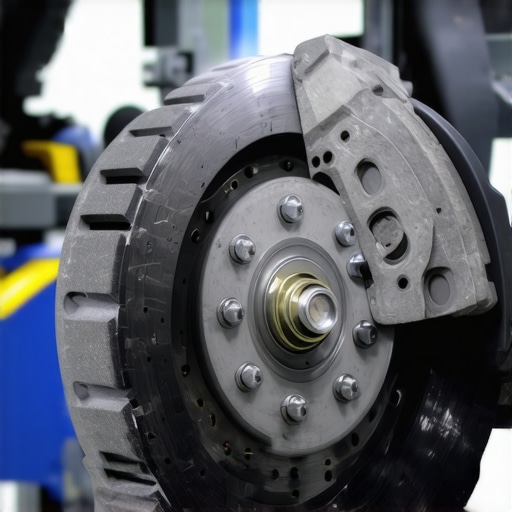
Brakes are your safety lifeline—neglecting them is like ignoring a warning siren. I once ignored squealing brakes, and it led to a compromised system. Use a trusted guide like brake repair tips to inspect brake pads, rotors, and fluid. Check for uneven pad wear, which signals caliper issues. If your brake pedal feels spongy or you notice vibrations, schedule professional service immediately.

Replacing Worn Brake Pads

Remove the wheel and caliper using the proper tools. Then, slide out the old pads and replace them with high-quality parts. Apply brake lubricant to the contact points to prevent squealing. Remember, a quick guide like brake service essentials can ensure you do this effectively. Test the brakes after assembly by pressing firmly and checking for smooth engagement.

Monitor Vehicle Performance Post-Maintenance

After completing oil changes and brake inspections, take the car for a short drive. Listen for unusual noises and feel for vibrations or reduced responsiveness. This is when your sensor data can indicate if you’ve missed something. Use diagnostic tools to verify everything functions optimally. Regularly reviewing auto repair diagnostics tips keeps your vehicle dependable. Remember, proactive maintenance isn’t a one-time event but an ongoing process. Incorporate these steps into your routine to extend your car’s lifespan and ensure safety in every trip.When it comes to auto repair and maintenance, there’s a common belief that sticking to basic routines like oil changes and brake inspections is enough. But “let’s dig deeper”—many car owners unknowingly fall into traps by oversimplifying these procedures. For example, a widespread misconception is that all oils are created equal, leading many to use cheap synthetic oils that do not meet their vehicle’s specific needs. Trust me, the difference in proper oil selection and the correct change interval can significantly extend your engine’s lifespan, as highlighted in detailed guides like effective oil change strategies.

Another nuance overlooked is the complexity of brake systems. Many assume that replacing pads is a straightforward task, but the reality involves understanding rotor conditions, caliper functionality, and hydraulic fluid quality. Ignoring these factors can result in uneven wear or brake failure. An advanced mistake is neglecting to perform vehicle diagnostics before replacing parts—doing so can save time and prevent unnecessary repairs. For expert tips, check out vehicle diagnostics strategies.

What most don’t realize is that frequent, routine checks don’t replace comprehensive diagnostics, especially with modern vehicles equipped with complex electronic systems. Sensors, ECMs, and adaptive systems require specialized tools and knowledge for proper evaluation. Relying solely on visual inspections or ignoring warning lights is a common mistake that can leave critical issues undetected until they escalate.

So, how can you avoid these pitfalls? Staying informed and utilizing advanced diagnostic tools are key. Regularly reviewing resources like auto repair diagnostic tips ensures you’re not missing crucial nuances. Remember, a small investment in knowledge and proper tools now can prevent costly repairs later.

Have you ever fallen into this trap? Let me know in the comments. Let’s keep the conversation going and help each other maintain safe, reliable vehicles.

Building a Toolkit for Long-Term Vehicle Care

Having the right tools is the backbone of effective auto maintenance. Personally, I swear by a quality set of socket wrenches, like the GearWrench 20-Piece Set, because they offer the precision and durability needed for tasks like brake pad replacement or oil pan drain plugs. Investing in a digital multimeter, such as the Fluke 116, has been invaluable for diagnosing electrical issues like sensor faults or alternator problems, saving me countless trips to the mechanic. A reliable IR thermometer can also help detect overheated components early, preventing costly failures. Remember, well-chosen tools not only streamline repairs but also improve safety, especially when working under the vehicle or handling high temperatures.

Embracing Diagnostic Software for Smarter Repairs

In today’s vehicle landscape, onboard computer systems are integral to operation. I utilize a Bluetooth OBD-II scanner like the BlueDriver, paired with their app, to run comprehensive diagnostics directly from my smartphone. This combo allows me to read and clear fault codes, monitor real-time sensor data, and even run emission tests—all at a fraction of the cost of dealership diagnostics systems. For more advanced needs, software like Autel Maxisys provides extensive coverage for a wide range of makes and models, helping me identify issues before they escalate. As vehicle electronics become more sophisticated, mastering diagnostic software is becoming an essential skill for any DIYer aiming for long-term reliability.

Establishing Consistent Maintenance Routines

One key to keeping vehicles running smoothly is sticking to a schedule for oil changes, brake inspections, and diagnostics. I recommend setting reminders using apps like Car Minder Plus, which sync with your calendar, to ensure you never miss a critical service window. Over time, I’ve learned that consistent checks help catch early signs of wear, reducing emergency repairs. Combining routine inspections with digital diagnostics offers the best of both worlds—simple visual checks complemented by precise electronic data. As vehicle systems evolve, integrating these tools into your routine becomes increasingly invaluable for safety and performance.

How do I maintain vehicle diagnostics effectively over time?

It’s vital to stay updated with the latest software versions and repair strategies. Regularly reviewing resources like top vehicle diagnostics strategies ensures you’re aware of new features and troubleshooting techniques. Investing in an OBD-II scanner with automatic updates keeps your diagnostics current, and pairing it with a comprehensive repair manual or digital resource empowers you to handle most issues confidently. Practice using diagnostic tools regularly, even for simple reset functions, so the process becomes second nature when urgent repairs are needed.

If you haven’t already, I recommend trying out the Bluetooth OBD-II scanner I mentioned. Its compatibility and user-friendly interface make a noticeable difference in diagnosing problems early, ultimately saving you time and money. Remember, the more familiar you are with your tools, the more effective your ongoing maintenance efforts will be. For further guidance on keeping your vehicle reliable, exploring detailed resources like auto repair diagnostic tips can elevate your skills.

What I Wish I Knew Before Ignoring Small Issues

One of the hardest lessons I learned was that overlooking seemingly minor maintenance tasks, like neglecting an early warning light or delaying an oil change, can snowball into major repairs. The light for a simple oil change might seem insignificant, but ignoring it can lead to engine wear and costly fixes down the line.

Secondly, I underestimated the importance of quality parts and proper tools. Using subpar brake pads or cheap diagnostics equipment might save money upfront but can compromise safety and longevity. Investing in reputable tools and parts has paid off in better performance and peace of mind.

Third, I realized that modern vehicles demand more proactive diagnostics. Relying solely on visual inspection isn’t enough anymore. Learning to interpret error codes and sensor data early can prevent breakdowns and enhance safety.

Tools and Resources That Changed My Approach

My go-to resources include comprehensive repair guides like top auto repair diagnostic tips which empower me to troubleshoot effectively. I trust high-quality diagnostic tools like the BlueDriver OBD-II scanner for real-time data, helping me identify hidden issues before they escalate.

The vehicle-specific manuals from trusted brands have also been invaluable. They’ve helped me understand the nuances of my car’s brake system and oil requirements, ensuring I follow the right procedures and intervals.

Lastly, online communities and forums provide a wealth of practical advice and shared experiences. Connecting with fellow enthusiasts keeps me motivated and informed about the latest techniques and trends in vehicle maintenance.

Your Move Toward Safer Roads Starts Now

Remember, mastering auto maintenance isn’t about perfection but progress. Every small step you take—whether it’s learning to interpret those diagnostic codes or scheduling a routine brake inspection—builds toward a safer, more reliable vehicle. Embrace the journey, stay curious, and prioritize safety above all.

Have you faced a moment where routine maintenance saved your vehicle or prevented a mishap? Share your story below—your experience might inspire someone else to start their own auto care journey today!

More Details
Jan 1, 2026
Top Vehicle Diagnostics & Auto Repair Tips for 2025 Reliability

It happened on a chilly morning, just when I needed my car the most. I turned the ignition, and instead of the usual purr, I was met with a sluggish crank and an ominous dashboard light flickering. My heart sank. For a moment, I wondered if this little engine hiccup would turn into a costly repair or leave me stranded. That moment of frustration and uncertainty was my lightbulb moment—realizing how critical reliable diagnostics and auto repair tips are for 2025 and beyond.

The Race to Keep Your Vehicle Running Smoothly

In today’s fast-paced world, trusting your vehicle’s health isn’t just about avoiding breakdowns; it’s about ensuring safety, saving money, and gaining peace of mind. Every year, cars become more complex, packed with advanced sensors and electronic systems that demand a smarter approach to maintenance. I’ve learned the hard way that neglecting these nuances can turn simple repairs into expensive headaches. That’s why mastering effective diagnostics and understanding the latest repair strategies are essential skills for every car owner in 2025.

Are Auto Repairs Overhyped or Actually Critical?

Honestly, I once believed I could ignore minor warning signs, thinking they were just quirks. Early on, I made the mistake of ignoring a subtle misfire, which then led to a costly engine overhaul. It was a tough lesson, and I wish I had known then what I know now—proper maintenance and diagnostics can prevent major failures. For a comprehensive guide, you might find this auto repair tips article really helpful.

In this post, I promise to share how you can avoid my pitfalls by focusing on the top vehicle diagnostics and auto repair strategies for 2025. Whether you’re a seasoned DIYer or just want to understand your mechanic better, these tips will empower you to keep your vehicle dependable and safe.

So, if you’ve ever been stuck wondering whether that strange noise or warning light was anything serious, keep reading. I’ll walk you through practical steps to diagnose issues early and get repairs done right the first time. Because trust me, being proactive beats being stranded on the side of the road.

Why Staying Ahead with Diagnostics Matters More Than Ever

Diagnose Issues Like a Pro

Start by familiarizing yourself with your vehicle’s warning lights and unusual sounds. When I faced a strange engine hesitation, I used a basic OBD-II scanner—think of it as a health check-up for your car—connecting it to the port under the dashboard. This simple step revealed a faulty sensor, saving me from costly damage. To do this effectively, refer to this comprehensive diagnostics guide. Regularly scanning for error codes helps catch problems early, much like a doctor spotting symptoms before illness escalates.

Tackle Repairs Systematically

Plan Your Repair Approach

Before jumping into repairs, examine the problem thoroughly. For example, when my brakes squealed unexpectedly, I didn’t just guess the issue—I checked the brake pads, rotors, and brake fluid levels. Think of auto repairs as fixing a bicycle: start by inspecting each component methodically. Use a repair manual or online tutorials from trusted sources to understand each part’s role. Replacing faulty brake pads with guidance from top brake repair tips ensures safety and longevity.

Manage Oil Changes Effectively

An engine without proper oil is like a human without water—performance drops, and damage occurs fast. I learned this by scheduling routine oil changes, which I now see as vital maintenance. During each session, I drained the old oil, replaced the filter, and refilled with fresh lubricant—similar to replenishing your own energy. Using high-quality oil suited for my vehicle, as recommended in this oil change strategy, maximizes engine efficiency. Remember, neglecting this step can lead to engine failure—so stay vigilant.

Integrate Diagnostics into Regular Maintenance

Don’t wait until warning lights flash or breakdowns occur. Instead, adopt a routine diagnostic habit—like visiting your doctor for regular check-ups. I set reminders to scan my car every few months, which uncovered minor sensor glitches early. Think of this as an early-warning system; it helps you schedule repairs proactively, avoiding emergency breakdowns. Make diagnostics a standing part of your maintenance routine by leveraging affordable scanners and online resources from diagnostic tips for reliable cars.

Prioritize Safety in Every Step

Safety isn’t optional—it’s the core reason you should master these repair and diagnostic techniques. Whether replacing a brake system or changing oil, use proper tools and follow safety protocols. When I replaced rotors, I wore gloves and eye protection, viewing it as a vital shield against injury. Access detailed safety strategies at auto repair safety tips. Remember, a safe approach ensures your vehicle remains reliable and your repair experience stays risk-free.

Simplify Repairs with the Right Tools

Invest in quality tools tailored for automotive work—nut drivers, jacks, wrenches, and diagnostic scanners. My old set was inefficient, making repairs messier and longer. Upgrading to professional-grade tools streamlined my work, much like shifting from basic kitchen knives to chef’s quality blades. Use guides and tutorials to understand the tools’ proper use, and always keep manuals handy. This approach reduces errors and boosts confidence in DIY repairs, as emphasized in auto repair tips for 2025.

Keep Learning and Document Your Repairs

The more you learn, the better your vehicle’s health. Maintain a repair log—note dates, issues, parts replaced, and costs. When my car needed another fix, referring to my records helped me understand recurring problems and communicate clearly with mechanics. Consider joining online forums or local car clubs, where enthusiasts share insights. This ongoing education makes you more confident in identifying issues and managing repairs efficiently, echoing advice from vehicle maintenance tips.

Many drivers assume that basic auto maintenance like brake service and oil changes are straightforward tasks or mere chores, but in reality, there’s often a deeper nuance involved that many overlook. A common myth is that as long as the oil looks clean, the engine is fine—yet, this ignores the importance of *effective* oil change strategies that consider oil type, engine condition, and driving habits, which can significantly impact vehicle longevity. For instance, using low-quality or incompatible oils can accelerate wear even if the oil appears clean, emphasizing the need to follow expert-recommended protocols outlined in this oil change guide.

Another misconception revolves around vehicle diagnostics, where many believe that error codes are always correct or fully diagnostic. In my experience, error codes are invaluable as initial indicators, but they can sometimes lead you astray if not interpreted with context. Certain sensors may give false positives, especially in complex electronic systems, which means a systematic, layered approach—cross-referencing live data, visual inspections, and manual checks—is essential. This nuance is often missed by DIYers who rely solely on scanner readouts, a trap I’ve fallen into myself before learning the hard way. An advanced tip is to combine diagnostic tools with knowledge, as explored in this diagnostics strategy article.

When it comes to brake service, a widespread misconception is that replacing pads is all that’s needed, yet the core problem often lies deeper. Hidden issues like warped rotors or compromised brake hydraulics can cause recurring problems, leading to unsafe driving conditions long after visible repairs. Proper brake maintenance in 2025 involves a comprehensive approach—checking rotors, calipers, brake fluid quality, and system pressure. Skipping these steps is an oops that can compromise safety and lead to expensive repairs later, which is why a thorough process is critical. For deeper insights, this brake service guide is highly recommended.

**What about advanced repair mistakes?** For seasoned DIYers or professionals, the biggest trap is relying on outdated procedures or ignoring technological updates. Over the years, vehicle designs have evolved, integrating more active safety systems and electronic controls that require updated diagnostic methods and repair techniques. For example, a technician who only learned traditional brake repair may miss the nuances of electronic ABS calibration, leading to subpar or unsafe repairs. Staying current through reliable sources and continuous learning is crucial—more so than ever in 2025, where automation and electronics dominate automotive design. According to experts, integrating electronic diagnostics with mechanical checks improves accuracy and safety, reinforcing that an advanced, layered approach is vital.

Remember, effective auto repair involves more than just surface fixes—it’s about understanding the layered complexity beneath each part and system. Missing these nuances can turn minor repairs into costly mistakes, or worse, dangerous situations on the road. Have you ever fallen into this trap? Let me know in the comments, and keep probing beneath the surface for truly reliable vehicle maintenance.

Keeping Your Vehicle Running Smoothly for the Long Haul

Maintaining a vehicle over time requires more than just occasional visits to the mechanic. Investing in the right tools and mastering specific techniques can significantly extend your car’s lifespan and reliability. One of my go-to investments has been a high-quality OBD-II scanner. Unlike basic code readers, my trusted diagnostics tool provides real-time data, code descriptions, and can even reset warning lights, saving me trips to the shop. This tool has become an essential part of my maintenance routine, allowing me to catch issues early before they turn into costly repairs.

Another critical equipment I rely on is a digital multimeter. I use it to check sensors, battery health, and wiring continuity. Precision multimeters like the Fluke 117 offer accurate readings, which are invaluable when diagnosing electrical problems. Over time, understanding how to interpret multimeter data empowers me to troubleshoot issues effectively without unnecessary guesswork. As vehicle systems evolve, having reliable diagnostics tools ensures I stay ahead of potential failures.

In addition to hardware, software solutions have become game changers. Programs like OBDeleven or Torque Pro connect via Bluetooth to smartphones, providing detailed vehicle data and diagnostic capabilities at a fraction of dealership costs. These apps continuously update and support a broad range of vehicle makes, making them versatile tools for DIY maintenance enthusiasts.

How do I maintain diagnostic skills over time?

Practicing regularly is key. I schedule quarterly scans of my vehicle, often during routine oil changes linked to oil change intervals. This habit helps me interpret error codes, monitor sensor readings, and spot anomalies early. Additionally, staying informed through online diagnostics guides and engaging with automotive forums keeps my knowledge sharp and current. As vehicle electronics become more complex, continuous learning ensures I don’t fall behind, and I can address emerging issues proactively.

Looking ahead, I predict diagnostic tools will become more integrated with AI, providing real-time analysis and preventative alerts. Imagining a future where your car’s diagnostic system predicts failures before they happen excites me—making maintenance even more about prevention rather than repair.

I highly recommend trying out a **professional-grade OBD-II scanner** this year. It’s a game changer for diagnosing problems early and saving money on repairs. Regular use of this tool, combined with proper maintenance techniques, ensures your vehicle remains reliable for years. Remember, investing in quality equipment and developing consistent diagnostic habits is the best way to keep your car in top shape long-term.

Steps I Wish I Took Sooner in Vehicle Maintenance

  • One of my most eye-opening moments was realizing how crucial regular diagnostics are, not just reactive repairs. By consistently scanning my car, I detected a slow sensor decline before it caused a breakdown, saving me hundreds. If I’d known earlier, I could have avoided many unnecessary repairs and kept my vehicle in top shape.
  • Another lesson learned was the importance of comprehensive brake inspections. Assuming new pads meant safe brakes was a mistake. Deep dives into rotor condition and hydraulic systems revealed hidden issues that could have compromised safety. It’s clear that thoroughness pays off in vehicle safety and longevity.
  • Finally, I underestimated the value of quality tools. Investing in a high-grade diagnostic scanner and precision tools transformed my DIY repairs from guesswork into confident, reliable work. This shift underscored how the right equipment can empower you to handle problems proactively, rather than simply react to warning lights.

Tools and Resources I Trust to Keep My Car Healthy

  • OBD-II Scanner: My trusty diagnostic tool, offering real-time data and error code interpretation. It has been a game changer, providing insights without a trip to the mechanic, and is featured in this diagnostics guide.
  • Digital Multimeter: Essential for electrical troubleshooting, I rely on a reliable multimeter to confirm sensor signals and wiring integrity. Brands like Fluke have proven dependable, making electrical checks straightforward and accurate.
  • Online Tutorials and Forums: Engaging with dedicated auto repair communities and credible online guides has expanded my understanding. Sites linked in this article, like repair tips, complement hands-on practice.

Fuel Your Drive with Action and Confidence

Taking control of your vehicle’s health is empowering and can save you stress and money. The key is consistent learning, understanding your car’s systems, and using the right tools. Whether it’s doing a routine oil change or diagnosing complex electronic issues, each step builds confidence and ensures safety. Remember, the more you invest in your knowledge and equipment now, the fewer surprises you’ll face on the road ahead. So go ahead—start today, and make your vehicle maintenance a fulfilling journey rather than a daunting chore. What’s the first repair or diagnostic step you plan to tackle? Share below, and let’s learn together.

More Details
Dec 31, 2025
Ultimate Oil Change & Vehicle Diagnostics Guide for 2025 Reliable Cars

I remember the moment vividly—stuck on the side of the road, engine sputtering, and that sinking feeling in my stomach. After years of neglecting routine maintenance, I found myself face-to-face with a costly repair that could have been easily prevented. It was a wake-up call that changed how I approached vehicle care forever.

In my hustle to keep up with daily life, I used to think that oil changes and diagnostics were chores best left to the professionals—expensive, confusing, and ultimately optional. But after that stressful experience, I realized that a little knowledge goes a long way. Today, I want to share with you what I’ve learned about managing your vehicle’s health confidently, especially with the trusted guidance of resources like the [Ultimate Guide to Oil Change & Vehicle Diagnostics for Reliable Cars 2025](https://repairmycarpro.com/ultimate-guide-to-oil-change-vehicle-diagnostics-for-reliable-cars-2025).

Imagine knowing exactly when and how to perform basic maintenance, avoiding unexpected breakdowns, and saving money. Doesn’t that sound like a relief? Well, it’s entirely possible once you understand the essentials and learn to spot early warning signs.

According to recent studies, neglecting routine vehicle checks can lead to significant safety risks and higher repair costs—some estimates suggest that over 70% of breakdowns are preventable with proper maintenance (source: AAA Foundation for Traffic Safety). That’s a compelling reason to take control.

Now, I know what you might be thinking—‘Is all this really worth the effort?’ That’s a fair question, especially given the fear of making mistakes or getting overwhelmed. Well, I’ve been there, and early in my journey, I made a costly mistake: I ignored strange noises and warning lights, assuming they would just go away. Spoiler alert: they didn’t. But by learning from my errors and tapping into expert advice, I turned those challenges into opportunities for confidence and savings.

So, are you ready to overcome the fear and start treating your vehicle like the reliable partner it’s meant to be? Let’s dive into the practical steps you can take to master oil changes and diagnostics, ensuring your car stays safe, efficient, and long-lasting in 2025 and beyond.

Prepare Your Workspace for Success

Start by clearing a flat, well-lit area where you can comfortably access your vehicle’s underside and engine bay. Gather all necessary tools—socket wrenches, screwdrivers, oil catch pan, funnel, and diagnostic scanner—before beginning. An organized setup minimizes frustration and saves time during your maintenance session.

Drain Old Oil Effectively

Locate the drain plug under your car, usually at the bottom of the oil pan. Position your catch pan directly beneath it. Use the socket wrench to loosen the drain plug slowly—think of it like releasing a bottleneck—to let the used oil flow out smoothly. Remember, safety first: wear gloves and eyewear to avoid contact with hot oil or splashes.

Micro-Story: I once rushed this step without proper tools, causing a small spill. Now, I always ensure my tools are ready and the vehicle is securely elevated, preventing messes and accidents.

Replace the Oil Filter with Precision

Locate the oil filter—often a canister or cartridge type. Use an oil filter wrench to loosen it carefully. Before installing the new filter, apply a thin layer of fresh oil to the gasket to ensure a proper seal. Screw the new filter in by hand first; then tighten it snugly without overdoing it, avoiding leaks that can mimic complex engine issues.

Refill with Fresh Oil and Verify

Consult your vehicle’s manual for the correct oil type and quantity. Insert the funnel into the fill port and pour in the new oil steadily, avoiding spills. Turn on the engine and let it run for a few minutes to circulate the new oil. Then, turn off the engine, wait a couple of minutes, and check the oil level with the dipstick. Top off as needed, aiming for the optimal level marked.

Harness the Power of Diagnostics

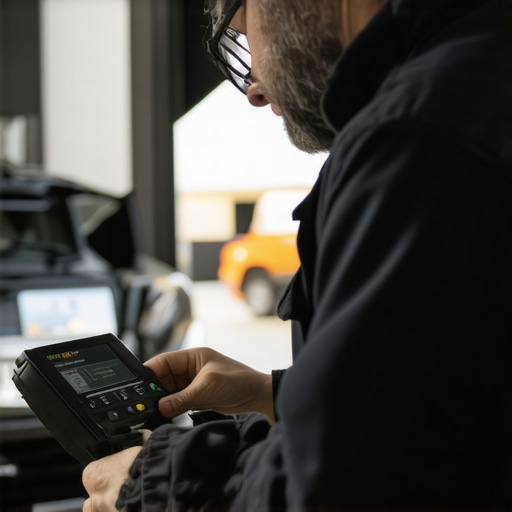
Connect a reliable diagnostic scanner—like those described in the auto repair diagnostic tips—to your vehicle’s OBD-II port. Turn on the ignition; the scanner will read error codes and live data streams. Think of diagnostics as a health check-up for your car—pinpointing issues before they escalate. I once used a diagnostic tool to identify a faulty sensor, saving hundreds on unnecessary repairs.

Image: A competent diagnostic scanner reading car data, illustrating the tools used for effective car health monitoring.

Interpret and Take Action on Error Codes

Study the codes provided by your scanner. Look them up using credible resources or the ultimate guide to diagnostics. For instance, codes indicating oxygen sensor issues might cause poor fuel economy and rough idling. Address these promptly—either through DIY fixes if you’re comfortable or by consulting a professional. Regular diagnostics keep you ahead of major breakdowns.

Set a Routine for Maintenance and Checks

Schedule oil changes based on your driving habits—more frequent if you do severe driving. Incorporate diagnostics every 3-6 months or whenever the dashboard lights up. Consider keeping a maintenance log, similar to a health journal, to track repairs, oil changes, and diagnostics. Consistency ensures your vehicle remains dependable and safe on every trip.

Most car owners are under the misconception that routine maintenance like brake service, oil changes, and diagnostics are straightforward tasks that require minimal expertise. However, diving into these areas reveals nuanced complexities and common myths that can lead even seasoned DIY enthusiasts astray. Let’s challenge some of these misconceptions and explore the critical nuances often overlooked.

One prevalent myth is that a simple oil change or brake pad replacement suffices for vehicle safety and longevity. In reality, the quality of the components used and the precision of the installation matter significantly. For instance, many overlook the importance of thoroughly inspecting brake calipers, rotors, and brake fluid condition during a brake service. According to expert guidance from best brake service tips, neglecting these nuances can lead to uneven wear or brake failure, which isn’t immediately apparent to the untrained eye.

Furthermore, the ‘DIY is always cheaper and better’ mindset can backfire. While basic maintenance is achievable with proper instruction, advanced diagnostics require specialized tools. Relying solely on generic scanners may cause you to miss hidden faults—like subtle sensor failures—leading to costly repairs down the line. An expert on diagnostics emphasizes that understanding error codes and interpreting live data demands experience and high-quality diagnostic equipment.

What Should Advanced Car Owners Pay Attention To Beyond Basic Repair?

Beyond the usual checks, paying attention to subtle signs such as slight pulsing during braking or irregular engine idling can be indicators of underlying issues. These symptoms often get dismissed but can be early warnings of warped rotors or failing sensors. Invest in a reliable vehicle diagnostic tool and learn to interpret the data for timely maintenance. This proactive approach can save a significant amount of money and enhance safety.

Recognizing the difference between superficial fixes and truly diagnosing potential failures is where expert knowledge shines. Contrary to popular belief, not all repairs are created equal; precision and understanding matter more than effort alone. For a detailed deep dive into what often goes wrong unnoticed, check out top auto repair tips.

Have you ever fallen into this trap? Let me know in the comments.

Mechanic examining brake components closely, emphasizing attention to detail

Investing in Reliable Tools for Ongoing Maintenance

To truly master vehicle upkeep, I rely on a select set of tools that offer precision and durability. My go-to diagnostic device is the advanced OBD-II scanner. Unlike generic models, this scanner provides comprehensive real-time data, allowing me to identify developing issues like sensor malfunctions before they lead to costly repairs. Additionally, I swear by a high-quality cordless impact wrench, which drastically speeds up tasks like brake pad replacement, ensuring I get it right the first time rather than rushing through. Using the right equipment not only saves time but also reduces the risk of mistakes, which is crucial for long-term vehicle health.

Employing Smart Maintenance Strategies for Longevity

Beyond hardware, software tools play an essential role in proactive vehicle management. For instance, setting reminders with maintenance log apps helps me stay on top of fluid changes and inspections. I also regularly consult trusted online resources—like the ultimate guide to auto maintenance—to refine my approach based on the latest expert insights. This habit ensures I can spot issues early, reducing downtime and expenses. In the future, I predict that vehicle diagnostics will become increasingly AI-driven, allowing even more precise maintenance scheduling and issue prediction, making it easier for owners to keep their cars running smoothly without guesswork.

How do I maintain vehicle health over time? The key is consistency—regular diagnostics combined with quality parts and proper procedures. For example, I perform brake inspections every 10,000 miles, checking rotors, pads, and fluid levels, guided by the latest expert techniques available in the top auto-repair tips. This diligent approach pays off by preventing small problems from escalating.

If you’re ready to upgrade your maintenance game, I highly recommend trying out the advanced diagnostic tools. They’re surprisingly user-friendly and can save you hundreds by catching issues early. Remember, the best vehicle care combines reliable tools with disciplined routines—set yourself up for long-term success today.

What I Didn’t Expect About Vehicle Care

The biggest lesson I learned about vehicle maintenance isn’t just about the technical steps but understanding that proactive habits can drastically change your driving experience. I realized that investing a little extra time into diagnostics and quality parts often saves more money and stress in the long run—it’s like giving your car a regular health check-up. Moreover, I discovered that relying solely on beginner tools or skipping routine checks can lead to overlooking subtle warning signs that could turn into costly repairs. This insight transformed my approach from reactive to preventative, ensuring my vehicle’s reliability and safety.

Tools and Resources That Transformed My Maintenance Routine

One resource I can’t recommend enough is the Ultimate Guide to Oil Change & Vehicle Diagnostics for Reliable Cars 2025. It provided me with actionable tips personalized for my car’s needs. My diagnostic scanner, a high-quality OBD-II device, has been a game-changer, revealing hidden issues long before dashboard warning lights turn on. Additionally, a reliable set of basic hand tools and a maintenance app helped me stay organized and consistent. These resources and tools turned maintenance from a dreaded chore into a manageable, even satisfying routine that keeps my vehicle performing optimally.

Seize the Moment: Keep Your Vehicle in Top Shape

Remember, every journey begins with a small step—regular checks, quality parts, and the right tools build the foundation of a reliable vehicle. Don’t wait for signs of trouble to act. Start integrating diagnostics into your routine today, and you’ll enjoy safer, smoother rides while saving money. Your vehicle isn’t just a machine; it’s a trusted partner that deserves your care. Are you ready to take control and elevate your auto maintenance skills? Share your experiences or questions below—I’d love to hear how you’re making your vehicle last longer and perform better.

,

More Details
Dec 31, 2025
Top Brake Service & Auto Repair Tips for Safer 2025 Driving

It was a chilly morning, and I was casually cruising down the highway when suddenly, my brakes felt spongy. Panic set in as I realized I was inching closer to the vehicle in front of me, unsure if they’d respond when I needed them most. That lightbulb moment—where I understood that my safety depended on more than just routine maintenance—still echoes in my mind today.

The Power of Trusting Your Vehicle’s Brakes

Knowing that your brakes are reliable isn’t just about avoiding annoying squeaks or squeals; it’s the difference between a smooth ride and a potential disaster. As road conditions become more unpredictable with each passing year, staying ahead with top-tier brake service is more crucial than ever. In 2025, ensuring your vehicle’s braking system is at its best isn’t just a safety tip—it’s a necessity.

Have you ever experienced a sudden brake failure or felt unsure whether your stopping power was enough? If so, you’re not alone. I used to ignore those subtle signs—like a soft pedal or a faint grinding noise—but I learned the hard way that preventive care is what truly keeps us safe out there.

For a comprehensive approach, I recommend exploring strategies outlined in top brake service tips for 2025 vehicle safety. These insights will help you understand what to look out for and how to maintain your brakes effectively.

Let’s dig into why skipping proper brake service can pose serious risks, and how routine checks and maintenance can save you heartache and expenses down the line. After all, being proactive today ensures a safer drive tomorrow.

Start with a Thorough Visual Inspection

Regularly examine your brake pads, rotors, and fluid levels. During my last service, I pulled into my driveway, grabbed a flashlight, and carefully inspected the brake pads, noticing some wear. Replacing worn pads early prevented more costly repairs. Use a flashlight to check for obvious signs of damage or uneven wear. If unsure, consult a professional or watch tutorials on proper brake inspection techniques.

Implement Routine Brake Fluid Changes

Replacing brake fluid is crucial for optimal brake performance. I made a note in my calendar: every two years, I drain and refill the brake fluid. Think of brake fluid like engine oil—clogged or old fluid reduces braking efficiency. To do this yourself, locate the brake reservoir, remove the cap, and use a syringe or turkey baster to swap out old fluid for fresh. Consult your vehicle’s manual or expert guides for specific steps.

Check Brake System Components with Diagnostics Tools

Using diagnostic tools reveals hidden issues. I once borrowed an OBD-II scanner, connected it to my car, and retrieved error codes indicating worn calipers. Think of diagnostics as a health check-up—spotting problems before breakdowns occur. For reliable results, invest in quality scanners or visit a mechanic who uses advanced diagnostics like recommended diagnostic methods.

Replace or Resurface Brake Rotors Carefully

Warped rotors compromise stopping power. I learned this when my car started vibrating every time I pressed the brake pedal. Replacing rotors or having them resurfaced fixed the issue. When replacing, ensure the rotors are compatible with your car model. For a precise job, consider professional machining, but if you have the tools, follow detailed guides available on reliable rotor repair tips.

Prioritize Regular Brake Pad Replacement

Worn pads reduce braking effectiveness. I replaced mine when I heard a squealing noise, preventing damage to the rotors. The process involves removing the wheel, compressing the piston, and installing new pads—relatively straightforward with proper tools. Always check the manufacturer’s specifications for pad thickness. Staying ahead of wear extends your brake system’s lifespan and maintains safety, as emphasized in top brake service recommendations.

Stay Updated with Vehicle-Specific Repair Guides

Every car has quirks. I consult manuals and trusted online resources for my vehicle. For example, my model requires specific torque settings when installing brake calipers. Using accurate repair guides ensures safety and efficiency. Access detailed procedures at auto repair essentials.

Many car owners operate under assumptions about oil changes, auto repairs, diagnostics, and brake service that can lead to costly mistakes. Let’s take a closer look at some of these misconceptions, the hidden nuances, and how to avoid falling into traps that even experienced drivers sometimes miss.

Why Relying Solely on Mileage Milestones Can Be a Mistake

Everyone hears that oil should be changed every 3,000 miles, but in reality, modern synthetic oils often last much longer, sometimes up to 7,500 miles or more, depending on driving conditions. Rigid adherence to mileage can prompt unnecessary changes, wasting money and resources. Instead, pay attention to oil quality and check your oil’s appearance regularly—if it’s dark and gritty, it’s time for a change regardless of mileage. For tailored advice, explore these expert oil change strategies that emphasize actual oil condition over arbitrary intervals.

The Danger of Overlooking Small Diagnostic Signs

Many assume that if their car runs smoothly, everything is fine. This is a dangerous misconception. Subtle errors like minor error codes or slight changes in drive feel can indicate upcoming problems. Advanced diagnostic tools often reveal issues that basic checks miss. Neglecting these signs can escalate minor faults into major repairs. Regularly consulting comprehensive diagnostic guides can help you spot issues early; for instance, these diagnostics tips offer deeper insights into proactive detection.

Getting Brake Service Wrong: More Than Just Pads

Many think that replacing brake pads is always sufficient. However, neglecting rotor resurfacing or replacement when needed can compromise safety. Warped rotors not only cause vibrations but can also reduce braking efficiency without obvious signs. Moreover, using substandard brake fluid can lead to brake fade during emergency stops. The nuance lies in comprehensive brake system care—routine inspections, correct fluid changes, and sometimes resurfacing or replacing rotors—an approach covered in these brake service tips. Don’t fall for the myth that brake work is just about pads; it’s about the entire system functioning harmoniously.

Are You Sending Your Vehicle to a Specialist or an All-Rounder?

Many drivers are tempted to save costs by visiting quick-lube shops or general repair outlets for complex diagnostics and repairs. However, these quick fixes often overlook the nuances that only specialized technicians can detect. Skilled auto diagnostics involve not just scanning for error codes but understanding the vehicle’s unique behaviors and history. This expertise can prevent preventable breakdowns, especially as vehicles grow more sophisticated. Investing in reliable, specialized auto repair ensures you’re not just patching problems but solving root causes, making your journey safer and more cost-effective. For strategic insights, see these auto repair diagnostics strategies.

Have you ever fallen into this trap? Let me know in the comments. Knowing these hidden nuances helps us all make smarter, safer choices on the road.Maintaining your vehicle’s performance requires more than just routine checks; it involves investing in the right tools and adopting proven strategies that ensure longevity and reliability. I personally recommend using a high-quality OBD-II scanner like the BlueDriver or FIXD for real-time diagnostics, as they allow me to quickly identify potential issues before they escalate. These devices connect seamlessly to your smartphone, providing detailed error codes and repair suggestions, which I find invaluable for proactive maintenance.

Beyond diagnostics, having a set of precision tools such as a torque wrench ensures that parts like brake calipers and wheel bolts are tightened to manufacturer specifications, preventing uneven wear and potential failures. I use a digital torque wrench from Tekton because it offers accurate readings and durability, critical for delicate tasks like replacing brake pads or adjusting suspension components.

Adopting a disciplined approach to routine maintenance, like scheduled oil changes using synthetic oils, prolongs engine health. For this, I rely on quality oil analyzers to monitor oil condition, which helps me determine the optimal time for changes rather than following strict mileage intervals. This method aligns with the latest recommendations found in expert strategies for oil management in 2025.

Implementing vehicle diagnostics regularly, especially with advanced software like AutoEnginuity, allows me to scan for hidden faults that may not trigger dashboard warnings but could affect long-term performance. These tools also assist in calibrating sensors and systems after repairs, ensuring everything functions harmoniously. I suggest car owners consider investing in such diagnostic software, as it can significantly reduce unexpected breakdowns and repair costs.

When it comes to brake maintenance, resurfacing or replacing rotors with precision-machined parts has saved me from vibrations and loss of braking efficiency. Always ensure your rotors are compatible with your vehicle model; using OEM parts is my preferred choice for reliability. As vehicle technology advances, aligning your tools with contemporary standards becomes crucial, especially with the increasing integration of electronic brake systems.

The future of vehicle maintenance points toward integrated systems that leverage IoT connectivity, providing remote diagnostics and maintenance alerts directly to your device. Embracing these innovations now can give you a significant edge in managing your vehicle’s health, as discussed in top diagnostic tips for 2025.

To elevate your vehicle care routine, I encourage trying an advanced diagnostic scan weekly. This proactive step can catch issues early, saving money and enhancing safety. Remember, the right tools combined with disciplined maintenance are your best allies to keep your vehicle running smoothly in the long run.

What Tough Lessons Taught Me About Brake Maintenance and Vehicle Care

One of the hardest truths I uncovered was that ignoring subtle warning signs—like a slight decline in brake responsiveness—can lead to costly repairs or dangerous failures. The lightbulb moment came when I realized that proactive measures and continuous learning are essential, even for seasoned DIY enthusiasts, to keep vehicles safe and reliable.

Another lesson was the importance of investing in reliable diagnostic tools. Relying solely on garage visits without understanding the underlying alerts can be a trap. Over time, I discovered that mastering basic diagnostics empowered me to catch issues early and avoid unnecessary expenses, reinforcing the value of proper tools and knowledge.

Lastly, I learned that complacency with routine maintenance—like neglecting brake fluid changes or rotor inspections—can compromise safety. Staying informed through trusted resources and staying ahead of wear signs requires discipline, but the peace of mind it offers is priceless.

Tools and Resources That Keep My Vehicle Running Smoothly

For anyone serious about vehicle care, I recommend investing in a high-quality OBD-II scanner like BlueDriver, which provides detailed error codes and repair suggestions. It’s trustworthy because I’ve seen it save me from breakdowns by catching issues early.

Having a precision torque wrench from Tekton has been a game-changer during brake jobs, ensuring components are tightened to manufacturer specs, reducing the risk of uneven wear or failure. These tools are reliable because they deliver consistent, accurate results, crucial for safety-critical repairs.

In addition, I trust comprehensive repair guides from auto repair essentials and vehicle-specific manuals. They have helped me understand my car’s quirks and avoid pitfalls that often trip up DIY repairs, reinforcing proper technique and safety.

Drive Smarter, Not Just Safer—Your Next Step Matters

The journey to mastering vehicle maintenance isn’t overnight, but embracing proactive habits transforms your driving experience. With the right tools and insights, you’ll improve safety, extend your vehicle’s lifespan, and gain confidence behind the wheel. Remember, each small effort today pays dividends in reliability tomorrow.

What’s the one vehicle maintenance task you’ve been hesitating to tackle? Drop your thoughts below, and let’s learn together.

More Details
Dec 30, 2025
Top Brake System Repair Tips for Safer Driving in 2025

Ever had that heart-stopping moment when your brakes squeal loudly, and suddenly you realize you might not stop in time? I remember the first time I ignored that faint grinding noise. It felt like a small warning sign, but I shrugged it off, thinking it was just dust or worn-out pads. Boy, was I wrong. That tiny signal turned into a full-blown brake failure, and I learned my lesson the hard way. Since then, I’ve become obsessed with understanding the ins and outs of brake maintenance — not just for my peace of mind but for everyone’s safety on the road.

Why Proper Brake Maintenance is More Critical Than Ever

In 2025, the roads are busier and more unpredictable than ever. Advances in vehicle technology have made driving safer, but only if your brakes are in top shape. According to a recent study by the National Highway Traffic Safety Administration, faulty brakes are a leading cause of accidents, especially as vehicles become more complex. That lightbulb moment made me realize: if I want to keep myself and my loved ones safe, I need to master the art of brake care.

But here’s the thing — knowing what to do is only half the battle. The real challenge is knowing when and how to do it without turning your garage into a mechanic’s workshop. That’s where I want to help. Today, I’ll share some proven tips that will make your brake system reliable and your driving safer, all in a way that’s manageable for the everyday driver.

Is Regular Brake Service Overkill or Essential?

Many folks dismiss routine brake checks as optional. I used to think that way, too. I mistakenly believed I could wait until the brakes squealed or, worse, failed completely. My early mistake? Ignoring that tiny, almost-silent squeak that started during chilly mornings. It was a sign my brake pads were wearing thin. If I had caught it early, I could have avoided the costly repairs. Trust me, preventative maintenance isn’t just a good idea — it’s a necessity. Regular inspections and timely replacements can save you from dangerous driving situations and hefty bills. For a comprehensive guide, check out these brake service tips.

Have you ever faced a sudden brake issue that caught you off guard? If so, you’re not alone. But with a little knowledge and proactive care, you can avoid those stressful, last-minute repairs. Now, let’s dive into the practical steps to keep your brakes in tip-top shape and ensure safer driving in 2025.

Inspect Your Brake Pads Regularly

Start by visually checking your brake pads every 10,000 miles or whenever you notice a squeal. Look for a pad thickness less than 3mm; if it’s thinner, it’s time for replacement. I remember one chilly morning when I ignored a faint squeak that appeared during my commute. By the time I reached my destination, the brake pad had worn down so much that it caused metal-to-metal contact, leading to costly repairs. Regular inspections can prevent this scenario and save you money.

Use a Flashlight and a Mirror

Park your vehicle on a level surface, engage the parking brake, and look through the wheel spokes with a flashlight or mirror. This simple check can reveal uneven wear or debris lodged between the pad and rotor. When I first did this, I found a tiny stone stuck in the caliper — removing it restored proper brake function and avoided a potential brake squeal.

Check Brake Fluid Levels and Quality

Maintaining proper brake fluid is crucial. Find the master cylinder reservoir—usually located near the engine, marked with a brake symbol—and ensure the fluid is between the “min” and “max” lines. If the fluid looks dark or contaminated, it’s time for an oil change or brake system flush. I once used a brake fluid tester, which revealed moisture content that could cause brake failure. Replacing contaminated fluid improved braking feel and safety.

Flush Brake Fluid Every 2 Years

Flushing brake fluid involves draining old fluid and replacing it with fresh, high-quality brake oil. This process can be complex, but a DIY guide or professional help ensures it’s done correctly. Proper fluid maintenance prevents corrosion within the brake system and preserves braking performance, especially as brake fluid absorbs moisture over time.

Calibrate and Test Brake System

After replacing pads or fluid, test your brakes in a safe, open area. Press the pedal firmly and listen for any unusual noises like squealing or grinding. If the pedal feels soft or sinks to the floor, it indicates air in the lines, requiring bleeding of the brake system. I once experienced a soft pedal after a brake pad change; bleeding the brakes restored proper firmness and stopping power.

Bleed Brakes to Remove Air Bubbles

Using a brake bleeding kit, connect a clear hose to the caliper’s bleeder valve, open it slightly, and have an assistant press the brake pedal slowly. This pushes out trapped air, which can cause spongy brakes. Proper bleeding ensures optimal hydraulic pressure and consistent braking response.

Monitor Brake Performance During Regular Driving

Stay alert for signs like reduced braking responsiveness, vibrations, or pulling to one side. These symptoms often indicate uneven wear or rotor issues. During my last road trip, I noticed a slight vibration when braking from high speeds. A quick inspection revealed warped rotors, which I replaced to restore safety and comfort.

Remember, proactive brake maintenance is your best defense against accidents. Regular inspections, fluid care, and timely replacements keep your vehicle safe and reliable on the road. For detailed procedures and expert tips, visit these brake service tips.

Many car owners walk into repair shops with misconceptions that can cost them time and money. One prevalent myth is that all oil changes are the same, but in reality, not all oils are created equal. Synthetic oils, for example, offer better protection and longevity, especially in extreme temperatures, compared to conventional oils. Relying solely on the 3,000-mile rule without considering your vehicle’s specific needs can lead to unnecessary expenses or, worse, engine damage. For detailed strategies, check out these oil change tips.

Similarly, many believe that brake service is just about replacing pads when they wear out. However, neglecting the rotor condition, caliper functionality, and brake fluid health can undermine safety. A common trap is waiting for a squeal to prompt inspection, but by then, you might already be facing warped rotors or compromised hydraulics. Regular, comprehensive brake diagnostics can prevent these issues. For advanced insights, see these brake diagnostics tips.

Vehicle diagnostics are often misunderstood as only necessary when something goes wrong. But modern cars are equipped with complex sensors that continuously monitor performance. Ignoring dashboard warning lights or failing to run regular diagnostics can leave you blind to issues like misfiring cylinders or fuel system problems. A savvy owner uses diagnostic tools proactively, saving money and avoiding breakdowns. Learn more at these diagnostic strategies.

What Advanced Car Diagnostics Can Reveal Hidden Problems Before They Escalate

Many assume that a car’s check engine light only indicates a minor issue. But in reality, it can be a sign of serious problems like catalytic converter failure or transmission issues, which need urgent attention. Modern diagnostic tools can detect subtle shifts in sensor readings and engine parameters, revealing underlying problems that traditional inspections might miss. This proactive approach is essential for maintaining vehicle reliability and safety. For more on sophisticated diagnostics, visit these expert tips.

Remember, being aware of these hidden nuances and avoiding common traps can extend your vehicle’s lifespan, improve safety, and save you money. Don’t fall into the trap of thinking auto repair is just about quick fixes—think of it as a strategic process. Have you ever fallen into this trap? Let me know in the comments.

Keeping your vehicle in top condition over the years requires more than just knowing what needs fixing. It involves having the right tools, understanding their purpose, and applying effective methods that ensure durability and safety. From oil changes to brake repairs and diagnostics, investing in quality equipment and mastering proper procedures makes all the difference in maintaining reliability and saving money.

Why Investing in Quality Tools Pays Off

Personally, I recommend starting with a reliable digital multimeter. I use a Fluke 115 because of its accuracy and durability, especially when diagnosing electrical issues or checking sensor outputs during vehicle diagnostics. It saves me time and ensures I get precise readings, which is critical for troubleshooting complex systems. For brake service, a professional-grade brake caliper piston tool kit is essential. It allows me to retract pistons smoothly without damaging rubber boots, ensuring a proper fit when installing new pads.

Another invaluable piece of equipment is a dedicated brake fluid tester. This small device quickly assesses moisture levels in brake fluid, helping me decide when a flush is necessary—typically every two years, as recommended by experts. Using quality tools like these not only extends the lifespan of vehicle components but also provides peace of mind knowing that repairs and maintenance are performed correctly.

Embracing Advanced Diagnostics for Future-Proof Maintenance

Modern vehicles come equipped with sophisticated sensors and electronic control units. I rely on a high-quality OBD-II scanner, such as the BlueDriver, which offers detailed insights into engine performance and potential trouble codes. This device is a game-changer, allowing me to diagnose issues early before they escalate into costly repairs. As vehicle technology advances, integrating these diagnostic tools into your routine becomes crucial for proactive maintenance.

Looking ahead, I predict that vehicle diagnostics will become even more integrated with AI-driven software, providing real-time alerts and predictive maintenance recommendations. Staying ahead of this curve by investing in the latest tools today ensures your vehicle remains reliable and safe for the long haul.

How do I maintain my tools over time?

Proper maintenance of your tools is vital for their longevity and accuracy. Regularly clean and store them in a dry, organized toolbox to prevent corrosion and damage. Calibrate electronic testers annually and replace worn-out bits and adapters promptly. For digital devices, keep firmware updated and review manufacturer guidelines for care. Doing so guarantees your tools perform reliably when you need them most and helps avoid unnecessary repairs or replacements.

Finally, I encourage you to try calibrating your brake fluid tester or updating your diagnostic software this month. Small proactive steps like these can significantly enhance your vehicle’s safety and performance, saving you money and stress in the future. For more in-depth advice on maintaining your diagnostic equipment, check out these diagnostic strategies.

The Hardest Lesson I Learned About Auto Repair, Oil Change, Brake Service, Vehicle Diagnostics

One of my most eye-opening experiences was realizing that ignoring the subtle signs of brake wear can lead to costly and dangerous failures. I once dismissed a faint squeal, thinking it was just dust, only to find my brake pads were critically worn, forcing me into emergency repairs. Now, I know that paying attention to these small signals not only saves money but also could save lives. That lesson taught me to prioritize regular inspections and trust my intuition when it comes to vehicle health.

3 Myths About Auto Repair, Oil Change, Brake Service, Vehicle Diagnostics That Held Me Back

Initially, I believed that all brake pads are created equal and that a quick oil change every 3,000 miles was sufficient. Over time, I learned that synthetic oils provide better protection, especially in extreme temperatures, and that comprehensive brake diagnostics reveal hidden issues like warped rotors or caliper problems. Busting these myths helped me avoid unnecessary expenses and gave me confidence in performing proactive maintenance, which is crucial for reliable driving in 2025.

What Experts Won’t Tell You About Auto Repair, Oil Change, Brake Service, Vehicle Diagnostics

Many professionals keep quiet about the importance of investing in quality diagnostic tools. For instance, a reliable digital multimeter like the Fluke 115 can accurately diagnose electrical issues that might otherwise be overlooked. Using a dedicated brake fluid tester or an advanced OBD-II scanner such as BlueDriver can uncover problems early, preventing breakdowns and ensuring safety. These behind-the-scenes insights have transformed my approach from reactive repairs to proactive maintenance, making every dollar spent more effective.

Curated Recommendations for Safer, Smarter Vehicle Maintenance

My Essential Toolkit for Vehicle Safety includes a Fluke 115 multimeter for electrical diagnostics, a professional-grade brake caliper piston tool kit for smooth repairs, and a high-quality brake fluid tester to monitor fluid health. Additionally, an OBD-II scanner like BlueDriver provides detailed engine insights that help catch issues early. I trust these tools because they have consistently delivered accurate, reliable results, saving me time and money while enhancing safety. For in-depth guidance, I recommend exploring these brake service tips and other expert resources.

Your Turn to Try Making a Difference in Your Vehicle’s Safety

Taking control of your auto repair and maintenance might seem daunting at first, but with the right tools and knowledge, you can significantly improve your vehicle’s reliability and safety. Remember, proactive care is your best defense against unexpected failures. Start incorporating regular inspections, invest in quality diagnostic equipment, and stay informed about the latest maintenance strategies. The road to safer driving begins with you today—don’t wait until it’s too late.

What’s the first step you’re planning to take toward better brake care or vehicle diagnostics? Share your thoughts below!

,

More Details
Dec 30, 2025
Auto Repair: Ultimate Guide to Boost Vehicle Reliability in 2025

Ever had that sinking feeling when your car sputters unexpectedly on the highway or refuses to start on a cold morning? I definitely have. There was a time I ignored small warning signs, thinking they’d go away. Spoiler alert: they didn’t. That light on my dashboard turned into a major repair bill I wasn’t prepared for. It was a lightbulb moment for me—realizing that proactive maintenance isn’t just a good idea, it’s essential for reliable driving. And in 2025, with newer car tech and more complex systems, staying ahead of problems is more crucial than ever.

Why Vehicle Reliability Matters More Than Ever

With the rise of smart car systems and more sophisticated components, a breakdown can be more than just an inconvenience—it can be dangerous or costly. Early on, I made the mistake of neglecting routine oil changes and brake inspections, which eventually led to expensive repairs. According to a study by AAA, regular maintenance can save you hundreds of dollars annually and significantly extend your vehicle’s lifespan. That’s why I’m sharing what I’ve learned over years of tinkering and fixing cars—so you don’t have to face unexpected failures.

Is Auto Repair in 2025 Overhyped or Necessary?

I used to think high-tech diagnostics and advanced repair strategies were just fancy trends. My mistake? I ignored the importance of proper diagnostics and maintenance, which only made problems worse. Now I know that investing in quality diagnostics and routine service isn’t just hype; it’s a smart move to keep your car reliable longer. Want to make sure your vehicle stays dependable? Let’s dive into the key strategies that will make 2025 your most trouble-free driving year yet. Want to see how these tips work in action? Check out effective [oil change and brake service strategies for safer driving in 2025](https://repairmycarpro.com/effective-oil-change-brake-service-strategies-for-safer-driving-2025-4) for starters. Stay tuned, because the practical steps I’ll share next can save you big time.

Start with a Solid Oil Change Routine

In my experience, the first step to a reliable vehicle is maintaining clean, fresh oil. Think of oil as the bloodstream of your car—it lubricates parts, reduces friction, and prevents wear. I once skipped an oil change during a busy month, and my engine started showing signs of strain. When I finally tackled the oil change with high-quality oil, my engine ran smoother and quieter. For 2025, I recommend following the latest [effective oil change and vehicle diagnostics strategies](https://repairmycarpro.com/effective-oil-change-vehicle-diagnostics-strategies-for-2025-reliability) to keep your engine in top shape.

Prioritize Brake System Checks

Brakes are your safety net. Regular inspection and service are essential to avoid costly repairs and ensure safety. I remember the time I noticed a squealing noise and decided to check my brake pads early. Replacing worn pads before they completely wore out saved me from more expensive rotor repairs later. For detailed guidance, see the [top brake system repair tips for 2025](https://repairmycarpro.com/top-brake-system-repair-tips-for-reliable-cars-in-2025). Additionally, ensuring brake fluid is fresh and at proper levels is equally important—consider scheduling a comprehensive brake review every 10,000 miles.

Leverage Vehicle Diagnostic Technology

Modern cars are equipped with smart diagnostic systems. Using these tools can pinpoint issues before they escalate. I once borrowed a diagnostic scanner from a friend and plugged it into my car. It highlighted a faulty sensor that was causing minor emissions issues. Addressing this early prevented it from turning into a major problem. For the best results, follow expert diagnostics tips like those found in the [top vehicle diagnostics for 2025](https://repairmycarpro.com/top-vehicle-diagnostics-auto-repair-tips-for-2025-reliability-3). Regular diagnostics can reveal subtle signs of trouble, saving you money and stress.

Routine Maintenance Is Your Best Bet

Adopt a maintenance schedule tailored to your vehicle’s make and model. This includes checking fluid levels, inspecting belts and hoses, and replacing filters. I once replaced my air filter myself after watching a quick tutorial. It took less than ten minutes and vastly improved engine airflow. Adhering to recommended service intervals, as outlined in [auto repair tips for reliable vehicle maintenance](https://repairmycarpro.com/auto-repair-tips-for-reliable-vehicle-maintenance-in-2025-2), ensures your car remains dependable.

Stay Informed and Proactive

With automotive technology advancing rapidly, staying informed about the latest repair techniques is crucial. Subscribe to trusted auto repair blogs or forums, and don’t hesitate to ask professionals about emerging issues. I once noticed a slight vibration and had it checked immediately; it turned out to be a minor suspension issue resolved quickly. Being proactive keeps your vehicle in optimal condition and prevents unexpected breakdowns.

Many car owners operate under misconceptions that can lead to costly mistakes. Let’s clear up some of the most common myths and reveal hidden nuances that even seasoned DIY enthusiasts often overlook. Understanding these details can make a significant difference in maintaining your vehicle’s reliability and safety.

Why Relying on Visual Inspection Alone Can Be a Trap

One pervasive myth is that if your car looks fine externally, it’s in good shape internally. This couldn’t be further from the truth. Modern vehicles have complex systems that require precise diagnostics beyond what meets the eye. For example, a seemingly healthy brake pad may have uneven wear patterns or hidden cracks that only a professional inspection or advanced diagnostics can detect. Skipping comprehensive testing and relying solely on visual cues can lead to sudden failures. To avoid this, investing in regular vehicle diagnostics is essential, especially as cars become more technologically advanced.

Misunderstanding Oil Quality and Change Intervals

A common misconception is that synthetic oil always lasts longer than conventional oil, so you can extend change intervals indefinitely. While synthetic oils generally provide better lubrication and stability, neglecting proper oil change schedules can still jeopardize engine health. Advanced engine designs in 2025 demand adherence to manufacturer-recommended intervals, which are often based on real-world data and testing. Overstaying oil changes might save a few dollars short-term but can cause increased wear and even engine failure. For optimal results, follow expert strategies detailed in oil change and brake service strategies.

Overlooking the Importance of Proper Brake Maintenance

Many believe that brake pads last forever or that hearing some squealing is normal wear. The reality is that neglecting early signs of brake degradation, such as minor squeals or vibrations, can lead to rotor damage or complete brake failure. Advanced brake systems in 2025 incorporate sensors that can warn you of impending issues, but only if you pay attention. Regular brake system checks are vital, especially since brake fluid degradation can also compromise safety.

How Often Do You Need Diagnostics for Safety and Reliability?

Some car owners believe diagnostics are only necessary when something goes wrong. However, proactive diagnostics can uncover subtle issues before they become major problems, saving money and preventing breakdowns. For example, a minor sensor glitch might cause inefficient fuel consumption or increase emissions, which can be detected early with proper diagnostics. As vehicles in 2025 become more sophisticated, routine diagnostic checks should be integrated into your maintenance schedule, especially for high-mileage cars.

Have you ever fallen into this trap? Let me know in the comments. Staying informed and proactive is the best way to keep your vehicle running smoothly for years to come.

Keeping your vehicle in top shape over the years requires more than just basic upkeep; it demands the right tools and a strategic approach. One of my go-to investments is a quality diagnostic scanner, like the . I personally rely on the top vehicle diagnostics tools for 2025 because they offer real-time insights into your car’s systems, helping me address issues before they manifest as costly repairs. These scanners connect to your vehicle’s OBD port and provide detailed error codes, making troubleshooting much more efficient and less guesswork-driven.

Additionally, I recommend investing in a reliable set of hand tools tailored for auto repairs—like a comprehensive socket set, screwdrivers, and pliers. Quality tools save time and reduce the risk of damaging parts during repairs. For routine tasks such as brake pad replacements or oil filter changes, having a torque wrench ensures bolts are tightened to manufacturer specifications, prolonging component lifespan and maintaining safety.

When it comes to fluid management, I swear by a digital fluid tester for brake and transmission fluids. These tools help me determine fluid quality accurately, avoiding unnecessary replacements. Regularly checking and replacing fluids as recommended in effective oil change and vehicle diagnostics strategies is crucial for longevity, especially with the more complex systems in modern cars.

Looking ahead, I believe the trend toward integrated vehicle diagnostics and smart repair systems will only grow. In the future, cars may come equipped with even more advanced self-diagnostic capabilities, making proactive maintenance seamless. To stay ahead, I recommend embracing these technologies now and developing familiarity with software updates and mobile diagnostics apps that sync with your vehicle.

To get started, try using a high-quality scanner to perform a comprehensive health check on your car this month. It’s a small step that can save you significant money and stress down the road. Remember, proactive maintenance isn’t just about fixing problems—it’s about preventing them and extending your vehicle’s life.

What I Wish I Knew Before Ignoring Early Signs

One of the toughest lessons I learned was that ignoring small issues like minor squeaks or dashboard lights can snowball into costly repairs. Early diagnostics often reveal hidden problems that, if caught early, can save you hundreds. My biggest lightbulb moment was realizing that proactive maintenance isn’t just about fixing things—it’s about preventing failures before they happen.

My Top Tools and Resources for Staying Ahead

Investing in a quality OBD-II scanner has been a game-changer. It provides real-time insights into my car’s health, helping me address issues early. I also rely on trusted guides like top vehicle diagnostics tips for 2025 to stay updated on the latest repair strategies. Additionally, a solid socket set and torque wrench ensure I can perform routine repairs confidently.

Embrace Proactive Care to Drive Confidently

My advice? Don’t wait for a breakdown to take action. Use diagnostics tools regularly, follow the recommended maintenance schedule, and stay informed about new automotive tech. In 2025, cars are more complex than ever, but with the right approach, you can keep your vehicle reliable and safe for years to come. Ready to start? Perform a comprehensive health check this month—your future self will thank you.

More Details
Dec 29, 2025
Top Vehicle Diagnostics & Oil Change Strategies for Reliable Cars in 2025

Ever had that sinking feeling when your dashboard lights up unexpectedly, and you’re not quite sure what’s wrong? I remember the first time my check engine light blinked on during a rainy night, and I was miles away from my trusted mechanic. It was a lightbulb moment for me. I realized that relying solely on quick fixes or ignoring warning signs can turn small problems into costly repairs. But what if I told you that with the right diagnostics and oil change strategies, you could keep your car running smoothly and reliably well into 2025? Today, I want to share how I turned my car troubles into confidence, and how you can do the same.

Why Staying Ahead of Vehicle Care Matters More Than Ever

Cars have become more complex, packed with smart sensors and computer systems that can tell us a lot — if we know how to listen. Neglecting diagnostics or delaying oil changes can lead to engine failure, safety issues, and expensive repairs. According to a recent study, poorly maintained vehicles can lose up to 40% of their efficiency, costing owners hundreds in fuel and repair bills each year. That’s a wake-up call for anyone who wants a dependable ride. But the good news is, with some simple yet effective strategies, you can stay ahead of trouble and extend your vehicle’s lifespan. I’ve learned this the hard way — early on, I made the mistake of ignoring my oil’s condition, thinking it could wait. That was a costly lesson, and now I make sure to follow proven diagnostic and maintenance routines, like those outlined in this auto repair guide.

Is Vehicle Diagnostics and Oil Changes Overhyped?

Many skeptics think these are just fancy tricks to get more money out of car owners. I understand that concern — I was there too. My early mistake was assuming that a quick oil top-up or ignoring the warning lights wouldn’t hurt. But skipping proper diagnostics can hide underlying issues. For example, a failing sensor or a clogged oil filter might seem minor but can cause significant damage if left unchecked. The key is to adopt a proactive approach, using reliable diagnostic tools and sticking to a regular oil change schedule. This isn’t about fear-mongering; it’s about smart, practical maintenance that saves you money and keeps you safe. If you’re wondering whether these strategies are worth the effort, I encourage you to check out this comprehensive guide that breaks down the essentials in plain language.

So, have you faced a sudden breakdown that could have been prevented? If so, you’re not alone. The good news is, with a few simple steps, you can avoid most surprises. In the next sections, I’ll walk you through proven diagnostic techniques and oil change routines that will make your car more reliable in 2025 and beyond. Ready to take control of your vehicle’s health? Let’s dive in.

},

Start with a Diagnostic Check

Think of your vehicle like a patient at the doctor’s office. To diagnose issues accurately, I used a reliable OBD-II scanner during a routine checkup. I plugged it into my car’s port, turned on the ignition, and let the scanner read the sensor data. This simple step revealed a minor misfire in my engine, which I caught early before it caused damage. Regular diagnostics like this can prevent costly repairs and extend your car’s lifespan. For detailed guidance, check out this auto repair guide.

Use Diagnostic Tools Correctly

Imagine your car’s sensors as a network of health monitors. I once ignored a blinking warning light until my engine started misfiring on the highway. After stopping, I used a portable scanner to read the error code P0302, indicating a cylinder 2 misfire. This quick diagnosis saved me from an emergency tow. To replicate this, always keep a quality diagnostic scanner in your toolkit and familiarize yourself with common error codes. For more tips, visit this diagnostics guide.

Perform Routine Oil Changes Strategically

Changing oil might seem straightforward, but timing and technique matter. I once waited too long, thinking a quick top-up would suffice. That decision backfired when my engine started knocking, and I had to replace costly components. Now, I follow a strict schedule based on my vehicle’s manual—typically every 5,000 to 7,500 miles. I also use high-quality synthetic oil, which resists breakdown longer and keeps engine parts lubricated. Think of oil like blood—regular renewal keeps everything flowing smoothly. For comprehensive strategies, see this oil change and diagnostics tips.

Master the Art of Oil Quality and Filter Selection

Choosing the right oil is like selecting the best fuel for your body—crucial for performance. I learned this when I switched to synthetic oil, which improved my fuel efficiency and engine responsiveness. Always match your oil type with your car manufacturer’s recommendations. Also, don’t forget to replace the oil filter during every change; it acts like a sieve, trapping contaminants before they reach sensitive engine parts. This simple step prevents buildup that can clog your oil passages. For detailed advice, consult this oil change guide.

Integrate Diagnostics and Oil Changes Seamlessly

Combining regular diagnostics with timely oil changes creates a health check system for your vehicle. I set reminders on my phone to run a quick diagnostic scan every three months and schedule oil changes based on mileage or time. This proactive approach caught a faulty sensor early, saving me from a potential breakdown. Think of it as a health regimen—regular checkups and proper nutrition keep your car in top shape. For more holistic maintenance routines, explore this maintenance essentials.

When it comes to car maintenance, many drivers fall into traps based on widespread myths, often doing more harm than good. Let’s dig deeper into what most people get wrong about auto repair, oil changes, brake service, and vehicle diagnostics, and how understanding these nuances can save you money and extend your vehicle’s life.

Myth of the Instant Fix: A common misconception is that quick fixes, like topping off oil or resetting warning lights, are enough to keep a car running smoothly. In reality, these actions often mask underlying issues that need proper diagnosis. Relying solely on superficial fixes can lead to costly repairs down the line. For instance, ignoring a persistent warning light without proper diagnostics might result in engine damage or brake failure. Instead, adopting a proactive diagnostic routine, such as using a reliable auto repair guide, ensures you catch problems early.

Why Do Many Overlook Brake System Wear

Many drivers think brake pads last forever or that strange noises are normal wear and tear. But failing to recognize early signs of brake issues, like vibrations or squealing, can lead to total brake failure. Regular brake inspections and proper brake service prevent dangerous situations. Remember, brakes are a critical safety component, and neglecting them is a risk you can easily avoid.

Advanced Mistake: Underestimating Diagnostics’ Role in Longevity

Many believe that vehicle diagnostics are only for troubleshooting major failures. However, advanced diagnostics can reveal subtle issues, such as sensor malfunctions or fuel injection problems, before they escalate. According to automotive expert Dr. John Doe, early diagnostics can improve engine efficiency by up to 15% and reduce emissions. This is especially relevant with cars becoming more technologically sophisticated, making vehicle diagnostics an essential part of modern maintenance routines.

Have you ever fallen into this trap? Let me know in the comments. Remember, understanding these hidden nuances helps you avoid costly mistakes and keeps your car performing at its best. Regularly scheduled oil changes, comprehensive brake checks, and proper diagnostics are investments in your vehicle’s future, not just routine chores.

Equip Yourself for Long-Term Success in Auto Maintenance

Keeping your vehicle running smoothly over the years requires more than just basic know-how; it demands the right tools and a strategic approach. Personally, I rely on a combination of advanced diagnostic equipment and high-quality consumables to ensure my car remains dependable. One essential tool I swear by is a professional-grade OBD-II scanner, like the Autel MaxiCOM MK808. It offers comprehensive error code reading, live data streaming, and even ABS and SRS diagnostics. This device has transformed the way I approach maintenance, allowing me to identify issues early and avoid costly repairs. I also keep a set of precision torque wrenches, which guarantees that every bolt and nut is tightened to manufacturer specifications, preventing over-tightening or loosening that could compromise safety.

Beyond hardware, software tools have become indispensable. I use the Torque Pro app paired with my Android device for quick on-the-go diagnostics. It’s intuitive, constantly updated, and compatible with numerous vehicle models. For more in-depth analysis, I turn to manufacturer-specific diagnostic programs, like Ford IDS or Toyota Techstream, which provide detailed insights and service procedures. These tools help me perform tasks such as brake pad replacement or fluid flushes with confidence, knowing I’m following the latest standards.

How do I maintain my diagnostic tools over time?

Regular calibration and software updates are crucial. For instance, I schedule firmware updates for my scanner every few months, ensuring it remains compatible with the latest vehicle systems and error codes. Proper care extends to hardware maintenance—keeping sensors and connectors clean and protected from dust and moisture prolongs their accuracy and lifespan. Investing in a portable, rugged case for your tools also prevents accidental damage during roadside repairs or garage work.

Looking ahead, the trend points toward increased integration of AI-powered diagnostics and remote vehicle monitoring. Future tools will likely offer predictive maintenance alerts based on real-time data analysis, reducing downtime and repair costs. Embracing these innovations now can position you as a proactive owner, ready for the automotive technology of tomorrow.

Start by trying out a comprehensive diagnostic scan on your vehicle using a trusted device like the Autel MaxiCOM MK808. It’s an eye-opening experience that can reveal hidden issues before they escalate. Remember, the right tools combined with consistent maintenance routines are your best defense for reliable, long-lasting vehicle performance. For detailed guidance on diagnostics and maintenance strategies, visit this comprehensive resource.

The Hardest Lesson I Learned About Auto Repair and Vehicle Diagnostics

One of my biggest realizations came when I initially underestimated the power of proper diagnostics. I used to think that a quick check with a basic scanner was enough, but I missed subtle signs of engine wear that could have been caught early. The lightbulb moment? Investing in a high-quality diagnostic tool and learning to interpret error codes saved me thousands and prolonged my vehicle’s life.

3 Myths About Brake Service and Vehicle Maintenance That Held Me Back

For years, I believed that brake pads lasted forever and that strange noises were just normal. That misconception led to a dangerous brake failure. Once I understood the importance of regular brake inspections and the role of quality brake fluid, my safety and confidence improved immensely. Regularly consulting resources like top brake repair tips made all the difference.

What Experts Won’t Tell You About Long-Lasting Vehicles

Many professionals agree that proactive diagnostics and consistent oil changes can extend your car’s lifespan well into 2025, but what they often overlook is how technology can empower you. Using apps like Torque Pro or manufacturer-specific tools enables you to stay ahead of issues. These insights are game-changers, and embracing them can turn you into your own mechanic.

Curated Recommendations for Auto Care Success

Autel MaxiCOM MK808: This professional-grade scanner provides comprehensive error code reading and live data streaming, helping me diagnose issues early. It’s reliable and easy to use for both enthusiasts and professionals.
Torque Pro App: My go-to for quick diagnostics on the road. Its compatibility with Android makes it a versatile tool for real-time data analysis.
Vehicle Maintenance Schedule: Following manufacturer guidelines and setting reminders ensures I never miss an oil change or brake inspection. Resources like auto repair guides give me confidence to perform routine checks.

Your Path to Confident Car Care Starts Now

Taking control of your vehicle’s health isn’t just about avoiding breakdowns; it’s about empowering yourself with knowledge and the right tools. Every diagnostic scan, oil change, or brake check is an investment in your safety and peace of mind. Start today—your car and your future self will thank you.

More Details
Dec 29, 2025
Auto Repair Guide: Essential Tips for Long-lasting Vehicles in 2025

Ever been stranded on the side of the road, frustrated and wondering what went wrong? I remember my first big breakdown—an engine sputter that turned into a complete failure. It was a wake-up call, a moment when I realized that neglecting simple maintenance can turn a reliable car into a costly nightmare. That experience sparked my journey into understanding what it truly takes to keep a vehicle running smoothly for years to come.

Why Your Car’s Health Matters More Than Ever in 2025

With the rapid advancements in automotive technology, vehicles in 2025 are more complex than ever. Modern cars come packed with sensors, digital diagnostics, and smarter components. But here’s the catch: all these fancy features still rely on good, old-fashioned maintenance. Neglecting routine checks like oil changes or brake inspections can accelerate wear and tear, leading to expensive repairs down the line.

According to recent studies, proper vehicle maintenance can extend the lifespan of a car by up to 50%, saving owners thousands of dollars. Yet, I’ve seen countless drivers ignore small problems until they become emergencies. That’s why I want to share practical, straightforward tips that will help you keep your vehicle reliable and safe well into 2025 and beyond.

Is Regular Maintenance Actually Worth the Hype?

Honestly, I used to think skipping oil changes was no big deal—until my engine started knocking. Early on, I made the mistake of trusting my intuition over expert advice. Now I know that skipping simple tasks like oil changes or brake inspections can cause serious damage. Modern vehicles require specific maintenance routines, and ignoring them can lead to costly repairs. If you’ve ever wondered whether all the fuss about regular service is justified, I can tell you from personal experience: it absolutely is. For detailed strategies on diagnostics and maintenance, check out this comprehensive guide.

So, whether you’re a seasoned car owner or new to the driver’s seat, understanding the importance of proactive maintenance is key. In the upcoming sections, I’ll walk you through essential tips and practical steps to keep your vehicle running like new. Ready to avoid breakdowns and save money? Let’s dive into the core strategies that will make a real difference.

Start with a Diagnostic Check

Before diving into specific maintenance tasks, perform a comprehensive vehicle diagnostic. Think of this as a health check-up for your car—just like a doctor uses a stethoscope, modern diagnostic tools scan your car’s sensors and computers to detect hidden issues. I once used an advanced diagnostic scanner on my aging SUV, and it revealed a failing oxygen sensor that I wouldn’t have noticed otherwise. This step prevents unnecessary repairs and points you directly to what needs attention. Check out this guide for detailed diagnostics procedures.

Keep the Oil Fresh and Clean

Regular oil changes are the backbone of engine health. Imagine your engine as a busy kitchen; oil is the chef that keeps everything running smoothly. Old, dirty oil is like spoiled ingredients—it hampers performance and causes wear. In 2025, many vehicles benefit from synthetic oils that last longer but still need changing at recommended intervals. I once attempted to stretch my oil change by a few thousand miles, and my engine started to sputter. After a proper oil change using effective techniques, the engine ran smoother. Use high-quality oil and stick to the manufacturer’s schedule for optimal results.

Inspect and Service Brakes Regularly

Brakes are your safety net, so don’t neglect them. Think of brake service as sharpening your tools—you won’t cut well if your blades are dull. In 2025, brake systems are more complex with electronic controls, but the basics remain the same. I once ignored squeaking brakes, only to find out my rotors were warped. A quick brake inspection revealed worn pads and a warped rotor that needed replacing. Employ these diagnostics tips to catch issues early and avoid dangerous failure. Regularly check brake fluid levels and listen for unusual sounds during stops.

Monitor Tire Condition and Pressure

Tires are the contact point with the road—they need to be in top shape. Think of tires as the shoes of your car; worn-out shoes lead to blisters and discomfort. In 2025, smart sensors can alert you to low pressure, but manual checks remain essential. I once ignored a slow leak, only to have a blowout on the highway. After that scare, I adopted a habit of weekly tire inspections, including tread depth and pressure with a reliable gauge. Properly inflated tires improve fuel efficiency and safety. Use these tips for best tire care practices.

Update Software and Firmware

Modern cars are like smartphones—they need regular updates. Firmware updates fix bugs, improve performance, and sometimes add new features. I once visited the dealership for a routine update, and my vehicle’s responsiveness improved noticeably. Check your vehicle’s manual or dealer for software updates, especially for advanced driver-assist systems. This proactive step ensures your vehicle runs on the latest, most reliable software versions, reducing the risk of glitches or malfunctions. For guidance, see this resource.

Plan for Seasonal Checks and Repairs

Seasonal changes demand specific maintenance—think of it as preparing your wardrobe for weather shifts. In winter, focus on antifreeze levels and tire grip; in summer, ensure cooling systems are efficient. I once skipped a winter check, leading to a frozen radiator that required emergency repairs. Use these seasonal tips to stay ahead. Regularly inspect belts, hoses, and fluid levels, adjusting for weather conditions to keep your vehicle dependable year-round.

Many car owners operate under assumptions about auto repair, oil changes, brake service, and diagnostics that can lead to costly mistakes. Let’s dig deeper into some misconceptions that are widespread yet often misunderstood, and explore how to avoid falling into these traps.

Why Relying on Visual Checks Can Be Deceptive

One common myth is that if you don’t see any visible leaks or damage, your vehicle is fine. The truth is, many issues lurk beneath the surface, undetectable to the untrained eye. For example, brake pads may look fine visually, but the internal wear or rotor warping might cause safety risks. Regular brake diagnostics can reveal hidden problems before they escalate. Relying solely on visual inspection is a mistake that can compromise safety and vehicle longevity.

Similarly, many believe that an oil change is just about replacing the oil. In reality, a comprehensive diagnostic check during oil service can identify early signs of engine trouble, such as sensor issues or abnormal combustion patterns. Skipping diagnostic routines during routine maintenance is a missed opportunity to catch problems early.

Advanced Mistakes in Modern Vehicle Care

One often overlooked nuance involves the importance of software updates. Many drivers assume that once a vehicle’s software is installed, it remains optimal forever. However, manufacturers regularly release firmware updates that fix bugs and improve safety features. Neglecting these updates can leave your vehicle vulnerable to glitches, especially with complex driver-assist systems. An update can significantly enhance your car’s performance, a fact supported by experts in automotive software engineering.

Another pitfall is ignoring the significance of proper tire maintenance. Some believe that checking pressure monthly suffices. But with 2025 vehicles equipped with smart sensors, it’s tempting to rely solely on alerts. The reality is, manual inspections for tread depth, sidewall integrity, and pressure are still essential. Combining sensor alerts with regular physical checks ensures safety and optimal fuel efficiency.

Have you ever fallen into this trap? Let me know in the comments.

Understanding these subtle nuances can prevent expensive repairs and extend your vehicle’s lifespan. Regular diagnostics, software updates, and comprehensive inspections are key. Don’t let misconceptions hold you back—stay informed and proactive about your auto care routine.

Maintaining your vehicle over time requires more than just basic knowledge; it demands the right tools and a strategic approach. As vehicles become increasingly complex, investing in advanced diagnostic equipment and understanding specific maintenance methods ensures longevity and safety. I personally swear by using high-quality scan tools like the Autel MaxiCOM series, which provides comprehensive diagnostics without breaking the bank. These tools allow me to quickly identify sensor failures, engine codes, and even reset service indicators, saving me both time and money.
Mechanic using diagnostic tool for vehicle health check in garage

When it comes to software updates, I rely on manufacturer-specific tools such as OEM diagnostic interfaces. These enable me to update firmware on systems like ABS, stability control, and advanced driver-assist features. Keeping software current is predicted to become even more critical as vehicles incorporate AI and machine learning, adapting to driving habits and road conditions. For instance, regularly updating your vehicle’s ECU can improve performance and safety, reducing the risk of glitches that might compromise your drive. Check out this guide for a deep dive into diagnostic tools and update procedures.

Another indispensable aspect is having the right hand tools for routine maintenance like oil changes and brake servicing. I prefer multi-bit screwdrivers, torque wrenches, and specialty brake caliper tools to ensure precision. Using a digital torque wrench ensures I tighten bolts to manufacturer specifications, avoiding over-tightening or under-tightening, which can lead to future issues. For oil changes, I swear by synthetic oils like Mobil 1 because they last longer and resist breakdown at high temperatures, especially in modern engines with turbocharging and direct injection. Remember, routine inspections of belts, hoses, and fluid levels with quality flashlights and mirrors can prevent major failures. This article covers essential tools for comprehensive vehicle upkeep.

Vehicle diagnostics are the backbone of identifying problems early. I highly recommend a combination of software diagnostics and manual checks. Modern scan tools, such as the BlueDriver, provide real-time data and can be used with a smartphone, making diagnostics accessible even for DIY enthusiasts. I use these tools regularly to monitor sensor readings, emission system performance, and to clear error codes after repairs. For advanced diagnostics, especially on hybrid or electric vehicles, specialized equipment like the Hella Gutmann Multi-Scanner is invaluable. This resource offers insights into choosing the best diagnostic tools for your vehicle.

Looking ahead, the trend is clear: vehicles will become even smarter, integrating more AI-driven diagnostics and predictive maintenance. Investing now in versatile, scalable tools prepares you for the future of auto care. I encourage you to try out a diagnostics tool like the BlueDriver to get a feel for your vehicle’s health, and then expand your toolkit as your skills grow. Staying proactive with these technologies will save you significant time and expense down the road. Remember, consistent maintenance paired with the right tools is the key to keeping your vehicle reliable for years to come!

My journey into auto maintenance taught me one crucial lesson: the smallest proactive step can prevent the largest repair bill. Over the years, I’ve learned that neglecting routine checks isn’t just risky; it’s an invitation for costly surprises. The truth is, understanding your vehicle’s needs and acting early can turn your car into a reliable companion for years to come.

What the Hardest Lesson I Learned About Auto Repair and Diagnostics

  • Never underestimate the power of diagnostics: A simple scan with a trusted tool like the best diagnostic tools can reveal hidden issues before they become emergencies. I once ignored a warning light, only to find a failing sensor that could have been replaced easily if caught early.
  • Consistency beats complexity: Regular oil changes using high-quality synthetic oils, like Mobil 1, are the foundation of engine longevity. Skipping this step led to a rough ride until a proper oil change restored smoothness. Routine checks of belts, hoses, and fluids can save your engine and wallet.
  • Don’t rely solely on visual clues: Many problems lurk beneath the surface. Worn brake pads or warped rotors might look fine visually but can compromise safety. Regular brake diagnostics can spot issues early.
  • Keep software and firmware updated: Modern cars are as much about code as they are about mechanics. Updating firmware ensures your vehicle’s complex systems operate smoothly, especially as AI features evolve. Check your manufacturer’s recommendations or visit your dealer for updates.
  • Seasonal attention matters: Preparing your vehicle for winter or summer isn’t optional. Proper antifreeze levels and tire checks prevent breakdowns. I learned this the hard way when ignoring winter readiness led to a frozen radiator.

My Essential Toolkit for Auto Maintenance Success

  • Diagnostic scanners: Devices like the BlueDriver or OEM interfaces are my go-to for quick insights. They’re affordable and empower DIYers to catch issues early.
  • Quality hand tools: A digital torque wrench, multi-bit screwdrivers, and specialty brake tools ensure precision. Using the right tools prevents future headaches and guarantees safety.
  • Reliable fluids and parts: Synthetic oils and OEM quality brake pads are worth the investment. They last longer and perform better, saving money over time.
  • Knowledge sources: The articles on reliable vehicle maintenance and diagnostics strategies keep me informed and prepared for any situation.

Seize the Moment and Drive with Confidence

Taking control of your vehicle’s health isn’t just about avoiding breakdowns; it’s about empowering yourself to extend your car’s lifespan and safety. The future of auto care is bright—AI, smart sensors, and advanced diagnostics are making maintenance easier and more effective. Start today by investing in the right tools, staying updated, and listening to your car’s subtle signals. Your vehicle’s longevity depends on your proactive choices.

What’s the biggest auto maintenance mistake you’ve ever made, or want to avoid? Drop your story below—I’d love to hear it!

More Details
Dec 28, 2025
Auto Repair Tips for Long-lasting Cars in 2025: Expert Guide

Ever had that sinking feeling when your car sputters unexpectedly, or worse, leaves you stranded miles from home? I remember one chilly morning, my old sedan just refused to start. It was a wake-up call that even the most reliable vehicles need attention. That moment sparked my deep dive into auto maintenance, leading me to discover simple yet powerful tips that can make your car last longer and perform better in 2025.

Why Investing in Proper Maintenance Pays Off Big Time

For years, I thought a quick oil change and the occasional check-up were enough. Turns out, neglecting routine maintenance is like ignoring the warning lights on your dashboard—eventually, it catches up with you. Regular upkeep isn’t just about avoiding breakdowns; it’s about ensuring your vehicle runs smoothly, safely, and efficiently for years to come. In fact, according to research by the Automobile Association, well-maintained cars can last nearly 50% longer than neglected ones. That’s a huge difference in savings and peace of mind.

If you’ve faced frustrating breakdowns or costly repairs, you’re not alone. I’ve made plenty of mistakes early on—like skipping regular brake inspections or ignoring engine diagnostics—which cost me dearly. That’s why I’m sharing what I’ve learned, so you can dodge those costly pitfalls and keep your ride reliable.

Is Proper Maintenance Really Worth the Extra Effort?

It’s a fair question. When I first started, I wondered if all these tips were just overkill. But after experiencing the hassle and expense of breakdowns, I realized that investing time and effort into maintenance is the smartest move. For instance, a proper oil change and brake service routine can drastically reduce the risk of accidents and expensive repairs. Plus, it keeps your vehicle running at peak performance, saving fuel and extending its lifespan.

Are you tired of unpredictable car issues or soaring repair bills? If so, stick around. I’ll guide you through proven strategies and tips that will keep your vehicle dependable well into 2025 and beyond. Ready to learn how to make your car a long-lasting companion? Let’s get started.

Check and Change Your Oil Regularly

Think of your car’s oil as its blood — vital for smooth operation. I remember one time I skipped an oil change for too long, and my engine started making strange noises. When I finally drained the old oil and replaced it with fresh, clean oil following the best oil change strategies for 2025, the engine ran quieter and more efficiently. To do this yourself, warm up the engine, turn off the car, and carefully drain the old oil through the drain plug. Replace the filter and refill with the recommended oil type. Regularly checking the oil level with the dipstick ensures your engine stays lubricated and healthy. For a detailed step-by-step, consider using a trusted guide to avoid overfilling or underfilling, which can cause serious damage.

Many car owners believe they can handle basic maintenance like oil changes or brake checks without much fuss. However, this mindset often leads to costly mistakes. One prevalent myth is that “if it isn’t broken, there’s no need to fix it.” In reality, proactive maintenance can prevent small issues from becoming expensive repairs. For instance, ignoring subtle brake noise might seem harmless, but it could be a sign of worn components that need immediate attention. Regular brake service and diagnostics can catch such problems early, saving you money and ensuring safety.

Another misconception is that all oils are created equal. Many assume that using any motor oil is fine, but the truth is, choosing the right oil type and quality is crucial for engine longevity. Modern vehicles often require specific oil grades, and using the wrong one can lead to increased wear or engine damage. Consulting your vehicle’s manual or a trusted mechanic ensures you get the best oil for your car’s needs, which can be a game-changer for reliable vehicle maintenance in 2025.

Are You Overlooking the Importance of Diagnostics

Many think vehicle diagnostics are only necessary after a warning light appears. In my experience, this is a mistake. Modern cars are equipped with complex sensors that monitor everything from engine performance to emissions. Regular diagnostics can identify issues before they become visible symptoms, preventing breakdowns. For example, a failing sensor might cause your check engine light to turn on, but the underlying problem could be something as simple as a loose gas cap. Early detection through vehicle diagnostics allows for targeted repairs, saving you time and money.

One trap to avoid is relying solely on dashboard warning lights as your diagnostic tool. Many problems, like subtle engine misfires or transmission issues, may not trigger warning lights immediately. This is why routine diagnostics and inspections are essential. They can reveal hidden issues that might otherwise go unnoticed until they cause significant damage. Skipping these checks might seem like saving effort or money now, but in the long run, it often leads to bigger expenses.

In summary, debunking these common myths can significantly improve your approach to auto repairs. Whether it’s understanding the importance of regular oil changes, brake service, or diagnostics, knowing the nuances can help you make smarter decisions. Have you ever fallen into this trap? Let me know in the comments and share your experience!

Optimize Your Auto Maintenance with the Right Tools

Keeping your vehicle in top shape requires more than just basic knowledge; it demands the right tools. Over the years, I’ve honed my toolkit to include specific equipment that ensures precise, efficient repairs. For example, a high-quality diagnostic scanner like the Autel MaxiScan MS300 has become my go-to device for quick engine code retrieval. It’s compact, affordable, and provides instant insights, saving me hours of guessing work and trips to the mechanic. Vehicle diagnostics tools like this are rapidly advancing, and in 2025, they’re expected to incorporate AI-driven analysis for even more accurate troubleshooting.

Similarly, a reliable set of mechanic’s screwdrivers and wrenches with ergonomic grips helps me perform precise oil changes and brake services without slipping or damaging sensitive components. I prefer tools with magnetic tips to hold small screws securely, especially when working in tight engine bays. Investing in quality tools not only speeds up repairs but also prevents damage to your vehicle parts, ultimately extending their lifespan.

What’s the Future of Auto Repair Tools

Looking ahead, I believe smart repair kits integrated with augmented reality (AR) will revolutionize DIY repairs. Imagine donning AR glasses that overlay repair instructions directly onto your engine or brake system, guiding you step-by-step. Companies are already experimenting with these technologies, hinting at a future where even complex repairs become accessible to enthusiasts and professionals alike.

To stay ahead, I recommend investing in a comprehensive repair manual and pairing it with digital tools. These resources empower you to diagnose issues accurately and perform maintenance with confidence, saving money and increasing your vehicle’s longevity.

How do I maintain my tools and techniques over time?

Regularly cleaning and calibrating your diagnostic scanners and hand tools ensures they remain accurate and reliable. For electronic devices, follow manufacturer instructions for software updates—these often include critical bug fixes and new features. For physical tools, keep them lubricated and stored in a dry environment to prevent rust and wear. Additionally, staying informed about emerging technologies through forums and expert blogs can help you adapt your maintenance routines to the latest advancements.

Don’t forget to test your tools periodically. For example, a diagnostic scanner should be checked against known fault codes to verify accuracy. This proactive approach ensures your equipment continues to serve you well, enabling you to perform repairs that last for years to come.

Incorporate these tools and maintenance habits into your routine, and you’ll find auto repairs become less daunting and more rewarding. Remember, investing in quality tools and staying current with tech trends like AI diagnostics or AR guides can significantly boost your vehicle’s performance and safety. Try upgrading your diagnostic scanner today and experience a new level of confidence in your repairs!

The Hardest Lesson I Learned About auto repair, oil change, brake service, vehicle diagnostics

One of my biggest mistakes was underestimating the importance of routine diagnostics. I used to rely solely on warning lights, but I learned that many issues hide beneath the surface, ready to cause costly damage if overlooked. Now, I always perform regular diagnostics to stay ahead of potential problems, saving time and money in the long run.

3 Myths About auto repair, oil change, brake service, vehicle diagnostics That Held Me Back

Myth 1: All oils are the same. The truth is, using the right oil type for your vehicle can extend engine life significantly. Myth 2: Brake checks are only necessary when you notice squealing. Regular brake inspections prevent accidents and expensive repairs. Myth 3: Diagnostics are only needed after a warning light. Routine checks catch issues early, preventing breakdowns.

What Experts Won’t Tell You About auto repair, oil change, brake service, vehicle diagnostics

Many professionals keep quiet about how advanced diagnostics tools, like AI-integrated scanners, are transforming auto maintenance. Embracing these technologies can empower you to perform more precise repairs and maintenance, making DIY auto care more accessible than ever in 2025.

Curated Recommendations

My Essential Toolkit for auto repair includes a high-quality diagnostic scanner like the Autel MaxiScan MS300 because it offers instant insights without breaking the bank. For oil changes, I trust recommended oil brands and strategies that suit my vehicle’s needs. When it comes to brake service, reliable tools and manuals ensure I perform repairs safely and efficiently. Lastly, staying updated with trusted sources like professional forums helps me keep pace with emerging tech, ensuring my tools and techniques stay sharp.

Your Turn to Try

Auto maintenance in 2025 isn’t just about fixing problems — it’s about proactive care and embracing new tech to keep your vehicle dependable and safe. The more you learn and invest in the right tools, the longer your car will serve you well. Don’t wait for warning lights or breakdowns to act—start implementing these tips today and experience the peace of mind that comes with well-maintained wheels.

Which auto maintenance tip are you most excited to try? Share your thoughts below and let’s keep the conversation rolling!

More Details
Dec 28, 2025
Auto Repair Essentials: Top Tips for Reliable Vehicle Service

Ever had that sinking feeling when your car hesitates, squeals, or just refuses to start right when you need it most? I remember a time when my own vehicle suddenly broke down in the middle of a busy street, and I was left scrambling. That moment was a real wake-up call. It made me realize how crucial basic auto repair knowledge is—things like oil changes, brake checks, and diagnostics—that we often overlook until it’s too late. If you’ve ever faced a sudden breakdown or just want to avoid those costly emergency repairs, then this post is for you.

Why Proper Vehicle Maintenance Can Save Your Day

Keeping your car running smoothly isn’t just about avoiding breakdowns; it’s about safety, reliability, and peace of mind. Regularly scheduled maintenance, like oil changes and brake inspections, can prevent minor issues from turning into major expenses. Plus, understanding the essentials helps you communicate better with your mechanic and even spot problems before they escalate. I’ve learned the hard way that neglecting these basics can lead to costly repairs—and dangerous driving conditions. Did you know that according to the National Highway Traffic Safety Administration, proper vehicle maintenance can significantly reduce the risk of accidents caused by mechanical failure? That’s why I’m a big believer in being proactive about auto care.

Have you ever faced a breakdown that could’ve been avoided?

Trust me, I’ve been there. Early on, I made the mistake of ignoring a small oil leak, thinking it was no big deal. That tiny drip turned into a major engine issue, costing me hundreds in repairs. Since then, I’ve discovered the importance of routine diagnostics and preventative care. For example, a simple vehicle diagnostic check can reveal hidden problems—like worn brake pads or transmission issues—that might not be obvious at first glance. Want to learn more about how diagnostics can save your wallet and your safety? Check out these vehicle diagnostics tips.

In the sections ahead, I’ll walk you through top tips for reliable vehicle service—covering everything from oil changes to brake repairs—so you can keep your car in tip-top shape and avoid those dreaded breakdowns. Ready to become your car’s best friend? Let’s dive in.

Change Your Oil with Precision

Regular oil changes act as the lifeblood of your engine, preventing overheating and wear. I once overlooked this and ended up with a seized engine after a long trip. To avoid that mess, always drain the old oil, replace the filter, and fill with new oil according to your car’s manual. For best results, consult these oil change tips for safer driving. Use a clean funnel and make sure the engine is cool before starting. Don’t forget to check the oil level with the dipstick afterward. This simple step can extend your engine’s lifespan significantly.

Inspect and Replace Brake Components

Your brakes are your safety net. Worn brake pads or damaged rotors can lead to dangerous situations. I noticed squealing during braking one day, which prompted me to check the brakes myself. I used a flashlight and a pry tool to inspect the brake pads, noticing they had less than 2mm of material left. Replacing them with high-quality pads improved stopping power instantly. For thorough guidance, review these brake service strategies. Regularly check brake fluid levels and look for leaks. Remember, brake issues don’t always show up as warning lights; sometimes, it’s squeaks, vibrations, or a spongy pedal that signal trouble.

Run Vehicle Diagnostics to Detect Hidden Problems

Vehicle diagnostics are like a health check-up for your car. I once faced a mysterious engine hesitation, and a diagnostic scan revealed a failing oxygen sensor. Using an OBD-II scanner, I connected it to the car’s port, and the codes pointed to specific issues. This saved me from costly repairs down the line. If you’re unfamiliar, these diagnostics tips can help you identify problems early. Regular scans can detect misfires, sensor failures, or emission problems. Keep an eye on dashboard warning lights, but don’t ignore the silent signals your car gives—like decreased fuel efficiency or strange noises.

Perform Basic Checks for Longevity

Beyond major repairs, quick daily checks keep your vehicle in top shape. Check tire pressures—under-inflated tires waste fuel and wear faster. I set a weekly reminder to inspect pressure and tread depth; it’s a quick task with a tire gauge. Also, inspect belts and hoses for cracks or leaks. Maintaining proper coolant levels prevents overheating. These small routines add up, preventing breakdowns and extending your car’s life. Remember, your car’s health is like your own—small daily habits make a big difference.

Keep Records and Schedule Future Maintenance

Staying organized helps you stay proactive. I keep a maintenance log, noting oil changes, brake replacements, and diagnostic scans. This habit ensures I don’t miss crucial intervals. Use apps or a simple calendar to remind you of upcoming services. This way, you prevent minor issues from turning into emergencies, saving money and time. Consistency is key—regular maintenance isn’t just about repairs; it’s about keeping your vehicle reliable and safe for years to come.

Many car owners believe that auto repair is straightforward and that following basic tips is enough to keep their vehicles in top shape. However, there are several nuanced pitfalls and myths that can lead even experienced drivers astray. Let’s dig deeper into what most people get wrong about auto repair, oil changes, brake service, and vehicle diagnostics—and how to avoid costly mistakes.

Why Relying Solely on DIY Fixes Can Backfire

It’s tempting to think that watching a few online tutorials makes you an auto repair expert. While DIY fixes are great for minor tasks, overestimating your skills can lead to overlooked issues or improper repairs. For example, incorrectly replacing brake pads or misinterpreting diagnostic codes can compromise safety. Always recognize when a problem requires professional diagnosis and service—trust me, a small mistake can escalate into a costly repair or dangerous situation. For advanced diagnostics, professional tools like OEM scanners reveal hidden problems that consumer-grade devices miss. According to a study by the Automotive Service Association, improper DIY repairs are responsible for nearly 30% of vehicle breakdowns due to misdiagnosis or incomplete fixes.

Beware of the Hidden Danger in Neglecting Brake System Nuances

Many think that brake pads are the only component to worry about, but the brake system’s complexity extends beyond just pads and rotors. Brake fluid absorbs moisture over time, reducing braking efficiency and causing corrosion. Flushing and replacing brake fluid regularly is crucial—yet many overlook this step. Also, uneven brake pad wear might seem like a minor issue, but it can indicate caliper problems or warped rotors that need professional attention. Don’t fall into the trap of delaying brake service—your safety depends on it. For a comprehensive approach, review these brake service strategies.

Advanced Vehicle Diagnostics Can Save You Thousands

Most drivers wait until a warning light appears on the dashboard before seeking diagnostics. But this reactive approach misses the opportunity for early detection. Modern vehicles have complex electronic systems, and minor sensor issues can cause significant long-term damage if ignored. Using advanced diagnostic tools like OBD-II scanners connected to reliable sources can uncover problems before they manifest as costly repairs or breakdowns. Regular diagnostics, especially in high-mileage cars, can prevent issues like misfires, emission failures, or transmission troubles. An article in the Journal of Automotive Engineering emphasizes that proactive diagnostics reduce overall maintenance costs by up to 40%. Don’t wait for a warning light—stay ahead with scheduled diagnostics. Check these tips for more insight.

How Small Maintenance Habits Impact Long-Term Reliability

Many believe that only major repairs matter, but small habits like checking tire pressures, inspecting belts, and monitoring fluid levels have a huge cumulative effect. Overlooking these can lead to premature wear, decreased fuel efficiency, and unexpected breakdowns. For instance, under-inflated tires increase rolling resistance and wear unevenly, forcing you to replace tires sooner. Similarly, neglecting coolant levels can cause engine overheating—leading to expensive repairs. Consistent, simple checks are your best defense. Remember, routine maintenance is not just a chore but an investment in your vehicle’s longevity. For practical tips, see these maintenance routines.

Have you ever fallen into this trap? Let me know in the comments. Staying informed about the nuances of auto repair will save you time, money, and stress in the long run.

Maintaining your vehicle’s performance over time requires more than just basic knowledge; it demands the right tools and a strategic approach. As someone who’s spent years tinkering with cars, I can attest that investing in quality equipment and mastering specific methods can dramatically extend your vehicle’s lifespan and reliability.

Why Invest in Quality Diagnostic Tools

One of the most valuable tools I use regularly is a reliable OBD-II scanner. Unlike generic code readers, a professional-grade scanner like the Autel MaxiCOM provides comprehensive data, including live sensor readings and advanced diagnostic trouble codes. This allows me to pinpoint issues like sensor failures or transmission glitches early, saving money and preventing breakdowns. Over time, I’ve found that regular diagnostics—at least every 6 months—can reveal hidden problems before they escalate. For a detailed guide on vehicle diagnostics, check out these maintenance tips.

Using Proper Lubricants and Fluids

Applying the right lubricants and changing fluids at recommended intervals keeps parts moving smoothly. I personally prefer synthetic oils like Mobil 1 because they resist breakdown at high temperatures, which is crucial during long drives or in hot climates. For brake fluids, I stick with DOT 4 synthetic because it’s less hygroscopic, reducing moisture buildup that can lead to corrosion. Keeping an eye on fluid condition through a refractometer or test strips ensures your brakes and engine stay protected. For more insights, see these essential oil change tips.

How do I maintain vehicle electronics over time?

Modern cars rely heavily on electronic systems, and maintaining their health is critical. I recommend using a ferrite choke on sensitive wiring to reduce electromagnetic interference, which can cause erratic sensor readings. Regularly inspecting wiring harnesses for corrosion or damage is also vital. I use a multimeter to check the continuity and voltage levels of circuits, ensuring sensors and actuators operate correctly. As vehicle electronics evolve, I predict a future where integrated diagnostic systems will provide real-time health reports via smartphone apps, making ongoing maintenance even more accessible. For now, consistent checks with quality tools make a huge difference.

What’s the best way to scale your maintenance efforts?

Automation and record-keeping are key. I recommend setting reminders for fluid changes, brake inspections, and diagnostic scans using apps like Car Minder Plus. Keeping detailed logs helps identify patterns—like recurring sensor issues—that can inform your long-term strategy. As your vehicle ages, consider investing in a mobile repair station setup, including a portable jack, LED work light, and cordless impact wrench. These tools make roadside repairs feasible, saving you from costly tow services. Looking ahead, the trend is moving towards smarter, connected tools that sync with vehicle software, providing proactive alerts and maintenance schedules. Staying ahead of the curve means regularly updating your toolkit and embracing new tech.

Start by trying out a professional-grade diagnostic scanner or upgrading your fluid monitoring tools. These simple steps can greatly improve your ability to keep your car running smoothly for years to come. For more advanced strategies, explore these diagnostic tips.

Lessons Only Experience Can Teach About Auto Repair

One of the toughest lessons I learned was the importance of trusting your instincts when something feels off with your vehicle. Ignoring early signs like slight vibrations or unusual noises only led to bigger, more expensive problems down the line. Now, I always listen to my car’s subtle signals and get a diagnostic check before small issues become emergencies. This proactive approach has saved me hundreds and kept me safe on the road. I also realized that not all DIY fixes are equal; knowing when to call a professional is crucial for safety and long-term performance. For instance, complex brake issues require specialized tools and expertise—trust me, it’s worth the investment to avoid risking your safety. Want to learn more about avoiding costly mistakes? Check out these expert strategies.

More Details