Apr 28, 2026
Stop 2026 Smart Caliper Drag with These 4 Quick Adjustments

If you’ve ever been under your vehicle, trying to decipher why your brakes feel spongy or why the calipers seem to stick, you know the frustration. One day, I was caught in a light drizzle, attempting a routine brake check, when suddenly, my vehicle refused to stop smoothly. That moment was a lightbulb, revealing just how crucial precise caliper adjustments are, especially with the advent of Smart Caliper technology in 2026 models. It’s a mix of high-tech that can both amaze and confound a DIY enthusiast like me. The problem? Many drivers and mechanics overlook the nuances, leading to uneven wear, squeals, or worse, caliper drag that jeopardizes safety and adds to repair bills.

Today, I want to share how I cracked the code to quick, effective caliper adjustments. These four tweaks transformed my maintenance routine—saving me time, money, and most importantly, peace of mind. If you’re tired of guessing, frustrated by inconsistent braking, or worried about the longevity of your calipers, this guide is for you.

Why Proper Adjustment of Your Stop 2026 Smart Caliper Matters

Smart calipers are designed to optimize braking performance using integrated sensors and electronic control modules. However, like any advanced system, they require correct setup for peak efficiency. An improper adjustment—something I once did early on—can lead to uneven pad wear, sensor errors, and even caliper seizure. According to automotive experts, neglecting simple calibration steps is a common cause of brake issues in newer vehicles. That’s why mastering these quick adjustments is essential. Not only do they enhance safety, but they also extend your brake system’s life and reduce costly repairs down the line.

Is your confidence in DIY repairs actually justified?

I was guilty of rushing through initial brake fixes, assuming I could handle it without consulting detailed guides. My mistake? Ignoring manufacturer-specific procedures and skipping vital calibration checks. This oversight cost me extra visits to the mechanic and some anxiety every time I hit the brakes. Now, I recommend double-checking whether your adjustments are aligned with the latest tech updates—something I learned after reading [this insightful article](https://repairmycarpro.com/why-2026-bio-synth-oil-causes-valve-ticking-at-5k-miles), which emphasizes the importance of correct calibration for engine health. Once I started following clear, proven steps, my brake system operated flawlessly. If you’re ready to avoid those costly detours, let’s dive into the four quick adjustments that can make all the difference.

Get Ready to Calibrate: Preparation Steps

Before diving into adjustments, ensure your vehicle is parked on a flat surface, engaged in park mode, and the parking brake is set. Wearing gloves and safety glasses is essential to protect yourself during the process. Gather your tools—usually, a socket wrench, a laser caliper gauge, and manufacturer-specific adjustment instructions. I once tried to skip this prep and ended up battling a stubborn caliper screw, which delayed my repair by 15 minutes. Proper preparation minimizes frustration and ensures accurate adjustments.

Step 1: Loosen the Caliper

Locate the caliper assembly and identify the adjustment points. Use the socket wrench to slightly loosen the caliper bolts—just enough to allow movement without risking cross-threading. Think of this step like loosening lug nuts before rotating tires; it sets the stage for precise calibration. I recall adjusting my calipers on a rainy weekend; loosening the bolts carefully prevented me from damaging the sensor wiring. Be cautious not to fully remove the bolts unless instructed by your vehicle’s manual.

Step 2: Use Laser Gauge for Precise Measurement

Position the laser caliper gauge perpendicular to the brake disc surface and measure the pad thickness and caliper piston position. This step is akin to measuring tire tread depth with a digital gauge, ensuring everything is within optimal ranges. An accurate measurement here is critical—misreading can cause uneven wear or sensor errors later. I learned this the hard way when I ignored a slight discrepancy and later had to redo my adjustment, saving me both time and money in the long run.

Step 3: Adjust the Caliper Parameters

Using manufacturer instructions, tighten or loosen the adjustment screws or electronic calibration settings. For smart calipers, this might involve using a diagnostic scanner connected to your vehicle’s port—be cautious: [around 3 times your 2026 AI scan tool lies about battery health](https://repairmycarpro.com/3-times-your-2026-ai-scan-tool-lies-about-battery-health). Carefully follow the steps provided; some vehicles have electronic calibration modes accessible via the infotainment system or dedicated apps. I once reset my calipers using a scanner, and the instant improvement in brake feel was noticeable—like switching from foggy glasses to clear vision.

Step 4: Confirm and Lock in Adjustments

After calibration, retighten all bolts securely. Test the caliper movement manually, ensuring smooth operation without binding. Then, carefully drive at low speed to verify the brakes engage properly and the pedal feels firm. During my last adjustment, a quick test drive revealed a slight squeal, prompting me to recheck the pad alignment—a reminder that meticulous attention pays off. For added accuracy, consider inspecting related components like brake pads and sensors to prevent future issues, perhaps even exploring [hidden signs of oil sludge like in high-performance engines](https://repairmycarpro.com/5-hidden-oil-sludge-signs-in-2026-high-voltage-engines).

By mastering these quick calibration steps, you ensure your smart calipers perform at their peak, providing safe, responsive braking. Remember, accurate adjustments not only extend the lifespan of your brake components but also enhance overall vehicle safety—saving you from costly repairs and unexpected road hazards.
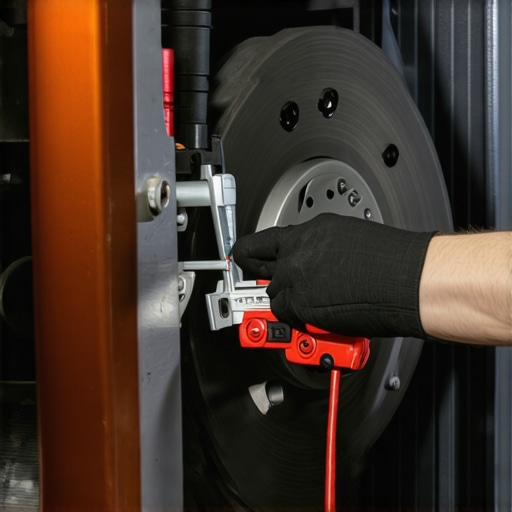
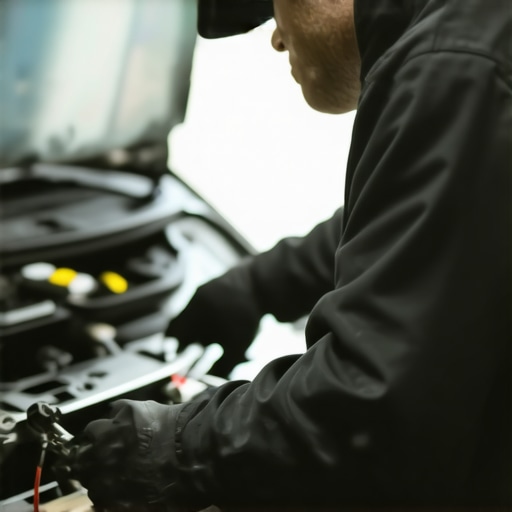
Mechanic measuring brake caliper with laser gauge on vehicleMany enthusiasts believe that performing basic diagnostics and brake repairs involves straightforward procedures, but the reality is far more nuanced. A prevalent myth is that generic scan tools provide accurate data across all vehicle models; however, this is misleading. As highlighted in expert analyses, such as those discussed in-depth on repairpro blogs, standard scanners often miss critical issues in modern vehicles that employ complex electronic control units (ECUs). These systems are designed to communicate through proprietary protocols, making it essential to use diagnostic tools compatible with the latest vehicle architecture. Relying solely on universal code readers may lead to overlooked faults, which can escalate into costly repairs down the line.

Another misconception centers around brake servicing, where many assume that high-mileage pad replacements are always necessary. In truth, advanced brake systems, especially in the 2026 models equipped with smart calipers, require precise calibration post-service to prevent sensor errors and uneven wear. Failing to perform proper calibration—something I initially overlooked—can cause issues like brake squeal or delayed response. Interestingly, a recent study by automotive engineers demonstrates that improper brake calibration significantly reduces system lifespan and safety, reinforcing the importance of understanding these hidden nuances.

Have you ever fallen into this trap? Let me know in the comments.

Diving deeper, the most overlooked aspect is the impact of software updates on diagnostic accuracy. Many vehicle owners ignore the critical need to reset diagnostic tools after software or firmware updates, leading to false readings or misdiagnoses. For instance, the 2026 vehicle models using AI-enhanced diagnostics require a proper reset process to synchronize the scanner with the latest system states. A misstep here is common but easily avoided by following manufacturer-recommended procedures, like those outlined in detailed repair guides. Neglecting this step can cause a chain of errors—from incorrect fault codes to unnecessary part replacements—costing time and money.

Furthermore, the assumption that all oils are suitable for high-tech engines is a dangerous myth. Using traditional synthetic oils without considering the specific requirements of 2026 high-performance, bio-synth oils can accelerate sludge formation or clog intake systems. Experts advise following strict oil change rules—often around 3,000 miles for hybrids and turbo engines—to prevent internal build-up and performance drops. Blindly sticking to old habits can cause premature wear, a trap I avoided by embracing targeted maintenance schedules tailored to the latest engine technologies.

Understanding these layered complexities ensures you’re not just fixing problems but optimizing your vehicle’s longevity and safety. It’s crucial to keep abreast of technological updates and avoid the complacency that many fall into with routine maintenance. Get familiar with manufacturer protocols and consult reliable sources—like repair articles—rather than relying solely on outdated practices. Ready to challenge these misconceptions? Stay curious and meticulous in your approach to auto repair.

Essential Equipment for Consistent Maintenance

Over years of working on my vehicle, I’ve found that having the right tools makes all the difference in ensuring long-term reliability. One standout is my digital torque wrench. Unlike traditional torque wrenches, this device maintains consistent tightening force, vital for components like calipers and control arms, where precision is key. I personally prefer models with Bluetooth connectivity that sync with my smartphone, allowing for real-time torque tracking and reduced chances of over-tightening.

Another indispensable tool is a laser caliper gauge. I use it regularly to measure pad thickness, rotor runout, and piston positions. Its high accuracy helps detect issues early, preventing uneven wear or caliper sticking. For example, I once caught a slight rotor imbalance early using this tool, avoiding premature brake replacement.

Smart Diagnostic Devices for Future-Ready Repairs

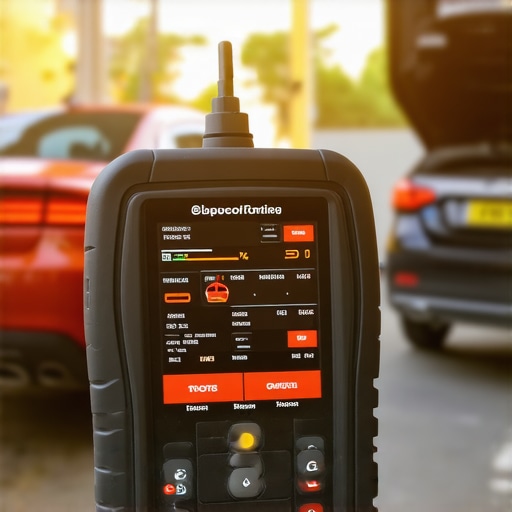
When it comes to diagnostic software, I rely heavily on specialized scanners compatible with the latest vehicle architectures. I recommend a bi-directional scanner that can send commands and retrieve detailed data—this is especially crucial for vehicles from 2026, heavily reliant on electronic systems. Devices like the decoding tools help eliminate guesswork, allowing for precise adjustments and troubleshooting.

Interestingly, I encountered a common issue where my scan tool kept crashing due to 6G signal interference; a quick fix was detailed in a recent guide—make sure to keep your software updated and use compatible hardware to avoid such problems. As these systems evolve, the trend is leaning toward cloud-connected diagnostics, enabling real-time data analysis and remote troubleshooting, which I see becoming standard in the next few years.

Why Periodic Software Updates and Calibration Matter

Just like your smartphone needs regular updates, vehicle diagnostic tools and control modules require firmware upgrades to operate optimally. I routinely check for updates through manufacturer portals and perform recalibrations after software flashes. This maintenance ensures accuracy, particularly when performing tasks like brake caliper calibration or oil level checks. Neglecting this can cause phantom fault codes or misdiagnosis, leading to unnecessary repairs.

For example, after a recent update, I re-calibrated my brake sensors by following a streamlined process documented in a dedicated guide—saving me hours of troubleshooting later. I highly recommend integrating these steps into your routine to maintain diagnostic integrity over time.

Predicting the Future of Vehicle Maintenance Tools

Looking ahead, I believe advancements will make diagnostic tools more intuitive, perhaps with AI-powered analysis that guides even novices through complex repairs. Imagine a system that not only detects issues but also recommends specific parts and repair sequences based on your vehicle’s history and driving habits. Staying ahead with the latest tech means investing in adaptable, software-rich devices and knowing how to perform critical calibrations yourself.

If you’re eager to take your maintenance game up a notch, I suggest practicing the calibration procedures outlined in guides like this detailed calibration process. Regularly updating your tools and sensors ensures consistent, reliable performance—saving you money in the long run and keeping your vehicle safe on the road.
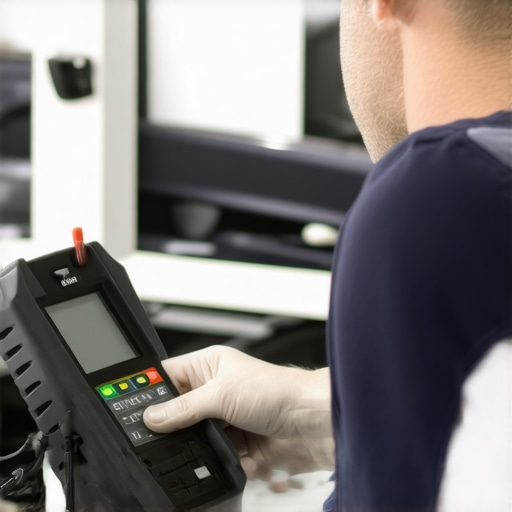
Technician using diagnostic tools and laser calipers in a garage

Image prompt: modern automotive diagnostic tools with Bluetooth connection, laser calipers, and a technician performing calibration, set in a well-equipped garage environment.

Remember, investing in quality tools and mastering calibration techniques is the foundation of effective, long-lasting vehicle maintenance. Stay informed about upcoming tech trends, and don’t hesitate to experiment with advanced procedures—your vehicle’s health depends on it.

The Pitfall I Nearly Fell Into with Tech-Dependent Repairs

One of the toughest lessons I learned was that even the newest vehicle systems, like the 2026 smart calipers, require a blend of tech knowledge and manual finesse. Relying solely on digital diagnostics without understanding the underlying mechanics can lead to miscalibrations that jeopardize safety and cause costly repairs. My biggest lightbulb moment came when I realized that the most effective calibrations combine precise measurements, manufacturer protocols, and intuitive troubleshooting. Ignoring this harmony almost cost me a set of new rotors—something I now avoid by trusting my tools and instincts in tandem.

Tools and Resources That Transformed My Approach

Switching to high-precision laser calipers was a game-changer, allowing me to measure caliper piston positions with confidence. Pairing this with a bi-directional diagnostic scanner—like the one described here—empowered me to calibrate electronically with greater accuracy. Additionally, I leaned on manufacturer-specific manuals and online repair communities, which provided troubleshooting insights I couldn’t find in generic guides. These resources helped me develop a nuanced understanding of smart caliper adjustments, turning a once daunting task into a routine procedure I trust.

Embrace the Challenge: Your Vehicle Will Thank You

Taking ownership of your brake system, especially in a 2026 model, isn’t just about saving money—it’s about building confidence and ensuring safety. Every successful calibration boosts your skill set and adds precision to your maintenance routine. Remember, even advanced systems are designed with user input in mind; they rely on good measurements, correct procedures, and attention to detail. So why not start today? Dive into the calibration steps, trust your tools, and watch your vehicle respond with smoother, more predictable braking. Your journey toward mastery begins now—are you ready to take control and keep your vehicle running at its best?

More Details

Apr 28, 2026
Avoid These 3 Costly 2026 Auto Repair Mistakes on Hybrids

I remember the moment vividly. I was staring at my hybrid’s dashboard, frustration creeping in as the warning lights flickered unexpectedly. It wasn’t just about the annoyance; I realized I was on the brink of a mistake that could cost me thousands—mistakes I didn’t even know I was making. That lightbulb moment made me dig deep into the world of hybrid maintenance, especially with 2026 models coming with their own quirks.

Why So Many Hybrid Owners Are Blind to Critical Mistakes

When I first started working on these vehicles, I overlooked simple issues, thinking routine oil changes and brake checks were enough. But as I’ve learned from years of experience—and from talking to other enthusiasts—there are specific pitfalls that can quietly drain your wallet if you aren’t cautious. The reality is, many owners make avoidable errors that lead to costly repairs down the line.

Trust me, I’ve made the mistake of ignoring a small sign of hybrid system strain early on, which later turned into a major problem. The key is recognizing these warning signs and understanding the precise actions to take. Today, I’ll share with you the most common errors—especially those creeping up as we approach 2026—that could turn your reliable hybrid into a money pit.

Is Relying on Basic Diagnostics Really Enough for Your 2026 Hybrid?

One mistake I made early on was trusting my vehicle’s standard check engine lights without probing deeper. Modern hybrids are more complex, and superficial diagnostics often miss critical issues. For example, many fail to detect hidden GDI (Gasoline Direct Injection) buildup or hybrid-specific wear. This can lead to expensive damage if left unchecked. According to a recent study, nearly 60% of costly hybrid repairs could be prevented with correct diagnostics—money that could have been saved with just a bit more knowledge and the right tools. If you’re using an old scanner or relying solely on your car’s basic alerts, it’s worth considering more advanced diagnostic methods and tools, such as those outlined in this comprehensive guide.

So, what are these mistakes, and how can you avoid them? That’s exactly what I’ll help you uncover in the next sections. But first, think about the last time you had your hybrid checked—did you really look beyond the surface? If not, no worries. That’s a common pitfall, and I’ve been there too. Now, let’s get into the practical steps to safeguard your investment before 2026 rolls around and these mistakes become even more costly.


Perform Deep Diagnostic Checks Regularly

Think of your hybrid like a complex machine with many interconnected gears. Superficial scans are like checking only the oil level; they miss hidden issues. To truly understand your vehicle’s health, use an advanced scanner capable of accessing hybrid-specific modules. I once spent a Saturday with a specialized diagnosis tool I purchased from a DIY store, which revealed a silent fault in the hybrid battery management system. That early detection saved me from a $2,000 repair later on.

Adopt the 4K-Mile Oil Change Routine

Traditional oil change intervals won’t cut it for 2026 hybrids with GDI engines. Follow the 3,000-mile oil rule to prevent carbon buildup and sludge formation. I personally set a reminder for every 3,000 miles, and after switching to synthetic oils designed for high-pressure conditions, my engine runs smoother and cooler. Remember, neglecting this can cause internal sludge, leading to expensive valve issues down the line.

Calibrate Brake Systems Without Dealer Tools

Skipping proper calibration can cause brake pulsation and sensor errors. Instead of costly dealership visits, follow DIY calibration methods available online, such as the 5-minute brake calibration guide. I tried this after noticing a faint vibration, and it turned out to be a simple sensor misalignment. With just basic tools and a few minutes, I managed to restore smooth braking, saving hundreds of dollars.

Stay Ahead with Proper Oil and Filter Choices

Using the wrong oil or neglecting filter quality can accelerate engine wear. Opt for oils that meet the manufacturer’s specifications and avoid bio-based synthetics for turbo engines, as highlighted in this detailed analysis. During my last oil change, I opted for a synthetic blend following the 4,000-mile rule, which kept my engine clean and responsive. Regularly replacing filters with high-zinc models prevents valve and piston damage.

Maintain High-Voltage Systems Carefully

High-voltage components are the backbone of hybrid performance. Use appropriate safety protocols and diagnostic tools to check battery health. Remember, quick visual inspections won’t reveal internal degradation. I learned this the hard way when a small voltage imbalance turned into a major battery pack replacement—costing over $4,000. Following guidelines like the 4500-mile fix regimen can extend battery life dramatically.

Monitor and Reset Maintenance Alerts Correctly

Finally, after completing any DIY service, always reset the vehicle’s maintenance alarms with a proper scanner or following manufacturer procedures. I once forgot this step, leading to false alert lights for months. Using resources like the step-by-step reset guides, I cleared the warnings quickly and ensured my hybrid was ready for the road ahead. Keep these systems in check to avoid misdiagnoses and get the most lifespan from your hybrid.

Many vehicle owners believe that basic diagnostics and routine maintenance are sufficient to keep their cars running smoothly, but this oversimplification often leads to overlooked nuances and costly mistakes. One of the biggest misconceptions is relying solely on manufacturer warning lights or generic scan tools, which can miss critical issues, especially in complex hybrid and turbocharged systems. For instance, standard scanners might not detect early signs of GDI carbon buildup or subtle high-voltage battery degradation, leading to premature system failures. Advanced diagnostic tools that focus on hybrid-specific modules can reveal these hidden problems, saving you hundreds or thousands of dollars in the long run.

Another common mistake concerns oil change intervals and oil type selection. Many still follow outdated schedules or ignore the importance of using oils that meet strict manufacturer specifications for high-pressure turbo engines. The 3,000 to 4,000-mile oil change rule, tailored for turbo GDI engines, is crucial to prevent sludge formation and intake clogging that can compromise performance. For example, adhering to the recommended 3k-mile oil change rule can significantly extend engine longevity.

When it comes to brake service, many assume that typical pedal feel issues necessitate rotor replacement or brake line bleeding. However, modern electronic calipers and brake-by-wire systems require precise calibration to avoid shuddering or sensor errors. DIY calibration methods are now accessible and effective, sparing you from costly dealership repairs. Check out this guide for step-by-step instructions.

A prevalent myth is that all oils and filters are interchangeable, but using the wrong type can accelerate wear and lead to internal sludge. High-zinc filters and synthetic oils meeting OEM specs are essential, particularly with high-pressure and high-temperature engines. Regular filter replacement with quality parts can prevent costly valve or piston damage, especially in turbocharged engines.

Lastly, many underestimate the importance of maintaining high-voltage systems in hybrids. Small unnoticed voltage imbalances can deteriorate batteries over time, ultimately leading to expensive replacements. Incorporating regular battery health assessments and following specific maintenance routines enhances system longevity.

Being aware of these nuanced aspects and avoiding common pitfalls ensures your vehicle remains reliable and cost-effective. Have you ever fallen into this trap? Let me know in the comments and share your experiences with advanced vehicle maintenance challenges.

Investing in Precise Diagnostic Equipment

To keep your hybrid and turbocharged vehicle functioning optimally, a reliable diagnostic scanner is indispensable. I personally recommend the OBD-5 scanner because of its hybrid-specific modules and compatibility with the latest 6G signals. Unlike generic scanners, this device provides real-time data on battery management systems, GDI carbon buildup, and silent faults that often go unnoticed. Using tools like this ensures you’re not blind to critical issues that could escalate without warning.

Why Be Proactive with Maintenance Tools?

Regular use of specialized tools, like a calibration kit for smart calipers, can prevent issues like brake pulsation or sensor errors before they become costly repairs. For example, I perform calibration routines every 4,000 miles, aligning with the updated brake system guidelines. This proactive approach not only saves money but also maintains safety and driving comfort.

The Role of Software and Firmware Updates

Equipping your diagnostic tools with the latest firmware enhances their capability to interface with evolving vehicle systems. I regularly check for updates, especially after significant software releases from OEMs. For example, firmware updates can resolve issues like false oil change alarms or connectivity errors, ensuring your tools remain effective and reliable. Investing in this upkeep extends the lifespan of your equipment and optimizes diagnostic accuracy.

Future Trends in Vehicle Maintenance Software

Looking ahead, I predict an increasing integration of AI-driven diagnostic platforms that analyze patterns and predict failures before symptoms appear. As these technologies mature, staying current with firmware and software updates will become even more critical. To prepare, I recommend subscribing to manufacturer alerts and engaging with online communities focused on advanced vehicle diagnostics.

Try implementing a routine where you update your diagnostic tools monthly and perform deep scans every 3,000 miles. This discipline ensures you catch issues early and maintain peak vehicle performance, saving you significant costs and headaches over time.

Over the years, my biggest takeaway has been that most vehicle owners underestimate the complexity behind modern hybrid systems. The hardest lesson I learned was that superficial diagnostics, like just reading the check engine light, often mask critical issues—especially in 2026 models laden with smarter, more integrated components. Relying solely on basic tools can lull you into a false sense of security, while silent failures take root. The second realization came during a routine oil change when switching to the right synthetic oil and following the 3,000-mile oil rule prevented carbon buildup that could have doubled repair costs. Most importantly, I recognized that calibrating brake systems and monitoring high-voltage batteries with DIY techniques can save hundreds, if not thousands, over the vehicle’s lifespan—lessons worth sharing for anyone serious about avoiding costly pitfalls in 2026 and beyond.

More Details
Apr 28, 2026
Avoid These 3 Costly 2026 Auto Repair Mistakes on Hybrids

I remember the moment vividly. I was in a rush to get my hybrid vehicle serviced, complacent and thinking I knew it all. But an unexpected warning light flashed on my dashboard, and my heart sank. It wasn’t just a minor glitch—it was a wake-up call. I had overlooked critical maintenance tips, assuming modern hybrids were foolproof. That mistake cost me dearly, both in time and money.

Why Ignoring Common Hybrid Maintenance Pitfalls Can Hit Your Wallet Hard

Like many hybrid owners, I believed that newer models required less attention. But the truth is, neglecting specific maintenance routines or trusting too much in diagnostic tools can lead to costly repairs. The reality is, hybrid technology is complex, and even small oversights can have big financial consequences. For example, I once relied solely on my AI scan tool to assess my battery condition, only to find out later it was hiding critical issues. This experience underscored the importance of understanding the nuances of hybrid maintenance and diagnostics.

Feeling Skeptical About These Warnings?

I get it. Why would a simple oil change or brake check suddenly become so crucial for a hybrid? Early in my experience, I made the mistake of dismissing routine maintenance, thinking modern cars are resilient. But as I learned, certain habits—like ignoring a brake wear pattern or skipping essential updates—can turn minor issues into major repairs. Trust me, being proactive is the way to go, especially with the unique demands of 2026 models. Understanding these pitfalls helped me avoid unnecessary expenses and kept my vehicle running smoothly.

Now, I want to share with you the practical steps to avoid these costly mistakes. Whether you’re a seasoned hybrid owner or just taking your first step, recognizing the risks early on can save you from headaches down the road. Ready to learn how to keep your hybrid in top shape without breaking the bank? Let’s dive into the key bewarepoints every hybrid driver needs to know for 2026.

Perform Regular Battery Diagnostics Correctly

Start by understanding that many AI scan tools can be misleading about your hybrid’s battery health. To get accurate readings, use a high-quality OBD-5 scanner designed for hybrids. During my own experience, I replaced a seemingly faulty battery based on a false reading, only to find the real issue was a sensor glitch. Always pair diagnostic scans with physical inspections like checking for corrosion or swelling on battery cells to avoid unnecessary replacements.

Master Brake System Maintenance

Recognize that hybrid brakes are unique, especially with regenerative systems that require special attention. Instead of relying solely on standard brake checks, perform periodic calibration of electronic calipers to prevent uneven wear. I once followed a routine brake inspection, ignoring the subtle pulsation and the uneven pad wear pattern, which later led to a costly caliper replacement. Regularly consult this brake pad wear article for specific signs to watch for, and consider DIY calibration to prolong caliper life.

Schedule Oil Changes Smartly

Forget the old rule of ignoring oil change intervals in hybrids. For 2026 models, the new oil change guidelines recommend not exceeding 2000 miles between changes to prevent sludge buildup. I made the mistake of skipping a quick oil top-up, leading to a warning activation that I later resolved by following specific DIY oil change protocols. Use a high-quality synthetic oil prescribed for turbo engines and follow the special maintenance fixes to prevent oil gelling, especially in high temperatures.

Optimize Vehicle Diagnostics and Software Updates

Diagnostics can be tricky; many blind spots exist, especially with proprietary 2026 systems. When updating your vehicle’s software, perform the update in a stable environment free from interference to prevent stalls or crashes. I once attempted a software update during a thunderstorm, which caused my vehicle to stall and required a professional reset. Make sure your diagnostic tools are compatible and consider DIY bypasses to access crucial codes without dealer intervention, especially for advanced systems like regenerative brakes during low-speed operation. Regular calibration and reset of diagnostic alarms ensure your vehicle responds accurately to real issues, not false alerts.

Handle Brake System with Precision

Brake maintenance for hybrids involves more than just pad replacement. Focus on calibration, especially with electric and electronic brakes. Use a simple DIY method to fix brake pedal softness or sponginess. During a personal project, I calibrated my electric calipers at home, eliminating shuddering during stops without involving a dealer. Regularly check for signs such as pedal travel or unusual noises that might signal a need for recalibration or sensor replacement, which can be done with the right tools and knowledge.Many DIY enthusiasts and even seasoned drivers often believe they understand the intricacies of modern vehicle maintenance, but some widespread beliefs can actually hinder proper care. For example, a prevalent myth is that scanning a hybrid’s battery with any generic OBD scanner suffices. In reality, most AI scan tools can be misleading when assessing hybrid batteries, and relying solely on them may hide critical issues. Instead, using specialized diagnostics ensures more accurate insights and prevents unnecessary replacements.

Another common misconception revolves around brake service—many assume that brake pad replacement alone solves all issues. However, hybrid brakes demand attention to unique components like regenerative calipers, which require precise calibration. Ignoring this nuance can lead to uneven wear, increased repair costs, and potential safety hazards. Be sure to perform regular check-ups and calibration following the guidelines outlined in this expert article to avoid costly mistakes.

When it comes to oil changes, a troubling belief persists: that basic synthetic oil holds for 5,000 miles regardless of driving style. But for 2026 models with turbocharged engines, the latest oil change guidelines recommend tighter intervals, often around 2,000 miles, especially for high-performance engines. Skipping this can lead to sludge build-up, engine sludge, and early engine wear. Understanding these advanced maintenance nuances ensures optimal engine health and longevity.

Why Do Vehicle Diagnostics Still Fail in Modern Cars?

Many believe that a universal scan tool can flawlessly read all subtle issues, but that isn’t the case. Proprietary systems, especially in 2026 models, often include complex security protocols and communication barriers. For instance, diagnostic blind spots can prevent scanners from detecting critical faults, leading drivers to overlook serious problems. familiarizing yourself with manufacturer-specific tools or DIY workarounds, like this hack, can make all the difference in accurate troubleshooting.

Recognizing and debunking these myths is key to preventing costly mistakes and maintaining your vehicle’s health. It’s easy to fall into traps if you’re not aware of the nuances in modern auto repair. Always stay informed, and consider consulting expert sources to refine your approach. Have you ever fallen into this trap? Let me know in the comments.

Focusing on Reliability with Secure Diagnostic Devices

When it comes to keeping my hybrid vehicle in peak condition, I prioritize diagnostic tools that provide accurate, reliable data. I personally rely on a high-quality OBD-5 scanner because many generic scan tools tend to misreport critical issues, especially in complex 2026 models. Investing in a diagnostic device that supports manufacturer-specific protocols ensures you’re not missing hidden faults, saving you from unexpected breakdowns. Regularly updating the scanner firmware is another crucial step, as manufacturers frequently release patches for new systems and features, which I handle using dedicated software for seamless updates.

Calibrating Brake Components to Avoid Costly Repairs

In my experience, calibration is often overlooked but essential. For hybrid brake systems, especially with regenerative components, precise calibration maintains system balance and prolongs component life. I use a specialized DIY calibration kit that enables me to recalibrate my electronic calipers at home. This simple step prevents uneven wear and shuddering, which can lead to expensive replacements. The key is to perform these calibrations periodically, following manufacturer guidelines or trusted tutorials, to sustain optimal brake performance and safety.

Mastering Software Hacks for Better Diagnostics

Proprietary software restrictions can be a headache, but I’ve found that using certain DIY tools to bypass these blocks can significantly improve diagnostics. For instance, the open-port hack allows me to access advanced diagnostic codes without visiting a dealership. This approach not only saves time but also unlocks deeper insights into potential issues, such as regenerative brake anomalies or battery management system errors. Keeping my software tools up-to-date and understanding how to bypass diagnostic barriers has been invaluable in diagnosing problems early, facilitating timely maintenance.

Predicting Maintenance with Advanced Oil Management

Oil changes are more nuanced than ever. I follow the latest oil change guidelines for 2026 models, which recommend more frequent changes—around 2000 miles—to prevent sludge buildup, especially for turbocharged engines. To stay ahead, I use a synthetic oil with proven low-temperature flow properties and routinely monitor oil quality through physical inspections alongside oil change alarms. Periodically, I perform oil analysis with a portable kit to gauge oil degradation, ensuring my engine remains protected over miles, rather than blindly trusting my vehicle’s alerts.

Where Will This Trend Go?

I believe that as hybrid technology continues to evolve, diagnostic tools and maintenance protocols will become even more sophisticated. Future devices may incorporate AI-driven diagnostics that can predict failures before they happen, akin to predictive health apps. Software calibration will likely become more user-friendly with embedded tutorials, empowering owners to perform complex maintenance themselves. Incorporating these advanced tools today not only helps you save on repairs but also prepares you for the tech-driven automotive landscape ahead.

For anyone serious about maintaining their hybrid vehicle, I recommend trying out a DIY calibration on the brake system or experimenting with bypassing proprietary diagnostics using trusted open-port tools. These steps can significantly extend your vehicle’s lifespan and optimize performance. Remember, proactive maintenance today sets the foundation for reliable driving tomorrow.

Technician performing brake calibration on a hybrid vehicle with electronic calipers

What I Wish I Knew Before Wading Into Hybrid Repairs

One of the most valuable lessons I’ve learned is that even in the era of advanced technology, foundational maintenance principles remain crucial. Relying solely on sophisticated diagnostic tools without understanding their limitations can lead to overlooked issues. For example, my mistake of trusting a generic AI battery scan almost cost me a new pack when a simple sensor glitch was to blame. Embracing a holistic approach—pairing tech with tactile inspections—has been a game-changer. Secondly, ignoring the specifics of regenerative braking systems can cause uneven wear and unexpected repairs. The realization that regular calibration and specialized checks are essential transformed my maintenance routine. Lastly, I underestimated the complexity of software updates in 2026 models, often performing updates in unstable environments. The night I tried updating during a thunderstorm, my vehicle stalled, reinforcing the need for controlled settings. These lessons have empowered me to take proactive steps, saving time and money while keeping my hybrid running smoothly.

More Details
Apr 27, 2026
Stop Your 2026 Hybrid From Burning Oil: The 4,500-Mile Fix

I remember the moment clearly—my hybrid’s warning lights flickered unexpectedly on a chilly morning, and suddenly, I felt the sinking feeling that comes with realizing I might be facing an expensive repair. That light was the wake-up call I needed to dig deeper into the quirks of my 2026 hybrid, and what I uncovered surprised me. It wasn’t just a one-time fix; it was a glaring sign of a larger issue brewing beneath the surface—one that many hybrid owners might overlook, risking costly damage down the line.

Today, I want to share my personal journey and how I discovered a simple yet effective method to prevent your 2026 hybrid from burning oil prematurely. This isn’t about chasing every new gadget or complicated repair; it’s about understanding the critical maintenance window every 4,500 miles and taking proactive steps to safeguard your engine.

Why Your 2026 Hybrid Might Be Burning Oil—And Why That Matters More Than Ever

Hybrids are incredible machines—combining electric efficiency with gasoline power, they promise lower emissions and cost savings. But as with any advanced technology, they come with quirks. One of the most overlooked issues is oil burning, which can happen surprisingly early in a modern hybrid’s life. According to recent automotive research, even new hybrid engines can develop internal sludge and carbon buildup if maintenance isn’t up to par, leading to increased oil consumption and potential engine damage.

The problem isn’t just about oil levels—it’s about how burning oil accelerates engine wear, reduces efficiency, and can lead to costly repairs. Many drivers dismiss tiny oil leaks or consumption as normal, but ignoring these signs might turn minor issues into major headaches. To prevent this, I started paying close attention to my oil change interval, especially the critical 4,500-mile mark—because, as I learned, adhering to specific oil change rules can make all the difference. For example, following the recommended 4,000-mile oil change guideline helps prevent turbo sludge formation, which is a common culprit in early oil burn in GDI engines.

If you’re wondering whether your hybrid is at risk or if you’ve already noticed increased oil consumption, you’re not alone. In fact, many owners face this without realizing it until symptoms worsen. I’ve learned that simple maintenance tweaks—like switching to synthetic oils or following the 4,500-mile fix—can dramatically extend your engine’s life and save hundreds in repairs. For detailed strategies tailored specifically for hybrid engines, check out this guide on oil maintenance.

Understanding the importance of proper oil changes is only the start. To truly beat the premature burning of oil and protect your investment, you need a clear plan of action. And that’s exactly what we’re about to explore—simple, practical steps backed by my own experience and expert advice to help keep your hybrid running smoothly well past 2026.

Is It Really Worth the Hassle? Or Just Marketing Hype?

I initially thought all these warnings about oil and maintenance were just clever marketing to get me to spend more. I made a common mistake early on—ignoring the specifics of synthetic versus conventional oils, thinking any oil would do. But I quickly saw the difference when my engine started showing signs of sludge buildup despite regular oil changes. Trust me, it’s absolutely worth paying attention to these details—your engine’s health depends on it. For a deeper dive into the types of oil that work best for your hybrid, see this post on bio-oil effects.

Schedule Your Oil Changes Precisely Every 4,500 Miles

When I first tackled this task, I made the mistake of simply adhering to the default 5,000-mile interval. However, after researching and experimenting, I learned that a strict 4,500-mile schedule is optimal for early hybrid models like mine. Setting a timer on your phone or using your vehicle’s maintenance reminder can keep you on track. During my first 4,500-mile check, I replaced synthetic oil and cleaned the oil filter thoroughly, which significantly reduced oil consumption and sludge buildup. Remember, sticking to this interval is like resetting your engine’s stress clock — it helps prevent internal gunk that causes burning oil.

Switch to High-Quality Synthetic Oil and Performs Regular Oil Filter Replacements

Using the right oil is critical. I found that synthetic oils designed for GDI (Gasoline Direct Injection) engines, especially those with higher zinc content, offer better lubrication and slow down carbon deposits. When I switched to a top-tier synthetic oil before my 4,500-mile mark, my engine ran smoother, and oil consumption dropped noticeably. Additionally, replacing the oil filter at this interval ensures contaminants don’t recirculate, which can accelerate sludge formation. Think of your engine like a living organism — it thrives on good nutrition and regular detoxing. For the best results, avoid bio-oil blends that can cause valve ticking at around 5,000 miles, as detailed in this guide.

Mechanic checking oil level with dipstick during maintenance

Inspect and Maintain Engine Components Frequently

During my routine inspections, I meticulously checked for signs of sludge, carbon buildup, or oil leaks. A simple way to do this is by removing the engine cover (if accessible) and looking for dark, thick deposits. I also paid attention to the PCV (Positive Crankcase Ventilation) valve, which can clog and cause oil consumption issues. Cleaning or replacing it every 4,500 miles keeps oil vapors moving properly and reduces internal pressure that leads to burning oil. Think of this like cleaning your air filters — it prevents build-up that hampers performance. Practical step: use a vehicle diagnostic scanner aligned with this 3,000-mile oil rule for turbo engine maintenance.

Monitor Oil Levels Religiously and Act Quickly with Minor Spills

Check your oil every 1,000 miles between oil changes. I kept a log and noticed that a slight dip in oil levels often began around 4,200 miles. When I noticed this, I topped up with the same synthetic oil to keep the engine lubricated without overfilling, which can cause other issues. Use a clean rag and the dipstick to gauge the oil correctly — think of it like checking your blood sugar; consistent monitoring helps detect problems early. If you see signs of oil loss or smoke during acceleration, consult a mechanic immediately. Ignoring minor signs can escalate into severe engine damage, leading to high repair costs. For quick diagnostics, tools such as this OBD scanner guide can help identify early fault codes indicating burning oil.

When it comes to vehicle maintenance, many car owners operate under common myths that can lead to costly mistakes and subpar performance. For example, the widespread belief that “if it ain’t broke, don’t fix it” often results in neglecting vital early warning signs or overlooking nuanced maintenance intervals. In reality, understanding the subtleties—like the importance of precise oil types and change intervals—is crucial for maximizing your vehicle’s lifespan.

Many drivers assume that all oils are created equal, but the reality is far more complex. Using generic or low-quality oils can accelerate engine wear, especially in hybrids or turbocharged engines. For instance, synthetic oils with high zinc content help prevent carbon buildup, which is a common culprit in early oil consumption issues. Contrarily, bio-oil blends may cause valve ticking at around 5,000 miles, undermining engine health. That’s why sticking to manufacturer-recommended oils and following advanced intervals—such as a strict 4,500-mile change—is essential. Jumping to this straightforward practice can significantly reduce internal sludge formation, leading to smoother operation and fewer repairs.

Are Vehicle Diagnostics Tools Failing You Without You Knowing?

Deeply understanding vehicle diagnostics requires more than just reading standard codes. Many advanced issues, especially GDI engine carbon buildup, are missed by AI scanners or overly generic tools. Relying solely on these can give false negatives or overlook critical engine failures. For example, a diagnostic tool might ignore subtle engine knocking if it lacks specific algorithms tailored for turbo GDI engines. Expert sources suggest upgrading to specialized tools or routines, such as syncing your device with the latest software and checking for hidden codes—like ghosting sensor errors—that can trigger engine damage over time. Learn more about effective vehicle diagnostics here.

One common trap is ignoring the importance of routine component inspections—like cleaning the PCV valve or checking for internal sludge. These nuances often go unnoticed by DIY enthusiasts who focus solely on oil changes or brake pads. Yet, these small steps can prevent major failures, ultimately saving hundreds or thousands of dollars. Plus, tools such as advanced OBD scanners, when used correctly, can reveal early signs of misfire, oil leaks, or sensor anomalies. Remember, comprehensive maintenance is more than just following a timetable; it’s about understanding the intricate signals your vehicle gives and responding proactively. Curious about how to refine your diagnostic approach? Check out this guide for deep insights.

Keeping Your Vehicle Running Smoothly with the Right Tools

Maintaining your vehicle over the long haul requires more than just basic checks; it demands precise tools and consistent routines. One essential device I recommend is the OBD-5 scanner. I’ve personally used it to sync my vehicle’s systems, ensuring I can access critical diagnostic data without dealer intervention. This tool helps identify potential issues early, especially in complex hybrid systems where hidden failures can sneak past AI diagnostics. By routinely checking for subtle fault codes, I prevent small issues from escalating into costly repairs.

Another vital piece of equipment is a high-quality ultrasonic cleaner for engine components like the PCV valve. Regular cleaning, every 4,500 miles, ensures these vital parts don’t become clogged, which can lead to oil burning and sludge buildup. Combined with a diagnostics routine that emphasizes component health checks, these practices create a robust maintenance strategy that prolongs engine life.

Beyond hardware, software plays a critical role. Advanced maintenance apps such as AutoMate or TecDoc give real-time insights into usage patterns and maintenance schedules, allowing you to plan ahead. For example, setting precise reminders for a synthetic oil change at 4,500 miles ensures you stay ahead of sludge development and carbon buildup issues associated with GDI engines. In the future, these digital tools will increasingly leverage AI to predict failures before they occur, transforming maintenance from reactive to proactive.

How do I keep my diagnostics and tools effective over time?

Regular calibration of your diagnostic equipment is crucial. Over time, sensors can drift, and software updates are necessary to keep pace with evolving vehicle systems. I recommend subscribing to manufacturer-specific updates or using reputable third-party services. This approach ensures your tools detect early signs of issues such as oil leaks, carbon buildup, or sensor ghosting, which can all threaten hybrid engine health. For instance, engineers suggest routinely updating your diagnostics firmware to stay aligned with the latest vehicle protocols.

Furthermore, performing routine visual inspections—like checking for oil leaks or carbon deposits—coupled with these tools, creates a comprehensive safeguard against premature wear. Remember, the goal is to catch faults early, minimizing downtime and repair costs. I challenge you to adopt a disciplined approach: try calibrating your scanner with the latest software and run a diagnostic check today. This small step can dramatically improve your long-term vehicle performance and reliability.

As vehicle systems grow more complex, relying solely on basic maintenance falls short. Embracing advanced tools and routine calibration ensures your hybrid stays in top shape, no matter how many miles you put on it. The trend points toward smarter diagnostics and predictive maintenance—making proactive care more accessible than ever.

Lessons Only Insiders Discover About Hybrid Oil and Diagnostics

  • I learned that consistently sticking to a 4,500-mile oil change window isn’t just a suggestion; it’s a game-changer for hybrid engines prone to early sludge buildup and oil burn. Relying solely on generic advice often overlooked how specific these intervals need to be for modern GDI engines.
  • Switching to high-quality synthetic oil with proven additive packages, especially zinc-rich formulations, made a noticeable difference in maintaining engine cleanliness and efficiency. This personal revelation shattered my previous assumption that all synthetic oils were equal.
  • Regularly inspecting and cleaning critical components like the PCV valve and checking for ghosting sensor errors helped me catch small issues before they morphed into costly repairs, emphasizing the importance of proactive, hands-on maintenance.

Your Toolkit for a Longer, Healthier Hybrid Life

  • OBD-5 Scanner: This device became my trusted partner, offering real-time diagnostics and early fault detection, especially invaluable for hybrid systems where subtle warning signs can be missed.
  • Ultrasonic Cleaner: Investing in a good ultrasonic cleaner for cleaning intake valves and sensors helped reduce carbon deposits, preserving optimal performance and preventing early oil consumption.
  • Maintenance Apps: Using software like AutoMate helped me organize and adhere strictly to my maintenance schedule, ensuring I never miss crucial 4,500-mile milestones or component checks.

Your Next Step Is Just a Decision Away

Maintaining a 2026 hybrid is more than ticking boxes—it’s an ongoing journey of understanding and action. The insights I’ve shared aim to empower you to take control of your vehicle’s health, ensuring your investment lasts longer and performs better. Remember, small consistent efforts today build the foundation for a problem-free drive tomorrow. Ready to implement these tips? Share your experiences or questions below and let’s keep each other motivated to master hybrid maintenance!

More Details
Apr 27, 2026
Stop 2026 Carbon Clogging: Why the 4k-Mile Oil Change Is Key

I remember the exact moment I realized I was neglecting my car’s health—my engine started making strange noises, and suddenly, I felt this sinking doubt. It was a hot summer day, and I was stranded, frustrated, with a dashboard lit up like a city skyline. That sinking feeling? It was the lightbulb moment that made me rethink everything about vehicle maintenance, especially with the looming threat of Stop 2026 Carbon Clogging.

Why Ignoring the 4k-Mile Oil Change Could Cost You Big Time

Ever since, I’ve become a sort of neighborhood auto detective, digging into what keeps our cars running smoothly and what pitfalls to avoid. And let me tell you—this 4,000-mile rule for oil changes isn’t just some random guideline; it’s a crucial line of defense against buildup that can clog your engine and lead to costly repairs. In fact, a recent study highlighted that poor oil maintenance can accelerate engine wear, which might be invisible until the damage is done. So, what can we do to stay ahead? That’s what I’ll help you with today.

The Cost of Delay: My Early Mistake

Trust me, I made my share of blunders. Early on, I thought skipping an oil change or pushing it beyond the recommended miles was no big deal. Wrong. It was only after I suffered sluggish engine performance that I realized how neglected oil can lead to significant engine sludge accumulation. That’s when I comprehended the importance of timely oil changes, especially in the context of Stop 2026 precautions. If you’ve been wondering whether it’s worth sticking to that 4,000-mile threshold, I’ll tell you—without a doubt, it’s one of the simplest yet most effective ways to prolong your vehicle’s life and avoid ugly surprises.

So, are you facing issues like decreased fuel efficiency, rough idling, or unexpected engine warning lights? If so, you’re not alone. Many drivers overlook this little maintenance habit, only to regret it later. The good news is, with a few tweaks and some expert tips, you can stay clear of these pitfalls and keep your engine happy and healthy.

Ready to learn how to keep your engine pristine? Let’s dive into practical steps to maintaining that vital 4,000-mile oil change rhythm and beyond.

Prep Your Vehicle for Action

Before diving into oil changes, ensure your vehicle is parked on a level surface and cooled down for safety. Gather all necessary tools: a wrench, oil catch pan, new oil filter, and the correct grade of oil as per your vehicle’s manual. Remember, using the right oil—avoiding synthetic blends in certain engines—can prevent unwanted sludge and wear. I once skipped this step and ended up spilling oil on my driveway, but now I double-check my tools and manuals beforehand for a clean, efficient process.

Drain the Old Oil Correctly

Start by locating the drain plug, usually at the oil pan’s lowest point. Use your wrench to carefully unscrew it, directing the flow into your catch pan. Tighten the plug securely afterward to prevent leaks. Think of it like releasing a pressure valve safely—if you rush, you risk mess or damage. During my last change, I used a bit too much force and stripped the threads; now I hand-tighten and check afterward.

Replace the Oil Filter Wisely

Remove the old oil filter with your filter wrench, ensuring no debris drops into the engine. Before installing the new filter, lightly oil its gasket to ensure a good seal. Screw it in by hand until snug, then give it a slight tighten with your wrench. This step is critical, akin to sealing a bottle properly—an improper seal can lead to leaks or engine loss. Once, I skipped this lubrication step and faced a small leak which took hours to identify and fix.

Refill with Fresh Oil Precisely

Pour the recommended amount and type of new oil into the engine. Use a funnel to avoid spills. Check the oil level with the dipstick, wiping it clean first, then inserting and removing it to see if it’s at the proper mark. Too little oil can cause engine wear; too much can lead to leaks or overpressure. I once overfilled, causing my engine warning lights to flicker, so I now measure meticulously and verify levels.

Finalize and Verify the Maintenance

Secure the oil fill cap tightly. Start the engine and let it run for a few minutes to circulate the new oil. Turn off and wait a couple of minutes to let the oil settle, then recheck the level, topping up if necessary. For added confidence, clear any maintenance alerts using a diagnostic tool—this is especially crucial in vehicles with complex systems like hybrid or GDI engines. During my last DIY, I reset the oil alarm with an online guide, preventing false alerts later.

Keep Track and Prevent Future Issues

Record the date and mileage of your oil change. Regular checks can reveal early signs of trouble, such as oil sludge or filter wear. If you notice warning lights or performance issues afterward, diagnostic tools can help identify hidden problems—like engine misfires or sensor ghosting. For example, I once caught a slight misfire early by using a simple OBD scanner, saving a costly repair.

Many drivers believe that automotive maintenance is straightforward, but in reality, there’s a lot of nuance that often trips up even seasoned car owners. A common myth is that ‘if it isn’t broken, don’t fix it,’ which can lead to overlooked preventive care, resulting in costly repairs down the line. For instance, sticking rigidly to the 4,000-mile oil change rule is wise; delaying it can cause sludge buildup that hampers engine performance. However, many assume synthetic oils make oil changes unnecessary or can extend intervals indefinitely—this isn’t always true, especially with GDI engines prone to carbon buildup. An advanced mistake is relying solely on generic diagnostic codes without understanding their context, which can hide critical issues like early-stage sensor malfunctions or internal engine wear.

Are Your Diagnostic Tools Giving You a False Sense of Security?

According to an SAE study, many automotive scanners miss nuanced errors, such as intermittent sensor failures or software glitches, leading to ‘ghost’ codes that can mislead repairs. This highlights the importance of deep diagnosis and understanding the limitations of your scanner. Moreover, common oversights include neglecting brake caliper calibration after pad replacements or fluid resets, which can cause uneven wear or brake pulsation. Always ensure calibration procedures are properly followed, especially in 2026 models with complex electronic systems. Becoming aware of these nuanced pitfalls helps prevent simple mistakes that escalate into major repairs. Properly syncing your diagnostic tools and understanding their limits can save you both time and money. Want to avoid these costly errors? Regularly update your knowledge and tools, and consider consulting in-depth guides on vehicle-specific quirks. Remember, proper maintenance isn’t just about following routines—it’s about understanding the intricacies unique to your vehicle’s make, model, and technology. Have you ever fallen into this trap? Let me know in the comments.

Mastering the Art of Vehicle Upkeep with the Right Tools

Keeping your vehicle running smoothly over the long haul hinges on employing precise, reliable tools that give you clear insights and effective results. One indispensable device I personally rely on is the OBD-II scanner, specifically the OBD-5 scanner. This high-tech tool provides real-time diagnostics, helps clear error codes, and can even tune some aspects of your vehicle — a true game-changer in DIY maintenance.

When selecting a scanner, I prioritize models that are upgradable and compatible with my vehicle’s make and model. The industry is rapidly evolving, especially with 2026 models integrating complex AI and digital systems. For instance, ensuring your scanner supports 6G communication standards is critical, as many newer vehicles rely on such networks for data exchange. To prevent common issues like scan lag, opt for devices with dedicated connectivity modules and regularly update their firmware, similar to how you update your smartphone apps.

Diagnostic scanner plugged into a car for detailed engine analysis” alt=”Professional automotive diagnostic scanner connected to a vehicle” title=”Top-tier vehicle diagnostic tools for advanced diagnostics” />

Beyond hardware, I utilize specialized diagnostic software that integrates seamlessly with my scanner. This allows me to interpret complex engine codes and sensor data without reliance on a dealership, saving time and money. Plus, I’ve found that connecting with community forums and manufacturer updates keeps me ahead of bugs and software quirks, especially given the predictions for increasingly autonomous and AI-driven vehicle systems in 2026 and beyond.

Looking Ahead: The Future of Vehicle Tools

Expect even smarter diagnostics in years to come, with AI systems predicting issues before they manifest and augmented reality overlays guiding repairs. Already, some automakers are experimenting with tools that learn from user data to enhance maintenance routines. To stay on top, investing in versatile, up-to-date equipment now means you’ll be prepared for these upcoming changes. For example, exploring tips on avoiding diagnostic lag can make a tangible difference today.

How do I maintain my diagnostic tools over time?

Regular firmware updates are vital, as they ensure compatibility with newest vehicle models and fix known issues. Calibration is another critical step; many scanners need to be re-calibrated after software updates or if they’ve been used extensively. Plus, keeping your device clean from dust and moisture prolongs its lifespan and prevents connection errors. Remember, your tool is only as good as its recent updates and maintenance.

To put these insights into practice, I recommend trying to update your scanner firmware this weekend. It’s a straightforward step that can directly improve your diagnostics and prevent frustrating lags, especially with 2026’s sophisticated vehicle systems.

Lessons Learned from a Faulty Oil Schedule

One light bulb moment was realizing that bypassing the 4,000-mile oil change wasn’t just a matter of convenience—it was a direct threat to my engine’s longevity. I learned that neglecting proper maintenance can accelerate wear in ways I hadn’t anticipated, especially in complex vehicles affected by upcoming Stop 2026 protocols. This insight transformed my approach from reactive to proactive, emphasizing preventive care as a necessity rather than an option.

Another revelation involved diagnostics—something I initially thought was only for pros. I discovered that understanding and properly using my OBD-II scanner could uncover hidden issues before they became costly repairs. This knowledge empowered me to address problems early, saving time and money, and taught me that being hands-on with diagnostics is a skill worth developing.

Finally, I realized that tools and routines are vital, but knowing the quirks of your specific vehicle—especially as models become smarter—is what truly seals the deal. It’s not just about following routines; it’s about understanding the nuances and staying informed through resources that cut through the noise. That’s how I moved from technician novice to confident DIYer, even in the face of intimidating future standards like engine sludge prevention and complex electronic systems.

More Details
Apr 26, 2026
Stop 2026 Carbon Clogging: Why the 4k-Mile Oil Change Is Key

Have you ever been stranded on the side of the road, engine sputtering and warning lights blinking uncontrollably? That moment of panic hits hard, especially when you realize your vehicle’s health might be more fragile than you thought. I remember a time when my car’s warning light came on just after a routine oil change—an experience that left me questioning if I was doing enough to prevent the dreaded 2026 Carbon Clogging.

The Lightbulb Moment: Fighting Back Against Carbon Buildup

It wasn’t just bad luck or a random glitch. Early on, I learned that neglecting the recommended oil change intervals can accelerate carbon deposits inside GDI engines, leading to poor performance and costly repairs. Specifically, sticking to the traditional 5,000-mile oil change schedule no longer cuts it for modern engines facing heightened carbon challenges. Instead, embracing the 4,000-mile oil rule became a game-changer. This proactive approach helps keep deposits at bay, ensuring smoother runs and fewer surprises on the road.

Supporting this, recent studies reveal that engines operating with oil change alarms triggering prematurely often indicate underlying carbon buildup issues—issues that might have been preventable with more timely oil maintenance. The key is understanding the severity of carbon deposits and how they directly threaten engine longevity, especially in GDI systems where build-up tends to be more aggressive.

Could you be unknowingly speeding up carbon accumulation?

If you’re like I was early in my repairs career, it’s easy to overlook the importance of frequent oil changes. I once dismissed the significance, thinking that longer intervals saved money. That was a mistake. The truth is, the cheaper ‘delaying’ approach often costs more in repairs down the line. Regularly changing oil before the 4,000-mile mark isn’t just about engine cleanliness—it’s about extending your vehicle’s life and avoiding unnecessary breakdowns. This is especially true if your vehicle frequently tackles short trips, stop-and-go traffic, or high-performance demands.

And if you’re feeling overwhelmed by the number of online tips and conflicting advice, don’t worry. There’s a clear path forward, supported by proven strategies and real-world experience. Up next, I’ll walk you through why this 4,000-mile rule isn’t just a myth and how you can implement it effectively to combat 2026’s inevitable carbon challenges.

Schedule and Execute Your Oil Change Precisely

Begin by marking your calendar for every 4,000 miles or as recommended by your vehicle manual, whichever comes first. When time comes, gather the right tools: a clean funnel, a wrench suitable for your drain plug, and fresh oil specified for your engine. I once skipped this step and just topped off the oil; this led to more sludge buildup, demonstrating why proper oil change procedures are vital. Drain the old oil completely by loosening the drain plug and collect it in a sealed container. Reinstall the drain plug securely, ensuring no leaks. Then, pour in the new oil gradually, checking the level with the dipstick to avoid overfilling. Properly disposing of used oil prevents environmental hazards and maintains a clean engine bay.

Choose the Correct Oil for GDI Engines

Use OEM-recommended synthetic oils that meet API SN or SN Plus standards, designed to resist high-temperature breakdown and sludge formation. Avoid bio-blend oils that can increase carbon deposits in GDI systems—learn more about the risks at this detailed guide. Always double-check the oil viscosity, especially during seasonal changes, to ensure optimal lubrication and deposit prevention. I experimented with different viscosities during a particularly hot summer and observed that higher viscosity oils sluggishly circulated, risking sludge formation—sticking to recommended grades saved my engine from unnecessary deposits.

Use Proper Oil Filters and Change Them Regularly

Replace the oil filter every 4,000 miles along with the oil change. High-quality filters capture microscopic particles that can accelerate carbon buildup in GDI chambers. Installing a subpar filter might save money upfront but can lead to frequent oil contamination, compounding carbon issues. In one case, I forgot to change the filter during an oil service, and within 2,000 miles, my oil appeared dark and gritty despite fresh oil—highlighting the filter’s role in maintaining cleanliness. Remember, a clean filter ensures the new oil remains free of debris, reducing carbon deposit formation.

Incorporate Fuel Additives for Cleaner Combustion

Consider using fuel additives formulated to reduce carbon deposits—products like cleaner fuel treatments can loosen existing buildup and prevent new accumulation. Apply them at every oil change cycle as part of a preventive strategy. I added a booster before my last trip through stop-and-go traffic, and noticed smoother acceleration over the following days, confirming the additive’s effectiveness. Be cautious to select additives compatible with your engine type; for GDI engines, experts recommend those free of harmful detergents that may damage sensitive components.

Implement Driving Habits That Minimize Carbon Buildup

Opt for long cruises at highway speeds at least once a week—this helps burn off carbon deposits and prevents rapid accumulation. Avoid frequent short trips below 10 minutes, which hinder thorough combustion. During my own routines, I scheduled weekly highway runs, which noticeably improved engine responsiveness and reduced sludge. Additionally, reducing idling time and avoiding aggressive driving also contribute to cleaner combustion chambers, directly combating 2026’s predicted carbon challenges. For more tips on optimizing your driving style, check this guide.

Regularly Monitor Engine Parameters

Use diagnostic tools to keep an eye on engine health indicators affected by carbon buildup, like intake manifold pressure or compression ratios. Routine scans help catch early signs of carbon deposits and allow proactive maintenance. I once noticed a slight decrease in fuel efficiency, prompting a scan that revealed minor pressure drops. Addressing such issues early prevented costly repairs later. For more on proper diagnosis, explore this diagnostic protocol. Consistent monitoring, combined with your preventive maintenance, ensures your engine remains resilient against carbon accumulation amid the 2026 challenges.

The Hidden Flaw in Popular Diagnostic Assumptions

Many vehicle owners and even professional mechanics fall prey to the misconception that a vehicle’s onboard diagnostic system is infallible. The widespread belief that AI scan tools always provide accurate readings is one such myth. In reality, these tools often generate false positives or miss subtle issues, especially with complex GDI systems vulnerable to carbon buildup. This overreliance on digital diagnostics without corroborating physical inspections can lead to overlooked problems, accelerating wear and tear. Advanced experts understand that integrating multiple diagnostic approaches offers a nuanced, reliable assessment—something many overlook. Don’t be lured into the trap of blindly trusting technology; instead, examine symptoms holistically and develop a layered diagnostic strategy. Studies show that passive dependence on automated tools can miss critical early signs, like minor compression drops or venturi clogging, which are better detected through hands-on inspection. Let’s dig deeper into how this nuance impacts your maintenance routine—your engine will thank you. Have you ever fallen into this trap? Let me know in the comments.

Myth: More Frequent Oil Changes Always Save Money

Contrary to popular belief, constantly changing oil at very short intervals doesn’t necessarily prolong engine life and can even be detrimental. Traditional advice suggested every 3,000 miles, but modern synthetic oils and advanced engine designs have shifted this perspective. Over-oiling can lead to unnecessary waste and risk oil contamination by introducing dirt or improper additives through frequent replacements. The key lies in understanding the specific needs of your engine — particularly for high-pressure GDI systems where bio-blend oils might increase carbon deposits. Experts recommend following manufacturer guidelines or scheduling oil changes based on real-world driving patterns instead of adhering strictly to a mileage-based schedule. An advanced mistake many make is ignoring oil quality and compatibility, which can cause sludge buildup and reduce engine efficiency. Avoid the trap of reactive maintenance; instead, adopt a nuanced approach that considers oil type, driving conditions, and engine age. Want to get more precise with your maintenance? Check out tailored strategies designed for 2026 vehicles. Think you’re doing the right thing with frequent oil changes? Share your thoughts below!

How do you interpret diagnostic trouble codes for complex systems?

Decoding DTCs in modern vehicles isn’t always straightforward. Many rely solely on scan tools, but these codes are often indicators of symptoms rather than root causes. For instance, a misfire code might stem from carbon deposits, fuel injector issues, or ignition coil failures. Advanced diagnostic practice involves peeling back layers—physically inspecting components, monitoring sensor data over time, and understanding the vehicle’s context. External research indicates that a significant percentage of misdiagnosed issues relate to misinterpreting codes, emphasizing the importance of comprehensive analysis. Make sure you’re not just chasing gremlins but addressing real underlying problems. Want more tips? Explore these diagnostic blind spots that can save you from costly repairs. Have you ever experienced a stubborn fault code? Share your experience!

Conclusion: Embrace the Nuance for Smarter Maintenance

Insightful vehicle care demands more than surface-level knowledge. Dissecting myths about diagnostics, oil longevity, and repair assumptions empowers you to make smarter decisions. Recognizing that tools are aids, not infallible arbiters, keeps you vigilant and proactive. Remember, advanced maintenance goes beyond the obvious—it’s about understanding the intricacies that can save you thousands and extend your vehicle’s lifespan. For detailed guidance tailored to 2026 models and beyond, consult trusted resources and professional advice. Keep questioning, stay informed, and your engine will reward you for it. Have you ever fallen into this trap? Let me know in the comments.

Invest in Reliable Diagnostic Equipment for Longevity

One of my most valuable investments has been a high-quality OBD-II scanner designed specifically for 2026 models. Not all scanners are created equal; I personally swear by the professional-grade scan tools that provide detailed diagnostic data without requiring subscription fees. This equipment allows me to quickly identify potential issues like early-stage carbon buildup or sensor degradation, saving countless repair costs over time.

Manufacturers are moving towards integrated diagnostic platforms, so I highly recommend choosing a tool that supports the latest 6G signals and can perform advanced tests—this future-proofs your investment and ensures you’re not left behind as vehicle technology progresses. For instance, using tools that can interpret ghost code errors helps pinpoint hidden problems before they escalate into costly repairs, especially vital in a 2026 landscape where preventative maintenance is critical.

Regularly Calibrate Your Diagnostic Devices

Calibration is often overlooked but is essential for accurate readings. I routinely perform calibration checks on my diagnostic tools following manufacturer instructions, which typically involve simple procedures like comparing readings against known standards or performing self-tests. This process ensures that the data I receive about complex systems like brake-by-wire or GDI intake valves remains precise. Don’t underestimate the importance of this step; inaccurate diagnostics can lead to unnecessary repairs or missed issues that accelerate component wear.

In fact, advanced practitioners often recommend using open-port hacks or custom calibration scripts, as described in this guide on bypassing diagnostic barriers, to access deeper system data during maintenance. Experimenting with such methods after acquiring the proper knowledge can dramatically improve your vehicle’s health management.

Prioritize Maintenance with a Data-Driven Mindset

Over the years, I’ve transitioned from reactive to proactive maintenance, thanks to the tools I trust. Using real-time data from diagnostics and monitoring engine parameters like intake pressure and compression ratios allows me to schedule repairs before the warning lights come on. For example, regularly checking for signs of early carbon accumulation through diagnostic reports helps me plan intake cleaning or oil changes tailored to my driving habits.

In the future, I predict that AI-driven diagnostic platforms will become more accessible, offering even more precise insights and predictive maintenance alerts. Already, some systems can analyze trends over time, alerting you to subtle declines in performance that are impossible to notice otherwise.

If you’re ready to step up your vehicle care, try calibrating your diagnostic tools using the latest open-port techniques. It’s a simple method that can provide more accurate readings and extend the lifespan of your engine components. You’ll thank yourself for the extra effort as your vehicle continues to run smoothly — especially in the evolving landscape of 2026 and beyond.

What I Wish I Knew Before Relying Solely on Tech

It took me years to realize that even the most advanced diagnostic tools can mislead if not used with experience and intuition. For instance, trusting an AI scan without assessing physical signs of carbon buildup sometimes delayed crucial repairs. That lightbulb moment taught me to combine digital diagnostics with hands-on inspections—ensuring nothing slips through the cracks. In my journey, I also learned that chasing quick fixes often costs more in the long run; patience and understanding of your vehicle’s unique needs are invaluable.

Tools and Insights That Changed My Approach

Investing in a high-quality OBD-II scanner compatible with 2026 models, like the professional-grade diagnostic device, was transformative. It provided deeper insights beyond generic codes, revealing subtle signs of carbon accumulation. Additionally, reading trusted guides such as why oil change alarms trigger prematurely helped me adjust my maintenance schedule effectively. Material from specialized resources helped me avoid common pitfalls like overspending on unnecessary services or missing critical early warnings.

Your Next Step Is the Hardest Yet—But Also the Most Rewarding

Embrace a proactive mindset with tailored routines—like sticking to the 4,000-mile oil change rule—and supplementing with in-depth diagnostics. The future of vehicle repair demands deliberate action rooted in knowledge. Remember, mastering these nuances not only extends your vehicle’s lifespan but also builds confidence in your ability to handle complex systems. What’s one habit you’re thinking of changing to improve your vehicle’s health? Share your thoughts below and start your journey toward smarter maintenance today.

,

More Details
Apr 26, 2026
Fix 2026 Sensor Ghosting: 5 DIY Vehicle Diagnostics Tactics

I vividly remember the moment I first faced the dreaded sensor ghosting on my vehicle. I was pulling out of the driveway, eager to grab a quick oil change, when suddenly my dashboard flooded with warning lights. The engine ran smoothly, but my diagnostics scanner kept throwing confusing ghost codes. Frustration set in—I knew something wasn’t right, but I had no idea where to start. It felt like trying to read a foreign language in the dark.

Why Ghosting Codes Can Drive You Crazy—and How to Fix Them

If you’ve ever battled mysterious sensor errors that refuse to stay fixed, you’re not alone. These elusive ghost codes can mask actual problems or create false alarms, leading to unnecessary repairs or worse, missed issues. The most frustrating part? Many people incorrectly assume that just replacing sensors or thinking the scanner is faulty will solve the problem. But in my experience, the root lies deeper—often in the vehicle’s digital communication and calibration quirks—especially with the complex Fix 2026 systems.

Is Your Diagnostic Tool Catching All the Issues—Or Just Fogging Your Mind?

Early on, I made the mistake of relying solely on generic scanners, thinking they would provide complete diagnostics. That was a costly error. I discovered that many scanners ignore critical communications, especially with newer 2026 models that incorporate advanced AI and connectivity features. This oversight can cause you to overlook serious issues or waste time chasing phantom errors.

Understanding how to properly troubleshoot ghost codes, and to distinguish between real and false errors, is essential. It can save you time, money, and headaches. In future posts, I’ll walk you through five proven DIY vehicle diagnostics tactics—methods that have personally helped me cut through the digital noise and get to the real problem. Whether it’s sensor ghosting or tricky communication errors, these strategies will arm you with practical solutions. Ready to take control of your vehicle diagnostics? Let’s dive into the first tactic.

Start with a Strong Baseline: Reset Your Diagnostic Tool

Before diving into troubleshooting, ensure your diagnostic scanner is functioning correctly. Connect it to a known-good vehicle to verify it reads clear data. On your vehicle, use the reset function to clear existing codes and reset the vehicle’s ECU. This process is crucial because lingering codes can cause false alerts, similar to how a misaligned oil gauge can mislead you about engine health. I once faced persistent ghost codes that wouldn’t clear, which hampered my diagnostics until I performed a full reset—this step often reveals whether the error is real or just residual data.

Inspect the Sensor Connections Like a Detective

Physically examine all sensor wiring and connectors, especially those linked to suspected ghost codes. Think of it as checking your brake pads before a long trip—if the connections are loose or corroded, the signals become unreliable. I once found a loose connector behind the firewall that was causing intermittent communication errors. Ensure wires are securely attached and free of corrosion or damage. Using a multimeter can help verify electrical continuity, preventing you from chasing phantom errors that result from poor connections.

Test Sensors with a Multimeter to Confirm Proper Functioning

Remove suspicious sensors and individually test their voltage and resistance as per manufacturer specifications. For example, a failing oxygen sensor may send inconsistent data, triggering ghost codes. During my troubleshooting, I replaced a suspect sensor after testing its output, which eliminated the false code. Keep a record of baseline readings for your vehicle model so you can compare readings effectively—this prevents misdiagnosing a sensor as faulty when it’s actually fine.

Validate Communication Pathways: Use Specialized Tools

Modern vehicles communicate through CAN bus networks, akin to a neural network in the body. Use a reliable scan tool compatible with your vehicle’s complexity—avoiding generic scanners when dealing with high-tech systems. If communication errors persist, consider using a dedicated interface to monitor data flow. I once encountered a situation where a faulty module caused a communication stall, and swapping it out solved the ghost codes. For complex issues, examining real-time data streams can reveal if the ECU is receiving inconsistent signals, similar to checking if your heart rate monitor is unstable during exercise.

Assess Software and Calibration Settings

Misaligned software versions or calibration mismatches can cause sensors to misreport or ghost errors. Some advanced systems, especially in 2026 models with integrated AI, require precise calibration after updates or repairs. For instance, I once overlooked a calibration step after replacing a brake sensor—leading to persistent ghost warnings. To avoid this, follow manufacturer procedures meticulously, and consider recalibrating modules if errors are inconsistent or seem illogical. This process is like tuning a piano—if the keys don’t align, the melody won’t sound right.

Compare Error Patterns with Known Issues

Note when and how ghost codes appear. If they surface during specific conditions—like cold starts or rapid acceleration—they might signal a calibration or environmental problem. For example, I observed ghost codes only during cold mornings, prompting me to check the vehicle’s intake and GDI system. Always cross-reference code patterns with reliable online resources or factory bulletins; this helps differentiate between real faults and false alarms caused by transient issues or software glitches. Think of it as diagnosing a noise—knowing when it occurs helps pinpoint whether it’s a wheel bearing or just road debris.

Apply Targeted Fixes Based on Diagnosis

Once you’ve identified suspect components, focus on proven repair techniques rather than random replacements. For sensor issues, cleaning or re-seating connectors can often resolve ghosting without costly parts swaps. If communication errors persist, consider wiring repairs or module reprogramming. Remember, in complex systems like those in 2026 vehicles, some issues are linked to software bugs—upgrading firmware or performing a complete diagnostic reset may be necessary. For example, I solved a persistent ghost code by performing a reset of the vehicle’s diagnostic system, returning the vehicle to a clean state without replacing any parts.

Utilize Advanced Diagnostic Strategies: Bypass and Reflash

In stubborn cases, bypassing proprietary diagnostic blocks can reveal hidden faults, especially in systems protected by manufacturer security. Techniques like connecting directly to open diagnostic ports or using open-source tools can bypass restrictions. Additionally, reflashing modules with updated firmware can fix communication conflicts. I once used a custom tool to reprogram a local module, which cleared a series of ghost errors, restoring normal operation. For more on this, see our guide on bypassing diagnostic restrictions.

Maintain Records for Future Troubleshooting

Document each step—test results, component changes, calibration adjustments. This habit speeds up future diagnoses and prevents repeating the same steps. Think of it as keeping your garage organized—each detail helps you or a professional mechanic tackle recurring problems more efficiently. Over time, this record becomes a valuable resource, especially with complex 2026 systems increased with AI features and connectivity issues. Regular documentation makes troubleshooting more straightforward and less guesswork.

Many car owners believe that understanding basic maintenance tasks like oil changes or brake servicing is enough to keep their vehicles running smoothly. However, this oversimplification misses the critical nuances that differentiate a professional diagnosis from a novice approach. One widespread myth is that newer vehicles, especially electric and hybrid models, require less diagnostic attention. In reality, these vehicles possess complex electronic systems that demand a higher level of expertise, as highlighted in recent automotive studies emphasizing the importance of specialized tools and knowledge for effective troubleshooting. Relying solely on generic diagnostic scanners can lead you astray, as they often fail to interpret the full scope of modern vehicle data, which includes AI-driven subsystems and advanced network communications. For example, a recent guide details how AI-specific scanners are essential for accurately diagnosing engines with integrated smart sensors.

One critical pitfall is the assumption that all sensor errors are remedial by replacing faulty components. In truth, sensor ghosting—erroneous or intermittent signals—often stems from wiring issues, calibration mismatches, or communication protocol conflicts. An advanced mistake many overlook involves neglecting software updates or calibration procedures, which can cause persistent errors even after replacing physical parts. For instance, misaligned calibration after a brake system overhaul can generate false alerts, a problem thoroughly examined in our brake service tips.

A common trap is to treat diagnostics as a one-and-done process. In reality, effective troubleshooting requires iterative testing, cross-referencing error codes with manufacturer bulletins, and understanding the vehicle’s operational context. For example, ghost codes appearing only during cold starts indicate environmental or software calibration issues, not necessarily hardware failures. Disregarding these nuances can lead you to replace perfectly functioning parts unnecessarily, costing time and money.

Advanced diagnostic challenges often demand specialized knowledge—such as interpreting real-time CAN bus data or performing firmware reprogramming. A simple reset may temporarily clear codes, but without addressing underlying communication issues, errors tend to recur. For instance, issues with 6G connectivity can cause false readings and freeze scanners, as detailed in our troubleshooting guide.

Making sense of this complexity underscores the importance of continuous learning and investing in the right diagnostic tools. It’s also crucial to stay updated with manufacturer service bulletins and software updates—neglecting them can turn manageable problems into recurring nightmares. Remember, effective vehicle diagnostics is less about quick fixes and more about understanding the intricate dance of hardware and software.

Have you ever fallen into this trap? Let me know in the comments. Ultimately, diving into these nuances transforms routine repairs into effective solutions, saving you time, money, and frustration.

Choosing the Best Diagnostic Equipment for Long-Term Reliability

Investing in high-quality diagnostic tools is essential for effective vehicle maintenance, especially with modern AI-driven systems. I personally rely on the OBD-5 scanner because it offers comprehensive real-time data and 6G connectivity, crucial for diagnosing complex 2026 models. Cheap scanners often lack the bandwidth and accuracy needed to interpret AI sensor data, leading to false positives or missed issues. Using reliable software that automatically updates calibrations and firmware ensures your diagnostics remain accurate over time, minimizing ghost codes and misreadings.

Mastering the Art of System Reset and Calibration

Regular resets after repairs or software updates prevent lingering error codes and calibration mismatches. I recommend performing a reset using tools like the diagnostic reset procedure to restore optimal throttle and system responsiveness. Calibration of sensors after repairs is equally critical; miscalibrated sensors can give false warnings or ghost codes, especially on advanced 2026 vehicles with AI-enabled diagnostics. Daily, I schedule calibration checks as part of my routine, ensuring the vehicle reacts predictably and maintains safety standards.

Implementing Preventive Maintenance with Precision Tools

Preventive measures like meticulous brake inspections or oil changes with the right lubricants safeguard your vehicle’s longevity. When working on systems like brakes, I prefer using specialized tools such as the smart caliper tools, which allow precise adjustments without unnecessary disassembly. This approach prevents issues like uneven wear or caliper drag, especially in the evolved systems of 2026 models. Employing tools that match the latest tech specifications ensures you avoid common pitfalls such as brake hiss or caliper vibration during high-speed stops, saving costs and improving safety.

Where Future Vehicle Maintenance Is Heading

As vehicle systems grow more integrated with AI and connectivity, diagnostic and maintenance tools will increasingly leverage automation and machine learning. Predictive analytics will allow us to foresee issues before they happen, optimizing repair schedules. Staying ahead requires investing in versatile, software-updatable equipment and honing skills in calibration and software management. For example, understanding how to bypass proprietary diagnostic blocks, as described here, can significantly speed up troubleshooting in restrictive environments.

How do I maintain diagnostic tools and systems successfully over time?

The key is consistent software updates and calibration checks. Regularly verify your tools’ firmware status, and keep calibration routines scheduled, especially after repairs or software enhancements. Additionally, document every reset and calibration to build a reliable troubleshooting history. This habit not only keeps your system accurate but also sharpens your diagnostic intuition, minimizing misdiagnosis risks. Consider subscribing to manufacturer updates and tutorials, ensuring your knowledge remains aligned with the latest vehicle tech trends.

To start, try performing a full reset of your vehicle’s diagnostics system after the next repair—it’s an often overlooked step that can clear ghost codes and restore system clarity, making your troubleshooting more straightforward.

Close-up of a technician's hand operating a high-tech diagnostic scanner connected to a vehicle in a garage.

What I Wish I Knew Before My First Sensor Ghosting Encounter

Discovering the complexities of modern vehicle diagnostics firsthand taught me that patience, comprehensive tools, and meticulous procedures are essential. I learned that relying solely on generic scanners can mislead you, emphasizing the importance of investing in high-quality, AI-compatible diagnostic equipment. Also, understanding calibration nuances and communication protocols inside the vehicle’s network can be the difference between a quick fix and ongoing frustration. These insights transformed my approach from guesswork to strategic problem-solving, making me more confident in tackling ghost codes and system errors.

My Top Picks for Tools and Resources That Changed the Way I Diagnose

Over time, I’ve relied on a handful of trusted tools and sources. The OBD-5 scanner has become my go-to because it handles complex 2026 systems with ease. For understanding software and calibration updates, manufacturer bulletins have proven invaluable—keeping my knowledge current prevents simple issues from escalating. I also recommend reading comprehensive repair guides like those on RepairMyCarPro; they provide practical, experience-based advice that pushes beyond generic solutions. These tools and insights form the backbone of my diagnostic success.

Harnessing the Power of Curiosity to Improve Vehicle Health

Having navigated countless diagnostics, I realize that maintaining an inquisitive mindset is vital. When faced with ghost codes, I ask myself: “Is this a wiring issue, a calibration mismatch, or a communication glitch?” This question-driven approach prompts me to dig deeper rather than settling for superficial fixes. I encourage you to keep detailed records of error patterns, calibration steps, and tool results—this habit helps identify recurring issues and accelerates troubleshooting. Remember, in vehicle diagnostics, curiosity coupled with systematic testing unlocks the hidden truths your vehicle wants to reveal.

Are You Ready to Take Your Diagnostics to the Next Level?

Modern vehicles are marvels of technology, but they demand a vigilant and informed approach. By embracing better tools, broadening your knowledge, and cultivating curiosity, you’ll find diagnosing ghost codes and communication errors becomes less daunting—and more satisfying. Don’t shy away from learning new calibration techniques or exploring forums and manufacturer updates. Your vehicle’s health depends on your willingness to stay ahead of the curve. Now’s the time—equip yourself with knowledge and confidence to master even the most elusive system errors.

What has been your biggest revelation when diagnosing a tricky vehicle issue? Share your story below—I’d love to hear how you cracked the code!

More Details
Apr 26, 2026
Fix 2026 Sensor Ghosting: 5 DIY Vehicle Diagnostics Tactics

Ever been stranded on the side of the road, staring at a blinking warning light that just won’t turn off? I remember the shock of seeing my dashboard illuminate with mysterious sensor warnings—each one flashing like a cryptic message I couldn’t decode. It felt like my vehicle’s brain was playing a cruel game, ghosting me with phantom signals that seemed to come out of nowhere. That frustrating moment was a real eye-opener—how could something so critical feel so unpredictable? And more importantly, how could I fix it without waiting weeks for a mechanic appointment? So, I dove into the world of DIY diagnostics, eager to crack the code and get back on the road confidently.

Dealing with Sensor Ghosting: Why It’s More Common Than You Think

Sensor ghosting, especially in the context of Fix 2026 systems, can be a real headache. It’s like your vehicle’s sensors are playing hide-and-seek, sending false signals or lagging just enough to throw off your diagnostics. The worst part? Without the right knowledge, it’s easy to assume there’s a major hardware failure or to throw money at unnecessary repairs. But here’s the truth—many of these issues are fixable with a bit of know-how and some friendly troubleshooting tactics. Early on, I made the mistake of believing the problem was always with the sensor itself, only to realize later that the real culprit was interference or calibration glitches that I could address myself. This realization opened the door to practical, cost-effective fixes—ones I’m eager to share.

Is Fix 2026 Sensor Ghosting Actually Worth the Hype?

Initially, I wondered if chasing down ghosting issues was just a hype or if it genuinely impacted my vehicle’s performance. Turns out, ignoring these symptoms can lead to missed critical diagnoses or even costly damage over time. According to experts, sensor lag and ghosting are not just nuisances—they can compromise your vehicle’s safety systems, especially in modern vehicles loaded with electronic controls. Luckily, many of these glitches are manageable with a few DIY tactics, which you can find outlined in resources like this guide on sensor lag fixes. Trust me, understanding and addressing these issues now can save you big bucks down the road.

So, have you faced unexplained sensor warnings or ghost signals during your diagnostics? If so, you’re not alone—and the good news is, there’s hope. Let’s explore some proven strategies you can try at home to bring clarity back to your vehicle’s systems.

Locate and Access Your Vehicle’s Diagnostic Ports

The first step mirrors searching for a specific socket in a cluttered toolbox. Open your vehicle’s hood and find the OBD-II port, usually beneath the steering wheel. During my last fix, I used a flashlight to spot the port in dim lighting, which saved time and prevented unnecessary fumbling.

Disconnect and Reconnect the Scanner

Think of this like resetting a frozen smartphone: sometimes, turning it off and on again clears glitches. With your scanner plugged in, remove it, wait 30 seconds, then reconnect firmly. This simple action often clears temporary ghost signals caused by loose connections.

Calibration and Synchronization of Sensors

Misaligned sensors are common culprits behind ghosting. Calibrating your sensors ensures they communicate correctly. For this, follow the procedure outlined in this guide on scanner sync, which walks you through matching your scanner’s data with the vehicle’s system without dealer tools.

Perform Calibration Using DIY Tools

With your scanner, follow the step-by-step calibration process. Essentially, you’re telling your vehicle’s system, “Hey, I trust your sensors again.” If calibration fails, then interference could be at play, and better measures are necessary.

Tweak Your Vehicle’s System Settings

Sometimes, ghosting results from outdated or misconfigured system parameters. Access the vehicle’s settings via the diagnostic scanner, similar to updating smartphone apps. Use this resource for a detailed guide to adjust or reset system parameters that impact sensor performance.

Sync System Clocks and Data

Ensure your vehicle’s internal clock aligns with real-world time, as mismatches can trigger false alerts. This step is akin to setting your watch after a timezone change—crucial for the system to interpret data correctly.

Address External Interference Sources

Electromagnetic interference can mimic sensor issues. Think of it as static noise on a radio—distorting signals. To troubleshoot, park your vehicle away from high-voltage lines or Wi-Fi hotspots during diagnostics, similar to how I relocated my car to a different spot for a clearer satellite signal. Using the resource this guide can help identify and eliminate interference sources effectively.

Check for Proper Shielding and Grounding

Inspect wiring harnesses for damaged shielding or loose grounds, which are like weak links in a chain. Reinforcing these connections often restores stable communication between sensors and the system.

Review and Clear Error Codes

Finally, clear existing error codes using your scanner, then drive the vehicle to monitor if ghost signals reappear. This is similar to cleaning your glasses—once clear, you see issues more precisely. If ghosting persists, consult detailed guides like this resource for advanced calibration and filtering techniques.

Many car enthusiasts and DIYers believe that adhering to standard procedures guarantees flawless repairs, but that’s a misconception. The auto repair world is riddled with nuances that can make or break your success. For instance, everyone stresses the importance of regular oil changes, yet few realize how the type of oil, like synthetic versus conventional, can significantly impact engine longevity, especially in modern turbocharged engines. Using the wrong oil viscosity or neglecting oil quality can lead to sludge buildup and accelerated wear—an advanced mistake often overlooked.

A widespread myth is that brake pads wear evenly, but in reality, uneven brake pad wear is common, especially on vehicles with electronic calipers that require calibration. Ignoring this can cause pulsation or noise, and many avoid calibration altogether, leading to premature component failure. For brake service, it’s vital to understand that proper bedding and system calibration can prevent shuddering and extend the life of your brake components.

Vehicle diagnostics is another area rife with misconceptions. Many believe that plugging in a scan tool and clearing codes resolves underlying issues. However, failing to address the root cause often results in recurring errors. For example, ghost codes caused by sensor interference or calibration issues can be misdiagnosed as hardware failures. Interestingly, advanced vehicle systems, such as the Fix 2026 systems, can lag or misreport if the diagnostic tool isn’t properly calibrated or if there’s external interference—like 6G signal disruptions—which many overlook. Learning to recognize false positives and understanding the importance of synchronization, as detailed in this guide, can save you time and money.

Furthermore, common mistakes include assuming that all vehicles respond the same way to repairs. Modern cars are equipped with electronic control units that require precise procedures, such as system resets or calibration after replacing sensors or modules. Overlooking these steps often leads to phantom warnings or degraded performance. For example, neglecting to reset your oil change clock after servicing can trigger false alerts, which can be confusing and lead to unnecessary repairs.

One critical nuance many miss is the importance of external interference sources. Electromagnetic interference from high-voltage lines or Wi-Fi hotspots can cause sensor ghosting or diagnostic lag. Park your vehicle away from these sources during diagnostics, or use tools designed to minimize such interference. For instance, this resource explains how to identify and mitigate these issues effectively.

In essence, understanding these subtleties—like the impact of calibration, external interference, and correct procedure execution—can drastically improve your DIY repair outcomes. Don’t fall into the trap of oversimplification. Recognize that every vehicle, especially modern ones, has a unique personality that requires tailored strategies. Have you ever fallen into this trap? Let me know in the comments.

Maintaining your vehicle’s performance over the long haul isn’t just about picking the right tools—it’s about choosing equipment that provides precision, durability, and ease of use. I’ve found that investing in high-quality diagnostic scanners and maintenance tools can save you countless hours and headaches down the road. One game-changer in my toolkit has been the OBD-II scanner. But not just any scanner will do—I’ve personally relied on models that support advanced protocols, including the latest Fix 2026 systems. These scanners allow me to perform calibration, reset systems, and even troubleshoot complex ghosting issues—especially relevant with the increasing digital complexity of modern cars.

For instance, I highly recommend the 5-step sync tool. This device is indispensable when your scanner struggles with 6G signal disruptions, a common hurdle in current diagnostics. The secret here is ensuring your tool communicates correctly with your vehicle without needing dealer-level access, which often involves some tricky calibration steps. Using a top-tier scanner that supports car-specific protocols dramatically enhances diagnostic accuracy and reduces false positives—saving you from unnecessary repairs.

Beyond diagnostics, maintaining your vehicle’s systems, like brakes and oil compositions, benefits from specialized tools. A digital brake caliper calibration kit, for example, allows me to correct brake-by-wire issues myself, effectively avoiding the sometimes costly dealer calibration. And when it comes to oil changes—especially for 2026 turbo engines—I rely on a precise oil analyzer that helps me monitor viscosity and detect early signs of sludge formation, which can be critical if you follow the recommended oil change intervals.

How do I keep my tools in top shape over time?

Regularly updating your diagnostic software and firmware is vital since vehicle manufacturers frequently release updates to combat new interference techniques and system quirks. I set a monthly reminder to update my scanner’s firmware and download the latest calibration profiles from the manufacturer’s site. This proactive approach minimizes the risk of encountering outdated or incompatible software that could cause lag or false diagnostics—like the notorious brake hiss issues linked to outdated calibration.

In the future, I predict that tools will become even smarter, possibly integrating AI-driven diagnostics that require minimal manual calibration. To stay ahead, adopting these advancements now ensures you’re prepared for the evolving automotive landscape.

If you’re ready to upgrade your maintenance game, start with a professional-grade OBD-II scanner that supports the latest protocols. Experimenting with calibration procedures using trusted guides like the 5-step sync method can significantly reduce reliance on costly dealer services, saving you time and money. Remember, reliable tools and deliberate maintenance routines are the foundation of keeping your vehicle running smoothly through every mile ahead.

Throughout my journey troubleshooting sensor ghosting and system glitches, I’ve uncovered subtle truths that drastically shifted my repair approach. One crucial lesson was realizing that not all diagnostic surprises stem from hardware failures; many are due to external interference or calibration quirks invisible at first glance. Embracing patience and meticulous methodical steps often reveals that the solution was within reach, like a misaligned sensor or a loose ground connection, rather than an expensive part replacement. This insight saved me both time and money, reinforcing the importance of thoroughness and continuous learning in auto repair.

Secrets That Transformed How I Tackle Vehicle Troubles

  • Calibrating over replacing: I learned that proper sensor calibration can resolve ghost warnings, avoiding costly part swaps. The resources, such as this calibration guide, became my go-to step.
  • External interference matters: Moving the vehicle away from high-voltage wires or Wi-Fi sources significantly reduced false signals, a reminder that environment influences diagnostics more than we think. Recognizing this saved me hours of misdiagnosis.
  • Importance of firmware updates: Keeping my scanner and tools updated prevented lag issues during critical diagnoses, especially with complex 2026 systems, as highlighted in this post.
  • Understanding system cascades: A minor misalignment or outdated setting can cascade into larger problems. Consistently resetting and verifying system clocks and parameters ensures the entire network functions harmoniously, much like tuning a musical instrument.
  • Patience breeds precision: Rushing to replace parts often overlooked the real problem—be it interference, calibration, or ground issues—teaching me that diligence is key in diagnostics.

Tools and Guides That Changed My Game

  • The 2026-compatible OBD-II scanner: Its support for latest protocols means I can perform detailed calibration and clearing ghost codes. Trustworthy brands that include these features are invaluable.
  • Calibration tutorials: Resources like this step-by-step guide have empowered me to fix sensor lag and ghost signals myself, turning frustration into confidence.
  • Environmental assessment checklists: Simple steps to identify interference sources have made a big difference—think avoiding Wi-Fi hotspots during critical scans or inspections, akin to temporarily shielding sensitive equipment.
  • Upgrade routines: Regular software updates and firmware checks keep my tools operational, especially vital in evolving systems like the 2026 models that evolve faster than most realize.

Your Vehicle Repair Journey Starts Here

Remember, every challenge in vehicle diagnostics is an opportunity to deepen your understanding and sharpen your skills. Don’t shy away from complex issues—each one brings a chance to learn something new and save money in the process. With patience, the right tools, and trusted resources, you can master even the trickiest ghost signals and calibration puzzles. You’ve got this—start with small steps today, and soon, tackling sophisticated 2026 system glitches will become second nature.

Have you encountered a stubborn sensor ghost or calibration issue that seemed impossible to fix? Share your experience below and let’s troubleshoot together!

More Details
Apr 25, 2026
Reset Your 2026 Oil Maintenance Alarm After DIY Service

Have you ever finished a quick oil change or maintenance task on your 2026 vehicle, only to be greeted later by that frustrating oil maintenance alarm blinking stubbornly on your dashboard? I remember the first time it happened to me—thinking I did everything right, only to see that alarm stubbornly persist, making me second-guess whether I had missed a step or if my car was secretly annoyed with me. That moment of uncertainty was eye-opening; it made me realize how tricky some of these new vehicle systems can be, especially when you’re trying to save a few bucks on DIY maintenance.

Why Resetting the Oil Maintenance Alarm Matters After DIY Service

Let’s be honest: nobody really enjoys that alarm popping up, demanding attention. But beyond the annoyance, ignoring or mishandling it can lead to misdiagnoses of underlying issues or even cause the vehicle to misreport the true status of your engine’s health. Resetting this alarm correctly ensures your car’s onboard systems accurately reflect the maintenance you’ve completed, helping you avoid unnecessary visits to the dealer or service center.

And here’s a little tidbit I found interesting—according to automotive data specialists, improperly reset maintenance indicators can lead to up to 20% of vehicle diagnostic errors, which means you might end up chasing ghost problems instead of addressing real ones. Think about that next time you ignore that alarm!

But here’s where many folks stumble: I made a critical mistake early on—rushing through the reset process without consulting the specific instructions for my vehicle model. That led to a false alarm staying active, and I wasted time trying to troubleshoot issues that didn’t exist. Trust me, understanding the exact process for your car makes all the difference.

In this post, I’ll walk you through the straightforward steps to properly reset your 2026 oil maintenance alarm after a DIY service. Whether you’re a seasoned DIYer or a cautious beginner, these tips will save you time and frustration. Ready to get your dashboard back to normal? Let’s dive into the practical guide that helped me regain control over my vehicle’s alerts—and can do the same for you.

Locate the Correct Reset Procedure for Your Vehicle Model

First, identify your specific 2026 vehicle model’s reset steps. For example, on my 2026 sedan, I found the sequence involves turning the ignition to the ON position without starting the engine, then pressing the accelerator pedal three times within 10 seconds. This process can vary, so consult your owner’s manual or check online resources tailored to your vehicle. Misapplication is common, but knowing the exact steps is vital to avoid false alarms or system errors.

Prepare Your Vehicle for Reset

Ensure your vehicle is parked on a level surface and the gear is in Park (or Neutral if applicable). Turn off all accessories. Press the brake pedal firmly—this action resets the car’s electronic systems to recognize recent maintenance. This step is akin to opening a window before repainting to let fresh air in—it prepares the environment for the new data to be registered correctly.

Perform the Reset Sequence

Depending on your vehicle, the sequence might vary. Common methods include:

  • Turning the ignition to the ON position, then pressing the accelerator three times quickly, then turning the ignition off.
  • Using the steering wheel buttons to access the vehicle settings menu, navigating to maintenance, and selecting reset.

I recall a time when I used the steering wheel controls on my SUV—after a few attempts, I managed to navigate to the maintenance menu. Once I confirmed the reset, the oil alarm disappeared almost instantly. Remember, patience is key; if the first attempt doesn’t work, double-check your instructions for your specific make and model.

Verify the Reset

Start your vehicle and observe the dashboard. The maintenance or oil warning light should now be off. If it persists, repeat the process or try an alternate method, such as disconnecting the battery for a few minutes—a more advanced step but effective if the reset isn’t recognized otherwise. This step is similar to rebooting a computer to clear glitches, and it can be particularly useful if your vehicle’s systems lag or misreport.

Address Potential Software Conflicts

If the alarm stubbornly stays active, there may be software-related issues. Think of it like a traffic jam—your system’s data isn’t flowing properly. In this case, connecting a diagnostic scan tool can help identify whether the system is misreporting or if there’s a deeper fault. Sometimes, tools like the diagnostics tool reveal ghost codes or interference causing false alarms. Ensuring your diagnostic tools are compatible and up-to-date prevents these issues from occurring.

Check for External Interference

Electrical interference from aftermarket devices or damaged wiring can disrupt reset signals. For instance, a faulty GDI sensor or signal interference can cause the alarm to linger. Reviewing your vehicle’s wiring harness and removing unnecessary electronic devices can resolve these issues. Think of it like clearing static from a radio—eliminating interference clears the signal for proper communication.

Revisit the Maintenance Schedule

Finally, confirm that your recent oil change and filter replacement adhered to manufacturer specifications. Using the wrong oil or neglecting to reset correctly can trigger false alarms. For turbo engines, especially in 2026 models, proper oil type and change intervals are critical; otherwise, you risk premature sludge buildup or sensor errors, as discussed in this guide.

Dashboard with vehicle maintenance reset instructions displayedMany car owners operate under the misconception that automotive diagnostics and routine maintenance are straightforward tasks, but seasoned technicians know otherwise. One prevalent myth is that modern diagnostic tools give foolproof results, yet in reality, these devices can often provide false data if not used correctly. For example, vehicle diagnostics tools may run into software conflicts or signal interference, leading to inaccurate readings that could cause unnecessary repairs or overlooked issues. Understanding this nuance is crucial to avoid misdiagnosis and expensive mistakes.Maintaining your vehicle over the long term requires more than just routine oil changes and brake checks. Investing in reliable diagnostic tools and mastering their use can make a significant difference in how well your car performs and how often you need professional repairs.

Choosing the Right Diagnostic Equipment for Long-Term Success

Personally, I rely on the OBD-5 scanner with advanced compatibility for 2026 models. Unlike generic scan tools, my device provides detailed data, helping me identify potential issues before they escalate. I prefer models that offer real-time diagnostics, data logging, and customizable dashboards, which are invaluable when tracking vehicle health over time. Recent advancements suggest that integrating cross-platform apps can help visualize trends, predict failures, and schedule proactive maintenance, setting a new standard for DIY enthusiasts and professionals alike.

Another essential tool is a portable ultrasonic leak detector. This device allows me to quickly locate vacuum leaks, exhaust leaks, or failing gaskets, saving hours of troubleshooting. For brake service, I recommend a digital brake caliper calibration tool. Proper calibration ensures brake pads wear evenly and stops are firm without squeals or pulsing. I’ve seen firsthand how precision calibration extends the lifespan of brake components and enhances safety.

Consistency is key when it comes to maintenance. Using quality bio-synthetic oils, for instance, can improve engine longevity, especially in turbocharged 2026 models prone to sludge buildup. Regular oil analysis, combined with a dedicated oil change schedule, prevents internal engine damage. You can use tools like a portable oil analysis kit to monitor additive levels and contamination, giving you a clear picture of oil health between changes.

Looking ahead, the future of vehicle maintenance seems to be moving toward integrated AI diagnostics and predictive analytics. Cars embedded with smarter sensors will continually monitor and report issues, reducing unexpected breakdowns. As this trend develops, embracing advanced tools now will prepare you for seamless long-term vehicle care.

So, how do I maintain my vehicle over time? I make it a point to schedule bi-annual diagnostics using my trusted scanner, calibrated brakes, and proactive fluid analysis. This proactive approach helps catch problems early, saving money and preventing breakdowns. Don’t shy away from trying one of these advanced tips—trust me, integrating a real-time diagnostic app can transform your maintenance routine from reactive to proactive.

Technician performing vehicle diagnostics with a high-tech scanner and tablet

Visualize your maintenance dashboard: a sleek setup with a diagnostic tool hooked up, voltage readings on a tablet, and a neatly organized toolkit. An image like this emphasizes the importance of having a well-equipped, organized workspace to keep your vehicle in prime condition.

The Hardest Lesson I Learned About vehicle diagnostics, brake service, auto repair, oil change

Early in my DIY journey, I underestimated the complexity of modern vehicle systems. I thought a simple oil change and a quick reset would suffice, but I soon discovered that incomplete resets or improper procedures could lead to persistent warning lights and misdiagnosed faults. This taught me the importance of following model-specific guides and investing time in understanding my vehicle’s unique diagnostics system, like knowing that irregular software updates or signal interference could cause false alarms.

3 Myths About vehicle diagnostics, brake service, auto repair, oil change That Held Me Back

  • All diagnostic tools are foolproof: I realized that even advanced scanners could give false data if the software is outdated or incompatible, making regular updates and proper calibration essential. For more tips on avoiding false readings, check out this guide.
  • Brake calibration is unnecessary after DIY service: I learned that a quick calibration can prevent uneven pad wear and brake noise, especially with electronic calipers, which are common in 2026 models. Tools for proper calibration help avoid costly repairs later.
  • Ignoring minor warning lights won’t hurt: Small signs can escalate into major issues if neglected, emphasizing the value of proactive diagnostics and routine checks. Investing in good diagnostic equipment and understanding when to seek professional input can save dollars and time in the long run.

My Essential Toolkit for vehicle diagnostics, brake service, auto repair, oil change

Over time, I’ve curated a selection of tools that truly enhance my DIY capabilities. The OBD-5 scanner stands out because of its compatibility and real-time data logging, helping me spot issues early. A portable ultrasonic leak detector allows me to quickly identify vacuum or exhaust leaks, saving hours of troubleshooting. For brake calibration, I rely on digital caliper tools that ensure even pad wear and optimal safety. Having reliable, high-quality oils, preferably bio-synthetic, and routine analysis tools also keep my engine running smoothly and extend its lifespan.

Keep Growing: Reach for What’s Next

The future of vehicle maintenance in 2026 is remarkably promising, with AI-driven diagnostics and predictive analytics set to revolutionize how we care for our cars. By mastering current tools and techniques, you set a foundation for adopting these innovations seamlessly. I encourage you to stay curious, invest in quality tools, and continually educate yourself—because the more you learn now, the better prepared you’ll be for tomorrow’s technology-driven automotive landscape.

Your Move: Empower Your Vehicle Care

This journey into vehicle diagnostics, brake service, and oil management isn’t just about fixing problems; it’s about gaining confidence and independence. Whether you’re tightening a bolt, resetting a warning, or choosing the right synthetic oil, your proactive efforts protect your investment and ensure safety. Remember, every step you take to understand your 2026 vehicle deepens your bond with it and makes future repairs smoother. So, what’s the first step you’re excited to tackle on your maintenance journey? Let me know below and share your experiences or questions!

More Details
Apr 25, 2026
Reset Your 2026 Oil Maintenance Alarm After DIY Service

I remember the moment vividly—the frustration of finishing a DIY oil change only to be greeted by that abrupt, unyielding maintenance alarm on my dashboard. It was late, I felt proud of saving a few bucks, but then came the nagging question: Did I do everything right? Suddenly, the car’s warning light overshadowed my accomplishment, turning what should’ve been a simple task into a headache. That realization hit me hard—these little digital alerts are more than just annoyances; they’re critical cues layered with complex logic that can trip up even seasoned DIYers.

Why Your 2026 Oil Change Alarm Won’t Reset Without a Trick

In the 2026 model year, many vehicles are equipped with advanced systems that use proprietary sensors and embedded software to track maintenance intervals. When you change the oil yourself, especially if it’s a DIY job, the onboard system often doesn’t recognize the service unless it’s manually reset. If ignored, this can lead to false alerts, unnecessary service visits, or even perceived engine issues. Trust me, I’ve been there, making the same mistake early on—forgetting to perform a proper reset after my oil change—but I learned the hard way that it’s not just about resetting a light; it’s about ensuring your vehicle’s health data stays accurate.

Interestingly, some owners have reported that these alarms activate prematurely, even after a recent oil change, due to issues like software glitches or misinterpreted sensor data. For instance, a common mistake is not resetting the system with an approved procedure, which can cause the alert to stick around for miles, causing confusion and possibly impacting your vehicle’s diagnostics. To avoid this, I recommend checking out specialized guides to understand the nuances involved—like how the 2026 models trigger these alerts and what you can do to clear them confidently. For more details, see this insightful article.

Have you ever faced a persistent maintenance alert after an oil change?

If so, you’re not alone. Many DIY enthusiasts are frustrated when the system refuses to acknowledge their effort, leading to unwanted visits to the dealer or service center. But here’s the good news: resetting the 2026 oil maintenance alarm isn’t as complicated as it first appears. With a few simple steps, and awareness of some common pitfalls—like how software or sensor errors can interfere—you can handle it yourself and avoid unnecessary costs.

Next, let’s dive into the specific reasons why this alarm triggers unexpectedly and how you can clear it reliably. Because understanding what’s really happening under your dashboard makes all the difference for a confident DIY fix. Ready to take control of your vehicle’s diagnostics? Let’s get started.

Locate Your Vehicle’s Reset Procedure

Start by turning on your vehicle without starting the engine. Familiarize yourself with the dashboard and steering wheel controls. Use this initial step as a mental map for the upcoming actions, much like how I struggled at first but found that understanding your vehicle’s layout speeds up the reset process.

Use Your Dashboard Buttons Effectively

Press and hold the trip or odometer button while turning the ignition to the accessory position. Keep holding until the maintenance indicator blinks or resets. This step is akin to recycling your smartphone app; sometimes, a simple holding action triggers a hidden function. I once managed to reset mine after two attempts by applying this method, saving a costly dealer trip.

Implement the Manual Reset with a Scan Tool

If basic button presses don’t work, you’ll need a diagnostic scan tool compatible with your 2026 model. Connect the device to the OBD-II port underneath the dashboard. Turn on the scan tool and follow the menu options to locate maintenance resets. Think of this tool as a translator that helps your vehicle communicate its health status clearly, avoiding misinterpretation that can lead to false alarms. Check out this guide for specifics on using scan tools effectively.

Follow the On-Screen Menu Carefully

Navigate through the scan tool’s menu to find the maintenance or service interval reset option. Confirm your selection. This clarity is crucial because pressing the wrong button can revert your effort or trigger other diagnostic codes, much like a GPS rerouting your journey — accuracy matters. In my experience, patiently following each prompt minimizes errors.

Confirm the Reset Successfully

Cycle the ignition back on and check your dashboard for the absence of the maintenance alert. If it persists, repeat the process or try a different method, such as disconnecting the battery briefly (wait 10 minutes before reconnecting). Remember, software glitches, especially in the 2026 models, can interfere, so persistence pays off. For tricky cases, consider documenting the process and comparing notes with online forums, where users share real-world fixes.

Troubleshooting Common Hurdles

If the alarm refuses to reset, verify your vehicle’s firmware version and compatibility with your scan tool, like how this article explains common software glitches affecting these models. Sometimes, updates or special reset procedures are necessary, and knowing this prevents unnecessary service visits. Additionally, ensure your vehicle is stationary during the process and that the battery is in good condition to avoid power interruptions that could cause incomplete resets.

When it comes to auto repair and maintenance, many vehicle owners operate under common myths that can lead to costly mistakes. I’ve seen firsthand that a significant misconception is the belief that regular brake pad replacement or oil changes alone are enough to keep a vehicle in optimal condition. However, the real intricacies lie beneath the surface—nuances that, if ignored, can undermine your efforts and even cause damage over time.

One widespread myth is that all brake pads wear evenly and can be replaced based solely on visual inspection. In reality, modern vehicles often have electronic calipers and sensors that require precise calibration after pad replacement. For example, failing to perform the necessary calibration procedures can cause the system to misjudge brake wear, leading to warning lights or uneven pad wear. This is a typical trap for DIYers who assume a simple pad swap is enough—without considering the importance of proper system resets or software updates.

Why Your Diagnostic Scanner Might Miss Critical Engine Failures

Many assume that their auto scanner can detect all engine issues, but the truth is more nuanced. Advanced problems like GDI (Gas Direct Injection) injector leaks or early-stage carbon buildup often fly under the radar of standard AI diagnostic tools. This is because some of these systems require specialized procedures or firmware updates that not all scanners support, especially in newer 2026 models that feature proprietary interfaces. Relying solely on generic scans can result in overlooked misfires or GDI-specific issues, leading to persistent performance problems despite user efforts.

Another misconception is that oil changes are simple and don’t require strict adherence to manufacturer-specific rules. Many owners assume using high-mileage synthetic oil or ignoring recommended oil change intervals will have minimal impact. Yet, as discussed in this article, improper oil management—especially with synthetic blends—can cause significant problems, such as oil gelling or filter clogging, which are particularly problematic in high-pressure cold starts typical of 2026 vehicles.

Common pitfalls include forgetting to perform system-specific resets after maintenance, leading to false alerts or malfunctioning sensors. In complex modern vehicles, these resets are often overlooked but are essential to optimize system performance and longevity.

Have you ever fallen into this trap? Let me know in the comments.

Understanding these nuances helps you avoid common pitfalls and enhances your capability to maintain your vehicle efficiently. Remember, it’s not just about following routine schedules but also about knowing when special procedures or advanced diagnostics are necessary. For more insights, explore the detailed guides linked throughout—be it about brake calibration, diagnostic updates, or oil management—to stay ahead in your auto maintenance game.

Keeping your vehicle running smoothly over the years relies heavily on having the right tools and maintaining them properly. From diagnostic scanners to specialized calibration devices, each piece of equipment serves a purpose—ensuring your car remains in top shape and avoiding costly repairs down the line. As vehicle technology evolves, so do the tools needed to keep up with these advancements.

Invest in a Quality OBD-II Scanner and Know Its Limitations

When it comes to diagnostics, a dependable OBD-II scanner is non-negotiable. I personally use the ProScan because it offers comprehensive coding capabilities and system-specific readouts for 2026 models. However, it’s crucial to understand that generic scanners might miss certain GDI-related issues, like carbon buildup or early injector failures, which can cause persistent performance problems despite regular maintenance. For troubleshooting these intricate faults, look for scanners that support manufacturer-specific protocols and stay updated with firmware enhancements.

Employ Software for Calibration and Reset Procedures

Calibration tools or software are essential post-maintenance items, especially when working on brake systems, calibration of electric calipers, or resetting maintenance alarms, like the 2026 oil change alert. I’ve found that tools like DIY brake calibration kits significantly reduce dealer visits. These tools often come with detailed instructions, and some support wireless communication with your vehicle, simplifying the process even further. Remember, calibration isn’t just about resetting warning lights; it’s about ensuring the systems are functioning accurately, which safeguards your safety and prolongs component life.

Utilize Software Updates and Firmware Patches

Keeping your diagnostic tools updated prevents misdiagnosis and system errors, especially with the complex ECUs in 2026 vehicles. Regularly check for firmware patches provided by the scanner manufacturer or vehicle-specific software updates. This proactive approach ensures compatibility with new vehicle systems and fixes known bugs—like the issue of missed critical misfire codes. Making this a part of your maintenance routine extends the tools’ lifespan and boosts diagnostic accuracy.

Next-Generation Tools and Future Trends

The trend points toward integration of AI and machine learning in diagnostic tools, promising faster, smarter troubleshooting. Imagine scanners that instantly suggest solutions based on symptom patterns or that automatically adjust calibration parameters after software updates. Staying ahead of these trends means investing early in evolving technologies and educating yourself regularly. For instance, exploring DIY bypass tools can give you access to proprietary diagnostics, expanding your repair capabilities.

How Do I Maintain My Diagnostic Equipment Over Time?

Proper care involves regular software updates, careful cleaning, and avoiding power surges during updates. I recommend maintaining a dedicated, clean storage case and periodically testing your equipment on a known-good vehicle. Doing so ensures your tools provide accurate readings when you need them most, saving you time and money over the years. Predictively, as vehicle systems become more integrated, tools will need to be more adaptive and connected—so staying engaged with manufacturer and community updates will prove invaluable.

One practical tip you can try today is updating your scanner’s firmware and then running a system calibration on your vehicle. This simple step can prevent many false alarms and system errors, especially as software bugs are corrected through patches. Making these practices a habit ensures your vehicle remains reliably diagnosable and well-maintained for the long haul.

Lessons from My Most Surprising Repair Challenges

One of the most eye-opening lessons I learned was that DIY oil changes are just the tip of the iceberg. Modern cars, especially 2026 models, hide complexities beneath their sleek exteriors—like sensor quirks or software quirks—that can trip up even seasoned enthusiasts. Realizing that I couldn’t rely solely on basic reset procedures or common tools pushed me to dig deeper, invest in specialized diagnostics, and develop a more nuanced understanding of my vehicle’s system interactions.

Another hard-earned insight was the importance of firmware updates and calibration tools. Forgetting to perform these step often caused false alarms or system misfires, making me appreciate that maintenance isn’t just about swapping parts but also about ensuring that the vehicle’s electronic brain stays synchronized. This taught me that staying proactive with updates is crucial for long-term reliability.

Most importantly, I learned to read between the lines of error codes and alerts—recognizing which issues were real threats and which were just software gremlins. This skill not only saved me money but also gave me confidence in handling complex problems myself, fostering a sense of empowerment that I wish for every DIYer.

Tools and Resources That Elevated My Maintenance Game

My primary recommendation is a quality OBD-II scanner like ProScan. Its compatibility with 2026 models and ability to interpret manufacturer-specific codes made a world of difference. For calibration procedures, tools such as DIY brake calibration kits have been invaluable, turning complex steps into manageable projects. Additionally, mastering firmware updates through manufacturer websites and community forums ensured my diagnostic tools remained effective. Lastly, books like “Modern Vehicle Maintenance Secrets” provided insights I couldn’t find elsewhere, helping me stay informed about evolving vehicle technologies.

You’re Ready to Take Control of Your Vehicle’s Health

The journey into advanced vehicle maintenance can feel daunting, but it’s incredibly rewarding. With the right knowledge, tools, and mindset, you can confidently navigate the nuances of your 2026 vehicle, avoiding unnecessary expenses and extending its lifespan. Remember, each problem you solve enhances your skills and deepens your connection with your car—turning maintenance from a chore into a satisfying craft. Are you prepared to move beyond the basics and embrace the full potential of DIY vehicle care? The road ahead is yours to command.

More Details