Apr 27, 2026
Stop Your 2026 Hybrid From Burning Oil: The 4,500-Mile Fix
I remember the moment clearly—my hybrid’s warning lights flickered unexpectedly on a chilly morning, and suddenly, I felt the sinking feeling that comes with realizing I might be facing an expensive repair. That light was the wake-up call I needed to dig deeper into the quirks of my 2026 hybrid, and what I uncovered surprised me. It wasn’t just a one-time fix; it was a glaring sign of a larger issue brewing beneath the surface—one that many hybrid owners might overlook, risking costly damage down the line.
Today, I want to share my personal journey and how I discovered a simple yet effective method to prevent your 2026 hybrid from burning oil prematurely. This isn’t about chasing every new gadget or complicated repair; it’s about understanding the critical maintenance window every 4,500 miles and taking proactive steps to safeguard your engine.
Why Your 2026 Hybrid Might Be Burning Oil—And Why That Matters More Than Ever
Hybrids are incredible machines—combining electric efficiency with gasoline power, they promise lower emissions and cost savings. But as with any advanced technology, they come with quirks. One of the most overlooked issues is oil burning, which can happen surprisingly early in a modern hybrid’s life. According to recent automotive research, even new hybrid engines can develop internal sludge and carbon buildup if maintenance isn’t up to par, leading to increased oil consumption and potential engine damage.
The problem isn’t just about oil levels—it’s about how burning oil accelerates engine wear, reduces efficiency, and can lead to costly repairs. Many drivers dismiss tiny oil leaks or consumption as normal, but ignoring these signs might turn minor issues into major headaches. To prevent this, I started paying close attention to my oil change interval, especially the critical 4,500-mile mark—because, as I learned, adhering to specific oil change rules can make all the difference. For example, following the recommended 4,000-mile oil change guideline helps prevent turbo sludge formation, which is a common culprit in early oil burn in GDI engines.
If you’re wondering whether your hybrid is at risk or if you’ve already noticed increased oil consumption, you’re not alone. In fact, many owners face this without realizing it until symptoms worsen. I’ve learned that simple maintenance tweaks—like switching to synthetic oils or following the 4,500-mile fix—can dramatically extend your engine’s life and save hundreds in repairs. For detailed strategies tailored specifically for hybrid engines, check out this guide on oil maintenance.
Understanding the importance of proper oil changes is only the start. To truly beat the premature burning of oil and protect your investment, you need a clear plan of action. And that’s exactly what we’re about to explore—simple, practical steps backed by my own experience and expert advice to help keep your hybrid running smoothly well past 2026.
Is It Really Worth the Hassle? Or Just Marketing Hype?
I initially thought all these warnings about oil and maintenance were just clever marketing to get me to spend more. I made a common mistake early on—ignoring the specifics of synthetic versus conventional oils, thinking any oil would do. But I quickly saw the difference when my engine started showing signs of sludge buildup despite regular oil changes. Trust me, it’s absolutely worth paying attention to these details—your engine’s health depends on it. For a deeper dive into the types of oil that work best for your hybrid, see this post on bio-oil effects.
Schedule Your Oil Changes Precisely Every 4,500 Miles
When I first tackled this task, I made the mistake of simply adhering to the default 5,000-mile interval. However, after researching and experimenting, I learned that a strict 4,500-mile schedule is optimal for early hybrid models like mine. Setting a timer on your phone or using your vehicle’s maintenance reminder can keep you on track. During my first 4,500-mile check, I replaced synthetic oil and cleaned the oil filter thoroughly, which significantly reduced oil consumption and sludge buildup. Remember, sticking to this interval is like resetting your engine’s stress clock — it helps prevent internal gunk that causes burning oil.
Switch to High-Quality Synthetic Oil and Performs Regular Oil Filter Replacements
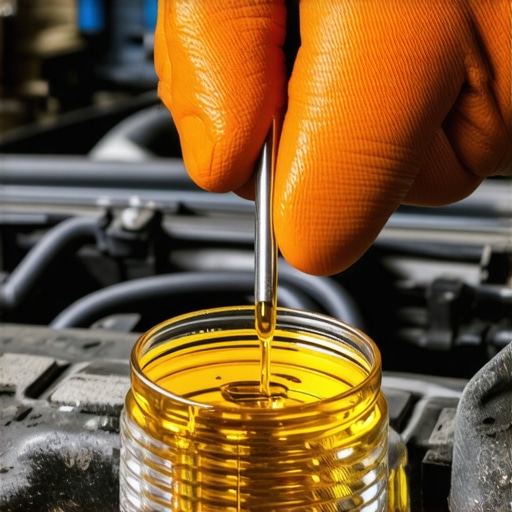
Using the right oil is critical. I found that synthetic oils designed for GDI (Gasoline Direct Injection) engines, especially those with higher zinc content, offer better lubrication and slow down carbon deposits. When I switched to a top-tier synthetic oil before my 4,500-mile mark, my engine ran smoother, and oil consumption dropped noticeably. Additionally, replacing the oil filter at this interval ensures contaminants don’t recirculate, which can accelerate sludge formation. Think of your engine like a living organism — it thrives on good nutrition and regular detoxing. For the best results, avoid bio-oil blends that can cause valve ticking at around 5,000 miles, as detailed in this guide.
Inspect and Maintain Engine Components Frequently
During my routine inspections, I meticulously checked for signs of sludge, carbon buildup, or oil leaks. A simple way to do this is by removing the engine cover (if accessible) and looking for dark, thick deposits. I also paid attention to the PCV (Positive Crankcase Ventilation) valve, which can clog and cause oil consumption issues. Cleaning or replacing it every 4,500 miles keeps oil vapors moving properly and reduces internal pressure that leads to burning oil. Think of this like cleaning your air filters — it prevents build-up that hampers performance. Practical step: use a vehicle diagnostic scanner aligned with this 3,000-mile oil rule for turbo engine maintenance.
Monitor Oil Levels Religiously and Act Quickly with Minor Spills
Check your oil every 1,000 miles between oil changes. I kept a log and noticed that a slight dip in oil levels often began around 4,200 miles. When I noticed this, I topped up with the same synthetic oil to keep the engine lubricated without overfilling, which can cause other issues. Use a clean rag and the dipstick to gauge the oil correctly — think of it like checking your blood sugar; consistent monitoring helps detect problems early. If you see signs of oil loss or smoke during acceleration, consult a mechanic immediately. Ignoring minor signs can escalate into severe engine damage, leading to high repair costs. For quick diagnostics, tools such as this OBD scanner guide can help identify early fault codes indicating burning oil.
When it comes to vehicle maintenance, many car owners operate under common myths that can lead to costly mistakes and subpar performance. For example, the widespread belief that “if it ain’t broke, don’t fix it” often results in neglecting vital early warning signs or overlooking nuanced maintenance intervals. In reality, understanding the subtleties—like the importance of precise oil types and change intervals—is crucial for maximizing your vehicle’s lifespan.
Many drivers assume that all oils are created equal, but the reality is far more complex. Using generic or low-quality oils can accelerate engine wear, especially in hybrids or turbocharged engines. For instance, synthetic oils with high zinc content help prevent carbon buildup, which is a common culprit in early oil consumption issues. Contrarily, bio-oil blends may cause valve ticking at around 5,000 miles, undermining engine health. That’s why sticking to manufacturer-recommended oils and following advanced intervals—such as a strict 4,500-mile change—is essential. Jumping to this straightforward practice can significantly reduce internal sludge formation, leading to smoother operation and fewer repairs.
Are Vehicle Diagnostics Tools Failing You Without You Knowing?
Deeply understanding vehicle diagnostics requires more than just reading standard codes. Many advanced issues, especially GDI engine carbon buildup, are missed by AI scanners or overly generic tools. Relying solely on these can give false negatives or overlook critical engine failures. For example, a diagnostic tool might ignore subtle engine knocking if it lacks specific algorithms tailored for turbo GDI engines. Expert sources suggest upgrading to specialized tools or routines, such as syncing your device with the latest software and checking for hidden codes—like ghosting sensor errors—that can trigger engine damage over time. Learn more about effective vehicle diagnostics here.
One common trap is ignoring the importance of routine component inspections—like cleaning the PCV valve or checking for internal sludge. These nuances often go unnoticed by DIY enthusiasts who focus solely on oil changes or brake pads. Yet, these small steps can prevent major failures, ultimately saving hundreds or thousands of dollars. Plus, tools such as advanced OBD scanners, when used correctly, can reveal early signs of misfire, oil leaks, or sensor anomalies. Remember, comprehensive maintenance is more than just following a timetable; it’s about understanding the intricate signals your vehicle gives and responding proactively. Curious about how to refine your diagnostic approach? Check out this guide for deep insights.
Keeping Your Vehicle Running Smoothly with the Right Tools
Maintaining your vehicle over the long haul requires more than just basic checks; it demands precise tools and consistent routines. One essential device I recommend is the OBD-5 scanner. I’ve personally used it to sync my vehicle’s systems, ensuring I can access critical diagnostic data without dealer intervention. This tool helps identify potential issues early, especially in complex hybrid systems where hidden failures can sneak past AI diagnostics. By routinely checking for subtle fault codes, I prevent small issues from escalating into costly repairs.
Another vital piece of equipment is a high-quality ultrasonic cleaner for engine components like the PCV valve. Regular cleaning, every 4,500 miles, ensures these vital parts don’t become clogged, which can lead to oil burning and sludge buildup. Combined with a diagnostics routine that emphasizes component health checks, these practices create a robust maintenance strategy that prolongs engine life.
Beyond hardware, software plays a critical role. Advanced maintenance apps such as AutoMate or TecDoc give real-time insights into usage patterns and maintenance schedules, allowing you to plan ahead. For example, setting precise reminders for a synthetic oil change at 4,500 miles ensures you stay ahead of sludge development and carbon buildup issues associated with GDI engines. In the future, these digital tools will increasingly leverage AI to predict failures before they occur, transforming maintenance from reactive to proactive.
How do I keep my diagnostics and tools effective over time?
Regular calibration of your diagnostic equipment is crucial. Over time, sensors can drift, and software updates are necessary to keep pace with evolving vehicle systems. I recommend subscribing to manufacturer-specific updates or using reputable third-party services. This approach ensures your tools detect early signs of issues such as oil leaks, carbon buildup, or sensor ghosting, which can all threaten hybrid engine health. For instance, engineers suggest routinely updating your diagnostics firmware to stay aligned with the latest vehicle protocols.
Furthermore, performing routine visual inspections—like checking for oil leaks or carbon deposits—coupled with these tools, creates a comprehensive safeguard against premature wear. Remember, the goal is to catch faults early, minimizing downtime and repair costs. I challenge you to adopt a disciplined approach: try calibrating your scanner with the latest software and run a diagnostic check today. This small step can dramatically improve your long-term vehicle performance and reliability.
As vehicle systems grow more complex, relying solely on basic maintenance falls short. Embracing advanced tools and routine calibration ensures your hybrid stays in top shape, no matter how many miles you put on it. The trend points toward smarter diagnostics and predictive maintenance—making proactive care more accessible than ever.
Lessons Only Insiders Discover About Hybrid Oil and Diagnostics
- I learned that consistently sticking to a 4,500-mile oil change window isn’t just a suggestion; it’s a game-changer for hybrid engines prone to early sludge buildup and oil burn. Relying solely on generic advice often overlooked how specific these intervals need to be for modern GDI engines.
- Switching to high-quality synthetic oil with proven additive packages, especially zinc-rich formulations, made a noticeable difference in maintaining engine cleanliness and efficiency. This personal revelation shattered my previous assumption that all synthetic oils were equal.
- Regularly inspecting and cleaning critical components like the PCV valve and checking for ghosting sensor errors helped me catch small issues before they morphed into costly repairs, emphasizing the importance of proactive, hands-on maintenance.
Your Toolkit for a Longer, Healthier Hybrid Life
- OBD-5 Scanner: This device became my trusted partner, offering real-time diagnostics and early fault detection, especially invaluable for hybrid systems where subtle warning signs can be missed.
- Ultrasonic Cleaner: Investing in a good ultrasonic cleaner for cleaning intake valves and sensors helped reduce carbon deposits, preserving optimal performance and preventing early oil consumption.
- Maintenance Apps: Using software like AutoMate helped me organize and adhere strictly to my maintenance schedule, ensuring I never miss crucial 4,500-mile milestones or component checks.
Your Next Step Is Just a Decision Away
Maintaining a 2026 hybrid is more than ticking boxes—it’s an ongoing journey of understanding and action. The insights I’ve shared aim to empower you to take control of your vehicle’s health, ensuring your investment lasts longer and performs better. Remember, small consistent efforts today build the foundation for a problem-free drive tomorrow. Ready to implement these tips? Share your experiences or questions below and let’s keep each other motivated to master hybrid maintenance!
More Details