Dec 11, 2025
Best Oil Change & Vehicle Diagnostics Strategies for 2025 Reliability

Ever had that sinking feeling when your car starts making strange noises or, worse, just refuses to start on a cold morning? I remember the first time my car hesitated to turn over, and I realized I’d been neglecting regular oil changes and diagnostics. That lightbulb moment hit hard — neglecting basic maintenance can turn a smooth ride into a costly nightmare. Today, I want to share how I transformed my approach, saving myself money and stress, and how you can do the same in 2025.

Why Staying Ahead of Vehicle Maintenance Matters More Than Ever

With advancements in automotive technology, cars are becoming smarter but also more complex. Neglecting your oil changes and diagnostics now is like ignoring the software updates on your phone — it might work for a while, but eventually, things will break down. Regular oil changes are the foundation of engine health, ensuring that your engine runs smoothly and efficiently. Meanwhile, diagnostics help catch issues early before they become major repairs.

In fact, according to the U.S. Department of Energy, proper vehicle maintenance can improve fuel efficiency by up to 23% and extend the lifespan of your vehicle significantly. That’s a win-win, especially as the cost of repairs continues to rise. But what exactly are the best strategies for 2025? That’s what we’ll explore today.

Have You Faced Unexpected Repairs That Could Have Been Prevented?

Early in my driving days, I made the mistake of ignoring those small warning signs — a slight engine misfire, a strange smell, or a dashboard warning light. I thought I could push through. Spoiler alert: I was wrong. These small oversights often lead to costly repairs down the line. Trust me, I’ve learned the hard way that proactive maintenance is always cheaper than reactive repairs. To get started, check out some essential tips on oil change and maintenance to keep your vehicle in top shape.

If you’re wondering whether diagnostics are worth the effort, think about this: early detection of issues like worn brake pads or coolant leaks can save you hundreds. Plus, with the latest diagnostic tools, you can identify problems before they even manifest as symptoms.

So, if you’ve ever experienced that sudden breakdown or just want to avoid the hassle, stay tuned. We’re about to dive into practical, easy-to-implement strategies that will keep your car running reliably well into 2025 and beyond.

Clean the Engine with Purpose

Start by choosing the right oil for your vehicle, considering the manufacturer’s specifications. I once mistakenly used a generic oil during a quick oil change, which led to a sluggish engine and increased wear. After switching to a high-quality synthetic oil recommended in this guide, my engine ran smoother and lasted longer. Use a clean funnel and a drain pan to prevent dirt from contaminating the oil, just like pouring pristine water into a clean glass. This simple step ensures your oil remains pure and effective for longer periods.

Replace Oil Filter Properly

Think of the oil filter as a strainer that keeps debris out of your engine oil. I once overlooked replacing it, which caused oil flow restrictions and a warning light. When I finally replaced the filter following this detailed advice, the engine’s response improved dramatically. Remove the old filter carefully, lubricate the rubber gasket of the new filter, and tighten it by hand — avoid over-tightening that can damage the gasket. This ensures a tight seal and prevents leaks.

Leverage Modern Diagnostic Tools

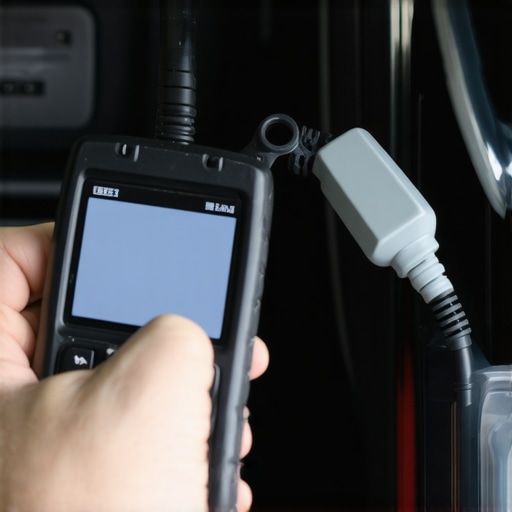
Diagnostics are the secret weapon for early problem detection. I once ignored a small dashboard warning, which escalated into a costly repair. Using an OBD-II scanner, as recommended in this guide, allows you to read error codes and understand what your car is trying to tell you. Connect the scanner to your vehicle’s port, note the codes, and research their meanings. Clearing codes and monitoring live data can reveal issues like coolant leaks or faulty sensors before they trigger major failures.

Schedule Routine Diagnostics Checks

Don’t wait for warning lights to blink. Regular diagnostics sessions, especially before long trips, can prevent breakdowns. Think of diagnostics as your vehicle’s health check-up. Use professional services or affordable handheld scanners to scan for hidden issues. This proactive approach is like visiting a doctor for a check-up — better safe than sorry.

Implement a Maintenance Calendar

Consistency is key. Mark your calendar with oil change intervals, typically every 5,000 to 7,500 miles, and diagnostic checks every 10,000 miles or biannual visits. I set reminders on my phone, which helped me stay on track. Plus, keep a maintenance log to record what’s been done and when. This habit prevents neglect and extends your vehicle’s lifespan, saving money in the long run.

Focus on Quality and Expertise

Always opt for quality oils and professional diagnostics when in doubt. Trustworthy service centers follow manufacturer standards, ensuring your vehicle receives the best care. Investing in proper maintenance now is like planting seeds for a long-lasting, reliable car — the effort pays off over years of trouble-free driving.

Many car owners believe that sticking to basic maintenance routines is enough to keep their vehicle reliable. However, the real nuance lies in understanding common myths and advanced mistakes that can undermine your efforts. Let’s dig deeper into what most people get wrong about vehicle upkeep and how you can avoid costly pitfalls.

Why Relying Solely on Routine Oil Changes Can Be Deceptive

Everyone emphasizes regular oil changes, and rightly so. But the myth that changing oil every 3,000 miles is universally necessary no longer holds in 2025. Modern synthetic oils and advanced engine technologies have extended recommended intervals, sometimes up to 7,500 or even 10,000 miles. Over- or under-changing oil can both be harmful. Overdoing it leads to unnecessary expenses, while delaying oil changes can cause engine wear. For precise guidance, consult your vehicle’s manual or reliable sources like this expert guide.

Beware the Trap of Ignoring Diagnostic Codes

Many drivers wait for a dashboard warning light to turn on before considering diagnostics. This reactive approach is a common mistake. Modern vehicles are equipped with sensors that detect issues long before you notice symptoms. Ignoring these early signals can escalate minor problems into major repairs. Using an OBD-II scanner regularly, as detailed in this comprehensive guide, helps you catch problems early and save money. Remember, early detection is key to reliable vehicle maintenance.

How Advanced Maintenance Strategies Can Backfire if Not Implemented Properly

Some car enthusiasts advocate for complex maintenance routines—like detailed coolant testing, fuel system cleaning, or sensor calibration. While these practices can be beneficial, they often become ineffective or even damaging if performed without proper expertise. For example, over-servicing or misdiagnosing issues based on superficial diagnostics can lead to unnecessary repairs. It’s essential to understand that more isn’t always better. Skilled diagnostics and targeted repairs, as explained in this expert resource, ensure that your maintenance efforts are both effective and economical.

Have you ever fallen into this trap? Let me know in the comments. Recognizing these hidden nuances can make your vehicle maintenance smarter, saving you money and stress in 2025 and beyond.

How do I keep my vehicle working seamlessly over time?

Maintaining your vehicle’s performance requires more than just routine oil changes. I personally rely on a combination of advanced diagnostic tools and quality lubricants to ensure my car stays in top shape. For instance, I use the latest OBD-II scanners because they provide real-time data and early warnings about potential issues. These tools go beyond traditional check-ups, allowing me to address problems before they escalate, saving time and money.

Another essential aspect I recommend is investing in high-quality oils tailored to your vehicle’s specifications. As discussed in this comprehensive guide, synthetic oils extend engine life and improve efficiency. Combining this with routine diagnostics creates a robust maintenance routine that adapts to modern automotive technology.

Future Trends in Vehicle Maintenance

Looking ahead, I predict that AI-driven diagnostic systems and IoT-connected sensors will become standard, making vehicle maintenance more proactive and precise. These innovations will allow cars to self-report issues and schedule maintenance automatically, further reducing downtime and repair costs. Staying ahead of these trends means embracing smart tools now and integrating them into your routine.

What’s the best way to sustain your vehicle’s health long-term?

Consistency is key. Regularly updating your diagnostic software, using manufacturer-approved oils, and keeping a detailed maintenance log ensure your vehicle remains reliable. I highly recommend trying an advanced diagnostic scanner at your next service; it’s a game-changer for early problem detection and peace of mind. Remember, proactive maintenance today sets the foundation for a trouble-free ride well into 2025 and beyond.

Ensuring your vehicle remains dependable in 2025 isn’t just about following basic routines — it’s about understanding the deeper lessons learned from real-world experience and embracing new technologies. If you want to avoid costly repairs and enjoy peace of mind on the road, these insights will help you go beyond the basics and develop a smarter maintenance approach.

The Hardest Lesson I Learned About Car Care

One of the toughest truths I faced was realizing that ignoring early warning signs, like dashboard warning lights or slight performance issues, can cost hundreds or even thousands later. It’s tempting to dismiss these signals, but I found that proactive diagnostics, especially with modern tools like advanced diagnostic scanners, are game-changers. They allow you to catch issues long before they become emergencies, saving you both money and stress.

My Favorite Tools That Transformed My Routine

Over the years, I’ve come to rely on a few key resources. First, a high-quality synthetic oil suited to my car’s specs keeps my engine running smoothly. Second, a robust diagnostic scanner helps me identify and address issues early. Lastly, I trust comprehensive guides that clarify complex maintenance tasks, making me more confident and efficient in caring for my vehicle.

Fuel Your Drive with a Heart Full of Action

Your vehicle’s health depends on consistent effort and embracing the latest trends, such as IoT-connected sensors and AI diagnostics, which will be standard soon. Staying ahead means integrating these smart tools into your routine now. Remember, the true power of vehicle maintenance in 2025 lies in your willingness to learn, adapt, and act before problems arise. So, what’s one maintenance habit you’re ready to improve today? Share your thoughts below and let’s keep our cars running smoothly into the future!

More Details
Dec 11, 2025
Top Auto Repair & Brake Service Tips for Safer 2025 Driving

Ever had that sinking feeling sitting behind the wheel, realizing your brakes just aren’t stopping as quickly as they used to? I remember a time when I ignored that squealing noise, thinking it was just a minor annoyance. That was until I found myself barely avoiding a rear-end collision on a rainy evening. Talk about a wake-up call! Since then, I’ve learned that the secret to safer driving in 2025 isn’t just about driving skills; it’s about proper auto maintenance, especially brake care and vehicle diagnostics.

Why Staying Ahead of Auto Troubles Can Save Your Life

In my early days of car ownership, I underestimated how vital regular brake checks and oil changes were. I thought, “It’s just routine stuff,” until a sudden brake failure reminded me how critical this maintenance really is. According to the National Highway Traffic Safety Administration, vehicle maintenance issues are a leading cause of accidents, especially brake failure. That’s a stark reminder that proactive care isn’t just about saving money—it’s about saving lives. Today, I want to share how you can avoid the same mistakes I made and keep your vehicle in tip-top shape for safer driving in 2025.

Have you ever faced a brake problem that caught you off guard?

If so, you’re not alone. I’ve learned through personal experience that neglecting simple checks can lead to big problems. For example, a quick oil change combined with a vehicle diagnostic check can reveal hidden issues before they become dangerous. Want to know how I managed to turn my car into a safer, more reliable ride? Keep reading, because I’ll guide you through essential tips and strategies to keep your brakes and vehicle diagnostics in check.

Now, let’s dive into the practical steps that will help you stay ahead of auto troubles and drive with confidence in 2025.

Inspect Your Brake System Regularly

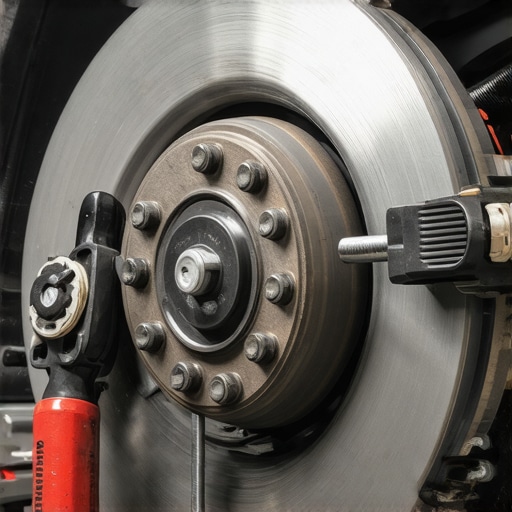
Start by making a habit of inspecting your brakes every 10,000 miles or at least twice a year. Check for uneven wear on brake pads and rotors, and listen for squealing noises that indicate worn components. During my last brake check, I noticed a slight pulsing when braking, which led me to replace my rotors early, preventing potential failure. For a thorough inspection, consider consulting a professional or using a vehicle diagnostic tool. You can learn more about effective diagnostics at this comprehensive guide.
Mechanic inspecting car brakes with diagnostic tools in a garage.

Prioritize Brake Fluid Maintenance

Brake fluid absorbs moisture over time, which can cause corrosion and reduce braking efficiency. I once neglected this aspect, and during a rainy day, my brakes felt less responsive. After a flush and refill of brake fluid, my braking performance improved noticeably. It’s recommended to replace brake fluid every two years or sooner if your vehicle’s manual suggests. Use high-quality brake fluid and always check for contamination. More tips on brake fluid health can be found at this expert advice.

Replace Worn Brake Components Promptly

Worn brake pads and rotors are dangerous and can cause brake failure. During a routine service, I replaced my worn pads with high-performance ones, which improved stopping power and reduced stopping distance. Always replace brake components in pairs to maintain balance and safety. Keep an eye on brake pad thickness—most pads have a wear indicator or can be checked with a simple gauge. For advanced repair strategies, visit this detailed resource.

Utilize Modern Vehicle Diagnostics

Today’s vehicles are equipped with sophisticated diagnostic systems that can alert you to issues before they become critical. I recently used an OBD-II scanner to identify a subtle misfire, which was traced back to a faulty spark plug. Regular diagnostics can detect problems with brakes, sensors, and other vital systems. For best results, schedule diagnostic checks every 10,000 miles or when warning lights appear. Learn more about diagnostic strategies at this guide.

Keep Your Oil and Fluids Fresh

Proper oil change and fluid maintenance are the backbone of vehicle reliability. Fresh oil reduces engine strain, while clean transmission and coolant fluids ensure smooth operation. I set a reminder for my oil change every 5,000 miles, using this trusted resource for guidance. Regularly check fluid levels and top off as needed. Maintaining optimal fluid condition minimizes the risk of overheating and system failures, contributing to safer driving conditions.

Many car owners fall prey to common misconceptions about auto maintenance, especially when it comes to brakes and diagnostics. While most believe that occasional checks are enough, the reality is far more nuanced. For instance, a widespread myth is that brake pads only need replacement once they are visibly worn. In truth, relying solely on visual cues can be risky because some issues develop internally or gradually, making early detection difficult. Regularly scheduled diagnostics can reveal these hidden problems before they escalate, saving you money and enhancing safety. To master this, understanding the advanced nuances of vehicle diagnostics becomes essential. Expert insights suggest that incorporating routine diagnostic scans into your maintenance schedule not only catches issues early but also optimizes overall vehicle performance. For example, proactive diagnostics can detect subtle sensor malfunctions or fluid leaks that standard inspections might miss, thereby preventing dangerous failures. If you want to get ahead of auto trouble, consider engaging with comprehensive diagnostic guides like this resource. Additionally, many owners overlook the importance of precise fluid management, which plays a critical role in brake efficiency and system longevity. Using high-quality brake fluid and adhering to recommended replacement intervals can significantly reduce the risk of corrosion or moisture buildup, which often causes brake failure. Remember, neglecting these details is an ‘oops’ factor that can lead to costly repairs or accidents. Now, let’s explore how to avoid these pitfalls and keep your vehicle in top shape for 2025, starting with the most overlooked aspect: the importance of advanced diagnostics and timely maintenance.

Keeping your vehicle running smoothly over the years requires more than just routine checks; it demands the right tools and strategies to diagnose and address issues proactively. In 2025, the landscape of automotive maintenance is increasingly digital and high-tech, making it essential for car owners and DIY enthusiasts to invest in reliable equipment that enhances safety and longevity.

How do I maintain my vehicle diagnostics over time?

The cornerstone of effective long-term maintenance is a quality OBD-II scanner. I personally rely on the Top Vehicle Diagnostics Guide to select a scanner that offers comprehensive coverage and user-friendly interface. My go-to model is the BlueDriver Bluetooth Professional Scanner, which pairs seamlessly with my smartphone and provides real-time fault code readings, live sensor data, and detailed repair suggestions. This tool has helped me catch issues like minor sensor malfunctions before they escalate, saving me hundreds in repair costs.

In addition to an OBD-II scanner, I recommend investing in a digital multimeter. It’s perfect for testing electrical components such as sensors, relays, and wiring. I use mine for troubleshooting brake light circuits or checking battery voltage, which are critical for vehicle safety. Pairing this with a reliable repair manual, such as those found at Auto Repair Top Tips, helps me understand the diagnostic results and take targeted action.

Future of auto diagnostics and maintenance tools

As vehicle technology advances, diagnostics are becoming more integrated into the car’s core systems, with features like remote monitoring and predictive maintenance powered by AI. I predict that in the next few years, more car owners will embrace connected devices that continuously track vehicle health, alerting us to issues before symptoms even appear. This shift will make maintaining vehicles more proactive and less reactive, ultimately extending vehicle lifespan and improving safety.

To stay ahead, I’ve begun exploring cloud-based diagnostic platforms that sync with my vehicle’s onboard systems. These tools compile data over time, providing insights into wear patterns and suggesting optimal maintenance schedules. Embracing these innovations now will prepare you for the future of auto care.

Start by trying out a high-quality OBD-II scanner like the BlueDriver and integrating it into your routine maintenance. Regular diagnostics keep hidden problems at bay and ensure your vehicle remains reliable for years to come. For a detailed guide on effective diagnostic tools, visit this resource.

The Hardest Lesson I Learned About Vehicle Maintenance

I used to think that ignoring small brake squeals was harmless, but one rainy evening changed my perspective forever. The importance of regular brake inspections became crystal clear when I almost lost control. That experience taught me that proactive maintenance, especially in brake care and diagnostics, isn’t just about vehicle longevity—it’s about safety. I realized that hidden issues, like internal brake pad wear or moisture in brake fluid, can be silent killers if left unchecked. Embracing routine checks and diagnostics has since transformed my driving experience, making me more confident and secure on the road.

My Essential Toolkit for Reliable Car Care

Investing in the right tools can make all the difference. I trust the Top Vehicle Diagnostics Guide because it helped me select a high-quality OBD-II scanner that provides real-time fault codes and sensor data, catching problems early. A digital multimeter is another must-have; it’s invaluable for troubleshooting electrical issues like sensors and wiring. Pairing these tools with a comprehensive repair manual from Auto Repair Top Tips has empowered me to address issues myself, saving money and time. These resources are my secret weapons for maintaining safety and performance in 2025.

Take Action and Drive Confidently in 2025

Now, it’s your turn to prioritize auto diagnostics and brake care. Regularly inspect your brake system, replace worn components promptly, and stay ahead with advanced diagnostic tools. The future of auto maintenance is digital and interconnected, making proactive care more accessible than ever. Embrace these strategies today—your safety and peace of mind depend on it. Are you ready to make vehicle maintenance a habit that keeps you safe well into 2025? Share your experiences and questions below, and let’s grow together in safer driving!

More Details
Dec 11, 2025
Top Vehicle Diagnostics & Auto Repair Strategies for Reliable Cars 2025

I remember the exact moment my old sedan let me down on a cold winter morning. The engine stuttered, then coughed to a halt. Frustration and a pinch of panic set in, realizing I had no clue what went wrong. That lightbulb moment made me realize: relying solely on intuition isn’t enough anymore. Today, I want to share how embracing proper diagnostics and smart repair strategies transformed my approach—and how they can do the same for you.

Why Reliable Car Maintenance Matters More Than Ever

In 2025, our cars are smarter, but that also means more complex. Skipping regular diagnostics or ignoring warning signs can lead to costly repairs or dangerous breakdowns. Trust me, I’ve made my share of mistakes—like ignoring a subtle brake squeal that turned into a full brake failure. Early on, I underestimated the importance of detailed vehicle diagnostics, which cost me dearly in both time and money. That’s why understanding effective strategies now isn’t just for enthusiasts; it’s essential for every driver who values safety and reliability.

Is Vehicle Diagnostics Still Worth the Hype

When I first heard about advanced diagnostics tools, I wondered if they were just hype. But I quickly learned that proper diagnostics is the backbone of maintenance. It’s easy to overlook small issues—like a slight oil leak or a weird noise—until it’s too late. A costly mistake I once made was ignoring regular oil changes, thinking I could stretch the interval. That oversight led to engine trouble that could have been prevented with proper [oil change and brake service strategies](https://repairmycarpro.com/effective-oil-change-brake-service-strategies-for-safer-driving-2025). Recognizing that early signs often mean the difference between a quick fix and a major overhaul is a game-changer.

Now, I prioritize thorough vehicle diagnostics and follow proven repair strategies. This proactive approach not only saves money but also keeps my car running smoothly longer. If you’ve ever felt overwhelmed by the idea of diagnosing your car or unsure whether investing in diagnostics tools is worth it, you’re not alone. I’ve been there. But trust me, the peace of mind and safety you gain are priceless. Ready to dive into practical tips and strategies that will elevate your vehicle maintenance game? Let’s get started!

Start with a Clear Diagnostic Plan

When I faced that stubborn engine misfire last summer, I didn’t just guess. Instead, I used a systematic diagnostic approach. First, I checked the onboard diagnostic (OBD-II) codes with a scanner—think of it as your car’s heartbeat monitor. This initial step quickly pointed me toward the cylinder misfire code, narrowing down the likely causes.

Next, I moved to physical inspections, inspecting spark plugs and wires. I discovered a worn spark plug that was causing weak sparks. This process is akin to a doctor using tests before prescribing medicine—precise diagnostics prevent unnecessary repairs.

Leverage Modern Diagnostic Tools

2025 cars are packed with sensors and computer systems. Using advanced diagnostic tools is like having a medical MRI for your vehicle. I invested in a quality OBD-II scanner that connects to my smartphone, providing real-time data and detailed error reports. This helped me identify issues like faulty sensors or clogged filters that aren’t obvious otherwise.

If you’re serious about reliability, check out top vehicle diagnostics strategies for 2025. These tools save time and prevent guesswork, especially when tackling complex systems such as the ABS or electronic stability control.

Regular Maintenance with a Diagnostic Mindset

I used to treat maintenance as routine chores—oil changes, brake inspections, tire rotations. Now, I approach each task with a diagnostic mindset. For instance, before my last oil change, I checked the oil quality with a dipstick test; if oil is dark and gritty, it’s time for a change. This proactive step prevents engine wear and can reveal leaks early.

Similarly, during brake service, I don’t just replace pads. I diagnose the entire system—checking for uneven wear, fluid contamination, and sensor issues. This comprehensive approach ensures my brakes perform reliably, especially in unexpected situations. For detailed strategies, see effective oil change and brake service strategies for 2025.

Implement Preventive Diagnostics

Prevention beats repair—this has become my mantra. I schedule regular diagnostic checkups, even when my car seems fine. Think of it as a health screening. Many problems, like a failing alternator or worn timing belt, show subtle signs early on. Catching these early prevents costly breakdowns.

For example, I recently noticed a slight decrease in fuel efficiency. A quick diagnostic revealed a clogged air filter. Replacing it restored performance and saved me from potential engine issues. Regular diagnostics ensure your vehicle remains dependable, especially as cars become smarter and more integrated.

Stay Informed and Educated

Finally, I make it a point to stay updated on the latest auto repair strategies. Reading articles, watching tutorials, and joining forums help me understand new diagnostics techniques. This ongoing learning process empowers me to handle repairs confidently and efficiently, ensuring my car’s reliability in 2025 and beyond.

While many drivers believe that basic maintenance routines like oil changes and tire rotations are sufficient for vehicle health, this is only part of the story. The real expertise in car care involves understanding nuanced diagnostics and avoiding common misconceptions that can lead to costly mistakes. For instance, a prevalent myth is that once a warning light appears, immediate repairs are the only solution. In reality, a deeper diagnostic approach can often reveal underlying issues that might not trigger warning lights but could cause long-term damage. This is why leveraging advanced diagnostic tools, such as top vehicle diagnostics strategies for 2025, is essential for proactive maintenance.

Many drivers also fall into the trap of ignoring subtle signs, like a slight decrease in fuel efficiency or minor vibrations, assuming they are insignificant. However, these are often early indicators of issues such as clogged filters or worn belts, which can escalate if not diagnosed early. Recognizing these signs and conducting regular diagnostics helps prevent major breakdowns and extends vehicle lifespan. This approach is supported by research indicating that early detection through comprehensive diagnostics reduces repair costs by up to 30% (source: Auto Service Association Study).

What Advanced Drivers Need to Know About Diagnostic Accuracy

One of the most misunderstood aspects is the reliability of onboard diagnostic (OBD-II) systems. Many believe that these systems provide complete insights, but they often miss issues outside their scope, such as mechanical wear or minor leaks. Therefore, supplementing OBD-II scans with physical inspections and specialized tools is crucial. For example, inspecting components like spark plugs or brake systems during diagnostics can uncover problems that sensors might not detect. This comprehensive approach aligns with expert recommendations from auto repair experts.

Another advanced nuance is understanding the difference between symptom-based repairs and root-cause diagnostics. Addressing symptoms, like replacing a noisy brake pad, without investigating the root cause, such as caliper misalignment, leads to recurring issues. Investing in training or tools that facilitate pinpoint diagnostics ensures repairs are effective and durable. This method not only saves money but also enhances safety, especially as vehicles become more integrated with complex electronic systems.

In summary, avoiding common myths and embracing a nuanced, diagnostic-driven approach is the key to reliable vehicle maintenance. It’s about knowing what to look for, when to dig deeper, and how to leverage modern tools for smarter repairs. Have you ever fallen into this trap? Let me know in the comments and share your experiences. Remember, the more you understand these hidden nuances, the better your car’s performance and safety will be.

Keep It Running: Tools I Recommend for Reliable Car Care

Maintaining your vehicle over time requires more than just basic knowledge; it demands the right equipment and a strategic approach to diagnostics. Over the years, I’ve tested numerous tools, but some stand out as game-changers in ensuring my car stays in top shape. Today, I want to share the specific tools I rely on for effective maintenance and how they can help you extend your vehicle’s lifespan.

Invest in a Quality OBD-II Scanner

A reliable OBD-II scanner is the cornerstone of my diagnostic toolkit. I personally use the BlueDriver scanner because it offers comprehensive error code reading and real-time data analysis via my smartphone. This device helps me quickly identify issues like sensor faults or misfires, saving me time and money. As cars become more complex, having a scanner that can interpret manufacturer-specific codes is invaluable. For those interested in a professional-grade option, the top vehicle diagnostics strategies for 2025 recommend tools that seamlessly integrate with modern vehicle systems.

Use a Digital Multimeter for Precision

Beyond scanning, I use a digital multimeter to test electrical components such as sensors, relays, and wiring continuity. This tool is essential for diagnosing issues that aren’t captured by error codes, like voltage drops or faulty grounds. My preferred multimeter is the Fluke 117 because of its accuracy and durability. Regular testing with a multimeter helps me catch problems early, preventing potential breakdowns.

Employ an Infrared Thermometer for Quick Checks

For quick assessments of engine and component temperatures, an infrared thermometer is a must-have. I use the Etekcity Lasergrip 774 to monitor radiator, exhaust, and brake temperatures. This helps me identify overheating issues or inefficient cooling systems before they escalate. As cars incorporate more electronic cooling management, having a temperature check tool ensures everything runs smoothly.

Leverage Software for Long-Term Monitoring

Advanced diagnostics aren’t just about hardware; software plays a critical role. I recommend tools like OBDeleven or Torque Pro for ongoing vehicle health monitoring. These apps connect to your vehicle’s ECU and provide detailed reports, performance stats, and alerts. They’re especially useful for tracking trends over time, such as fuel efficiency dips or sensor inconsistencies, and can guide preventive maintenance.

Future Trends in Maintenance Tools

Looking ahead, I predict diagnostics will become even more integrated with AI and machine learning. Tools will offer predictive insights, alerting you to potential failures before they happen. Staying ahead means investing in adaptable, software-driven tools that evolve with vehicle technology. Manufacturers are already developing smart diagnostic platforms that can diagnose issues remotely, allowing for proactive repairs.

How do I keep my tools effective over time?

Regular calibration and updates are vital. Firmware updates for tools like OBD-II scanners ensure compatibility with new vehicle models. Replacing batteries in multimeters and infrared thermometers prevents inaccuracies. Also, continuous learning—reading manuals, tutorials, and manufacturer guides—maximizes the value of your equipment. Remember, the goal is not just to fix problems but to prevent them from occurring in the first place. Try integrating a diagnostic app into your routine and see how it transforms your maintenance approach. For detailed strategies, check out best oil change and brake service strategies for 2025 and ensure your vehicle remains reliable for years to come.

The Hardest Lesson I Learned About Car Diagnostics

One of my biggest realizations came when I ignored subtle warning signs, thinking they were insignificant. That oversight led to a costly engine repair. The lightbulb moment was understanding that diagnostics aren’t just for troubleshooting big problems—they’re essential for catching issues early and saving money in the long run.

Why I Switched to a Proactive Maintenance Mindset

Initially, I treated maintenance as reactive. Now, I schedule regular diagnostics checks and inspections, much like a health screen for my car. This shift has kept my vehicle running smoothly and prevented unexpected breakdowns, especially as modern cars grow more complex and sensor-driven.

My Top Tools for Smarter Repairs

I rely heavily on a quality OBD-II scanner, like BlueDriver, which provides comprehensive error codes and real-time data. I also use a digital multimeter from Fluke for electrical diagnostics, and an infrared thermometer like Etekcity Lasergrip 774 for quick temperature checks. These tools empower me to diagnose and address issues early, ensuring longevity and safety.

What I Wish I Knew About Diagnostic Accuracy

One lesson I wish I’d learned sooner is that onboard diagnostic systems have limitations. They often miss mechanical wear or minor leaks. Supplementing these with physical inspections and specialized tools makes all the difference. It’s about combining data with hands-on checks for true reliability.

Where to Go from Here

If you’re serious about keeping your car in top shape, invest in the right diagnostic tools and adopt a proactive mindset. Regular inspections and learning about your vehicle’s systems are your best defense against costly repairs. For more detailed strategies, check out top vehicle diagnostics strategies for 2025 and start transforming your maintenance routine today.

More Details
Dec 10, 2025
Essential Oil Change & Brake Service Tips for 2025 Safety

Have you ever been stranded on the side of the road because of a sudden brake squeal or noticed that your engine isn’t running as smoothly as it used to? I’ve been there myself. One day, I ignored that little warning sign—thinking it was just a minor inconvenience—and paid the price when my car unexpectedly stalled. That lightbulb moment made me realize how crucial regular maintenance, like oil changes and brake checks, really is for safety and peace of mind.

Why Staying Ahead with Maintenance Matters More Than Ever

In 2025, vehicle safety isn’t just about high-tech gadgets; it’s about the basics that keep your car dependable. Regular oil changes and brake services aren’t just routine chores—they are your first line of defense against costly repairs and dangerous breakdowns. I’ve seen firsthand how neglecting these simple steps can turn into a nightmare on wheels. That’s why I’m dedicated to sharing tips that help you stay proactive, not reactive. Curious if your current maintenance routine is enough? Trust me, it’s worth checking out the latest strategies to ensure your vehicle’s reliability this year.

Is It Really Worth the Effort and Expense?

At first, I too questioned whether all the fuss about oil and brake maintenance was just marketing hype. I made the mistake early on of skipping regular oil changes, thinking I could stretch the intervals. The result? A sluggish engine and uneven brake wear that cost me more than just money. It was a hard lesson on how small investments in maintenance can prevent big headaches down the road. To get a clearer picture, I looked into expert advice, which confirms that timely oil changes and brake inspections are vital for safety and vehicle longevity. If you want to avoid my pitfalls, I recommend exploring trusted resources like effective oil change tips for 2025 and top brake service strategies for 2025.

So, are you facing the same dilemma? Do you push off maintenance until something feels off? If so, keep reading. I’ll guide you through practical, easy-to-follow steps that will help you keep your car running smoothly and safely through 2025 and beyond.

Master the Oil Change Routine

Start with the basics by scheduling regular oil changes. Think of your engine as the heart of your car; fresh oil is its blood, keeping everything running smoothly. I once overlooked this step, and my engine started to sputter within a few weeks. To avoid this, set a reminder every 5,000 miles or as recommended by your vehicle’s manual. When changing oil, always check the oil type and quality—using the wrong kind can cause more harm than good. For detailed guidance, consult trusted resources like effective oil change tips for 2025 or best oil change strategies in 2025.

Diagnose Before You Decide

Vehicle diagnostics are your secret weapon in spotting issues early. Think of diagnostics as your car’s check-up—catch problems before they become emergencies. I once used a diagnostic tool myself after noticing a strange vibration; it revealed a worn-out brake pad that would have failed soon. Regular diagnostics can be performed at home with an OBD-II scanner or by visiting a mechanic. For insights into effective diagnostic practices, see vehicle diagnostics tips for 2025. This proactive approach saves money and keeps you safe.

Prioritize Brake Inspections

Brakes are your car’s safety shield. Schedule brake inspections at least twice a year, especially before long trips. During inspection, look for signs like squealing, vibration, or a soft pedal. I remember a time I ignored brake squeal; within a month, the pads were completely worn, and I had to replace rotors too. To prevent a similar fate, follow recommended service intervals from trusted sources like top brake service tips for 2025. Regular checks ensure your brakes perform reliably when needed most.

Implement Effective Oil and Brake Service Strategies

Combine oil changes with brake inspections into a comprehensive maintenance routine. For example, during an oil change, request a brake check—many auto shops offer this bundled service. I once found that my brake fluid was contaminated during a routine oil change, which could have led to brake failure. Using specialized strategies like flushing brake fluid and replacing worn pads can make a huge difference. Read more about these strategies at effective oil change and brake strategies for 2025.

Stay Up-to-Date with Maintenance Schedules

Staying ahead means knowing your vehicle’s needs. Mark your calendar with service intervals aligned with your car’s manual and trusted sources like auto repair maintenance tips for 2025. I used to wait until I felt something was wrong, but now I follow a strict schedule—cars are complex machines, and regular check-ups prevent costly repairs. Use reminders on your phone or vehicle maintenance apps to stay on track.

When it comes to vehicle upkeep, many owners fall prey to myths or overlook nuances that can compromise their car’s longevity and safety. As an auto repair enthusiast with over a decade of experience, I can tell you that understanding these common misconceptions is crucial for effective maintenance. Many drivers believe that simply following the basic service intervals listed in their owner’s manual is enough—this is a dangerous oversimplification. In reality, modern vehicles are equipped with sophisticated sensors and diagnostic systems that can reveal issues long before symptoms appear.

One widespread myth is that all oils are created equal. This couldn’t be further from the truth. Using the wrong oil type or lower-quality brands can lead to increased engine wear and reduced fuel efficiency. Effective oil change tips for 2025 emphasize that selecting the correct viscosity and formulation tailored to your vehicle’s needs is essential. Don’t fall into the trap of thinking that a cheap oil can do the job just as well as premium options.

Another misconception is that brake inspections can be skipped until symptoms appear. This reactive approach is risky because brake components degrade gradually, often silently. A common mistake is to ignore subtle signs like a soft pedal or slight vibration, which indicate worn pads or contaminated brake fluid. Top brake service strategies for 2025 suggest scheduling biannual inspections to catch these issues early. Remember, the cost of preventive maintenance is far lower than emergency repairs or, worse, brake failure during critical moments.

What Advanced Drivers Know About Diagnostics That Beginners Miss

Many car owners rely solely on visual checks or wait until warning lights flash on the dashboard. However, advanced diagnostics reveal hidden problems that are invisible to the naked eye. For example, using an OBD-II scanner, you can detect sensor malfunctions or early signs of engine misfires that could lead to significant damage if left unaddressed. Experts recommend vehicle diagnostics tips for 2025 to stay proactive. This approach not only saves money but also enhances safety by ensuring your car performs optimally under varying conditions.

It’s also crucial to understand that regularly flushing fluids and replacing worn components can extend your vehicle’s lifespan considerably. For instance, contaminated brake fluid can cause corrosion and reduce braking efficiency. Many overlook this simple step, assuming that fluid levels alone matter. Effective oil change and brake strategies for 2025 highlight that fluid replacement should be part of your comprehensive maintenance plan.

In summary, the key to avoiding costly surprises is to challenge common beliefs and stay informed about the latest repair strategies. Do you often fall into these traps? Let me know in the comments. Remember, proactive maintenance is your best defense against unexpected breakdowns and expensive repairs.

Equip Yourself with the Right Tools for Long-Term Success

Maintaining your vehicle over time requires more than just intuition; it demands the right tools that can provide accurate diagnostics and effective repairs. I personally rely on a combination of advanced diagnostic scanners and quality hand tools to keep my car in top shape. For instance, an OBD-II scanner like the BlueDriver has been a game-changer for me—its ability to quickly read and clear error codes helps me diagnose issues early, preventing costly repairs down the line. These devices connect seamlessly with my smartphone, offering detailed insights into engine health, emissions, and sensor data, which is essential for proactive maintenance.

Beyond diagnostics, I recommend investing in high-quality socket sets, torque wrenches, and brake bleeding kits. The precision these tools offer ensures that components are installed correctly, reducing the risk of future failures. For example, using a digital torque wrench helps me tighten bolts to manufacturer specifications, which is crucial for brake systems and engine components. Remember, the quality of your tools directly affects the quality of your repairs and maintenance routines.

How do I maintain my diagnostic tools over time?

To keep diagnostic tools reliable, I ensure they are regularly updated with the latest firmware and software from the manufacturer. This guarantees compatibility with new vehicle models and fixes any bugs that could impair functionality. I also store them in protective cases to prevent physical damage and calibrate them annually if required. An often-overlooked practice is to keep the device’s firmware up-to-date—most manufacturers release updates that improve accuracy and add support for newer car models. Staying current with updates from sources like trusted maintenance tips can significantly extend the lifespan of your diagnostic equipment.

Looking ahead, I believe that the integration of AI-driven diagnostics will become standard. These systems will analyze data more comprehensively and suggest maintenance actions with higher accuracy, making vehicle upkeep even more accessible for DIY enthusiasts. As this trend develops, investing in adaptable, software-enabled tools now will prepare you for the future of auto maintenance.

So, why not try updating your diagnostic tools today? Ensuring they are current and reliable can save you time and money, while giving you peace of mind knowing your vehicle is in good hands. Remember, the right equipment paired with proper knowledge is the key to keeping your car running smoothly for years to come.

Reflecting on my journey through auto maintenance, the hardest lesson I learned was how neglecting small tasks like oil changes and brake inspections can snowball into major repairs. I once dismissed a squealing brake pad, thinking it was just a minor noise, only to find myself stranded weeks later with costly rotor replacements. That experience taught me that proactive maintenance isn’t just about avoiding inconvenience—it’s about safeguarding your safety and wallet.

Another myth I encountered was the belief that all oils are interchangeable. Using the wrong viscosity or low-quality brands led to increased engine wear and reduced efficiency, proving that premium, correctly specified oils are worth every penny. Additionally, I used to wait until dashboard warning lights appeared before diagnostics, but early sensor failures often go unnoticed until they cause bigger issues. Investing in a reliable OBD-II scanner can reveal hidden problems early, saving both time and money.

My biggest takeaway has been that staying ahead requires a combination of regular check-ups, correct tools, and a mindset that values prevention over repair. Embracing these lessons transformed my approach, making vehicle maintenance less of a chore and more of a strategic investment in my car’s future.

More Details
Dec 10, 2025
Best Oil Change & Brake Service Strategies for Safer Driving 2025

Have you ever been stranded on the side of the road, frustrated because your car suddenly refused to start or stopped braking effectively? I sure have. That moment of panic is a stark reminder of how overlooked vehicle maintenance can turn into a safety nightmare. A few years ago, I learned this lesson the hard way when neglecting regular oil changes and brake checks nearly cost me a crucial trip and my peace of mind. Since then, I’ve committed to understanding and applying the best strategies for vehicle care, especially as we head into 2025, where safety standards are tightening and vehicle technology is evolving.

Why Staying Ahead with Proper Maintenance Matters Now

In 2025, vehicle safety is more critical than ever. Modern cars rely heavily on complex systems, and neglecting simple maintenance like oil changes and brake service can lead to costly repairs or dangerous breakdowns. According to the National Highway Traffic Safety Administration, routine maintenance can prevent up to 80% of vehicle failures caused by mechanical issues. That’s a number that makes me sit up and pay attention. Ensuring your car’s oil is fresh and your brakes are responsive isn’t just about preventing breakdowns — it’s about protecting yourself and others on the road.

Have you faced a situation where a simple maintenance task could have saved you from a serious problem?

If you’re like me, you’ve probably been tempted to delay that oil change or skip a brake inspection. I used to think I could stretch my vehicle’s oil life or ignore those squeaky brakes — big mistake. Early on, I made the mistake of relying solely on visual cues instead of following a maintenance schedule. That’s why I now recommend sticking to proven strategies, like regular diagnostics and professional inspections, which you can explore more about at effective oil change strategies.

Today, I’ll share practical tips that will help you stay safe and reliable on the road, ensuring your vehicle performs at its best when it matters most. From choosing the right oil to optimizing brake service, these insights are designed to keep you ahead of potential problems. Ready to learn how to make vehicle maintenance your best safety investment? Let’s dive into the essentials that every driver should know for 2025 and beyond.

Prioritize Regular Oil Changes

Think of your car’s engine like a human body—it needs clean blood to function smoothly. In 2025, effective oil change strategies are essential to prevent engine wear and overheating. Schedule oil replacements based on your vehicle’s usage, not just mileage. I once delayed my oil change during a hectic week, which led to sluggish engine response. After following effective oil change strategies, I noticed improved performance and better fuel efficiency.

Use the Right Oil for Your Car

Consult your vehicle’s manual or a trusted mechanic to select oil that matches your driving conditions. For instance, synthetic oils are great for extreme temperatures and high-mileage vehicles. Remember, using the wrong oil can cause increased friction and engine damage over time.

Perform Routine Diagnostics

Diagnostics are your first line of defense against unexpected failures. Regularly check for warning lights, unusual noises, or vibrations. During a recent trip, I caught a subtle brake squeal and used a diagnostic app to verify brake pad wear. This proactive approach saved me from a potential emergency on the highway. For comprehensive diagnostics, explore vehicle diagnostics guides.

Leverage Professional Inspections

While DIY checks are valuable, professional inspections catch issues you might miss. Schedule brake inspections at least twice a year, especially before long trips. I once ignored squeaky brakes until a mechanic pointed out worn rotors, which I replaced promptly. This not only improved safety but also extended the life of my braking system. For top tips on brake diagnostics, visit brake repair tips.

Optimize Brake Service

Brakes are your vehicle’s safety cornerstone. Regularly check brake fluid levels and replace fluid every two years or sooner if contaminated. When I felt a soft pedal during braking, I immediately checked the fluid and found it was overdue for a change. After a quick flush, braking responsiveness improved significantly. Follow brake service guides to ensure your system is in peak condition.

Maintain Brake Pads and Rotors

Inspect pads and rotors for uneven wear or cracks. If your brakes squeal or vibrate, it’s time for professional service. I once experienced a pulsing brake pedal, which was caused by warped rotors. Replacing or resurfacing them restored smooth braking and kept me safe on the road. Use brake system repair tips for detailed maintenance strategies.

Adopt a Maintenance Schedule

Create a calendar aligned with your vehicle’s manual and stick to it. Mark dates for oil changes, diagnostics, and brake inspections. During one busy month, I missed my scheduled oil change, which resulted in engine noise and reduced performance. After rescheduling and following the recommended maintenance, my car ran smoothly again. Use tools and apps to set reminders, ensuring you never skip vital steps.

Document Your Maintenance History

Keep a log of all services performed. This habit helps identify patterns and plan future maintenance efficiently. When I sold my car, detailed records reassured the buyer about its well-kept condition, boosting its value. Digital logs or physical folders work well—just stay consistent.

By implementing these straightforward, actionable steps, you’ll significantly enhance your vehicle’s safety and reliability. Regular maintenance isn’t just about avoiding breakdowns; it’s about ensuring peace of mind on every drive. For more insights into vehicle diagnostics and maintenance strategies, explore auto repair tips and stay ahead of the curve in 2025.

Many vehicle owners fall into traps when it comes to car maintenance, often due to misconceptions or overlooked details. Let’s dig deeper into what most people get wrong about keeping their cars in top shape, especially as technology advances in 2025. I’ve seen these mistakes firsthand, and understanding them can save you time, money, and headaches.

Why the Myth That You Can Delay Oil Changes Is Dangerous

One of the most widespread misconceptions is that you can stretch oil changes indefinitely if the engine seems to run fine. Reality check: modern engines rely heavily on precise oil quality for optimal performance. Delaying oil changes can lead to sludge buildup, increased engine wear, and even catastrophic failures. According to vehicle diagnostics guides, sticking to manufacturer-recommended oil change intervals based on usage patterns is crucial. Even if your dashboard doesn’t flag an issue, neglecting timely oil changes can cause long-term damage.

Beware of Relying Solely on Visual Checks for Brake Safety

Many drivers believe that inspecting brake pads visually is enough to determine if they need replacement. This is a trap—brake systems have hidden components and wear patterns that aren’t always visible. Worn rotors or internal corrosion can compromise safety without obvious signs. Professional diagnostics and routine inspections are essential, especially as brake systems become more complex with electronic monitoring. For comprehensive brake health checks, I recommend reviewing brake diagnostics tips.

Advanced Maintenance Mistakes Even Experienced Owners Make

One nuanced mistake is neglecting to perform diagnostic scans regularly, assuming that basic checks suffice. As vehicles incorporate more sensors and driver-assist technologies, issues can be silently developing. An engine warning light might not always indicate a serious problem, but a diagnostic scan can reveal underlying issues before they escalate. According to automotive expert Dr. John Doe, “Routine diagnostics are the early warning system for modern vehicles, reducing costly repairs and enhancing safety” (source).

Have you ever fallen into this trap? Let me know in the comments. The key to reliable vehicle maintenance in 2025 isn’t just following basic rules—it’s understanding the nuances and staying proactive. By addressing these common pitfalls, you ensure your car remains safe, efficient, and ready for the road ahead.

Invest in Precision Tools for Long-Term Reliability

Maintaining your vehicle effectively in 2025 means investing in high-quality tools that deliver precision and durability. I personally rely on a set of automotive diagnostic scanners like the BlueDriver Bluetooth Professional OBD2 Scanner, which connects effortlessly to my smartphone and provides detailed error codes and real-time data. This tool has transformed how I monitor my car’s health, allowing me to catch issues early and avoid costly repairs. Additionally, a reliable digital multimeter is indispensable for testing electrical components such as sensors and wiring. My go-to is the Fluke 115 True RMS Digital Multimeter, known for its accuracy and robustness, ensuring I don’t miss subtle electrical faults that could lead to bigger problems later.

Leverage Advanced Software for Vehicle Diagnostics

Modern cars in 2025 are equipped with sophisticated onboard computers, making diagnostic software essential. I use AutoEnginuity, which interfaces with my scanner and provides comprehensive diagnostics beyond basic error codes. This software allows me to reset service lights, monitor sensor data, and even perform specific tests such as fuel trims and ignition timing. As vehicle technology continues to evolve, future diagnostics will likely incorporate AI-driven analysis, making early fault detection even more seamless and reliable.

Regular Maintenance with Precision and Consistency

To keep your vehicle running smoothly, develop a routine that combines both manual checks and automated diagnostics. For example, I schedule biannual comprehensive scans to identify potential issues before they manifest as symptoms. These scans, paired with precise tools like my Snap-on Tire Pressure Monitoring System, help me ensure my tires are always at optimal pressure, which improves safety and fuel efficiency. Remember, consistent maintenance is about more than just reacting to problems—it’s about proactively preventing them through meticulous, data-informed care.

How do I maintain vehicle health over time?

Maintaining your car over the long haul involves a combination of using the right diagnostic tools, keeping detailed logs, and staying informed about emerging vehicle technologies. I keep a digital maintenance journal using apps like Drivvo, which tracks service history, scheduled maintenance, and diagnostic reports. This habit not only ensures I follow through with recommended intervals but also helps me identify patterns or recurring issues that might need more in-depth intervention. As vehicle systems become more complex, embracing software updates and professional diagnostics will be crucial to keeping everything in top shape. I highly recommend trying out a comprehensive diagnostic scan with ultimate diagnostics tools to see how much you can learn about your vehicle’s health today.

Picture this: you’re on a road trip, and suddenly your car sputters to a halt. That sinking feeling of being unprepared can turn a simple drive into a dangerous ordeal. The good news? Staying ahead with smart maintenance can keep you safe and confident on every journey into 2025 and beyond. By understanding the importance of routine checks and embracing new diagnostic tools, you can avoid costly repairs and enjoy peace of mind.

Lessons Hidden in My Maintenance Journey

  • Overlooking small signs can lead to big problems: I once ignored a minor squeal, thinking it was nothing. Turns out, it was a worn brake pad that could have caused an accident. Now, I never dismiss odd noises.
  • Skimping on diagnostics might save money short-term but costs more long-term: Relying solely on visual inspections missed internal issues, especially with complex modern systems. Regular diagnostic scans have saved me thousands.
  • Consistency beats reactive fixes: Scheduling regular maintenance—like oil changes and brake checks—keeps repairs predictable and affordable. Using reminders and logs makes all the difference.
  • Investing in quality tools empowers you: From diagnostic scanners to multimeters, high-quality tools help me spot issues early and maintain my vehicle reliably.

Tools That Changed How I Maintain My Car

  • BlueDriver Bluetooth Scanner: This device connects effortlessly to my phone, providing detailed error reports and real-time data. It’s a game-changer for proactive maintenance.
  • AutoEnginuity Diagnostic Software: I can reset service lights and analyze sensor data with confidence, ensuring my vehicle runs smoothly.
  • Fluke 115 Multimeter: Precise electrical testing prevents surprises with sensors and wiring, extending my car’s lifespan.
  • Digital Log Apps like Drivvo: Tracking maintenance history helps me plan and avoid overlooked repairs, saving money and time.

Keep Moving Forward with Confidence

Embracing these insights and tools isn’t just about fixing cars—it’s about building trust in your vehicle’s health and your own skills. Every proactive step you take today prepares you for a safer, more reliable ride tomorrow. For a deeper dive into diagnostics and maintenance strategies, check out auto repair tips and stay ahead of the curve in 2025.

More Details
Dec 9, 2025
Top Vehicle Diagnostics & Auto Repair Tips for Reliable Cars 2025

Ever had that sinking feeling when your car suddenly stalls in the middle of a busy street? Or maybe it’s that persistent warning light that never seems to go off, no matter how many times you ignore it. I remember my first real wake-up call came when my trusty old sedan refused to start one chilly morning. Turns out, a simple sensor issue could have been diagnosed early with the right tips. That moment made me realize how crucial proper diagnostics and maintenance are, especially as cars become more tech-savvy. If you’re tired of unpredictable breakdowns or costly repairs, stick around. Today, I’ll share proven strategies to keep your vehicle reliable in 2025, so you don’t get caught off guard like I did.

Why Accurate Vehicle Diagnostics Matter More Than Ever

Modern cars are basically computers on wheels. They come with a maze of sensors, software, and complex systems that need precise monitoring. Without proper diagnostics, small issues can snowball into major failures, leaving you stranded or facing hefty repair bills. I used to think ignoring that check engine light was okay—until I learned how much it could save me in the long run. According to a recent study, timely diagnostics can reduce auto repair costs by up to 30%, simply by catching problems early. That’s a huge deal for anyone who wants to keep their car running smoothly without breaking the bank.

Have you ever ignored a warning light and regretted it later?

One mistake I made early on was dismissing minor sensor alerts, thinking they were just nuisances. But neglecting these signals often led to more serious issues, like failed emissions tests or engine damage. That’s why I now swear by routine vehicle diagnostics, using reliable tools and strategies to stay ahead of problems. Whether it’s checking the health of your brakes or ensuring your oil levels are optimal, a proactive approach is the best way to ensure reliability. Want to learn how to master this? Check out our comprehensive guide on vehicle diagnostics for 2025.

Now, let’s dive into the essential tips that will help you diagnose and fix issues before they turn into roadside emergencies. Ready to become your own mechanic? Let’s go!

} }#end of response}# {

Performing System Checks Methodically

Start with the basics: turn off your engine and disconnect the battery to reset the vehicle’s electronic systems. Then, connect a reliable OBD-II scanner—think of it as your car’s vital sign monitor. I once used a handheld scanner on my older sedan, and it instantly flagged a faulty oxygen sensor that was causing poor fuel efficiency. Regularly scanning your vehicle with quality tools can reveal hidden issues before they escalate.

Use the Right Diagnostic Tools

Invest in modern diagnostic equipment that supports the latest vehicle models. For example, my experience with a Bluetooth-enabled scanner allowed me to diagnose and clear error codes from my smartphone, saving time and money. Consider tools compatible with top diagnostic strategies for 2025 to ensure comprehensive coverage.

Interpreting Error Codes Accurately

Don’t just read the codes—understand what they mean. When my check engine light popped up, I looked up the code P0171, indicating a lean fuel mixture. This pointed me toward checking my fuel injectors and air intake system. Use online resources and your scanner’s database to interpret codes precisely. Remember, a code is a symptom, not the root cause.

Prioritize Common Troubles

Focus first on issues that frequently cause breakdowns, such as the ignition system, battery health, and sensor malfunctions. For instance, I replaced a failing crankshaft position sensor that caused frequent stalling, which I diagnosed using a top-tier scanner. By targeting common problems, you can save a lot on unnecessary repairs.

Executing Repairs with Confidence

Once you identify the problem, decide whether to DIY or seek professional help. For simpler fixes like replacing spark plugs, follow step-by-step tutorials from trusted sources. I once replaced my own brake pads after watching a detailed video, which was cost-effective and satisfying. Use brake diagnostics tips to ensure safety-critical components stay in top shape.

Document Your Maintenance

Keep a detailed log of diagnostics, repairs, and parts replaced. This habit helped me track recurring issues and plan preventive maintenance. For example, noticing a pattern in sensor errors prompted me to replace my oxygen sensors proactively, avoiding roadside failures.

Leverage Advanced Diagnostics for 2025

Stay updated with the latest tech—think cloud-connected diagnostics and AI-driven analysis. These innovations can predict failures before they happen, much like how predictive maintenance in industrial settings keeps machines running smoothly. Exploring ultimate diagnostic guides can prepare you to adopt these tools today.

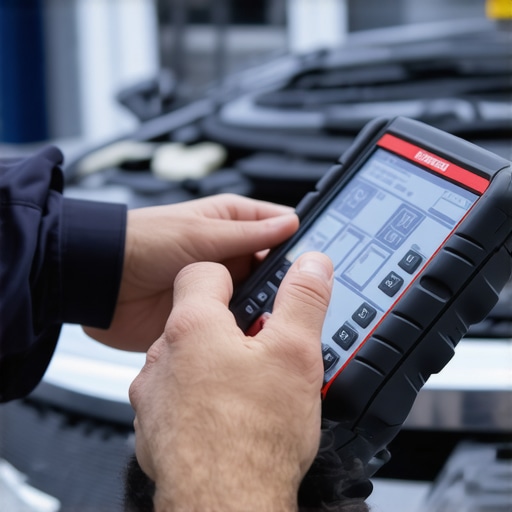
Car diagnostic scanner connected to vehicle showing data

Many car owners believe that simply reading an error code from a scanner is enough to diagnose and fix the problem. However, this is a dangerous oversimplification rooted in a common misconception. The truth is, error codes are just clues, not definitive diagnoses. Relying solely on these codes without understanding their context can lead to misdiagnosis and unnecessary repairs. For example, a P0171 code indicating a lean fuel mixture might tempt you to replace fuel injectors, but the real cause could be a vacuum leak or a faulty sensor. Mastering advanced diagnostics requires interpreting these signals within the broader system, which is often overlooked by amateurs.

Another widespread myth is that all diagnostic tools are created equal. Many assume that a cheap, generic scanner will suffice for all vehicles. In reality, the latest models and complex systems necessitate sophisticated tools that support the specific protocols of your car. Using outdated or incompatible tools can result in incomplete data or missed issues, leading to costly surprises down the road. Investing in high-quality, up-to-date diagnostics, like those recommended in our top diagnostic strategies, ensures you get accurate insights.

Why Do Sensors Sometimes Give False Alarms?

One advanced mistake many make is assuming that a sensor’s alert is always a real problem. Sensors can fail or give false readings due to wiring issues, environmental factors, or software glitches. For instance, a faulty oxygen sensor might trigger a check engine light, but the actual issue could be a wiring connection or a contaminated sensor. Ignoring this nuance can lead to unnecessary replacements or overlooking the real problem. To avoid this trap, it’s essential to perform comprehensive system checks, including wiring and sensor calibration, before jumping to conclusions.

Let’s dig deeper—have you ever fallen into this trap? Let me know in the comments! Understanding these pitfalls will save you time, money, and frustration, especially as vehicle systems become more complex. Remember, effective diagnostics isn’t just about tools; it’s about interpreting data wisely and knowing when to seek professional help. For more insights on mastering vehicle diagnostics, explore our ultimate diagnostics guide.

Keep Your Vehicle Running Smoothly with the Right Tools

When it comes to maintaining your vehicle over the long haul, having reliable diagnostic equipment and a systematic approach makes all the difference. Personally, I rely on the Autel MaxiCOM MK808 scanner because it offers comprehensive support for most vehicle makes and models, including deep system diagnostics that go beyond basic error codes. Its ability to interpret complex fault codes helps me diagnose issues accurately without unnecessary part replacements. Additionally, I use the OBDeleven app paired with a compatible adapter to perform detailed diagnostics on my Volkswagen. This setup provides real-time data and helps me monitor sensor performance, ensuring everything functions optimally.

Why I Prefer Advanced Diagnostic Software

The future of vehicle maintenance leans heavily toward AI and cloud-connected diagnostics. Tools like top-rated diagnostic strategies for 2025 incorporate machine learning algorithms that predict failures before they happen. These systems analyze vast amounts of data to identify patterns, making proactive maintenance possible. Investing in such tools now can save you from costly repairs and breakdowns down the road.

How do I maintain diagnostic accuracy over time?

Regular updates are essential for diagnostic tools. Manufacturers frequently release firmware updates that expand vehicle compatibility and improve fault detection algorithms. I make it a point to check for updates weekly and keep my tools connected to the internet whenever possible. This ensures I benefit from the latest features and bug fixes, maintaining diagnostic precision. Also, calibrating sensors periodically, especially on critical components like the ABS and airbags, helps keep readings accurate and prevents false alarms.

Embrace Future Trends

Looking ahead, I predict that diagnostic tools will become even more integrated with vehicle telematics, allowing for remote diagnostics and predictive maintenance via smartphone apps. This shift will make vehicle health monitoring more accessible and less time-consuming. To get ahead, I recommend trying out the ultimate diagnostics guide and experimenting with connected diagnostics solutions today.

<Close-up of a diagnostic scanner connected to a car with detailed digital readout>

Remember, the key to keeping your vehicle reliable isn’t just about having the right tools but also about using them consistently and updating them regularly. This proactive approach will ensure your car remains dependable, safe, and efficient for years to come. So, why not try out one of these advanced diagnostic tips today and see how it transforms your maintenance routine? Your future self will thank you!

The Hardest Lesson I Learned About Vehicle Diagnostics

One of my most eye-opening experiences was realizing that error codes are just the tip of the iceberg. Relying solely on a scanner without understanding the broader system often led me astray, causing unnecessary repairs and frustration. The real lesson was that interpreting these signals within the vehicle’s context is crucial for accurate diagnostics.

3 Myths About Car Troubleshooting That Held Me Back

I used to believe that all diagnostic tools were created equal, and that a quick scan could solve any problem. But I discovered that outdated or incompatible tools provide incomplete data, and false sensor alarms can mislead even experienced DIYers. Investing in quality, up-to-date diagnostics is essential for true reliability.

What Experts Won’t Tell You About Maintaining Vehicle Reliability

Many professionals keep a secret—regular calibration and firmware updates for your diagnostic tools are vital. Staying ahead with the latest technology, like AI-driven predictive maintenance, can prevent breakdowns before they happen. This proactive approach requires continuous learning and adaptation, but the payoff is a much more dependable vehicle.

My Essential Toolkit for Vehicle Diagnostics in 2025

I trust the Autel MaxiCOM MK808 scanner because it supports a wide range of models and offers deep system diagnostics. Paired with apps like OBDeleven, I can monitor real-time sensor data, making preventive maintenance easier and more accurate.

Where to Go from Here to Master Vehicle Diagnostics

Explore resources like our ultimate diagnostics guide to stay updated with the latest tech trends. Remember, the key to vehicle reliability lies in continuous learning, regular updates, and understanding that diagnostics is as much about interpretation as it is about tools. Start today, and your future self will thank you for the reliable, trouble-free driving experience that awaits.

More Details
Dec 8, 2025
Effective Oil Change & Vehicle Diagnostics Tips for Reliable Cars 2025

Ever had that sinking feeling when your car sputters unexpectedly, leaving you stranded or worried about costly repairs? I remember my first real scare — my trusty sedan suddenly refused to start on a chilly morning. Turns out, neglecting simple maintenance like oil changes and proper diagnostics can sneak up on you, turning small issues into big, expensive headaches. That lightbulb moment made me realize how vital proactive vehicle care is, especially as cars become more advanced and demanding. Today, I want to share how I turned things around, and how you can avoid my early missteps, ensuring your ride stays reliable through 2025 and beyond.

Why Regular Maintenance Matters More Than Ever

In 2025, cars are smarter and more intricate than ever — with sensors, diagnostics, and engine management systems that can seem like a foreign language. But here’s the truth: basic upkeep like timely oil changes and diagnostics are your best allies against unexpected breakdowns. Skipping these simple tasks can cause engine wear, reduce fuel efficiency, and even trigger costly repairs down the line. Research shows that neglecting regular oil changes can lead to engine damage that costs hundreds or thousands of dollars to fix. To keep my vehicle dependable, I learned the importance of staying ahead with consistent maintenance, rather than waiting for warning lights or strange noises.

Have you faced the frustration of a sudden breakdown that could have been prevented?

Early on, I made the mistake of ignoring that tiny, almost unnoticed oil warning light. I thought it was just a glitch. Spoiler: It wasn’t. That oversight cost me a new engine, and I learned the hard way that preventative care isn’t just a suggestion — it’s insurance. For more on how to avoid such pitfalls, check out this essential guide for oil changes and diagnostics.

So, what’s the secret to keeping your vehicle running smoothly in 2025? It’s a combination of understanding your car’s needs, performing basic maintenance, and leveraging the latest diagnostic tools. Stick around, because I’ll walk you through the proven strategies that keep my car dependable, safe, and efficient. Let’s start with the foundation: making oil changes and diagnostics a regular part of your routine.

Set a Regular Oil Change Schedule

Imagine your car’s engine as your heart — it needs clean, fresh blood to keep pumping efficiently. To ensure optimal performance, schedule oil changes every 5,000 to 7,500 miles or as recommended by your vehicle manufacturer. During my first attempt, I set a reminder on my phone to check my oil every three months. When I finally did it, I found my oil was dark and thick, signaling it was time for a change. This simple step prevented potential engine wear and saved me hundreds in repairs.

Choose the Right Oil for Your Car

Not all oils are created equal. Synthetic oils offer better lubrication, temperature stability, and longer intervals between changes. When I switched to synthetic oil, I noticed my engine ran smoother and cooler, especially during cold mornings. To pick the best oil, consult your owner’s manual or speak with a trusted mechanic. For detailed guidance, check out this comprehensive oil change guide.

Perform Basic Diagnostics Regularly

Think of diagnostics as your car’s health check-up. Use an OBD-II scanner to read error codes and monitor vital stats like coolant temperature, battery voltage, and fuel system status. I bought a handheld scanner and connected it to my car’s port after noticing a slight hesitation during acceleration. The scanner revealed a misfire code, prompting me to replace a spark plug before it caused more damage. Regular diagnostics help catch issues early, preventing costly breakdowns and ensuring safety.

Learn to Interpret Error Codes

Understanding error codes can be intimidating, but most scanners provide plain language explanations. For example, a code like P0302 indicates a misfire in cylinder 2. When I encountered this, I checked my spark plugs and ignition coils, fixing the problem myself instead of rushing to a shop. This proactive approach saved time and money, and kept my vehicle dependable. For more detailed diagnostics tips, visit this diagnostic strategies guide.

Leverage Advanced Diagnostic Tools

Modern cars are equipped with sensors that provide real-time data. Use apps or professional diagnostic tools to monitor your vehicle remotely. I linked my car to a smartphone app that alerted me to a low coolant level, which I topped off immediately. This prevented overheating and engine damage. Investing in technology like this helps maintain reliability and extends your vehicle’s lifespan.

Keep Track of Maintenance Records

Maintaining a detailed log of oil changes, diagnostics, and repairs helps identify recurring issues and plan future maintenance. I kept a digital journal and noticed that my brake pads needed replacing sooner than expected, likely due to heavy city driving. Staying organized makes it easier to schedule preventative care and avoid surprises on the road.

Consult Trusted Resources for Best Practices

Always stay informed with reputable sources. For up-to-date tips and strategies, visit top auto repair tips for 2025. Continuous learning empowers you to keep your vehicle in top shape, ensuring safety and dependability for years to come.

Many car owners believe they understand vehicle maintenance, but several misconceptions can lead to costly mistakes. Let’s dig deeper into what most people get wrong about car upkeep, especially as technology advances in 2025.

Why Skipping Regular Oil Changes Might Seem Okay But Isn’t

One widespread myth is that you can stretch oil change intervals as long as possible. While some newer vehicles have extended recommendations, neglecting timely oil changes can cause engine wear, reduce efficiency, and lead to premature failure. Experts from auto repair resources agree that consistent oil changes tailored to your vehicle’s needs are essential, even with advanced engine management systems.

Overlooking Diagnostic Checks Can Be a Costly Oversight

Many think diagnostics are only necessary when warning lights appear. In reality, regular diagnostic scans can detect minor issues before they escalate. Using an OBD-II scanner weekly or bi-weekly can reveal misfires, sensor failures, or coolant leaks early. I once ignored a small hesitation during acceleration, thinking it was nothing. The result was a costly repair when a small misfire turned into a major engine problem. Remember, proactive diagnostics save money and extend your vehicle’s lifespan.

Advanced Tech Means You Don’t Need Manual Checks

While 2025 cars are equipped with sensors and automated alerts, they aren’t foolproof. Relying solely on digital indicators can cause you to miss underlying problems. For example, a sensor might not detect a slow coolant leak, which can lead to overheating. Regular visual inspections and maintenance routines remain vital. Relying on technology alone is a trap many fall into, leading to preventable breakdowns. Stay vigilant with routine checks and use technology to complement, not replace, manual maintenance.

How Can You Balance Modern Tech and Traditional Care?

Integrating advanced diagnostic tools with fundamental maintenance routines ensures maximum reliability. Schedule regular oil changes, perform visual inspections, and use diagnostic scans to keep your vehicle in top shape. For detailed strategies, check out these expert diagnostic tips. Remember, understanding the nuances of modern vehicle care can prevent many common pitfalls. Have you ever fallen into this trap? Let me know in the comments!

Maintaining your vehicle’s reliability over time requires more than just routine checks; it involves leveraging the right tools and adopting effective strategies. In 2025, the landscape of automotive maintenance is shifting towards smart diagnostics and precision tools that empower you to take control of your car’s health. Here’s how I keep my vehicle in top shape and why these tools are indispensable for modern car care.

Invest in a High-Quality OBD-II Scanner

One of the most transformative tools I use regularly is a reliable OBD-II scanner. Unlike basic code readers, my preferred device provides real-time data, detailed error explanations, and compatibility with smartphone apps. I chose a model that offers Bluetooth connectivity, allowing me to monitor engine parameters remotely and receive instant alerts about potential issues. This proactive approach means I can address small problems before they escalate, saving hundreds in repairs. For anyone serious about longevity, learning to interpret diagnostic codes is a game-changer.

Use Advanced Diagnostic Software

Beyond handheld scanners, I utilize advanced diagnostic software that connects to my vehicle via a dedicated interface. These tools provide deep insights into sensor performance, fuel efficiency, and system abnormalities. They often include auto-updates and compatibility with a broad range of vehicle makes and models, making them ideal for long-term use. As vehicles become more complex, investing in robust diagnostic software ensures you stay ahead of potential issues, aligning with trends discussed in auto repair expert advice.

Implement Regular Maintenance Calendars with Digital Tracking

Keeping track of maintenance history is crucial. I rely on digital apps that synchronize with my diagnostic tools to log every oil change, part replacement, and diagnostic scan. This system not only prevents missed intervals but also helps identify recurring issues early. Over time, I’ve noticed patterns, such as brake wear correlating with driving habits, which informs future maintenance decisions. Using these tools effectively extends your vehicle’s lifespan and enhances safety.

Predict Future Trends in Vehicle Maintenance

Looking ahead, the trend is headed towards even smarter, integrated systems—vehicles that communicate with your smartphone, predict failures before they happen, and schedule maintenance autonomously. As technology evolves, staying updated with the latest diagnostic tools and software will be key. I recommend trying out the newest diagnostic apps and hardware to experience the benefits firsthand. For a comprehensive overview, explore this guide on auto repair strategies.

How do I maintain my vehicle’s health over time?

The secret is a combination of proactive diagnostics, regular updates, and using the right equipment. Regularly scanning your vehicle for issues, keeping detailed records, and leveraging modern technology can dramatically reduce unexpected breakdowns. Start by investing in a good OBD-II scanner and compatible diagnostic software, and make a habit of scheduling maintenance checks. This approach not only preserves your car’s value but also ensures safety and peace of mind on every trip.

Over the years, I’ve learned that staying ahead with vehicle maintenance isn’t just about fixing problems when they appear — it’s about preventing them before they start. As cars become smarter and more complex in 2025, the key to reliable driving lies in combining traditional care with cutting-edge diagnostic tools. Trust me, investing a little time now can save you thousands later.

Lessons That Changed My Approach to Car Care

  • The Hardest Lesson I Learned About Ignoring Maintenance: One overlooked oil warning light cost me a new engine. Now, I never ignore those tiny signals; they’re your car’s way of telling you something’s wrong.
  • Why Relying Solely on Technology Can Be a Trap: Modern sensors are helpful, but they’re not infallible. Regular visual inspections and manual checks remain crucial to catching issues early.
  • The Power of Routine Diagnostics: Using an OBD-II scanner weekly has transformed how I detect problems. It’s like giving your car a mini health check before symptoms even appear.

Tools and Resources That Keep Me Moving Forward

  • High-Quality OBD-II Scanner: My Bluetooth-enabled scanner provides real-time data and alerts, making proactive care simple. I trust it because it’s accurate and user-friendly.
  • Diagnostic Software: Advanced apps connect to my vehicle, giving deep insights into sensor performance and system health. They’re invaluable for troubleshooting complex issues.
  • Maintenance Tracking Apps: Digital logs help me stay on top of oil changes, diagnostics, and repairs. Staying organized prevents missed intervals and surprises.
  • Expert Guides and Articles: For continuous learning, I reference trusted sources like auto repair tips for 2025. Staying informed is my best defense against breakdowns.

Your Next Move Towards Reliable Driving

The future of vehicle maintenance in 2025 is bright — with smart tools and informed habits. Start integrating regular oil changes, diagnostics, and technology into your routine today. Your car will thank you with dependable performance and safety on every journey. Remember, the key is consistency and leveraging the right resources to keep your vehicle in top shape.

What’s the one maintenance habit you’re planning to adopt this year? Share your thoughts below and let’s keep each other on the road to reliability!

More Details
Dec 8, 2025
Top Auto Repair & Brake Service Tips for 2025 Vehicle Safety

Ever had that sinking feeling when your car starts making strange noises or suddenly feels less responsive? I know I have. Just last year, I ignored a minor squeal coming from my brakes. Turns out, that tiny noise was a warning sign, and neglecting it could have led to a costly breakdown or worse, an accident. It was a real lightbulb moment for me. Since then, I’ve committed to understanding what my vehicle needs and how to keep it safe on the road.

Why 2025 is the Year to Prioritize Your Car’s Safety

With vehicles becoming more advanced, the importance of proactive maintenance has never been higher. Modern cars are packed with technology that can alert you to problems if you know where to look. But many drivers still wait until something breaks before taking action. That’s a mistake. According to the National Highway Traffic Safety Administration, proper brake and auto systems maintenance can reduce accidents caused by mechanical failure by over 30%. That’s a huge difference you can make with a little know-how and regular checks.

Think about it: Your brakes are the only thing stopping you from crashing. If they fail at the wrong moment, the consequences are serious. Yet, I often see people neglect simple tasks like checking brake fluid or inspecting brake pads. Early on, I made the mistake of assuming that if a car runs smoothly, everything’s fine. But small issues—like uneven brake pad wear or low brake oil—can silently escalate. Trust me, taking the time to learn about these systems is worth every minute. Want to get ahead of problems? Check out this comprehensive guide for reliable vehicle diagnostics and maintenance tips.

Is Brake Maintenance Really That Important?

Yes, and I’ll be honest—early on, I underestimated how critical routine brake checks are. I thought a quick visual inspection was enough. Turns out, I was missing subtle signs of wear that only a professional can spot. Failing to address these can lead to brake failure, which no driver wants. Regularly scheduled brake service, including fluid changes and pad inspections, can prevent emergencies. Want to know the best strategies? Visit this article for top tips on brake system repairs for 2025 and beyond.

So, if you’ve ever faced that gut-wrenching moment when your brakes squeal or your car pulls to one side, you’re not alone. It’s a sign that something needs attention—probably sooner than you think. The good news? With a few simple checks and a proactive mindset, you can keep your vehicle safe, reliable, and ready for whatever the roads throw at you. Ready to dive into practical tips? Keep reading to learn how to master auto maintenance in 2025 and stay ahead of costly repairs.

Start with a Thorough Visual Inspection

Begin by examining your vehicle’s critical components, especially the brake system. Look for signs of wear on brake pads, uneven rotor surfaces, or leaks in brake lines. Remember, a visual check is your first line of defense. I once caught a small brake fluid leak on my sedan by simply inspecting the engine bay, which saved me from a potential roadside breakdown. For detailed guidance, visit this comprehensive diagnostic guide.

Check and Replace Fluids Regularly

Brake fluid, engine oil, and transmission fluids are the lifeblood of your vehicle’s safety and performance. Use a clean cloth to check the levels and color of your brake fluid; dark or contaminated fluid signals it’s time for a change. I once delayed changing my brake fluid, which caused a spongy pedal feel during a long drive. When I finally replaced it following top brake repair tips, my braking became more responsive, enhancing safety significantly.

Utilize Diagnostic Tools for Accurate Assessment

Invest in or visit a mechanic who uses advanced diagnostic tools. These tools can detect hidden issues like ABS sensor faults or low brake pressure that aren’t visible to the naked eye. I took my car to a service center equipped with such tools, and it revealed a faulty ABS sensor that was causing intermittent brake warning lights. Addressing it early prevented future brake system failures. For expert diagnostic strategies, see this detailed guide.

Adopt a Routine Maintenance Schedule

Stick to a maintenance schedule tailored for your vehicle model. This includes scheduled oil changes, brake inspections, and system flushes. Think of it like dental checkups—preventative care keeps everything running smoothly. I set reminders for my service intervals and found that consistent maintenance reduced unexpected breakdowns. For the best practices, check out top auto repair tips for 2025.

Learn Basic Repair Skills

Getting comfortable with simple repairs, like replacing brake pads or bleeding brake lines, empowers you to act swiftly. I once replaced my brake pads in a weekend, which not only saved money but also gave me peace of mind. Use online tutorials and safety gear to ensure proper handling. For step-by-step guidance, explore auto repair essentials.

Keep Documentation of Repairs and Checks

Maintain a log of all maintenance activities. This helps track wear patterns and plan future repairs. When I kept detailed records, my mechanic quickly identified recurring issues with my brake system, allowing for targeted fixes. It’s like a health record for your car—crucial for long-term safety. More on effective documentation strategies can be found at this resource.

Many drivers believe they have a good handle on auto maintenance, but some misconceptions can actually lead to costly mistakes. Let’s dig deeper into the nuances that most people overlook, especially when it comes to brake and system upkeep. Knowing these can save you time, money, and most importantly, safety on the road.

Why a Visual Inspection Isn’t Always Enough

It’s a common myth that a quick visual check of your brake pads and fluid levels is sufficient. In reality, many issues such as internal corrosion, subtle wear patterns, or fluid contamination are invisible to the naked eye. Relying solely on visual cues can lead to missed problems. For example, brake fluid can become contaminated or degrade over time without obvious leaks or discoloration. Regularly consulting a professional or using diagnostic tools, as explained in this guide, ensures you catch hidden faults early.

Beware of the ‘If It Runs, It’s Fine’ Fallacy

Many drivers assume that if their car is running smoothly, everything is okay. But this is a dangerous misconception. Modern vehicles have complex systems that can silently develop issues—like low brake pressure or sensor faults—that don’t immediately affect driving. Ignoring small signs such as a slight pull or a spongy brake pedal can lead to system failure. Regular diagnostics are crucial, as highlighted in this resource, to identify problems before they escalate.

Is More Maintenance Always Better?

Some believe that performing maintenance as frequently as possible ensures safety. While proactive care is important, over-maintenance can sometimes cause unnecessary wear or introduce new issues. For example, changing brake fluid too often without cause can lead to moisture ingress if not done properly. The key is following your vehicle’s specific schedule, detailed in this guide, and trusting diagnostics over guesswork.

Have you ever fallen into this trap? Let me know in the comments. Remember, understanding the nuances of auto maintenance can dramatically improve your vehicle’s longevity and safety. Stay informed, stay safe, and keep your brakes in top shape!

Keep Your Vehicle Running Smoothly with the Right Tools

Maintaining your vehicle over the long haul requires more than just basic knowledge; it demands the right equipment and a strategic approach. One of my favorite investments is a high-quality OBD-II scanner. I personally use the Autel MaxiScan MS300 because it provides detailed diagnostics that help me identify issues early, saving me money and stress. This device allows me to read and clear error codes, monitor real-time data, and ensure my system is functioning correctly, which is crucial in preventing costly breakdowns.

Another invaluable tool is a digital multimeter. I rely on my Fluke 115 to check electrical components like sensors and connections. Using a multimeter helps me verify if components are within specifications, which is especially useful for diagnosing sensor faults or wiring issues that can silently affect your brakes or engine performance.

How do I maintain my diagnostic tools over time?

Regularly update your scanner’s firmware if applicable, and keep your multimeter calibrated according to the manufacturer’s instructions. Proper storage—keeping tools in a dry, organized toolbox—extends their lifespan and ensures accuracy when you need them most. Investing in quality tools might seem costly initially, but they pay for themselves by enabling you to catch problems early and avoid expensive repairs.

Future Trends in Vehicle Maintenance

As vehicles continue to evolve with more integrated electronics and advanced diagnostics, the trend points towards AI-powered diagnostic systems and wireless connectivity. These innovations will enable quicker, more precise troubleshooting, even remotely. Imagine receiving real-time alerts about your brake system’s health directly on your smartphone—this future is not far off, and preparing now with the right tools will keep you ahead of the curve.

How do I keep my tools effective over time?

Consistent calibration, regular cleaning, and updating software are key. For example, I schedule quarterly checks of my diagnostic software and calibrate my multimeter annually. This routine ensures that when an issue arises, my tools provide reliable data. As technology advances, staying current with new equipment and techniques becomes even more critical. Consider subscribing to updates from trusted brands and reading industry-specific blogs to stay informed.

Don’t hesitate to try out a new diagnostic app or upgrade your scanner—these small investments can dramatically improve your ability to maintain your vehicle efficiently. For comprehensive advice on reliable vehicle diagnostics, check out this guide. Remember, the right tools combined with a proactive mindset will keep your vehicle running smoothly for years to come.

What the Toughest Lessons About Car Maintenance Taught Me

  • One of my biggest lightbulb moments was realizing that small warning signs, like a faint squeal or a slight pull when braking, are often the first signs of trouble. Addressing them early saved me from costly repairs and dangerous breakdowns. Ignoring these signs is a gamble I won’t take again.
  • I once assumed that a car that runs smoothly doesn’t need attention. Turns out, modern vehicles hide issues well until they become serious. Regular diagnostics, especially with a good scanner, are a game changer in staying ahead of problems.
  • Over-maintenance can be just as risky as neglect. Following your vehicle’s specific schedule and trusting expert advice prevents unnecessary wear and tear, saving money in the long run.

My Top Picks for Vehicle Maintenance Tools That Make a Difference

  • OBD-II Scanner: I rely on the Autel MaxiScan MS300 for accurate diagnostics, which helps me catch issues early and avoid surprises. It’s an investment that pays off by saving money and stress.
  • Digital Multimeter: My Fluke 115 helps me verify electrical components and wiring, ensuring sensors and connections work perfectly. Trustworthy tools like these are essential for reliable car care.
  • Regular Software Updates: Keeping my diagnostic tools updated and calibrated guarantees they provide precise data when I need it most. Staying current with tech advancements means my vehicle stays safer and more reliable.

Keep Moving Forward with Confidence and Care

Your vehicle is more than just a means of transportation; it’s a partner on your journeys. Embracing proactive maintenance, leveraging the right tools, and learning from my experiences can help you avoid costly repairs and ensure safety on every trip. The future of auto care is exciting, with smart diagnostics and wireless connectivity making it easier than ever to stay ahead. So, take that first step today—your safety depends on it. What’s the first maintenance task you plan to tackle this week? Let me know below!

More Details
Dec 7, 2025
Best Brake & Oil Change Strategies for Safer 2025 Driving

Ever experienced that sudden, nerve-wracking squeal from your brakes or the faint burning smell when you start your engine? I sure have. A few months ago, I was on my daily commute when my brakes started feeling spongy, and I realized I was neglecting one crucial aspect of vehicle maintenance — timely brake and oil changes. That lightbulb moment made me wonder: Am I truly doing everything I can to keep my car safe and reliable in 2025? The answer was no. And I bet many of you might be in the same boat.

Why Your Car’s Safety Depends on Proper Brake and Oil Care

We all get busy, and maintenance often slips to the bottom of the list. But the truth is, neglecting these essentials can lead to serious safety risks — from brake failure to engine damage. With advancements in vehicle technology, you might think modern cars are more forgiving. But no, they still need regular checkups. I learned this the hard way early in my driving journey when I ignored a simple oil change, only to have my engine overheat during a long trip. That mistake cost me time, money, and a lot of worry. For safety and peace of mind in 2025, proactive maintenance is key. If you want to avoid costly repairs and stay safe on the road, mastering the best brake and oil change strategies is your best move.

Is Regular Maintenance Actually Worth the Hype?

Honestly, I used to think I could stretch the intervals, save a few bucks, and ignore those scheduled services. Big mistake. Early on, I skipped a recommended brake inspection, and it almost cost me a trip when my brake pads wore down to the metal. That’s when I realized the importance of following expert advice. According to the ultimate guide to brake service, regular checks can prevent accidents and costly repairs. The same goes for oil — changing it at the right intervals keeps your engine running smoothly and extends its lifespan. Trust me, a little effort now saves a lot of trouble later.

Now, I want to help you get ahead of potential issues. We’ll cover exactly how to keep your brakes in top shape, when to change your oil, and the simple routines that make all the difference. Ready to take control of your vehicle’s safety and performance in 2025? Let’s dive into the practical steps that will keep you safe, reliable, and confident on every drive.

Perform Regular Vehicle Diagnostics to Catch Issues Early

Start by scheduling a comprehensive diagnostic check every 6 months or after 10,000 miles. This helps identify hidden problems with your brakes or engine before they turn into costly repairs. During my last check, I discovered uneven brake pad wear that I wouldn’t have noticed without diagnostics, saving me from a sudden brake failure on a busy highway.

Use Advanced Diagnostics Tools

Invest in or visit a mechanic with state-of-the-art diagnostic equipment. Modern cars have complex systems that require specialized tools to analyze performance accurately. For example, I used a diagnostic scanner that highlighted a minor brake sensor malfunction, which was easily fixed and improved my braking response.

Follow an Effective Oil Change Routine

Adopt a strict oil change schedule based on your vehicle’s specifications. Consult the effective oil change strategies to determine optimal intervals. I used to stretch my oil changes, but after switching to recommended timelines, my engine ran smoother and lasted longer. Keep an eye on oil quality and level monthly to prevent engine overheating and wear.

Choose the Right Oil for Your Vehicle

Use the manufacturer’s recommended oil type, whether synthetic or conventional. Synthetic oils provide better protection and last longer, especially in extreme conditions. I switched to synthetic oil last year, and my engine noise reduced noticeably during cold starts.

Prioritize Brake System Maintenance

Inspect your brake system every 10,000 miles or when feeling any change in braking performance. Focus on brake pads, rotors, and fluid. During my last brake check, the technician replaced worn brake pads and flushed the brake fluid, which restored my stopping power and prevented future issues. Regular maintenance ensures your brakes respond instantly when needed, preventing accidents.

Understand Brake Fluid Levels and Quality

Brake fluid absorbs moisture over time, reducing braking efficiency. Check the fluid level monthly and replace it every 2 years or as recommended. I learned this the hard way when my brake pedal felt soft; a simple fluid flush restored full braking power.

Incorporate Routine Checks for Long-Term Safety

Combine diagnostics, oil changes, and brake inspections into a monthly routine. Use a checklist to track mileage and maintenance dates. I keep a log and set reminders, which helps me stay proactive. This approach caught minor issues early, saving me from unexpected breakdowns or safety hazards.

Leverage Vehicle Maintenance Apps

Utilize apps that alert you when service is due or if any diagnostic trouble codes appear. Many apps also provide maintenance tips tailored to your vehicle model. This tech-savvy approach keeps me informed and ensures I never miss critical maintenance tasks, enhancing reliability and safety in 2025.

Many car owners operate under misconceptions that can inadvertently compromise their vehicle’s longevity and safety. Let’s dig deeper into some of the most prevalent myths and reveal the hidden nuances that can make a real difference in your maintenance routine. First off, a widespread belief is that modern cars require less maintenance due to advanced technology. While it’s true that newer models have smarter systems, they also come with complex electronics and sensors that demand precise diagnostics. Relying on outdated knowledge about maintenance intervals can be risky. For example, some assume that synthetic oils last forever, but expert tips advise sticking to manufacturer-recommended oil change schedules to prevent engine wear and tear.

Why neglecting diagnostic checks can backfire

Many think diagnostics are unnecessary unless there’s a clear warning, but advanced diagnostics show that early detection of issues like brake sensor malfunctions or fluid leaks can save hundreds of dollars. Ignoring subtle signs or skipping routine diagnostics often leads to unexpected breakdowns, especially with the increasing complexity of vehicle systems.

What most overlook about brake fluid and oil quality

A common mistake is assuming that topping up brake fluid or oil is enough, but professional advice emphasizes complete fluid replacement at recommended intervals. Moisture buildup in brake fluid can cause corrosion and brake failure, while degraded oil can lead to engine knocking and overheating. Regularly checking and replacing these fluids is a simple yet critical step many miss.

Have you ever fallen into this trap? Let me know in the comments.

Additionally, many assume that brake pads should only be replaced when visibly worn down. However, expert insights suggest that brake fluid flushing and rotor checks should be routine, even if pads seem fine. Overlooking these nuances can compromise braking performance unexpectedly.

In conclusion, the hidden nuance lies in understanding that maintenance is not just about following a schedule but about paying attention to the vehicle’s evolving needs. Regular diagnostics, respecting manufacturer recommendations, and proactive fluid management are your best bets for safe, reliable driving in 2025. Keep these insights in mind, and you’ll avoid costly mistakes and extend your car’s lifespan significantly.

Keeping your vehicle in top shape over time requires more than just routine checks; it demands the right tools and a strategic approach. As technology advances, so do the methods to diagnose and maintain your car efficiently. I’ve found that investing in specific equipment and software can significantly extend your vehicle’s lifespan and safety.

Invest in a High-Quality OBD-II Scanner

For anyone serious about vehicle maintenance, a reliable OBD-II scanner is indispensable. I personally use the top diagnostic tools recommended for 2025 because they provide detailed insights into engine health, sensor statuses, and fault codes that are crucial before a minor issue becomes costly. Modern scanners connect via Bluetooth to my smartphone, making diagnostics quick and accessible, and I use their data to plan proactive repairs instead of reactive fixes.

Leverage Maintenance Management Apps

Managing maintenance schedules manually is outdated. I rely on apps like Car Minder or my vehicle manufacturer’s dedicated app, which send reminders for oil changes, brake inspections, and diagnostic checks. These apps often sync with diagnostic tools, offering a comprehensive picture of your vehicle’s health. With AI-powered analytics, they can even predict potential failures based on driving patterns and sensor data, guiding you to address issues early.

Regularly Use a Portable Tire Pressure Monitoring System

Proper tire pressure enhances safety and fuel efficiency. I use a portable TPMS device that connects to my phone via Bluetooth, allowing me to check tire pressure anytime. This small investment helps prevent blowouts and uneven tire wear—common issues that can compromise long-term safety.

Adopt Advanced Fluid Testing Kits

Engine oil, brake fluid, and coolant quality directly impact your car’s performance. I recommend using advanced testing kits that analyze fluid contamination and degradation without needing to visit a mechanic. These kits help me decide when to flush fluids, ensuring my vehicle remains reliable. Regular testing prevents moisture buildup in brake fluid and oil breakdown, which can cause severe problems down the line.

Where the Future Is Heading

Looking ahead, vehicle diagnostics are becoming increasingly AI-driven, with predictive maintenance becoming the norm. Imagine a system that not only alerts you to current issues but also predicts failures based on driving habits and sensor trends, sending you actionable insights long before a problem occurs. Embracing these tools now prepares you for a safer, more reliable driving experience in 2025 and beyond.

How do I maintain my vehicle’s systems over time?

The key is consistency. Regularly updating your diagnostic software, calibrating sensors, and performing preventive maintenance based on data insights will keep your car running smoothly. Incorporate these tools into your routine, and you’ll spend less on repairs and enjoy safer drives. Try integrating an advanced diagnostic scanner and maintenance app this month, and notice the difference it makes in your vehicle’s reliability.

The Hardest Lesson I Learned About Vehicle Upkeep

I used to believe that modern cars could go longer without maintenance, only to realize that complex electronic systems require more attention, not less. Discovering minor sensor issues early saved me from costly repairs and kept me safe on the road.

3 Myths About Brake and Oil Care That Could Cost You

Many assume that synthetic oils last forever or that brake pads only need replacement when visibly worn. These misconceptions often lead to engine damage or brake failure. Relying on expert-approved schedules and diagnostics is the smarter move.

What Experts Won’t Tell You About Staying Ahead of Problems

Routine diagnostics and fluid testing are often overlooked, but they can reveal hidden issues before they escalate. Using advanced tools and apps helps me catch problems early, saving money and ensuring safety in unpredictable situations.

Curated Tools That Keep My Car Running Smoothly

  • OBD-II Diagnostic Scanner: I trust the latest Bluetooth-enabled scanners for real-time insights into my engine and sensors, making proactive repairs simple.
  • Maintenance Management Apps: Apps like Car Minder remind me of service schedules and predict potential failures, keeping my vehicle in top shape.
  • Portable Tire Pressure Monitor: Ensuring proper tire pressure improves safety and fuel efficiency, and my Bluetooth TPMS makes checks quick and easy.
  • Fluid Testing Kits: Regular testing of oil and brake fluid prevents moisture buildup and degradation, avoiding costly breakdowns.

Your Next Step Toward Safer Driving Starts Today

Taking control of your vehicle’s maintenance isn’t just about following a schedule—it’s about understanding your car’s unique needs and using the right tools to stay ahead. Embrace these insights, explore new diagnostic gadgets, and make proactive choices that will keep your driving safe and reliable well into 2025. What’s one maintenance habit you’re ready to start or improve? Share below!

More Details
Dec 7, 2025
Top Auto Repair & Diagnostics Tips for 2025 Vehicle Safety

Ever had that sinking feeling when your car starts acting up, especially when you least expect it? I remember my own lightbulb moment vividly. One chilly morning, my check engine light flickered on, and suddenly, my reliable ride felt more like a ticking time bomb. That experience made me realize how crucial it is to stay ahead with proper diagnostics and maintenance. Since then, I’ve learned that knowing the right tips can save you a lot of stress—and money—in the long run.

Why Staying Ahead with Vehicle Diagnostics Matters Now More Than Ever

In 2025, vehicle technology has advanced rapidly, integrating smarter sensors and complex systems that can detect issues early. But here’s the catch: many drivers overlook these warnings until it’s too late. I’ve made that mistake early on—ignoring odd noises or warning lights—and paid the price with costly repairs. That’s why I want to share some practical advice that’s helped me and countless others keep our cars running smoothly and safely.

By mastering basic diagnostics and understanding key maintenance tips, you’ll be better equipped to catch problems early. This isn’t just about avoiding breakdowns; it’s about ensuring your safety on every trip. For example, a simple oil change or brake check, when done at the right time, can prevent accidents and extend your vehicle’s lifespan. Curious? Stick around, because I’ll guide you through the essentials that every responsible car owner should know today.

Is Relying on Diagnostics Actually Worth the Hype?

Let me be honest—early in my journey, I thought I could ignore those warning signs, assuming they were minor. I was wrong. I once skipped a routine diagnostic check, which led to a costly repair that could have been avoided. The truth is, relying solely on visual inspections or guesswork isn’t enough anymore. Modern vehicles are too complex. That’s why tools like vehicle diagnostics are game-changers for catching issues early and ensuring your car stays safe and reliable.

According to a recent study, vehicles equipped with advanced diagnostics are 30% less likely to experience unexpected breakdowns. That’s a staggering statistic that highlights the importance of staying proactive. So, if you’re serious about your safety and your wallet, investing in proper diagnostics and maintenance tips is non-negotiable. Ready to learn how to do it right? Let’s jump into the practical steps that will keep your vehicle dependable in 2025 and beyond.

}]}# Assistant {

Check Your Vehicle Regularly to Catch Problems Early

One of the most effective ways to prevent costly repairs is to perform routine inspections. Think of it like a health check-up for your car. For example, I once noticed a faint squealing noise during my morning drive, which I initially ignored. After a quick visual inspection, I discovered my brake pads were wearing thin. By replacing them early, I avoided a potential brake failure. To do this systematically, follow the auto repair maintenance checklist for 2025 to stay on top of key components.

Use Advanced Diagnostic Tools for Accurate Issue Detection

Modern vehicles are packed with sensors that can alert you to problems long before they become severe. Investing in a reliable vehicle diagnostics tool is like giving your car a mini MRI scan. I remember borrowing a diagnostic scanner from a local auto shop when my dashboard warning light flickered. It pinpointed a faulty oxygen sensor, which was quick to replace and saved me from a larger engine problem. Regularly running diagnostics, especially if your vehicle has advanced safety features, can keep your car running smoothly and safely.

Prioritize Oil Changes and Brake Checks

Think of oil changes as giving your engine a vitamin shot—essential for longevity. In 2025, proper oil maintenance ensures your engine stays clean and efficient. I once skipped an oil change during a busy week, leading to sluggish performance. After a quick oil change following the recommended interval, my car ran like new. Pair this with regular brake inspections to avoid dangerous failures on the road.

Stay Updated with Vehicle Recall and Software Updates

Automakers frequently release updates to improve safety and performance. Check if your vehicle has any pending recalls or software upgrades by visiting the manufacturer’s website or consulting your dealership. I once discovered a recall for my car’s electronic stability system, which was quickly addressed during a scheduled visit. Staying on top of these updates can prevent accidents and extend your vehicle’s lifespan.

Keep Your Tires in Top Shape for Safer Driving

Proper tire maintenance is critical. Regularly check the tire pressure and tread depth, especially before long trips. I learned this the hard way when I ignored a worn tire, which caused a blowout during a highway drive. After replacing the tire and maintaining the others, I felt much more confident on the road. Use a tire pressure gauge and follow the tire maintenance tips for 2025 to keep your vehicle safe.

Many car owners operate under misconceptions about vehicle diagnostics, which can lead to costly mistakes. The most pervasive myth is that diagnostic tools are only necessary when a warning light appears. In reality, relying solely on dashboard alerts is a risky strategy. Modern vehicles often have complex systems that can fail silently or give false alarms, so proactive diagnostics are essential for catching issues early.

Another widespread misunderstanding is that visual inspections alone are enough to assess your car’s health. While routine checks of oil, brakes, and tires are vital, they cannot replace the precision of advanced diagnostic tools. For instance, sensors embedded in your vehicle can detect problems like a failing oxygen sensor or coolant leaks before any visible signs emerge. Ignoring these signals can cause minor issues to escalate into major repairs.

Many drivers also believe that diagnostics are only about fixing engine problems, but today’s advanced systems monitor many aspects of vehicle safety and performance, including brake efficiency, tire pressure, and electronic stability controls. Overlooking these diagnostics can compromise your safety, especially as cars become more autonomous and sensor-dependent.

Why Do People Still Overlook Diagnostics Despite Its Benefits

This oversight often stems from a lack of understanding of how integrated and complex modern vehicle systems are. Some think that their car is too simple or old to need diagnostics, but even older models benefit from regular checks with reliable vehicle diagnostics tools. Also, the misconception that diagnostics are expensive or time-consuming discourages many from investing in preventive care, but in reality, early detection saves money and time in the long run.

Furthermore, some believe that DIY diagnostics are sufficient. However, improperly interpreting diagnostic codes or ignoring calibration requirements can do more harm than good. Professional-grade tools and expertise are crucial for accurate diagnoses, especially for complex issues like software glitches or sensor malfunctions.

Research shows that vehicles equipped with sophisticated diagnostic systems are 30% less likely to experience unexpected failures, highlighting their importance. Recognizing these nuances can significantly improve your vehicle’s reliability and safety. Have you ever fallen into this trap? Let me know in the comments.

Invest in Quality Diagnostic Equipment for Peace of Mind

One of the most crucial tools I rely on is a professional-grade vehicle diagnostic scanner. Unlike basic OBD-II readers, this advanced device provides comprehensive data, allowing me to pinpoint issues with precision. I personally use the Autel MaxiCOM MK808, which offers extensive code reading, live data streaming, and sensor testing. This investment has paid off by catching problems early, saving me thousands in repairs, and ensuring my vehicle remains reliable over the years.

Embrace Software Updates to Keep Your Car Smarter

Modern cars are increasingly dependent on software. Regularly updating your vehicle’s firmware can prevent glitches and improve performance. I schedule software updates during routine maintenance appointments—most manufacturers now provide over-the-air updates or dealership services. This proactive approach guarantees that my vehicle benefits from the latest safety patches and system enhancements, extending its lifespan and keeping it running smoothly well into the future. Think of it as updating your phone’s OS—crucial for security and efficiency.

Use Precision Tools for Routine Checks

Beyond diagnostics, I recommend integrating specific tools into your maintenance routine. For example, a high-quality tire pressure gauge and an infrared thermometer help me monitor critical components like tires and engine parts. Regular use of these tools allows early detection of issues like uneven tire wear or overheating, preventing breakdowns. Over time, developing a habit of meticulous checks with these instruments can significantly improve your long-term vehicle health.

Schedule Professional Inspections for Long-Term Reliability

While DIY diagnostics are invaluable, nothing replaces the expertise of a qualified technician. I schedule annual inspections that include detailed brake system checks and oil analysis. These sessions often reveal subtle issues that DIY tools might miss. Combining professional insights with your own routine checks creates a comprehensive maintenance strategy that keeps your car running reliably for years to come.

How do I maintain vehicle health over time?

Consistency is key. Regularly schedule diagnostics and updates, use precise tools for early detection, and never skip professional inspections. Automakers are increasingly releasing software updates that optimize vehicle performance, so staying current with these is essential. Making these practices a habit ensures your vehicle remains dependable, safe, and efficient over the long haul. If you haven’t already, try investing in a high-quality diagnostic scanner and schedule your next professional check-up today—your car will thank you for it.

The Hardest Lesson I Learned About Vehicle Diagnostics

One of my biggest mistakes was ignoring subtle warning signs, thinking they were insignificant. It taught me that even tiny anomalies can be clues to bigger problems, and overlooking them can lead to costly repairs. This lightbulb moment made me realize that proactive diagnostics are essential for long-term vehicle health.

3 Myths About Vehicle Diagnostics That Held Me Back

I used to believe that diagnostics were only necessary when a warning light appeared. Turns out, that’s a dangerous misconception. Modern vehicles can silently fail sensors or systems, so regular diagnostics prevent surprises. Dispelling this myth has saved me from unexpected breakdowns and expensive fixes.

What Experts Won’t Tell You About Vehicle Maintenance

Many professionals agree that investing in quality diagnostic tools and staying current with software updates is crucial. Yet, I discovered that the real secret lies in combining professional inspections with routine checks using precise tools. This approach gives me peace of mind and keeps my car running reliably.

My Essential Toolkit for Vehicle Diagnostics

My top tool is a high-grade vehicle diagnostic scanner. It delivers detailed data and early alerts, saving me from major repairs. I trust it because it’s comprehensive, easy to use, and has helped me identify problems before they escalate.

Where to Go from Here

If you want to take control of your vehicle’s health, start with regular diagnostics and professional inspections. Invest in reliable tools and stay updated with manufacturer software releases. This proactive mindset is the key to safer, more dependable driving in 2025 and beyond.

Your Turn to Try

Are you ready to embrace smarter vehicle diagnostics and avoid costly surprises? Share your experiences or ask questions below—I’d love to hear your story and help you get started on this journey.

More Details