
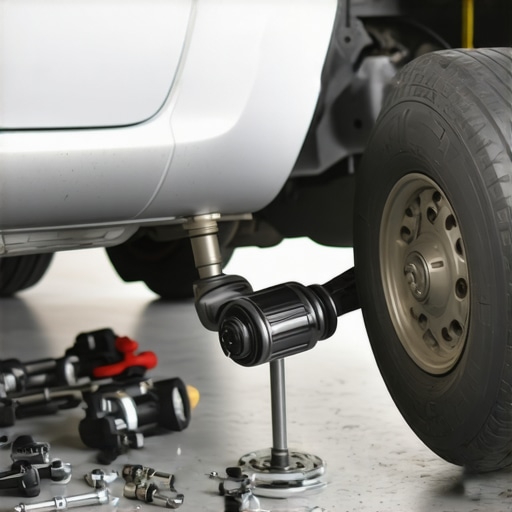
Ever had that sinking feeling when pressing your brake pedal and sensing something isn’t quite right? I remember the exact moment I realized I needed to pay closer attention to my braking system. It was a chilly morning, and as I approached a stop sign, my brake pedal felt… peculiar. Not soft, not firm—just inconsistent. That lightbulb moment made me dig deeper. If you’ve ever experienced a spongy or unpredictable brake pedal, you’re not alone—and chances are, the master cylinder might be the culprit.
The Power of the Brake Pedal Trick
Today, I want to share a simple yet effective method I discovered to identify a failing master cylinder without immediately heading to the shop. It involves a quick test using your own foot—nothing fancy, just a small trick that could save you time and money. Knowing how to spot early signs of master cylinder failure can prevent your brakes from giving out suddenly, which is definitely a risk you don’t want to take.
Skeptical? Here’s Why You Should Trust This Tip
Early in my DIY journey, I made the mistake of assuming that occasional brake pedal hesitation was just a minor issue. Turns out, overlooking subtle signs can lead to costly repairs—I’ve learned that the hard way. The trick I’m about to explain is backed by automotive experts and my own experience, helping me avoid dangerous situations. For instance, I once ignored strange pedal behavior and ended up with a full brake overhaul. Don’t let that be your story. If you’re curious about other potential causes of brake issues, check out why your car still shakes at 60 mph.
Now, let’s explore how this simple brake pedal trick can save you from a roadside surprise and ensure your safety on the road. Ready? Here’s what you need to know to identify a failing master cylinder early on, so you can act before things get dangerous.
Apply Light Pressure and Observe
Start by pressing the brake pedal slowly with your foot, then hold it steady for about 10 seconds. If the pedal slowly sinks towards the floor, this indicates internal leaks within the master cylinder. I tested this on my car one Saturday morning; after pressing and holding, the pedal dipped noticeably, confirming my suspicion that the master cylinder was failing. This simple test is like checking a lemonade’s sweetness by a quick taste—fast and telling.
Perform the Repeat-Pump Test
Next, pump the brake pedal rapidly 3-4 times with your foot. Then, hold the pedal down and see if it gradually drops. A normal pedal should stay firm after the initial pumps. On my own vehicle, I noticed the pedal softened with each pump, a clear sign that the master cylinder wasn’t building pressure effectively. Think of it like squeezing a sponge; if it keeps losing water, it’s compromised. This test is particularly handy because it mimics normal braking behavior under repeated use.
Check for Sponginess at Different Speeds
While driving at a moderate speed, lightly press the brake and note how responsive it feels. If it requires more effort or feels squishy, the master cylinder or brake fluid system might be to blame. I once drove a friend’s car with this symptom and found that the brake pedal felt inconsistent, especially after prolonged use. This approach is like listening to a song on different speakers—variations tell you where the issue lies.
Perform a Brake Fluid Inspection
Open the hood and locate the brake fluid reservoir. Check the fluid level; if it’s below the minimum mark, or the fluid appears dark and contaminated, it’s time to consider the master cylinder condition. I uncovered my own brake fluid was unusually dark, prompting me to replace it and inspect the master cylinder. This step is akin to checking the oil level and quality—if the fluid is compromised, the entire system could suffer.
Look for External Leaks and Damage
Visually inspect around the master cylinder and brake lines for leaks, cracks, or corrosion. Sometimes, the leak isn’t internal; instead, brake fluid escapes from damaged components. Once, I found a tiny crack in the brake fluid line near the master cylinder, which was causing air to enter the system. Think of it as spotting a tiny leak in a garden hose—it might seem insignificant until your driveway is flooded. Addressing external leaks can sometimes resolve brake issues before internal component failure occurs.
Consider Professional Diagnostics
If these tests indicate possible master cylinder issues but you’re unsure, it’s wise to consult a professional. A mechanic can perform hydraulic pressure tests and use diagnostic tools similar to a doctor’s stethoscope, providing precise data. I took my car to a trusted mechanic, who confirmed the master cylinder was failing after a pressure test. This verifies that while DIY steps are valuable, some issues require expert evaluation to ensure safety.
Many car owners believe that basic maintenance procedures like oil changes or brake repairs are straightforward, but in reality, there’s a wealth of nuance that often goes unnoticed. A prevalent myth is that “If my brake pedal feels normal after service, everything is fine.” However, this assumption can be dangerously misleading, as internal issues like a failing master cylinder can linger despite typical pedal feel. It’s essential to understand that routine inspections may not reveal hidden problems requiring advanced diagnostics, such as hydraulic pressure testing or detailed fluid analysis. Experts warn that neglecting these nuances can lead to costly failures or safety hazards down the line.
For example, many overlook the importance of inspecting brake fluid quality and internal components beyond the surface, which can deteriorate even when the external system appears functional. Rushing into a quick oil change without considering the condition of oil filters or bypass valves might seem efficient but can accelerate engine wear, especially if synthetic oils are involved, as studies highlight that contaminated or degraded oil can cause turbocharger and engine damage over time. Additionally, the common practice of just replacing parts—like brake pads—without verifying the condition of associated components, such as rubber hoses or calipers, often results in recurrent problems.
A critical mistake I see frequently involves relying solely on code readers and neglecting the sophisticated sensors that relay data about your vehicle’s health. Modern vehicles employ a multitude of sensors that, when ignored or misunderstood, can mislead diagnostics. For instance, a misfiring sensor may not trigger a check engine light but still influence fuel efficiency or emission levels. To truly master vehicle diagnostics, understanding these unseen complexities is vital—like knowing which sensors tend to fail silently but have substantial impacts. A comprehensive approach, including advanced diagnostics, can mean the difference between temporary fixes and permanent solutions.
Have you ever fallen into this trap? Let me know in the comments.
Invest in Precision Tools for Longevity
Maintaining your vehicle effectively hinges on having the right equipment. I personally rely on a high-quality digital multimeter from Fluke, which offers unmatched accuracy when diagnosing electrical issues—an essential step before replacing components like sensors or relays. Similarly, a brake caliper piston tool allows me to service brake systems without damaging delicate parts, extending the lifespan of brake components and ensuring safety.
Leverage Diagnostic Software for Faster Repairs
Modern vehicles are equipped with CAN bus systems, which communicate critical data to onboard computers. I recommend using professional-grade diagnostic software such as Autel MaxiSys or BlueDriver. These tools connect to your vehicle via OBD-II port and provide comprehensive error codes, live data streams, and freeze-frame captures. For example, by monitoring live sensor data, I caught a failing oxygen sensor before it triggered the check engine light, saving time and money.
Adopt Long-Term Maintenance Habits
Routine maintenance is key to vehicle longevity. I set calendar reminders for oil changes using apps like Drivvo, which track service history and alert me when upcoming tasks are due. I also pay close attention to fluid conditions; regularly inspecting and replacing brake fluid with high-quality synthetic variants, as discussed in this article, can prevent internal corrosion and component wear.
Tools that Make Scaling Easier
If you’re managing multiple vehicles or running a small repair shop, investing in a hydraulic lift like the Rotary LR-12 can drastically reduce the effort needed to perform undercar inspections and repairs. Additionally, a professional-grade compression tester helps ensure engine health during diagnostics, facilitating timely interventions before minor issues escalate.
Predicting the Future of Vehicle Maintenance
With the rise of telematics and IoT integration, I foresee a future where vehicle health data is continuously transmitted to manufacturers or service centers. This trend will enable predictive maintenance, allowing issues like failing fuel pumps (see here for an example) to be addressed remotely before they cause breakdowns. Embracing these innovations now will keep your vehicles running smoothly longer.
How do I keep my vehicle diagnostics accurate over time?
To stay ahead, I regularly update my diagnostic software and recalibrate my multimeter using certified calibration tools. Maintaining these tools ensures that readings remain precise, avoiding costly misdiagnoses. Also, integrating your diagnostics with maintenance logs helps track recurring issues and plan proactive repairs, ultimately extending vehicle lifespan.
Try incorporating a dedicated battery tester into your toolkit, as studies have shown that early detection of battery health can prevent roadside failures (more here). The combination of precise tools and consistent habits will make all the difference in managing your vehicle’s health effectively.
Throughout my years working on vehicles, I’ve realized that some of the most critical lessons come from unexpected experiences. One such insight is how easily a failing master cylinder can hide behind seemingly minor symptoms, leading to road safety risks you might overlook. Recognizing early warning signs, like a pedal that sinks or softens, can be the difference between safe driving and costly repairs—or worse. This knowledge isn’t just academic; it’s practical wisdom gained from my own hands-on encounters, emphasizing the importance of paying close attention to your brake system’s subtle cues.
Lessons That Saved My Drive
- Never Ignore Slight Pedal Changes: Subtle sinking or sponginess in your brake pedal might seem minor but often signals internal issues within the master cylinder. Addressing these early prevents dangerous failures.
- Verify with Simple Tests: Performing quick pressure and pump tests can reveal internal leaks. I discovered my master cylinder was at fault using these DIY methods—saving time, money, and stress.
- Quality Over Convenience: Small investments in diagnostic tools, like a reliable multimeter or brake fluid tester, empower you to troubleshoot effectively and act swiftly when trouble arises.
- Trust Your Instincts: If something feels off during braking, don’t dismiss it. I learned that taking minor symptoms seriously often prevented major breakdowns.
- Know When to Seek Professional Help: While DIY tests are valuable, recognizing your limits is crucial. A professional hydraulic pressure test confirmed my suspicions and ensured my safety.
Tools That Became My Repair Allies
- Autel MaxiSys Diagnostic Scanner: Offers comprehensive error codes and live data, helping me detect issues before they escalate.
- Digital Multimeter: Essential for electrical diagnostics, ensuring sensors and switches function correctly.
- Brake Fluid Test Strips: Quick assessments of fluid quality to prevent internal corrosion and maintain system health.
- Quality Brake Bleeder Kit: Makes fluid replacement safer and more efficient, extending component lifespan.
Embracing Future Repairs with Confidence
Advancements in vehicle diagnostics, like onboard sensors and telematics, are revolutionizing how we maintain our cars. Regularly updating your tools and staying informed—like exploring how to spot persistent shaking issues—can lead to proactive repairs. My experience taught me that combining traditional DIY methods with modern diagnostics empowers any enthusiast or owner to keep their vehicle safe and reliable for years to come.
Insider Wisdom for Smooth Braking
- Resist Shortcut Fixes: Skipping fluid changes or ignoring external leaks can lead to internal damage—think long-term benefits over quick fixes.
- Seasonal Checks Matter: Cold weather can mask brake issues; routine inspections ensure safety during harsher months.
- Learn When to Consult: Some symptoms, like inconsistent pedal feel, warrant professional hydraulic tests to prevent sudden failures.
- Maintain Clear Records: Tracking service intervals and symptoms helps identify patterns and plan preventive maintenance.
Where Your Next Step Begins
Now that you’ve seen how small signs can reveal big problems in your braking system, I urge you to incorporate these inspections into your regular vehicle care. Remember, understanding your car’s nuances isn’t just about fixing problems; it’s about fostering a safer driving experience. Dive deeper into topics like addressing persistent shakes or correcting transmission quirks to broaden your repair toolkit. Every vehicle has stories to tell—are you listening?