
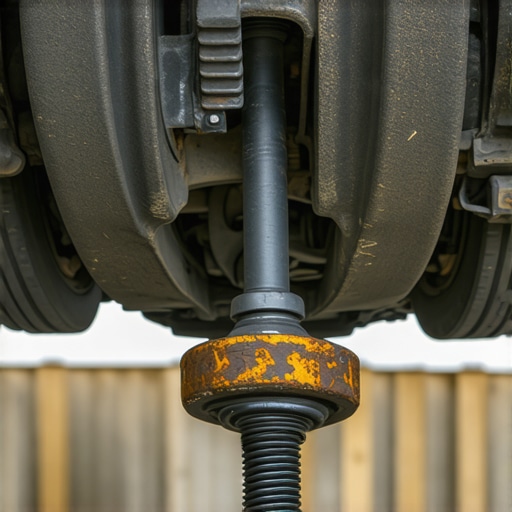
Ever been cruising down the road, feeling confident in your ride, when suddenly, a faint clicking sound starts during acceleration? That moment when you hear that rhythmic click, click, click, you know something’s off—especially when it’s not coming from your favorite playlist. I remember the first time it happened to me. I was pushing my car a bit harder than usual, thinking it was just a bump or debris. But then, every time I pressed the gas pedal, that unmistakable clicking resonated from what I later learned was a sign of a failing CV joint.
Don’t Ignore that Sound: Your Car Might Be Sending a Cry for Help
When that clicking noise pops up during acceleration, it’s easy to dismiss it as a minor annoyance or something temporary. But in reality, it’s often an early warning sign of a worn or damaged CV joint—an essential component in your vehicle’s drivetrain that allows your wheels to turn smoothly while you steer and accelerate. If left unchecked, a failing CV joint can lead to more serious problems, such as increased vibration, loss of control, or even a complete breakdown.
I was guilty of making some classic rookie mistakes early on. I kept driving, hoping the noise would go away, which only worsened the damage. That mistake cost me more money and stress in the long run. The good news? Recognizing the warning signs early and understanding what steps to take can save your time, money, and peace of mind.
In this article, we will dive into recognizing the symptoms, understanding why your CV joint is failing, and practical steps to diagnose and fix the problem. So, have you experienced this click-y problem before? Or are you curious about how to spot it before it gets worse? Keep reading—your car’s health might depend on it.
Is the Failing CV Joint Actually Worth the Hype?
Many skeptics wonder if the fuss about CV joint issues is overblown. Honestly, I used to think so too, until I experienced that sudden loss of drive in the middle of a busy street. That terrifying moment made me realize just how critical this part is. Early diagnosis can prevent costly repairs and dangerous situations, which is why paying attention to these odd noises is crucial. Trust me, ignoring that faint click might be the biggest mistake you make today. For more insights on common auto issues, check out [this article on how to tell if your CV joint is worn out](https://repairmycarpro.com/the-silent-wheel-bearing-failure-that-feels-like-a-bad-tire).
Understanding these warning signs now can mean the difference between a simple repair and a roadside emergency. Ready to learn how to identify and address this problem before it escalates? Let’s get started.
Loop in Your Senses and Check for Warning Signs
When you first notice that clicking during acceleration, the goal is to confirm it’s indeed from your CV joint. Safe your car on a level surface, engage the parking brake, and spin the wheels by hand. Listen for clicking sounds; if you hear a rhythmic squeak or feel vibrations, it’s a clear sign. A personal story: I once felt that familiar shimmy and immediately jacked up my car, only to discover a torn CV boot with grease splattered nearby. Recognizing these early signs helped me plan a repair before a complete joint failure.
Lift and Secure Your Car for Inspection
Use a hydraulic lift or a reliable jack and jack stands to elevate your vehicle securely. Never rely solely on a jack; ensure your car is stable before crawling underneath. Once elevated, remove the wheel corresponding to the noisy side. Think of it like unwrapping a package — you need to access the core component confidently. With the wheel off, inspect the CV joint boot for cracks, tears, or grease leaks. If the boot is compromised, the joint is likely contaminated and needs immediate attention.
Isolate the Noise with Manual Spin Testing
Hold the CV axle firmly and manually rotate it using a wrench or your hands. Feel for any roughness, binding, or looseness. If the joint feels gritty or resists smooth rotation, it’s a warning sign. Compare both sides; if one feels significantly rougher, prioritize that side for repair. Remember, modern CV joints are sealed, but damage to their boots allows dirt and moisture in, causing premature wear.
Diagnose Internally or Externally — What Is Causing the Click?
Determine if the issue is external (boot damage) or internal (joint wear). If the boot is torn, replacing it might suffice, but if the joint itself feels loose or gets stuck, a full replacement is necessary. During my own repair, I used a pry bar carefully to check for excessive play in the joint. Excessive movement indicates internal damage. For less experienced DIYers, consulting a mechanic or watching tutorials can clarify the internal condition.
Prepare and Replace: The Repair Process
Before replacing, gather the necessary tools: CV joint kit, axle nut socket, pry bars, and possibly new axle hardware. Loosen the axle nut while the wheel is still on the ground for safety. Then, remove the axle from the hub, carefully slide out the CV joint. Clean the hub and axle splines thoroughly. Install the new CV joint or boot, and reassemble in reverse order, ensuring all nuts and bolts are torqued to manufacturer specifications. I recommend checking the torque specs here: silent wheel bearing signs.
Test Drive and Confirm the Fix
After reassembling, lower the car and take it for a test drive on a quiet street. Accelerate steadily and listen for clicking sounds or vibrations. If the sound persists, recheck your work or consider a professional assessment. Remember, proper lubrication and assembly torque are critical — a misstep can lead to premature failure.
Prevent Future Failures with Regular Maintenance
Keep an eye on CV boot integrity by inspecting them during routine checks, especially if you notice grease splatters or abnormal noises. Replacing torn or cracked boots promptly can save you from more costly joint replacements. For other vehicle components like tires and suspension, maintaining balanced tires and avoiding potholes will extend the life of your CV joints.
Many vehicle owners and even some technicians fall prey to misconceptions when it comes to diagnostics and auto repair, often leading to costly mistakes. One prevalent myth is that a simple warning light or odd noise always indicates a straightforward problem. However, seasoned mechanics know that interpreting these signs requires understanding the vehicle’s complex systems and their interactions. For example, relying solely on generic diagnostic codes without considering recent driving conditions or maintenance history can lead you astray. Studies show that many misdiagnoses stem from superficial assessments, emphasizing the importance of thorough inspections and experience.
A common pitfall in brake service involves replacing pads without inspecting rotors and calipers first. This oversight can result in premature wear or uneven braking, revealing a lack of attention to detail often overlooked by less experienced technicians. Additionally, many believe that regular oil changes are enough to keep engines healthy, but neglecting to address underlying issues like contaminated oil, worn filters, or engine sludge can cause long-term damage. For instance, as highlighted in this article, oil quality reflects the engine’s internal condition, requiring more than just changing the oil regularly.
The nuanced aspect many overlook is the significance of diagnostic tools versus physical inspection. While scanning devices are invaluable, they shouldn’t replace hands-on examinations. An overreliance on technology can result in missing subtle symptoms like uneven tire wear indicating suspension issues or small fluid puddles hinting at leaks. For example, inspecting your vehicle’s suspension and tire contact patches can save hours of troubleshooting later.
For advanced readers wondering how to refine diagnosis accuracy, consider questions like, “How do correlated system failures mislead diagnostics?” The answer lies in understanding how interconnected components influence each other, such as how a failing fuel pump might cause engine misfires that appear unrelated. A comprehensive approach involves cross-referencing symptoms, considering recent repairs, and sometimes performing controlled component tests. Experts emphasize that honing diagnostic skills demands practice and continuous learning.
Avoid the trap of assuming that repairs or replacements are always necessary without confirming root causes. For instance, replacing brake components without checking hydraulic systems or braking fluid conditions might be unnecessary and wasteful. A quick check on brake fluid clarity, typical of this article, can reveal critical insights.
Have you ever fallen into this trap? Let me know in the comments. Recognizing these hidden nuances can make a significant difference in maintaining your vehicle’s longevity and safety, ensuring you’re not just fixing symptoms but addressing the actual cause.
Invest in Quality Diagnostic Tools for Long-Term Success
Having reliable diagnostic equipment is essential for maintaining your vehicle over time. I personally recommend investing in an OBD-II scanner like the BLUEDriver Pro because of its comprehensive code database, bi-directional capabilities, and user-friendly interface. This tool allows me to quickly identify underlying issues—like faulty sensors or pending maintenance—before they escalate. Additionally, pairing your scanner with software like OEM-specific apps ensures accurate readings aligned with your vehicle’s make and model, which is crucial for precise diagnostics and repairs.
Use Proper Lubrication and Fluid Checks
Regularly inspecting and maintaining your vehicle’s fluids can extend the lifespan of major components. I emphasize using high-quality synthetic oils, especially if your car has high mileage or turbocharged engines, as suggested in this article. Conducting oil analysis every 5,000 miles helps catch contaminants early, preventing engine wear. Also, don’t neglect transmission fluid and coolant; they play a significant role in preventing overheating or internal corrosion, which can lead to costly repairs down the line.
Prioritize Preventative Maintenance for Reliability
Proactive maintenance includes timely oil changes, brake inspections, tire rotations, and replacing worn belts. For those managing multiple vehicles or a fleet, setting up a maintenance calendar is invaluable. I personally utilize maintenance management apps like AUTOSISTO, which send reminders based on mileage and driving conditions. This approach ensures critical tasks aren’t overlooked, reducing emergency repairs. Implementing routine inspections—checking for leaks, worn bushings, or corrosion—helps avoid unexpected breakdowns and keeps your vehicle performing its best.
Embrace Trends Toward Automation and Digital Monitoring
Looking forward, vehicle maintenance is increasingly driven by automation. Predictive analytics, powered by telematics and IoT sensors, will alert you about component degradation before symptoms appear. For example, advanced diagnostic systems can anticipate brake pad wear by analyzing usage patterns, allowing you to plan replacements in advance. Adoption of such smart tools not only enhances safety but also minimizes downtime—invaluable for busy schedules or commercial operations. Staying updated with new software capabilities and integrating them into your routine maintenance can give you a competitive edge and peace of mind.
How do I keep my vehicle’s maintenance on track over time?
Establishing a structured schedule combining routine inspections, fluid checks, and leveraging smart diagnostic tools ensures your vehicle stays reliable. Regularly consulting resources like tire wear guidance or suspension checks can prevent minor issues from becoming major headaches. I challenge you to try using an advanced scanner this month—many models now include features like live data streaming and freeze-frame analysis—that can revolutionize your maintenance approach and prevent costly surprises. Smooth sailing is within reach; it just takes the right tools and habits.
Looking back, one of the most valuable lessons I learned about vehicle maintenance is never to dismiss odd sounds as mere nuisances. That clicking during acceleration wasn’t just a minor annoyance—it was a signal to act swiftly. Addressing CV joint issues early can save you from unexpected breakdowns and hefty repair bills. In my experience, investing time in understanding and diagnosing these signs has kept my car running smoothly and my wallet intact.
What Small Clues Can Save Your Wallet
Sometimes, the tiniest signs — like grease splatters or a slight vibration — are the only hints that a CV joint is on its way out. Paying close attention during routine checks or odd noises during drives can be the difference between a quick fix and a major overhaul. Trust me, catching these symptoms early means you can replace a boot or joint before a complete failure occurs, which is always more expensive and inconvenient.
How Hands-On Inspection Changed My Approach
Performing simple inspections—like checking for torn boots or rough spinning—empowered me to diagnose problems confidently. Elevating my vehicle safely, then inspecting the CV boots for cracks or leaks, provided insights that no diagnostic scanner could offer alone. This proactive stance not only extended my vehicle’s life but also boosted my confidence in handling minor repairs myself.
Why Regular Maintenance Is Your Best Friend
Consistent inspection of CV boots and joints, especially after rough drives or harsh winters, ensures problems are caught early. I’ve adopted a habit of examining these components every oil change, which has consistently prevented unexpected failures. Remember, keeping dirt and moisture out of your CV joints with timely boot replacements is a wise investment in your vehicle’s longevity.
From Caution to Confidence with the Right Tools
Having a quality inspection kit and a basic set of tools makes all the difference. Investing in a good jack, compatible socket sets, and a flashlight helps me perform thorough inspections without waiting for a mechanic. This approach has saved me time and money, and I encourage every vehicle owner to develop a knack for spot-checking key components.
The Power of Knowledge: Your Vehicle’s Silent Ally
The more you understand your vehicle, the better prepared you’ll be to prevent costly emergencies. Recognizing early warning signs like clicking sounds or grease stains turns you from a passive driver into a vigilant caretaker. Continually educating myself—through tutorials or trusted blogs—has transformed my approach to auto care, making maintenance less daunting and more empowering.
Fuel Your Automotive Confidence
Remember, addressing issues like a failing CV joint promptly isn’t just about saving money; it’s about ensuring your safety and peace of mind on the road. Developing a routine to check for early symptoms makes a significant difference. Your car’s health depends on your proactive actions—so stay observant and confident, knowing you’re capable of keeping your vehicle at its best.
Are You Ready to Take Control of Your Vehicle’s Health?
What’s the one sign you’ve ignored that you now realize was a warning? Share your experiences below, and let’s learn from each other’s journeys to better auto maintenance!