
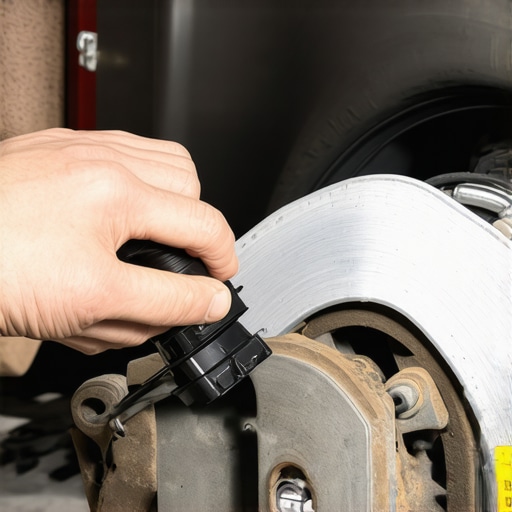
It was a frustrating Saturday morning when I first encountered the screeching sound from my brakes. I was about to hit the road, plans already set, but that high-pitched squeal made me hesitate—was my safety compromised? I felt a wave of annoyance and uncertainty. Like many, I thought, “Do I need new brake pads already?” But after some digging and trial, I discovered a surprisingly simple fix that saved me not only money but also the headache of unnecessary repairs.
Why Brake Squeal Drives Car Owners Crazy—And Why You Should Care
Brake squeal isn’t just annoying; it can be a warning sign of underlying issues, such as worn-out pads or improper installation. Ignoring it might lead to more costly repairs or even safety hazards. The good news? In most cases, the squealing can be stopped with a straightforward trick—no need to buy brand new brake pads or call in a mechanic immediately. It’s a fix I wish I knew earlier, especially since research shows that improper brake maintenance can lead to increased stopping distances and reduced vehicle safety (source).
Early on, I made a common mistake: I assumed the squeal indicated a severe problem, leading me straight to expensive replacements. Instead, I learned that many cases of brake squeal stem from minor issues like dust, corrosion, or uneven pad contact. Once I understood what’s really going on, I could fix it myself and avoid unnecessary expenses.
If you’re tired of that relentless squeak every time you brake, keep reading. I’ll share the simple trick that’s helped me and countless others restore peace to our drives. This method is quick, effective, and accessible—no special tools needed. Ready to reclaim your quiet stops? Let’s dive into how you can make those squeals disappear.
Inspect Your Brake Pads and Rotor Condition
Start by safely lifting your vehicle using a jack and securely supporting it with jack stands. Remove the wheels to access the brake components. Visually examine the brake pads for uneven wear or thinning—less than 1/4 inch thickness indicates it’s time for a replacement. Check the rotor surface for grooves or excessive rust. A specific time I did this, I found my pads worn thin and rotor surface rough, prompting replacements that eliminated the squeal.
Clean Dust and Debris from Brake Components
Use a brake cleaner spray to remove brake dust, grease, and road grime from the pads, rotors, and calipers. Spray liberally, then wipe with clean cloth. This step often solves squeals caused by accumulated debris. I once cleaned the brake assembly, which immediately quieted the noise, saving me a costly repair.
Apply Brake Lubricant to Friction Points
Use high-temperature brake grease on caliper slides, back of the brake pads, and contact points where pads and caliper meet. Avoid getting lubricant on the rotor surface to prevent reduced braking efficiency. Applying lubrication reduces vibrations that cause squeal. I learned this firsthand when lubricating caliper slides, resulting in a smoother, quieter brake feel.
Use Anti-Squeal Compound Effectively
Apply a thin layer of anti-squeal compound or brake pad shim tape to the back of the brake pads. This dampens vibrations that produce squealing noises. When I first did this, it was a quick fix that made a noticeable difference—no more squealing during my daily drives.
Test Your Repairs and Reassemble
After completing the steps, carefully reassemble the wheel, tighten lug nuts to proper torque, and lower the vehicle. Test drive in a safe area, applying brakes gently at first. If squeal persists, revisit the steps—sometimes, replacing the brake pads or rotors entirely might be necessary. Regularly learning about vehicle diagnostics can help you stay ahead of issues (see more on vehicle diagnostics). Keep in mind that proper maintenance extends your vehicle’s lifespan and safety.When it comes to vehicle maintenance, many car owners operate under common misconceptions that can lead to unnecessary expenses and overlooked issues. Let’s dig deeper into some of these misconceptions and reveal the nuanced truths that seasoned mechanics know, ensuring your auto repairs are effective and cost-efficient.
Are Most Brake Service Recommendations Overkill?
It’s a widespread belief that once a brake warning light appears or squealing begins, a full overhaul is immediately necessary. However, expert automobile technicians emphasize that many times, simple adjustments or component cleaning can restore proper function without the hefty price tag. For example, brake dust buildup or slight corrosion can cause squeals, which are easily remedied by routine cleaning and lubrication (see more on brake service). Over-reliance on replacement as the first remedy prevents owners from learning about less invasive solutions available.
The Common Myth About Vehicle Diagnostics That Could Trap You
A false assumption many make is that expensive diagnostic tools are always necessary to interpret vehicle trouble codes. Contrary to this, experienced mechanics often perform visual inspections and basic tests to narrow down issues before resorting to advanced diagnostics. This approach saves time and money. Moreover, understanding the nuances of diagnostic trouble codes (DTCs) — including their limitations and what they truly signify — is vital for accurate repairs (learn more about decoding vehicle diagnostics). Misinterpreting codes can lead to replacing parts that aren’t faulty, amplifying repair costs.
Advanced Mistakes Most Owners Overlook During Oil Changes
Many see oil changes as routine and simple, but skipping essential steps can cause long-term engine issues. For instance, neglecting to replace or clean the oil filter, or failing to check for leaks and proper oil level, can undermine the effectiveness of the oil change. More surprisingly, using incorrect oil viscosity or a subpar oil filter can accelerate engine wear. Industry studies show that proper oil change procedures prolong engine lifespan and improve performance (discover more about oil change best practices). True expertise lies in understanding that each component and process within this simple maintenance task intricately affects your vehicle’s health.
Have you ever fallen into this trap of misconceptions? Let me know in the comments. Mastering these nuances can save you significant time and money, transforming you from a car owner into a knowledgeable vehicle caretaker. For more insights, consider exploring comprehensive guides or consulting professionals through our contact page.Maintaining your vehicle’s performance over time requires more than just routine oil changes; it demands the right tools, disciplined habits, and a proactive mindset. One of the most reliable investments I made was purchasing a high-quality digital code reader, such as the Autel MaxiCOM. This device links to your car’s OBD-II port, allowing you to decode diagnostic trouble codes quickly and accurately, empowering you to identify issues early (see how vehicle diagnostics help prevent breakdowns). I personally use it weekly to check for any lurking problems, saving hours and hundreds of dollars in future repairs.
Another essential tool is a set of precision torque wrenches. Using the recommended torque settings when tightening your brake components or suspension parts ensures safety and longevity. I’ve learned that over-tightening can cause uneven wear and even damage, while under-tightening may lead to parts coming loose. Therefore, I rely on a calibrated wrench, like the Tekton 1/2-inch Drive Torque Wrench, which provides consistent readings and helps prevent costly mistakes.
For inspecting brake components comprehensively, I use a borescope camera. This compact device lets me peer into calipers and behind rotor surfaces without removing them—an invaluable technique for detecting corrosion, piston issues, or uneven pad wear before squealing or braking problems manifest. This small investment has saved me from unnecessary disassembly and guesswork.
In the digital age, software tools also play a vital role. I subscribe to auto repair databases like ALLDATA or Mitchell 1, which provide detailed repair procedures, specifications, and troubleshooting guides. These resources ensure that I follow manufacturer recommendations, especially for complex diagnostics or long-term maintenance schedules.
Looking ahead, I believe that vehicle maintenance tools will become even smarter and more integrated. With the advent of wireless diagnostics and AI-powered software, we can expect to perform advanced diagnostics from smartphones, anticipate failures before they happen, and personalize maintenance routines more precisely. Keeping up with these innovations will be crucial for serious car owners.
If you’re wondering how to keep your vehicle running smoothly year after year, start by investing in a reliable diagnostic scanner or code reader. Once you’re familiar with your car’s health indicators, you’ll be empowered to catch issues early, saving money and enhancing safety. Don’t wait for a warning light—take control now. For comprehensive tips, visit our auto repair strategies page and consider scheduling an inspection using your new tools. Regular maintenance equipped with the right gear is the best way to extend your vehicle’s lifespan and avoid costly surprises.Throughout my journey as a passionate car owner, few experiences have been as enlightening as discovering the depth of knowledge behind simple brake squealing fixes. I used to think that noise meant imminent failure, but I learned that many squeals are just minor issues—dust, corrosion, or vibrations—away from silence. This realization transformed my approach, reminding me that patience and curiosity often trump expensive repairs. When I took the time to inspect and understand my brake system, I uncovered a world of small but impactful maintenance habits that saved me money and boosted my confidence in auto care. The biggest lesson? Sometimes, the simplest tricks, like cleaning and lubricating, carry the most weight in preserving vehicle safety. Embracing this mindset has empowered me not just to fix my brakes but to see car maintenance as an ongoing conversation rather than a one-time fix.