
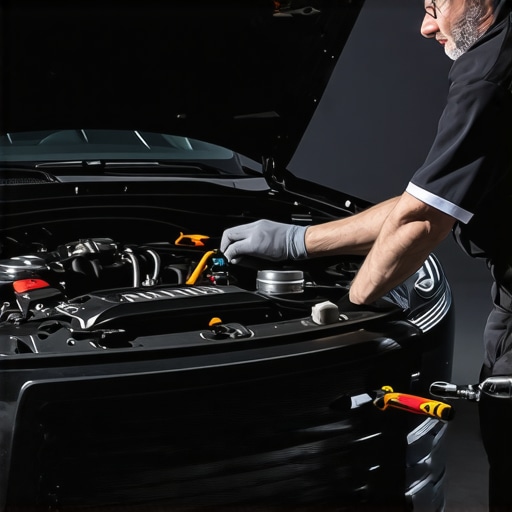
It was a hot summer afternoon when I first learned the hard way about engine flushes. I was at the auto shop, trusting the technician’s advice, and soon after the procedure, my engine started making strange noises. At that moment, I realized I had fallen for a common misconception—thinking that engine flushes were always beneficial. That was my lightbulb moment. Since then, I’ve dug deep into the topic, learning what really works and what could be risky.
In this post, I’m going to share my personal insights and help you understand why engine flushes aren’t always the miracle solution they seem to be. We’ll explore the potential dangers, the signs to watch out for, and what you can do instead to keep your engine running smoothly.
Why Be Wary About Engine Flushes?
Many car owners believe that an engine flush is a quick fix to prolong engine life or remove built-up grime. But here’s the catch—if not done correctly, it can do more harm than good. I’ll admit, early in my mechanic days, I bought into the hype—seeing engine flushes as a way to instantly clean the engine. However, I made a mistake early on by not thoroughly researching the process, leading me to recommend it blindly.
The truth is, engines are complex, and forcing chemicals into the system can loosen debris or old deposits that naturally act as seals or barriers. When these are displaced, it might lead to clogged oil passages or leaks. According to a study by the Society of Automotive Engineers, improper maintenance can accelerate wear and tear, especially if additives are harsh or used excessively.
Have you ever experienced strange engine noises or rough idling after a routine service? These could be signs that an engine flush might have destabilized your engine’s internal components.
Is the Hype Around Engine Flushes Justified?
It’s natural to wonder if all this caution is just skepticism. Honestly, I used to think that any routine procedure recommended by a mechanic was necessary—until I saw the damage it sometimes caused. The key is moderation and understanding your vehicle’s specific needs. For instance, vehicles with high mileage or known sludge buildup may benefit from a professional flush, but it’s crucial to opt for trusted mechanics who use appropriate products.
To learn more about preventive maintenance, you can check out [top auto repair tips to extend your vehicle’s lifespan](https://repairmycarpro.com/top-auto-repair-tips-to-extend-your-vehicles-lifespan). Additionally, familiarizing yourself with advanced diagnostics can help identify issues early and avoid unnecessary procedures—something I wish I had prioritized earlier in my career.
By the end of this post, you’ll understand when a flush might actually help and when it’s better to skip it. Let’s get into the specifics so you can make informed decisions and avoid costly mistakes.
Prepare Your Vehicle and Gather Supplies
Before diving into the engine flush process, ensure your vehicle is parked on a level surface, engine turned off, and cooled down for safety. Gather the necessary supplies: engine flush product recommended by trusted brands, a socket set, screwdrivers, rags, a funnel, and new oil and oil filter.
Drain the Old Oil Properly
Start by lifting your vehicle with a jack and secure it with jack stands if necessary. Locate the drain plug at the bottom of the oil pan, place a drain pan underneath, and carefully remove the plug using a socket wrench. Let the used oil flow out completely. This step is crucial because in some cases, residual oil can dilute the flush additive, reducing its effectiveness. Remember, thoroughly removing old oil creates a clean baseline for your engine cleaning.
Introduce the Engine Flush Solution
Pour the recommended amount of engine flush into the oil fill port. Use a funnel to avoid spills. Then, start the engine and let it run at idle for about 10-15 minutes, as if you were warming it up for an oil change. This process circulates the flush solution throughout the engine, loosening sludge and deposits. Think of it like giving your engine a gentle detox, akin to a cleansing diet for your body. During this time, monitor for any unusual noises or leaks, which could indicate internal issues. After idling, turn off the engine and allow it to cool slightly.
Drain the Flush-Soaked Oil
Once the engine has cooled enough to touch safely, remove the drain plug again and let the now contaminated oil and loosened debris drain out. This step is critical—residual sludge trapped in passages can cause blockages if not completely removed. Using a rag, wipe the oil drain area and inspect for any debris or sludge buildup, giving you insight into your engine’s condition.
Replace Oil Filter and Refill with Fresh Oil
Remove the old oil filter with the appropriate tool. Before installing the new filter, smear a bit of fresh oil on its rubber gasket to ensure a proper seal. Spin on the new filter hand-tight, then tighten slightly with a wrench. Next, refill the engine with high-quality oil as specified in your vehicle’s manual. For better engine health, consider an oil formulated with new additive technologies that protect under extreme conditions. Finally, start the engine and let it run for a few minutes, checking for leaks and monitoring oil pressure. Turn off the engine and recheck the oil level, topping off as necessary.
Final Checks and Disposal
Perform a quick visual inspection for leaks or abnormal sounds. Reset the oil change light if applicable. Properly dispose of the used oil and old filter at a certified recycling facility—never pour it down drains or onto the ground. This step prevents environmental damage and complies with local regulations. Remember, routine maintenance like this can be supplemented with advanced diagnostics to identify underlying issues—see how [vehicle diagnostics explained in simple terms](https://repairmycarpro.com/vehicle-diagnostics-explained-easy-checks-before-your-road-trip) to safeguard your engine.
Following these steps carefully will help ensure a safe and effective engine flush, improving your engine’s performance and longevity. Consistent maintenance, combined with knowledgeable troubleshooting, is the best way to keep your vehicle running smoothly.
Many drivers believe they can handle basic repairs like oil changes or brake replacements themselves, but overlooking nuanced details can lead to costly mistakes. A typical myth is that all brake pads are created equal; in reality, choosing the wrong type—like cheap, low-quality pads—can compromise safety and durability. Similarly, many assume that routine oil changes are just a matter of draining and refilling; however, neglecting proper oil selection and filter installation can accelerate engine wear, despite the routine appearance.
Here’s a hidden nuance that even experienced enthusiasts often miss: the significance of proper vehicle diagnostics before replacing parts. Relying solely on dashboard warning lights or surface symptoms can lead to unnecessary part replacements. For example, a misdiagnosed coolant leak might actually be an issue with the radiator cap or a sensor, not the radiator itself.
Are Diagnostics Just a Costly Step, or Do They Save Money?
Advanced diagnostics may seem like an extra expense, but according to experts at the Society of Automotive Engineers, investing in thorough diagnostics prevents costly misdiagnoses and extends vehicle lifespan. Proper diagnostic tools can reveal underlying problems—like a failing sensor or vacuum leak—that, if ignored, could cause premature wear or damage to other components. Don’t fall for the misconception that diagnostics are only necessary for complex issues; in reality, they save money and headaches down the line.
Another misconception involves oil changes: many think using the cheapest oil is sufficient. Yet, high-quality synthetic oils contain advanced additives that protect against extreme temperatures and reduce engine deposits. Skimping on oil quality might save a few dollars initially but can lead to increased wear and decreased fuel efficiency over time. As highlighted in recent studies, investing in better oil technologies offers a significant return in engine longevity.
Similarly, with brake service, some believe replacing pads alone guarantees safety, but neglecting rotor condition or brake fluid quality can undermine performance. Regularly inspecting and replacing brake fluid ensures consistent braking force, avoiding dangerous pedal softness or pulsing. For more insights on how to optimize brake safety, visit this comprehensive guide.
In summary, many misconceptions about auto repair stem from oversimplified beliefs or incomplete knowledge. Being aware of these nuances—like the importance of proper diagnostics or selecting the right materials—can save you money and enhance safety. Don’t fall into the trap of doing only what’s visible or convenient; dig deeper to ensure your vehicle truly gets the right care. Have you ever fallen into this trap? Let me know in the comments, and stay informed with the right auto maintenance strategies.
Investing in Reliable Tools for Auto Maintenance
When it comes to maintaining your vehicle, having the right equipment can make all the difference. I personally rely on a high-quality digital multimeter for diagnosing electrical issues, because it provides precise readings of voltage, current, and resistance, which are crucial for troubleshooting sensors and wiring problems. For example, performing vehicle diagnostics with an advanced scanner allows me to pinpoint issues faster and more accurately, saving both time and money.
Another essential tool is a set of premium socket wrenches with a comfortable grip. They give me the leverage needed to remove stubborn bolts without slipping, especially during brake service or oil filter replacements. Investing in quality tools ensures longevity and reduces the risk of damage during repairs, which is why I choose brands like Snap-on and OEM equivalents.
Adopting Effective Maintenance Routines
Regular oil changes are the foundation of long-term engine health. I recommend using oil with advanced additive technologies that protect against extreme temperatures and reduce sludge buildup. To monitor your engine’s condition accurately, I use a portable oil tester that measures viscosity and contamination, helping me decide when a change is truly necessary instead of relying solely on mileage intervals.
Brake maintenance shouldn’t be overlooked. I advise inspecting brake fluid and pads every 20,000 miles and replacing them promptly to avoid costly repairs later. Utilizing a brake fluid tester ensures the fluid remains within the optimal viscosity range, which prevents spongy pedals and improves safety. Regular inspections, combined with quality replacement parts, are vital for reliable braking performance.
Tools I Recommend for Long-Term Car Care
One tool I find invaluable is a parking lot laser thermometer. It helps me quickly identify overheating components such as the radiator or exhaust system. This simple device allows for early detection of potential issues before they escalate, aligning with insights from automotive safety experts who emphasize early troubleshooting to avoid breakdowns.
Another must-have is a professional-grade brake caliper piston compressor. It makes compressing pistons during brake pad replacement a breeze, ensuring proper fitment and function. Crafting a list of these essential tools and keeping them organized in a portable toolbox has streamlined my maintenance routines significantly.
Where do I see vehicle maintenance heading in the future?
As vehicle technology advances, especially with the rise of smart systems and electric vehicles, diagnostic tools are becoming more sophisticated—integrating AI and cloud-based data analysis. This evolution will enable even less experienced owners to perform complex diagnostics and maintenance tasks confidently, reducing reliance on costly mechanic visits.
If you haven’t already, I suggest trying out a professional-grade diagnostic scanner or an advanced oil testing kit, which are accessible options that deliver immediate insights. Incorporating these tools into your routine will help ensure your vehicle stays reliable and safe over time. Want to get started? Check out this guide for more on how diagnostics can save you money and stress on the road.
The Hard-Learned Lesson That Changed My Auto Repair Perspective
One of the most profound lessons I learned about auto repair revolves around the importance of diagnostics and understanding your vehicle’s unique needs. Early in my career, I believed that routine procedures like engine flushes or oil changes were one-size-fits-all solutions. However, I soon discovered that blindly trusting generic advice can lead to unintended damage, such as loosening crucial deposits or damaging seals.
This lightbulb moment taught me to prioritize tailored diagnostics before jumping into repairs. For example, investing in advanced vehicle diagnostics tools can reveal underlying issues that simple visual inspections might miss, saving you time and money in the long run. Remember, not every car benefits from the same maintenance routine, and understanding that nuance is key to becoming a more informed car owner or mechanic.
My Go-To Tools That Transformed My Approach to Auto Maintenance
Over the years, I’ve curated a set of tools that have become indispensable for safe, effective auto repairs. A professional-grade diagnostic scanner gives me quick insights into complex engine codes, helping me avoid unnecessary part replacements. A reliable digital multimeter ensures accurate electrical troubleshooting, which is often overlooked but crucial for modern vehicles.
Additionally, high-quality socket sets and brake caliper tools have improved my efficiency and reduced the risk of damages during repairs. Trust me, investing in the right equipment isn’t just about convenience—it’s about ensuring safety and longevity for both your vehicle and your peace of mind.
Your Next Step: Embrace Smarter Auto Maintenance
The future of auto repair is heading toward smarter, diagnostic-driven practices. If you want to stay ahead, consider integrating advanced testing tools and diagnostics routines into your maintenance schedule. These not only help prevent costly breakdowns but also extend your vehicle’s lifespan, making every dollar spent more effective.
Start by exploring resources like this comprehensive guide on diagnostics, or check out tips to extend your vehicle’s lifespan. Remember, becoming proactive with your auto care transforms the daunting into manageable—empowering you to handle what once seemed complex.