Mar 11, 2026
Is Your 2026 Battery Dying? 4 Symptoms a Standard Scan Misses
It was one of those mornings—cold, gray, and just enough darkness to make me pause behind the wheel, realizing my car refused to start. The dashboard lit up with warning lights, but when I hooked up my diagnostics scanner, it showed nothing unusual. That uneasy feeling in my gut? Yeah, I’ve been there. Sometimes, our vehicle’s health is more fragile than it looks, especially as we approach 2026 models with their intricate systems.
Why You Can’t Just Rely on Standard Scans to Detect Hidden Battery Problems
When your car’s battery starts to weaken, it doesn’t always give the obvious signs. I learned this the hard way early on—assuming that if the scanner didn’t show a fault, everything was fine. But in reality, some symptoms of aging batteries slip past the usual diagnostics, leading to unexpected breakdowns when you least expect them. Today, I want to shed light on four sneaky signs your 2026 battery might be on its last legs—signs that standard scans often miss.
Is It Worth Digging Deeper? My Early Mistake and How to Avoid It
Back in my novice days, I made the mistake of relying solely on my scanner’s readings. I ignored subtle clues like dimming lights or sluggish starts, which later turned out to be related to battery health. This oversight underscores the importance of understanding what a scanner can and can’t detect. To truly know your vehicle’s battery health, especially with the complexities of 2026 technologies, you need to look beyond the immediate scan results. For comprehensive insights, I recommend exploring this resource on why 2026 turbo engines demand specific maintenance.
So, if you’ve ever experienced a dead battery waking you up early on a cold morning, or worry about subtle signs that tech might overlook, you’re not alone. Understanding these hidden symptoms can save you time, money, and unexpected breakdowns.
Next, we’ll dive into actionable tips to detect these issues early on—long before your car refuses to start or gets stranded. Are you ready to become more proactive about your 2026 vehicle’s battery health?
Test Battery Voltage Regularly and Accurately
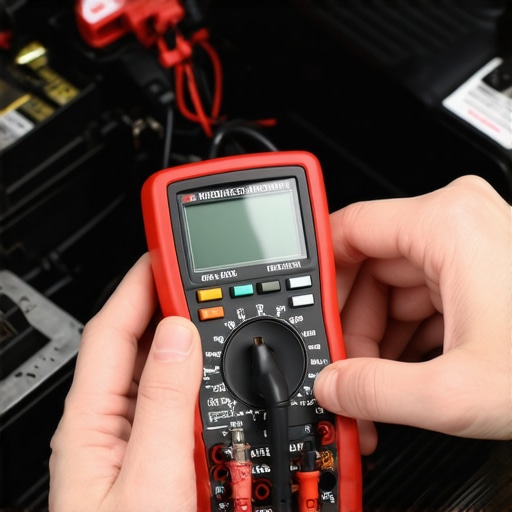
Start by acquiring a reliable multimeter, and set it to measure volts. Turn off your vehicle, then connect the multimeter probes to the battery terminals—red to positive, black to negative. A healthy 2026 battery should read around 12.6 volts; anything significantly lower indicates a weakened cell. I once checked mine after noticing sluggish starts and found it only registered 12.2 volts. Replacing the battery before failure saved me from being stranded during a freezing morning.
Perform a Load Test to Simulate Real-World Conditions
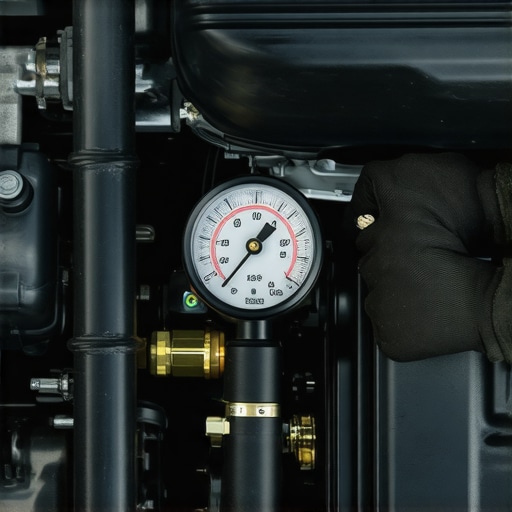
Use a load tester, or visit a professional with one, to assess battery capacity under real draw. Attach the tester to the terminals, and apply a load equal to half the CCA (cold cranking amps) rating of your battery for 15 seconds. If the voltage drops below 9.6 volts during testing, it’s time for a replacement. I did this during a routine check, and it revealed my battery couldn’t sustain even moderate loads, despite passing a basic voltage test. This technique catches hidden issues standard scans often miss—like those detailed in vehicle diagnostics blind spots.
Identify Corrosion and Physical Damage
Visually inspect the battery terminals for corrosion—a white, crusty buildup—or signs of swelling and leakage. Use a wire brush to clean corrosion gently. Corrosion hampers electrical connectivity, leading to repeat starting problems, even if diagnostics report no issues. I once overlooked minor corrosion which later caused my car to refuse startup during a cold snap, reminding me why physical checks matter more than scans alone. Regular inspections can prevent surprises, especially as newer 2026 models are more sensitive to subtle battery issues. For extra insight, see oil issues in hybrids.
Use Advanced Diagnostic Tools for Deeper Insights
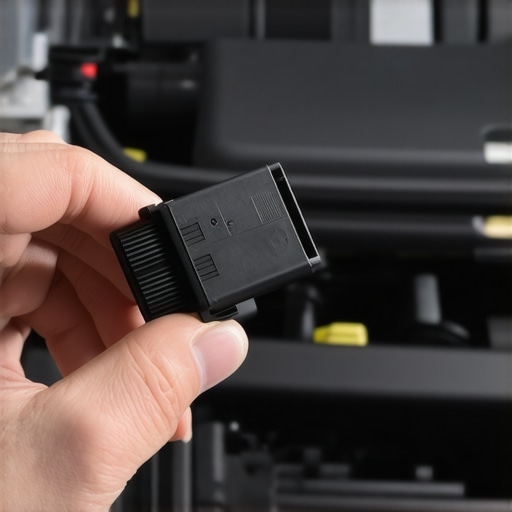
Employ an advanced OBD-II scanner capable of reading specific battery health codes. Some modern vehicles log parasitic drain or internal fault codes that aren’t visible through basic scans—essential in 2026 models that utilize complex electronic systems. When I examined my vehicle with a device linked to the vehicle’s CAN bus, it revealed a ghost code related to module communication—something a standard scanner missed. You can learn about such hidden issues here: ghost codes and diagnostics. Regularly updating your scanner’s firmware ensures you catch these stealth errors before they escalate.
Monitor Battery Performance Over Time
Keep a maintenance log recording voltage readings, load test results, and visual inspections. Observe any trends—such as decreasing voltage or increased corrosion—that suggest decline. Remember, a battery’s capacity degrades gradually, often before obvious failure occurs. I started tracking these metrics, and when I noticed a 0.2-volt drop over three months, I replaced the battery proactively, avoiding being stranded at an icy station. Applying these precise, methodical checks can make the difference between a reliable vehicle and unexpected breakdowns, especially as your 2026 vehicle integrates more advanced tech, which can mask early issues if overlooked. For more comprehensive understanding, visit turbo engine maintenance.Many car owners believe that following the manufacturer’s recommended oil change intervals and relying solely on basic diagnostics will keep their vehicles in top shape. However, these assumptions often lead to overlooked issues and unexpected failures.
Why do conventional oil change guidelines sometimes fail to prevent engine problems?
Everyone is told to stick to a specific mileage or time interval for oil changes, but in reality, the type of oil used, driving conditions, and engine design can significantly alter the necessity and frequency of oil changes. For high-performance or turbocharged engines in 2026 models, using the wrong oil can accelerate deposits and sludge formation, even before the scheduled oil change. Check out why low-SAPS oil is critical for 2026 turbo engines for more details.
Many assume that vehicle diagnostics are foolproof, but this is a misconception. Modern vehicles equipped with advanced sensors and microcontrollers rely on a host of internal signals that can be misread or masked. Standard OBD-II scanners might display a clean report while the vehicle still suffers from issues like parasitic drain or parasitic faults. For example, some systems hide ghost codes that only specialized tools can detect, as discussed in these hidden diagnostic codes.
Auto repair shops often rely on visual inspections or basic tests, but in the age of electronic and software-driven components, many problems look harmless on the surface but are symptoms of deeper issues, such as sensor calibration errors or software conflicts. Ignoring these nuances can lead to repeatedly being billed for the same repair or, worse, vehicle breakdowns.
Let’s address a common myth that could be costing you—many believe that changing brakes or oil immediately upon dashboard alerts is the best course. While prompt action is necessary, understanding whether the alert is genuine or a false reading can save you time and money. For instance, some 2026 brake sensors give false wear alerts due to temperature fluctuations or software glitches—see how to spot false brake wear signals.
Finally, advanced diagnostics involve not just reading error codes but interpreting data trends and anomaly patterns. This requires experience and sometimes specialized firmware updates, as recent studies highlight that outdated scanner software can miss critical faults, especially in complex 2026 models with integrated electronic systems. Stay ahead by regular updates and learning to interpret the data yourself or consulting a knowledgeable mechanic.
Have you ever fallen into this trap? Let me know in the comments. Understanding these hidden nuances about oil change practices, diagnostics, and repairs can dramatically improve your vehicle’s longevity and performance, especially as technology evolves.
Investing in Reliable Equipment and Techniques for Ongoing Care
Keeping your vehicle in top shape over time demands the right tools and methods. I personally rely on a high-quality multimeter that measures battery voltage accurately, such as the Fluke 117. Its precision helps me monitor subtle drops in voltage that could indicate an impending failure, especially crucial with complex 2026 models. Additionally, a professional-grade load tester like the Bluepoint LT3310 allows me to simulate real-world starting conditions, revealing hidden battery issues that basic scans often miss. For visual inspections, I use a rubberized wire brush to clean terminals without damaging them, preventing corrosion from affecting electrical flow and leading to unpredictable starting problems.
When diagnosing issues beyond basic checks, I turn to an advanced OBD-II scanner such as the Autel MaxiCOM, which can read deep battery health codes and parasitic drain logs stored in the vehicle’s CAN bus system. Regular firmware updates ensure I stay ahead of the curve, catching ghost codes and internal faults in my 2026 vehicle before they cause breakdowns. To keep a long-term eye on my vehicle’s health, I maintain a detailed log recording voltage readings, load test results, and visual observations like corrosion or swelling. This ongoing documentation helps me identify declining trends, such as a voltage drop over successive checks, prompting proactive replacement rather than waiting for failure.
The future of vehicle maintenance points toward smarter, more integrated tools. Predictive diagnostics utilizing AI and integrated data analytics will soon allow us to forecast issues before symptoms manifest, saving time and money. For now, the key is to combine precise equipment with consistent maintenance routines. One actionable step I recommend is setting a regular schedule to perform load tests and visual inspections—this simple habit can catch problems early, especially as 2026 models’ electronic systems become more complex. For example, regularly checking for corrosion and using a professional scanner to analyze battery health codes can prevent unexpected failures, keeping your vehicle reliable and safe. Want to try a proven method now? Use your multimeter to measure your battery voltage—if it’s below 12.6 volts, it’s time to consider a replacement before a roadside emergency happens. For more in-depth guidance on diagnosing hidden issues, read about blind spots in vehicle diagnostics.
Over the years, I’ve learned that trusting quick scans and surface-level checks can be your vehicle’s downfall, especially with the sophisticated systems in 2026 models. The real power lies in paying attention to those subtle, often overlooked signals—things no diagnostic tool can fully capture.
The Hardest Lessons I Learned About Vehicle Maintenance
- Never ignore your instincts: When something feels off—be it sluggish acceleration or weird sounds—dismissing it with a quick scan is risky. I wish I understood earlier that physical inspections and listening to my car were just as vital as tech diagnostics.
- All diagnostics aren’t equal: Standard scans missed ghost codes and parasitic drain issues in my 2026 hybrid. Investing in advanced tools and learning how to interpret their data changed my approach entirely.
- Continuous vigilance beats reactive repairs: Keeping a routine of voltage checks and visual inspections helped me catch battery decline early, saving me from costly breakdowns during cold mornings.
- The importance of context: Rather than only relying on numbers, understanding how driving habits and environmental factors impact battery health provides a more comprehensive picture. For example, high-frequency short trips accelerate battery aging, a detail often missed in basic diagnostics.
- Communicate with your vehicle: I learned to listen to faint warnings—dim lights, sluggish starts—and respond proactively. Paying close attention to these can ward off unexpected failures.
Tools and Resources That Made a Difference
- High-quality multimeters: Regular voltage checks are the foundation of battery health monitoring—trust me, knowing your voltage trend helps you act before crisis strikes.
- Advanced diagnostic tools: Devices that read parasitic drain and internal fault codes provided insights that standard scanners simply can’t deliver.
- Routine visual inspections: Checking terminals for corrosion and physical damage saves you from mysterious starting problems—especially in cold weather.
- Regular firmware updates for diagnostic tools: Staying current ensures you catch stealth issues and avoid false reassurance.
Seize Control: Your Vehicle’s Health Is Personal
Understanding that your vehicle’s health extends beyond machines and software fosters a sense of ownership and confidence. The future of auto care is proactive—combining accurate measurements, visual diligence, and ongoing education empowers you to keep your 2026 vehicle performing at its peak. Remember, a well-maintained battery isn’t just about avoiding a dead car; it’s about preserving the trust and safety your vehicle provides daily.
What’s the smallest sign you’ve ignored that turned into a bigger issue? Share your experiences below and let’s learn together—because when it comes to vehicle care, the smallest signals can make the biggest difference.
More Details


Many car owners assume that following the basic maintenance schedules or trusting their mechanic blindly keeps their vehicle in top shape, but the reality is far more nuanced. The common beliefs surrounding oil changes, brake service, and diagnostics often mask deeper misunderstandings that can lead to costly mistakes. For instance, many believe that changing oil every 5,000 miles is universally optimal, yet high-performance vehicles or turbocharged engines in the 2026 era often require tailored intervals—something overlooked by generic advice. Instead, consulting detailed guides like