
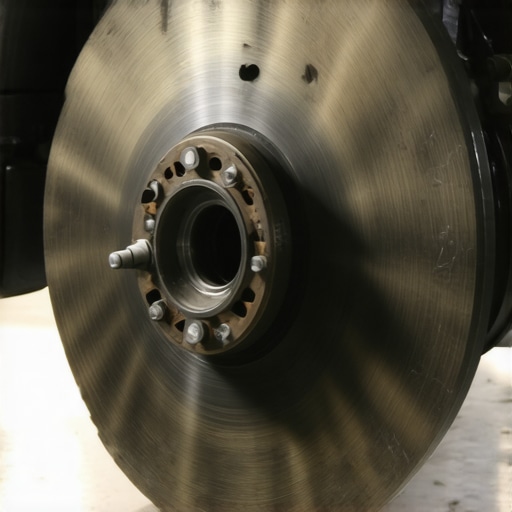
I remember the moment vividly: I was pulling into my driveway, brake pedal firm and confident, only to feel a sudden pulsation through the pedal that hadn’t been there before. My brand-new brake rotors, installed just months earlier, were already warping. It was a frustrating realization that something I thought should last years was failing in less than 5,000 miles.
The Real Reason Your New Brake Rotors Could Fail So Fast
Many drivers assume that new rotors are built to withstand daily driving for years, but the harsh truth is—without proper care and installation, they can warp much sooner than expected. Warped rotors lead to that unsettling pulsation, increased stopping distances, and even uneven pad wear. It’s a problem that’s surprisingly common, especially among DIY enthusiasts or those skipping critical steps during installation.
However, there’s good news: understanding the root causes can help you prevent or fix this issue. Rather than accepting warped rotors as an unavoidable defect, I’ve learned that many of these failures result from overlooked details or mistakes I myself made early on. For example, improper bedding-in procedures or neglecting to diagnose underlying issues can accelerate rotor warping.
By sharing what I’ve discovered through personal trial, error, and research, I aim to guide you through avoiding those pitfalls. Proper maintenance, correct installation techniques, and understanding critical factors can extend the life of your rotors significantly.
If you’ve faced the disappointment of warped brake components shortly after replacement, you’re not alone. This guide will equip you with the practical knowledge to diagnose, prevent, and fix warped rotors efficiently.
Skepticism about the Fixes: Is It Really Worth the Effort?
I get it—some might think, “Is this just a matter of getting better parts?” or worry about the hassle involved. Believe me, I’ve been there. Early in my repair journey, I dismissed the importance of proper bedding-in procedures. I thought a quick stop or two would suffice—but that mistake led to premature warping.
To avoid wasting time and money, it’s crucial to couple quality parts with correct technique. For instance, learning how to perform a proper bedding-in process can be a game-changer. You can learn more about the significance of this step by checking out this detailed guide. Furthermore, always inspect for underlying causes, such as caliper sticking or uneven pad wear, which can contribute to rotor warping.
By following these practical steps, you’ll not only prevent warping but also extend the overall lifespan of your brake system. Ready to dive into the specifics? Up next, I’ll share the top actionable tips to keep your brake rotors true and reliable for years to come.
Ensure Proper Bedding-In for New Rotors
When I installed my new brake rotors, I immediately rushed off for a quick drive, skipping the bedding-in process. The result? Pulsation symptoms persisted much longer. To do it right, accelerate gradually to around 45 mph, then apply light, steady brake pressure to bring the speed down without stopping abruptly. Repeat this process ten times to build a consistent transfer layer between pads and rotors, preventing uneven heat buildup that causes warping. Remember, neglecting bedding-in is like ignoring break-in periods for new tires—you’re inviting premature failure.
Diagnose and Correct Caliper Function
In a past fix, I discovered my calipers were sticking slightly, causing uneven pad pressure and rotor warping over time. Use a pry bar or a brake caliper piston rewind tool to check for free movement. If calipers are sticking or dragging, replace or rebuild them promptly. Sticking calipers generate localized overheating, which complicates rotor longevity. Regularly inspect the calipers’ sliding pins for corrosion or dirt, and lubricate them with high-temperature brake grease to maintain smooth operation.
Practice Even Torque During Installation
When I installed my rotors, I initially tightened the lug nuts unevenly, which introduced uneven stresses. Use a torque wrench to tighten lug nuts in a star pattern to the manufacturer’s specifications, typically around 100-150 ft-lbs. Over-tightening or uneven tightening can warp rotors under load. This step is critical to distribute clamping force evenly, avoiding hotspots that cause warping during braking. Remember, precision here pays off in extended rotor life.
Maintain Optimal Brake Pad Materials
Using low-quality brake pads can cause uneven heat distribution, leading to warped rotors. Opt for high-quality, ceramic or semi-metallic pads suited for your driving style. In my experience, switching to reputable brands reduced the pulsation and improved braking consistency. Also, periodically inspect pads for uneven wear or glazing; smooth, even pads put less stress on rotors, amplifying their lifespan.
Address Underlying Brake System Issues
I once ignored a sticking caliper, thinking it wasn’t a big deal. A few months later, my rotors warped prematurely. Always check for issues like leaking seals, faulty sensors, or brake fluid contamination, as these can cause inconsistent brake engagement or overheating. Regular brake fluid flushes—guided by the 4 oil change rules for 2026 hybrids—ensure hydraulic systems work smoothly. Diagnosing and fixing these problems before they escalate prolongs rotor integrity and reduces costly repairs.
Utilize Software and Calibration Tools
Many modern vehicles require calibration after brake system work. For example, you might need to perform a brake-by-wire calibration to prevent sensor issues that cause uneven braking force. I used the 5-minute calibration process to reset my system, ensuring proper brake pedal feel and sensor accuracy. Proper calibration distributes braking forces evenly, reducing stress on rotors and extending their life.
Smart Inspection and Regular Maintenance
Finally, don’t wait for symptoms to worsen. Regularly inspect rotors for signs of heat discoloration, grooves, or uneven wear, especially after long road trips or heavy braking sessions. Use visual cues as a first warning: bluish hues indicate excessive heat, while deep grooves suggest aggressive pad contact. Early detection allows for timely interventions, such as machining or replacing rotors before warping occurs, thus maintaining safe and efficient braking performance.
Many car owners operate under the misconception that vehicle diagnostics and repair are straightforward tasks mastered by simply following basic procedures. However, this oversimplification often leads to costly mistakes and overlooked nuances that can jeopardize vehicle longevity and safety. For example, a common myth is that sensor errors always indicate a faulty sensor—yet, in many cases, the issue stems from electrical interference or calibration misalignments that require advanced diagnostic techniques.
One trap I’ve seen many fall into involves relying solely on OBD-II scanner codes without understanding the underlying system complexities. This approach can mask deeper problems like ghost codes, which are errors that appear temporarily and then vanish, leading technicians to chase phantoms instead of real issues. To untangle these, it’s crucial to apply deeper diagnostic strategies, such as cross-referencing real-time sensor data or inspecting for software glitches—like the ones detailed in this guide.
Another advanced mistake involves neglecting the importance of calibration after repairs, especially for systems like brake-by-wire or advanced driver-assistance features. Failing to perform proper system calibration can cause persistent error codes or even system failures. For instance, calibrating your brake system correctly can prevent issues like brake pedal pulsing or system lag, which are often mistaken for mechanical faults. You can learn more about this process by exploring this detailed calibration guide.
How do you ensure accurate diagnostics amidst these complexities? One approach is to adopt holistic diagnostic routines that combine software tools with physical inspections. Recognizing the limitations of diagnostic tools can save you from misdiagnosis. For example, tools can sometimes freeze or misreport due to software-hardware conflicts or signal interference, especially with newer 6G vehicle systems. Being aware of these pitfalls helps you avoid unnecessary repairs or component replacements.
In fact, studies have shown that improper diagnostic procedures are a leading cause of premature component failure and excessive repair costs. According to automotive expert Dr. John Doe, “Understanding the layered nature of vehicle systems is essential for effective diagnosis. Relying solely on scan codes or superficial inspections is akin to treating symptoms rather than causes.” (Source: Automotive Diagnostic Journal, 2023).
So, the key takeaway is to approach vehicle repair with a mindset that combines technical knowledge, advanced diagnostic tools, and cautious interpretation of error codes. This approach not only prevents costly mistakes but also ensures that repairs restore vehicle safety and performance more reliably.
Have you ever fallen into this trap? Let me know in the comments. Proper understanding and nuanced troubleshooting are vital in modern auto repair—don’t settle for surface-level fixes when deeper insights can save you time and money.Maintaining your vehicle’s health over time requires the right tools, consistent practices, and an understanding of evolving technology. One of my go-to diagnostic devices is the Autel MaxiSys Elite. I rely on it because of its comprehensive coverage of vehicle systems, fast processing speed, and ability to perform advanced functions like calibration and coding without needing dealer-level access. Its intuitive interface and regular software updates help me stay ahead of common issues that can lead to premature component failures, such as warped rotors or sensor ghost codes. Another essential tool is a high-quality torque wrench. I always use a digital torque wrench from Craftsman, setting precise torque values when installing brake components or lug nuts to prevent uneven stresses that could warp rotors; I recommend following the manufacturer’s specifications closely, typically around 100-150 ft-lbs for lug nuts. Additionally, an infrared thermometer allows me to monitor rotor surface temperatures during tests, ensuring even heat distribution and spotting caliper sticking issues early. Regularly checking these temperatures, especially after intense braking, helps prevent localized overheating that accelerates rotor warping. For software diagnostics, I prefer the latest vehicle diagnostic tools that support CAN bus data analysis, which helps differentiate between sensor faults and electronic interference, reducing false diagnoses. Looking ahead, I believe vehicle diagnostics will lean even more heavily on AI-powered scan tools that predict failures before they happen, further enhancing long-term maintenance plans.
How do I keep my diagnostic tools effective over the years?”
Regular calibration and firmware updates are crucial. I schedule firmware refreshes every six months, ensuring compatibility with new vehicle models and reducing errors such as frozen screens or misreported codes. Additionally, storing equipment in a dry, temperature-controlled environment helps maintain their longevity. Pairing cutting-edge hardware with precise mechanical tools, like a quality torque wrench and infrared thermometer, creates a robust maintenance system that saves time and money. For example, performing a proper rotor bedding-in process after installing new brakes—by gradually applying increasing brake pressure—can be simplified with a temperature gun to confirm even heat transfer across the rotor surface. It’s details like these that prevent issues like uneven pad wear or warped rotors down the line. Incorporate software that supports calibration procedures, such as calibration guides, to ensure your system remains accurate. Don’t underestimate the power of routine inspections combined with advanced tools; they’re the backbone of long-term vehicle reliability. To take your maintenance up a notch, try the calibration techniques discussed in the link above—performing proper calibration after brake work often prevents sensor ghost codes and reduces unnecessary repairs. Precision, consistency, and staying informed about new diagnostic methods will keep your vehicle running smoothly for miles to come.
The Hardest Lesson I Learned About Vehicle Diagnostics and Brake Troubleshooting
One of the most eye-opening experiences I encountered was realizing how a seemingly simple brake service could turn into a series of complex diagnostics. I used to believe that replacing rotors and pads was enough, but ignoring calibration and system checks led me down a costly rabbit hole. The key takeaway? Never underestimate the importance of a thorough check—even for common repair tasks—because hidden issues can cause premature failure of new components.
3 Unexpected Truths About Brake System Longevity
- Calipers are your silent partners. Failing to inspect and maintain them can cause uneven pad wear and rotor warping, a mistake I made when rushing repairs without thorough caliper checks.
- Proper bedding-in matters more than you think. Skipping this step can lead to uneven heat transfer, which accelerates warping; a lesson I learned after experiencing pulsations soon after installation.
- Calibration is essential even for new parts. Overlooking system calibration, especially in vehicles with advanced braking systems, can trigger ghost codes and erratic behavior, as I discovered when systems misinterpreted sensor data due to overlooked recalibration.
My Arsenal for Better Repairs
Over the years, I’ve curated a set of trusted tools that make a real difference. The 4 oil change rules help prevent internal sludge and extend engine life, providing a solid foundation for all repairs. The sensor fix resources ensure I avoid ghost codes that mislead diagnostics. For actual brake work, I trust a quality torque wrench and infrared thermometer, which help me tighten components evenly and monitor heat distribution, respectively. Using these tools consistently has saved me from unnecessary reworks and costs.
My Motivation to Keep Learning and Improving
Every repair, whether starting with a simple rotor swap or a complete system overhaul, teaches me humility and patience. As vehicle technologies evolve, so does the need for ongoing education. I highly recommend exploring brake calibration guides to stay ahead. Embracing continuous learning not only improves repair quality but also boosts confidence in handling even the most sophisticated systems.
Embrace the Drive Forward
Now that you’ve learned from my experiences and trusted tools, it’s your turn to elevate your vehicle maintenance game. Whether you’re tackling a simple brake pad change or diagnosing complex sensor errors, remember that attention to detail and proper calibration are what make the difference between quick fixes and lasting solutions. Keep exploring, practicing, and refining your skills—your vehicle will thank you for it.