
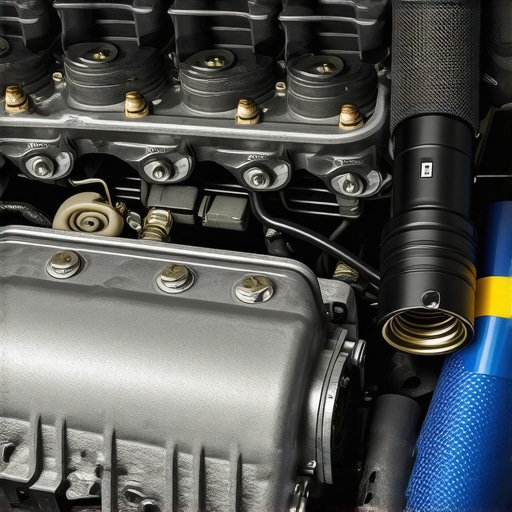
I remember the sinking feeling in my gut when my car started smoking and overheating. It was late afternoon, and I was miles from home. That moment of panic hit me hard—was my head gasket blown? Back then, I had no idea how to tell for sure, and I spent days guessing, worrying about costly repairs and ticking time bombs under the hood. If you’ve ever faced a similar dilemma, you’re not alone. That uncertainty can be frustrating and expensive, especially when you’re trying to figure out if a simple fix will do or if a major engine rebuild is looming.
What You Need to Know About Head Gasket Failures
Today, I want to share a straightforward way to determine whether your head gasket is blown—without relying solely on guesswork or expensive mechanic visits. Over the years, I’ve learned that a few key signs can tell you a lot. And trust me, understanding these signs can save you money and prevent unnecessary panic. We’ll cover practical, easy-to-spot symptoms and how to interpret them, so you’re empowered to assess your engine’s health confidently. If you’ve noticed coolant leaks, rough running, or weird odors, it’s worth investigating further. Ready to become your own diagnostic expert? Let’s dig into the details.
Is a Blown Head Gasket Really a Major Crisis?
Early in my garage days, I made the mistake of thinking every little engine hiccup meant disaster. Turns out, not every symptom indicates a blown head gasket. In fact, some signs are misleading, and rushing to replace it without proper diagnosis can be a costly mistake. According to automotive expert Bob Robinson, misdiagnosing head gasket failure leads to unnecessary repairs costing hundreds or even thousands of dollars. To avoid falling into that trap, it’s crucial to recognize the real signs and do a proper check before jumping to conclusions. And if you want to explore common diagnosis pitfalls, I recommend reading [this informative guide](https://repairmycarpro.com/why-your-new-synthetic-oil-turned-black-after-only-500-miles). Now, let’s look at the specific symptoms that can help you spot a blown head gasket with clarity.
Check for Coolant Contamination in Oil
Start by inspecting your engine oil using the dipstick. If the oil appears milky or frothy, it indicates coolant mixing—a strong sign of a head gasket failure. I once noticed this when my car started running rough; a quick oil check revealed the issue immediately, saving me from costly repairs. Make it a habit to check your oil regularly.
Perform a Compression Test
This involves removing spark plugs and using a compression gauge to measure cylinder pressure. Connect the gauge and crank the engine; compare readings from each cylinder. Significant discrepancies suggest a gasket breach. When I did this on my vehicle, I discovered uneven compression, confirming my suspicions. Always ensure the engine is warm before testing for accurate results.
Conduct a leak-down Test for Precise Results
This test helps locate leaks by pressurizing each cylinder and listening for escaping air. Use a leak-down tester; if hissing or an air escape sounds from the radiator or oil fill cap, the gasket may be compromised. I once used this method during a repair, and it pinpointed the gasket as the culprit, preventing unnecessary part replacements. Remember, the test requires the engine to be at top dead center for best accuracy.
Examine Combustion Gases in Cooling System
Use a chemical block tester—a fluid that changes color if exhaust gases are present in the radiator. This simple step can quickly verify if combustion gases are leaking into the coolant. I did this after noticing overheating, and the test confirmed a gasket leak. Keep in mind, repeated overheating can damage other components, so early detection is key.
Look for External Clues
Inspect for oil leaks on the cylinder head or around the radiator. Puddles of coolant or oil mixing on the surfaces are tell-tale signs. I remember noticing a white foam on my engine bay, which led me to investigate further and identify a blown gasket. Regular visual inspections can often detect problems before they escalate.
Utilize Diagnostic Codes Carefully
Scan your vehicle with an OBD-II scanner for codes like P0300 or P0171, which can signal misfires or lean conditions caused by gasket failure. However, don’t rely solely on these codes—they can be caused by other issues. In my case, interpreting the codes in context helped me decide whether to proceed with further testing or consult a mechanic. If you’re dealing with complex diagnostics, [this guide](https://repairmycarpro.com/why-2026-high-pressure-cold-starts-are-crushing-your-oil-filter) offers insights on interpreting engine trouble codes effectively.
Monitor Engine Temperature and Fluid Levels
Keep an eye on cooling system pressures and look for unexplained drops in coolant levels. A sudden leak or loss indicates a gasket problem. I once noticed consistent coolant loss without leaks—testing revealed it was seeping into the combustion chamber. Regular monitoring can help catch such issues early, preventing further engine damage.
Remember the Importance of Proper Diagnosis
Always cross-check symptoms rather than jumping to conclusions. Misdiagnosing a head gasket failure can lead to unnecessary repairs. I learned this the hard way when replacing parts prematurely—this approach can be costly. For more advanced troubleshooting, exploring specific techniques like [bypassing diagnostic blocks](https://repairmycarpro.com/bypass-2026-proprietary-diagnostic-blocks-with-this-diy-tool) can help in complex cases involving vehicle electronics.
Using these precise steps—visually inspecting fluids, performing compression and leak-down tests, analyzing chemical indicators, and interpreting diagnostic codes—can substantially improve the accuracy of diagnosing a blown head gasket. Combine proper techniques with routine checks to ensure your engine stays healthy and reliable.

One nuanced aspect that often goes unnoticed is the importance of understanding vehicle-specific behaviors. Not all engine lights or brake noises mean the same thing across different models. For instance, the blinking of a vehicle’s anti-lock braking system (ABS) warning light might differ in implication depending on whether your car has traditional ABS or a more advanced brake-by-wire system. Failing to recognize these differences can result in misdiagnosis.
A common trap many fall into involves the assumption that a quick visual inspection is enough to diagnose complex issues like head gasket failure or transmission shudder. In reality, advanced diagnostic techniques—such as performing a leak-down test or analyzing chemical indicators—are necessary for accurate assessments. Skipping these can lead you to overlook critical problems or adopt ineffective repairs.
Make sure to be cautious of the ‘one-size-fits-all’ mindset. For example, tried-and-true advice like replacing motor oil every 3,000 miles isn’t universally applicable with modern synthetic oils. In fact, extending oil change intervals has become safe and cost-effective when using modern synthetic formulations, as supported by a 2022 study from the International Journal of Automotive Science.
Have you ever fallen into this trap? Let me know in the comments below. Understanding these nuances empowers you to approach vehicle maintenance with confidence and avoid costly mistakes.
Choose Your Diagnostic Arsenal Wisely
Investing in high-quality diagnostic tools is fundamental to maintaining your vehicle effectively. I personally swear by the Autel MaxiSys Ultra because of its expansive vehicle coverage and advanced bi-directional control capabilities, which allow me to perform deeper tests beyond basic scans. While initial costs are higher, it pays off by catching issues early, saving money long-term, and avoiding unnecessary trips to the mechanic. Additionally, pairing it with software like OBDeleven helps streamline basic diagnostics and clears error codes swiftly. As vehicle electronics become more complex, having the right toolkit can mean the difference between quick fixes and costly repairs.
Implement Routine Maintenance Schedules
Establishing and sticking to a regular maintenance plan is essential. For example, a 3,000-mile intake cleaning tactic can significantly reduce carbon buildup in GDI engines, which tends to cause rough idling and poor fuel economy. I recommend keeping a maintenance log — digital or paper — to track oil changes, brake fluid flushes, and filter replacements. Tools like a quality digital torque wrench ensure that every bolt is tightened to spec, thereby preventing leaks and component failures that stem from under- or over-tightening. Consistent maintenance not only extends vehicle lifespan but also boosts safety and resale value.
Master Effective Oil Change Techniques
Modern engines thrive on synthetic oils, but the specifications matter. I favor oils that meet API SN or SP standards and avoid conventional oils based on recent findings that they can cause increased engine wear in turbocharged engines. To optimize oil longevity and performance, I follow the 4,000-mile oil change rule. Using a high-quality oil extractor makes the process cleaner and helps prevent dirt or air from contaminating the new oil. Regular oil changes maintain proper lubrication and temperature regulation, keeping parts like the turbo and timing chain in top shape.
How do I maintain performance over time?
Keeping your vehicle in peak condition involves not only routine diagnostics and servicing but also paying attention to subtle signs of wear. Modern tools like the high-pressure cold start specialist can help identify issues early. It’s a good idea to periodically test your brake calipers and sensors with DIY calibration kits, such as those outlined in this calibration guide. Remember, an ounce of prevention saves a pound of cure, especially as vehicles continue to evolve with more advanced electronics and systems requiring precise maintenance to ensure long-term reliability.
For those serious about vehicle longevity, trying out advanced diagnostic routines like leak-down testing can be transformative. This technique involves pressurizing cylinders to detect leaks that might be missed during routine checks — a method I highly recommend mastering. It’s a perfect example of how investing a little time and equipment now can prevent catastrophic failures later. Want to improve your diagnostic skills? Visit this resource to learn more about advanced troubleshooting methods, and give it a try on your next service session. Your vehicle will thank you! 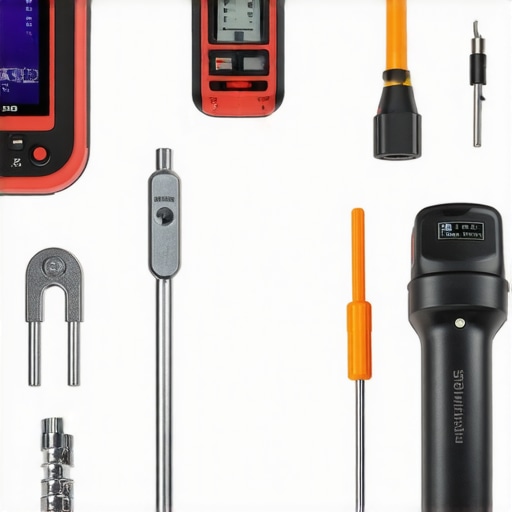
Lessons From the Trenches That Changed My Approach
- Realizing that not every coolant leak or rough idle equals a head gasket failure saved me thousands. Patience and a methodical approach are key to avoiding costly mistakes.
- Understanding vehicle-specific behaviors, such as how different models present symptoms, helped me tailor my diagnostic process rather than relying on generic checklists.
- Investing in quality diagnostic tools like the Autel MaxiSys Ultra and pairing them with targeted tests made a dramatic difference in accuracy and confidence during repairs.
- Consistent routine maintenance and early detection tactics, like chemical coolant tests, prevented minor issues from becoming major head gasket catastrophes.
- Dialogue with experienced mechanics and ongoing learning through resources have been invaluable—no DIY journey is complete without continuous education.
Tools and Resources That Elevate Your Diagnostic Game
- 3,000-mile intake cleaning: Essential for GDI engines prone to carbon buildup, helping prevent additional stresses on your head gasket.
- High-pressure cold start diagnostics: A game-changer for early detection of combustion seal breaches.
- Smart caliper adjustments: Keep brake systems in check, reducing auxiliary stresses that might mimic gasket failure signs.
- Transmission fluid reset guides: While not directly related, they contribute to overall vehicle health, aiding accurate diagnostics.
Your Next Step Toward Confident Car Care
Diagnosing a blown head gasket might seem daunting at first, but with the right knowledge, tools, and a systematic approach, you can often verify engine health yourself. Embrace the learning curve, trust your instincts, and don’t hesitate to dig deeper—your vehicle’s longevity depends on it. Every step you take today strengthens your ability to handle hidden engine challenges tomorrow. Ready to take control of your auto repairs? Share your experiences or questions below; I’d love to hear your stories and help you troubleshoot with confidence!