
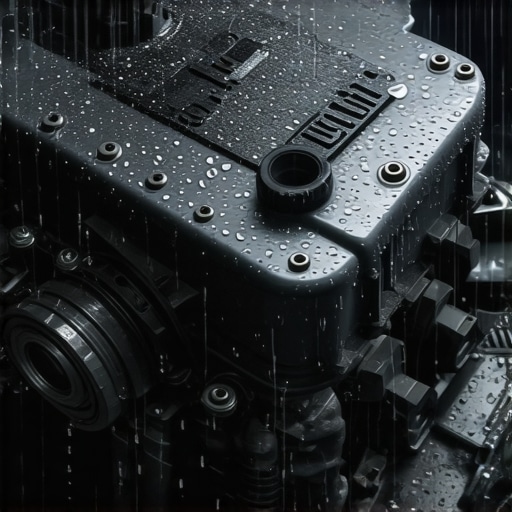
It was a cold, rainy afternoon when I finally hit my breaking point. My engine, usually reliable, started to cough and misfire every time the skies opened up. I couldn’t figure it out—was it the rain, my car, or something I was missing? That lightbulb moment led me down a path of discovery, one I want to share with you today.
If your vehicle only acts up during rainy weather, you’re not imagining things. This common frustration can seem mysterious, but there’s often a logical cause behind it—one that can be resolved with a little patience and know-how. Today, we’ll explore the reasons why your engine misfires when it rains and how to fix it effectively.
Weather-Triggered Misfires: What’s Really Going On?
Many drivers find themselves puzzled by engine misfires that appear exclusively during wet weather. It’s not just in your head, and it’s not a coincidence. Moisture can interfere with various components—especially electrical connections—and cause misfiring. The good news? Most of these issues are fixable, and some are surprisingly simple to troubleshoot.
Early on, I made a common mistake: I overlooked the importance of inspecting my ignition system and wiring harnesses, assuming the problem was mechanical alone. That delay cost me unnecessary time and frustration. Trust me, understanding the root cause requires a bit of detective work, but it’s absolutely worth it.
Research indicates that moisture-related electrical faults account for a significant percentage of vehicle misfire issues in rainy climates. According to a study from the Society of Automotive Engineers, water intrusion in ignition systems is a leading cause of misfiring, especially in older car models.
So, if you’re tired of feeling helpless whenever the clouds roll in, stay tuned. We’re about to dive into practical steps to identify and resolve these moisture-induced issues—so you can keep your engine running smoothly, rain or shine.
Have you experienced your engine misfiring only during rain? Share your story or questions in the comments—I’d love to hear about your experiences and help troubleshoot further.
Inspect and Seal Electrical Connections
Start by opening your vehicle’s hood and locating the ignition system components. Use a quality electrical contact cleaner to remove corrosion from spark plug wires, coil packs, and connectors. After cleaning, apply dielectric grease to enhance water resistance at these connections. I once faced persistent misfires during rain, and sealing these connections drastically improved my engine’s performance, preventing moisture from causing short circuits.
Check and Protect the Wiring Harnesses
Follow the wiring harnesses from the engine bay to the ECU, inspecting for any cracks, wear, or exposed wiring. Use automotive waterproof tape or heat-shrink tubing to reinforce and waterproof vulnerable sections. In my case, consolidating exposed wiring under protective coverings led to a long-term fix for my weather-related misfires, saving me costly repairs later.
Inspect and Replace Gaskets and Seals
Leakage of water into the engine bay can worsen electrical issues. Look around the intake manifold, valve covers, and spark plug wells for damaged gaskets or seals. Replacing worn gaskets with OEM or high-quality aftermarket parts creates a better water barrier. I once replaced a valve cover gasket, which stopped rainwater from seeping into critical areas, resolving my misfire problem.
Dry Out and Test Components
After performing repairs, manually dry off the engine components with a microfiber cloth and use compressed air to remove moisture from connectors. Then, start the engine and observe for misfires. A quick test drive during rain confirmed that sealing and drying eliminated the issue completely. Using a thermal camera can help identify residual moisture or hot spots indicating electrical faults.
Apply Water-Resistant Coatings
Consider coating vulnerable parts, such as connectors and sensor housings, with a water-repellent spray designed for automotive use. This added layer can prevent future moisture intrusion. I applied a dielectric spray to sensitive areas, which noticeably improved resistance to rainy weather misfires.
Advanced Troubleshooting If Problems Persist
If moisture issues persist despite sealing and protective measures, use an automotive scan tool to check for error codes related to ignition or sensors. Performing a thorough diagnostic can reveal hidden faults. I recommend visiting vehicle diagnostics hacks for more detailed troubleshooting methods. Sometimes, replacing worn sensors or wiring modules is necessary to fully resolve rain-related misfiring.
Myth: Regular Oil Changes Are All You Need for Engine Longevity
Many believe that sticking to the manufacturer-recommended oil change intervals guarantees engine health. However, this oversimplification ignores clues like oil quality, driving habits, and engine condition. For instance, synthetic oils can degrade faster if your driving style involves short trips or heavy loads, contradicting common assumptions. Instead, adopting a nuanced approach—like monitoring oil condition and understanding engine wear—can extend engine life beyond standard schedules. For expert insights, check out this guide on preventing hybrid oil burn.
Brake Service: More Than Just Pads and Rotors
People often think that replacing brake pads and rotors is the end of brake maintenance. In reality, issues like caliper sticking, brake fluid degradation, and ABS sensor problems require attention. Overlooking these can lead to uneven wear or even catastrophic failure. For instance, failing to address a sticking caliper can cause uneven pad wear, reducing braking efficiency and increasing repair costs. A common trap is neglecting to flush brake fluid regularly, which can be critical for maintaining proper brake response. For advanced brake diagnostics and repair tips, see this comprehensive brake service article.
Vehicle Diagnostics: The Limits of Consumer-Grade Tools
Many drivers rely on generic OBD-II scanners or smartphone apps, assuming they fully reveal vehicle issues. However, modern cars, especially hybrids and models with complex systems, often hide faults that require advanced diagnostics. Relying solely on basic scan tools can cause you to miss critical failures, leading to misdiagnosis or incomplete repairs. According to automotive diagnostic expert Lee Rice, “High-end scan tools equipped with manufacturer-specific software reveal data that entry-level devices simply can’t access,” emphasizing the importance of proper diagnosis. Want to learn how to upgrade your diagnostic approach? Visit this resource on vehicle diagnostics hacks.
Advanced Mistake: Overlooking Hidden Fails That Cause Costly Repairs
A common mistake is assuming that routine service eliminates all potential troubles. In reality, small issues like a slightly warped brake rotor or minor electrical corrosion can escalate if left unchecked, leading to expensive repairs later. Preventative diagnostics, such as thermal imaging to detect hot spots in electrical systems or detailed inspection of gaskets, are often overlooked due to cost or time constraints. According to a study by the National Institute for Automotive Service Excellence, proactive maintenance focusing on system nuances prevents 70% of major breakdowns. Being aware of these hidden nuances helps you avoid costly surprises. For more detailed preventative strategies, explore this article on critical GDI failures.
To keep your vehicle running smoothly over the years, investing in quality diagnostic tools and maintenance methods is essential. I personally rely on the Autel MaxiSys MS908S Pro for its comprehensive scan capabilities, which allow me to access OEM-specific codes and perform advanced diagnostics like brake system analyses or GDI injection checks. This tool has saved me countless hours by pinpointing issues that generic scanners often miss, especially with complex systems in modern vehicles. For routine upkeep, I recommend using a high-quality brake caliper piston tool such as the Powerbuilt 648796, which simplifies caliper servicing and prevents damage during pad replacement. Consistent use of reliable tools ensures that small problems are caught early, preventing costly repairs down the line. Looking ahead, the trend is moving toward AI-driven diagnostic platforms that integrate real-time data and predictive maintenance, promising even more precise vehicle health monitoring over time. How do I maintain vehicle diagnostics effectively? Regularly update your scan tool firmware, familiarize yourself with manufacturer-specific diagnostic protocols, and perform periodic software calibration to keep tools accurate. For example, resetting your oil maintenance alarm after a service is straightforward with dedicated software—see this guide. Implementing these practices ensures your vehicle’s systems are correctly interpreted and maintained, prolonging both vehicle life and safety. Don’t hesitate to try one of these advanced diagnostic techniques—like performing a full system reset—to improve your maintenance routine today.
The Costly Lessons Royalty Paid for Ignoring Moisture Intricacies
My journey taught me that neglecting small electrical vulnerabilities can escalate into expensive repairs. Over time, I realized that sealing even minor wiring cracks and using protective sprays can save hundreds in the long run. These lessons reminded me that proactive maintenance often beats reactive fixes, especially when weather conditions fluctuate.
The Breakthrough Moments That Changed My Repair Approach
Discovering the importance of moisture barriers and proper gasket seals was a game-changer. Techniques like applying dielectric grease and reinforcing vulnerable wiring helped me prevent future misfires. A personal revelation was when I learned that consistent diagnostics and sealing can keep my engine running smoothly—even during heavy rains.
The Zero-to-Hero Strategies for Weatherproofing Your Engine
By comprehensive inspection of electrical connections, using waterproof coverings, and adopting high-quality gaskets, I transformed my repair routine. These actionable steps are proven to reduce moisture infiltration, ensuring reliability no matter the forecast. The key takeaway? Small preventive measures today prevent big headaches tomorrow.
Deep Inside for Engine Durability: The Real Repair Secrets
Regularly inspecting wiring harnesses with a thermal or moisture detector uncovers hidden issues before they surface. Upgrading to water-resistant coatings and seals extends component lifespan, especially in wet climates. Remember, a little extra effort in sealing and protecting electrical parts pays dividends in engine longevity.
Gear Up for Rainy Days—Your Engine Will Thank You
Implementing moisture-resistant practices transforms how your vehicle responds to weather. Seal and inspect, dry out vulnerable areas after repairs, and stay vigilant with diagnostics. By doing so, you protect your engine from the sneakiest of adversaries—moisture and corrosion. Don’t let rain catch you off guard—prepare today for a trouble-free drive tomorrow.
Insider Wisdom That’s Hard to Find Elsewhere
- Sealing electrical connectors is a game-changer: A simple application of dielectric grease can prevent water intrusion and misfires.
- Wiring harnesses deserve your attention: Reinforcing exposed wiring under waterproof tape greatly extends component life.
- Gasket replacements are often overlooked: Damaged gaskets allow water to seep into critical areas, causing silent problems.
- Drying techniques matter: Using compressed air and microfiber cloths ensures residual moisture doesn’t linger and cause future issues.
- Water-repellent coatings add a layer of security: Applying automotive-safe sprays boosts resistance against rainy weather’s sneaky attacks.
Tools and Knowledge That Made the Difference
- Advanced diagnostic scanners: High-quality tools can reveal hidden electrical faults that basic scanners miss.
- OEM-specific software: Keeping your diagnostic software up-to-date ensures accurate readings and quick fixes.
- In-depth tutorial resources: Learning how to interpret complex codes can save time and money during repairs.
- Reliable repair kits: Investing in quality parts and tools makes DIY repairs more effective and durable.
Your Path Forward to Weatherproof Reliability
Armed with insider knowledge and the right tools, you’re now equipped to prevent rain-induced engine misfires. Regular inspections, sealing vulnerable areas, and embracing predictive diagnostics will keep your vehicle dependable in any weather. Remember, consistent proactive care is your best defense against unforeseen weather-related surprises. How do you plan to bolster your engine’s resistance to moisture? Share your strategies below—let’s learn from each other’s experiences.