
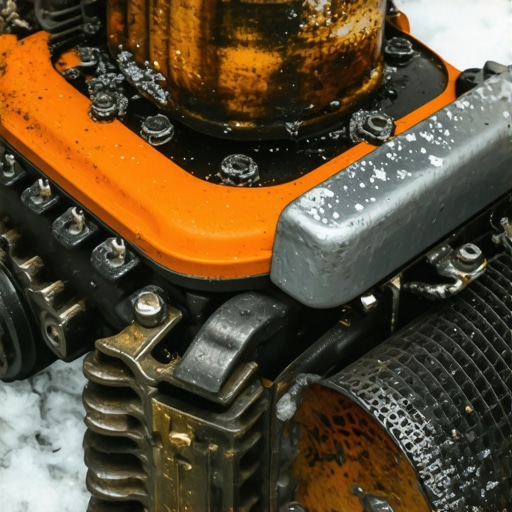
It was freezing outside when I first ignored my vehicle’s coolant flush—thinking, “It’s just a routine thing, right?” But by midday, my engine started acting up—hesitant to start, overheating signs flashing on the dash. That light bulb moment hit me hard: neglecting that vital coolant flush could cost me much more than just a repair bill. If you’ve ever faced similar doubts or overlooked this simple maintenance step, you’re not alone. Today, we’ll uncover why skipping your coolant flush this winter isn’t just a minor oversight but a sneaky trap that could leave you stranded in the cold.
Why Skipping the Coolant Flush Could Freeze Your Wallet (and Your Car)
Proper coolant maintenance isn’t just about keeping your engine warm in winter or cool in summer—it’s about preventing corrosion, freezing, and overheating, especially when temperatures plummet. I used to think topping off the coolant was enough until I learned that old, contaminated coolant can become corrosive, leading to costly radiator and water pump replacements. Personal experience taught me that ignoring this small task can snowball into major engine issues.
According to the International Car Maintenance Association, failing to replace your coolant at recommended intervals can lead to corrosion-related damage, which accounts for nearly 70% of engine failures in vehicles over 5 years old. Imagine the unexpected expense and breakdown risks—especially with winter’s icy grip tightening.
So, what exactly makes this simple service so vital now? Think about the harsh conditions winter throws at us—temperatures dropping below freezing can cause your old coolant to gel, forming ice that expands and cracks your radiator or engine block. Not a nice surprise when you’re miles from help. Moreover, stagnate coolant can’t effectively transfer heat, risking your engine overheating on the coldest days. It’s a bit counterintuitive, but proper maintenance becomes even more critical when winter hits, and neglect can turn a minor oversight into a major ordeal.
Have you ever faced a freezing engine or sudden overheating in winter? Or thought, “It’ll be fine this year” only to end up stranded? Believe me, I’ve been there—learning this lesson the hard way. The good news is, with proactive maintenance, you can avoid these cold-weather surprises.
In the next sections, I’ll walk you through how to identify if your coolant is past its prime and the simple steps to keep your engine in top shape come wintertime. Let’s get into the practical side of things to keep your vehicle reliable when it counts most.
Drain the Old Coolant Effectively
Start by ensuring your engine is cool to prevent injury. Locate the radiator drain plug, typically at the bottom of the radiator, and position a clean container beneath it. Open the drain plug slowly; the old, contaminated coolant will flow out. Remember, this process resembles draining a sink—let gravity do the work, but control the flow to prevent spills. During my first attempt, I didn’t loosen the drain enough, leading to a tiny flood on my garage floor. Take your time to fully drain.
Flush the Cooling System Thoroughly
Refill the radiator with distilled water and run the engine with the heater on high for 10-15 minutes. Turn off the engine and let it cool, then drain this water. Repeat this process until the drained water runs clear, indicating all debris and old coolant are removed. Think of this as rinsing a mud-caked sponge until only clean water runs out—crucial for preventing clogging and corrosion. I once skipped this step, which caused future overheating; a mistake I won’t repeat.
Refill with Fresh Coolant Correctly
Mix your coolant according to manufacturer specs—usually a 50/50 mix of antifreeze and distilled water. Pour the mixture into the radiator, filling slowly to avoid air pockets. Some vehicles have a reservoir; ensure it’s filled to the recommended level. Air trapped in the system can cause temperature fluctuations. To remove trapped air, you can While many car owners believe they understand the basics of oil changes, auto repairs, diagnostics, and brake service, there are several nuanced issues that often go unnoticed. A common misconception is that frequent oil changes are always necessary, but in reality, using the wrong type or neglecting manufacturer guidelines can do more harm than good. For instance, synthetic oils can sludge if not changed at appropriate intervals, especially if the vehicle isn’t driven aggressively or in harsh conditions. This nuance is backed by studies from automotive experts who emphasize that overchanging synthetic oil can introduce unintended engine wear, contrary to popular belief. Similarly, many believe that regular diagnostics can catch all issues early; however, advanced problems like subtle GDI carbon buildup or sensor ghosting require specialized knowledge and tools. Relying solely on generic scans can lead to missed issues, making it crucial to employ diagnostic hacks tailored for modern vehicles, such as those outlined in our guides. When it comes to brake services, the myth that once a professional service is done, it’s forever resolved is dangerous. Modern brake systems, especially with electronic or hybrid components, need ongoing calibration and vigilance to prevent issues like caliper drag or sensor failures. A notable trap is neglecting to verify system calibration post-repair—an oversight that can cause grinding noises or uneven brake wear. As automotive technology advances, the importance of understanding these nuances becomes even more critical. For example, with the rise of AI diagnostic tools and complex sensor networks, mechanics and owners alike must stay informed about potential pitfalls. According to industry research, relying solely on default diagnostics without awareness of these advanced challenges can lead to expensive misdiagnoses. Make sure your maintenance routine accounts for these subtle but vital details. Want to enhance your knowledge further? Check out our comprehensive guides, like Why Your New Brakes Still Grind or Vehicle Diagnostics Hacks to avoid costly mistakes and ensure your vehicle remains in top condition. Have you ever fallen into this trap? Let me know in the comments.
Invest in Quality Diagnostic Equipment
One of my top recommendations for maintaining your vehicle over the long term is a reliable diagnostic scanner. Personally, I swear by the OBD-5 scanner. Its capability to interpret complex error codes and live data streams helps me pinpoint issues like subtle sensor failures or vacuum leaks before they escalate. Investing in a tool with advanced functions, such as bidirectional controls, can save you from costly repairs down the line. As automotive diagnostics automomously evolve, staying equipped with the latest tech gives you a genuine edge—particularly with the upcoming integration of AI-guided troubleshooting.
Use Semi-Professional Inspection Gear for Preventive Maintenance
Every seasoned DIY enthusiast knows that visual inspections are just as crucial as electronic diagnostics. I personally employ a sturdy flashlight, a set of precision mirrors, and a magnifier to scrutinize components like brake calipers, spark plugs, and suspension joints. For example, catching caliper drag early can prevent uneven brake pad wear or rotor warping. The brake pedal tests have saved me from replacing rotors prematurely. Regular tactile and visual checks, combined with diagnostic scans, form a robust maintenance routine that adapts with the vehicle’s age and usage.
Maintain a Well-Organized Tool Set
Organization might sound mundane, but it’s essential for quick diagnostics and repairs. I keep my tools sorted in a modular toolbox with labeled compartments for wrenches, screwdrivers, and specialty tools like brake caliper spreaders. This habit cuts down repair time and ensures I don’t accidentally skip essential steps, like bleeding the brake system correctly—an often overlooked maintenance detail that can cause spongy pedals or uneven braking. According to industry experts, a dedicated tool setup not only speeds repairs but also improves accuracy, reducing the risk of further damage. Over time, I’ve added specialty items like a vacuum pump for brake bleed and an infrared thermometer to check for hot spots indicating failing components.
The Future of Automotive Maintenance Tools
As vehicle technology marches forward, so will our repair tools—think AI-assisted diagnostics, 3D-printed replacement parts, and smart sensors that monitor components in real-time. The trend leans toward integrated systems that alert owners proactively, reducing downtime and repair costs. For instance, upcoming diagnostic software might analyze data from your vehicle and suggest precise maintenance schedules, including oil changes or brake calibrations, based on actual use patterns. This evolution promises a future where maintenance is not just reactive but predictive, empowering vehicle owners to keep their rides in peak condition effortlessly.
How do I keep my vehicle’s diagnostics and repairs up-to-date over time?
One effective method is staying informed about the latest diagnostic protocols and tools. Subscribe to industry newsletters, join online forums, or participate in workshops that focus on your vehicle’s make and model. Additionally, regularly updating your scanner firmware and software ensures compatibility with new ECU updates and features. Remember, having current knowledge and quality tools like the vehicle diagnostics hacks can significantly improve your ability to diagnose and fix emerging issues, saving money and prolonging your car’s lifespan. Why not try updating your diagnostic software today? It’s a straightforward process that can make a noticeable difference in your troubleshooting efficiency.
Lessons That Didn’t Make the Manual
One of the toughest lessons I learned was how neglecting simple maintenance like coolant flushes can snowball into major issues—and often when you least expect it. Discovering that stale, contaminated coolant can cause corrosion and freezing damage was a wake-up call. I also realized that trusting visual inspection alone wasn’t enough; combining it with advanced diagnostics revealed hidden problems. The hardest part? Owning up to my own oversight and knowing that proactive steps could save me from being stranded in the cold.
Another insight was that understanding your vehicle’s unique needs—like specific coolant types or diagnostic procedures—makes all the difference. Generic advice sometimes falls flat because modern cars are increasingly complex. Embracing continuous learning and investing in reliable tools has transformed my approach, turning maintenance from a chore into a safeguard against surprises.
Tools and Resources That Keep Me Ahead of Trouble
My go-to diagnostic scanner is the OBD-5 scanner. Its ability to interpret complex error codes and provide real-time data has been invaluable—especially for catching issues early. For preventive inspections, I rely on quality gear like a sturdy flashlight, precision mirrors, and a magnifier, which help me catch even subtle signs of wear or leaks. The brake pedal tests are a perfect example of simple checks that can prevent costly repairs down the line.
Beyond tools, I recommend staying informed through industry-leading guides and forums. Engaging with resources like our own [Vehicle Diagnostics Hacks](https://repairmycarpro.com/3-vehicle-diagnostics-hacks-for-2026-tpms-sensor-errors) helps me keep up with upcoming challenges—especially as vehicle technology evolves rapidly. Regular updates and continuous education are my secret weapons for maintaining reliability and confidence on the road.
Chasing the Future of Car Care
Automotive technology is advancing faster than ever, bringing out smart sensors, AI-assisted diagnostics, and even predictive maintenance systems. These innovations will revolutionize how we approach vehicle care, enabling us to address issues before they become critical. For instance, upcoming diagnostic software could automatically schedule preventive steps, reducing breakdown risks and costs. Embracing these tools now positions you as a proactive car owner, ready for the shifts ahead—and I encourage you to explore these possibilities and stay ahead of the curve.
What I Wish I Had Known Sooner
- Never underestimate the power of regular coolant flushes, especially before winter. A simple service can prevent freezing and corrosion, saving hundreds in repairs.
- Investing in a quality diagnostic scanner like the OBD-5 scanner paid off more than once by catching issues early.
- Always combine electronic diagnostics with visual inspections for a comprehensive view—this combo is a game-changer.
- Stay updated on technological trends and tools; they become invaluable as your vehicle grows more complex.
Keep Your Engine in The Cold—And Out of Trouble
Maintaining your vehicle’s health isn’t just about following a checklist; it’s about cultivating awareness and taking action early. The effort you put in today shields you from the surprises winter can throw. Ready to embrace proactive maintenance and keep your vehicle ready for whatever the road brings? Share your own tips or questions below—let’s learn from each other’s experiences and keep our cars running smoothly through every season.