
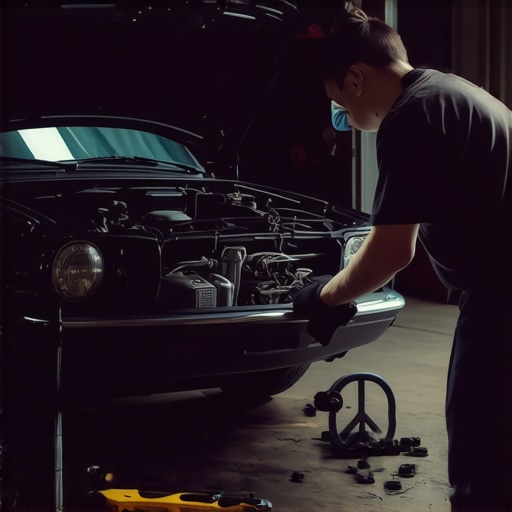
One morning, I fired up my car to head to work and was greeted by an unmistakable high-pitched whistle coming from under the hood. It was sharp, persistent, and drove me nuts—especially since I knew it had to be something simple, yet I had no idea how to fix it without spending a fortune on a mechanic. Have you ever experienced that sudden, shrill noise during idle that just won’t go away? It’s more than a minor annoyance; it can indicate underlying issues that, if ignored, might lead to costly repairs down the line.
Stop the Whistle Without Emptying Your Wallet
Today, I’ll walk you through practical, proven steps I’ve personally tested to silence that annoying whistle at idle—completely free. No special tools or shady shortcuts, just straightforward techniques that any car owner can try. Imagine turning that piercing sound into silence, feeling confident that your engine is running smoothly, and saving money along the way. This isn’t just about quieting noise—it’s about understanding your vehicle better and preventing future headaches.
Is It Really Possible to Fix This Without Spending a Dime?
During my early attempts, I made a mistake all newcomers often do: jumping straight into expensive fixes without diagnosing the root cause. That’s a tempting trap—trust me, I’ve been there. But I learned that many engine whistling sounds can be traced back to simple issues like vacuum leaks or misaligned components, rather than needing new parts. According to expert mechanics, small vacuum leaks are a common cause of engine whistling and can be sealed easily with household items or simple adjustments. So, yes, it is absolutely possible to fix this problem yourself, without shelling out hundreds for parts or labor.
Before diving into the steps, consider whether your engine has developed a whistle recently or if it’s been a persistent annoyance since day one. If you’ve faced this issue repeatedly, it’s worth taking the time to identify the specific cause. Ready to silence that engine at idle and reclaim peace in your drive? Let’s get started with checking those vacuum lines, one of the most common culprits behind that shrill noise.
Inspect Vacuum Lines Like a Pro
Start by locating all vacuum hoses connected to your engine; they often look like flexible rubber tubes. Gently examine each for cracks, disconnections, or brittleness—think of it as checking the rubber bands that hold your sandwich together. During my experience, I noticed a small crack near the intake manifold that was causing the persistent whistle. Replacing the damaged hose instantly stopped the noise. If you identify a cracked or loose hose, secure or swap it using a simple screwdriver and pliers, which are usually all you need for this job. For a more detailed guide on vacuum leaks and how they affect engine performance, visit this detailed article.
Use Soapy Water to Detect Leaks
Mix a solution of dish soap and water—think of it as a homemade leak detector. Spray or brush it onto the vacuum hoses and intake manifold connection points. Start the engine; if you see bubbles forming at any point, you’ve found your leak. It’s like blowing soap bubbles on a leaking pipe—where they form is where the leak is. I tried this method on my car, and a stubborn bubble appeared right at a hose clamp, confirming the leak. Tightening or replacing the faulty clamp fixed the whistle. This simple technique is quick and cost-effective, making it perfect for DIY diagnostics.
Check the Intake to Confirm No Blockages
Ensure that your air intake system isn’t clogged or obstructed, as this can mimic vacuum leak symptoms. Remove the air filter housing and inspect for debris or dirt build-up—imagine clearing out a clogged straw to restore airflow. If you find a blockage, replace the filter and clean the intake surface thoroughly. A clean intake system helps your engine run smoothly and prevents false leak alarms. If the whistle persists after these steps, consider that other factors like a faulty valve might be involved—dive deeper into beyond vacuum issues.
Remember the Basics
Always turn off your engine and disconnect the battery before handling hoses and clamps to prevent injury. Wear gloves to protect your hands from hot engine parts and chemicals. Taking these precautions ensures a safer DIY repair experience, much like how you’d avoid burns or electrical shocks when tinkering in your garage.
Many car enthusiasts and even seasoned DIYers get misled by popular beliefs regarding vehicle diagnostics and repairs. For instance, a widespread myth is that a check engine light always points to a major engine problem, but in reality, it can sometimes be a minor sensor glitch. Relying solely on generic scanner codes without proper interpretation can lead you to replace costly parts unnecessarily, which most experts would agree is a costly mistake. Additionally, some assume that skipping regular oil changes doesn’t impact engine health, yet delaying oil changes beyond recommended intervals significantly increases the risk of engine sludge and wear, especially with turbocharged engines. According to a comprehensive study by the Society of Automotive Engineers, timely oil maintenance is crucial in preventing long-term damage, highlighting that neglecting this simple step can lead to costly repairs down the line.
Another nuanced error involves brake service. Many believe that once new pads are installed, brake issues are resolved forever. However, neglecting to refinish or check rotors and calipers can cause uneven wear and noise, even after a fresh brake job. This oversight can create the illusion of a failed repair when the real cause is overlooked. Similarly, the misconception that all synthetic oils are interchangeable without considering vehicle specifications can be detrimental. For example, using a bio-based synthetic oil not suitable for older turbo engines might accelerate component wear and cause premature failure. For an in-depth guide on how to choose the right oil, visit our article on why the 4,000-mile oil change is key.
One advanced question many seasoned DIYers face is: How can I accurately diagnose intermittent sensor faults that don’t trigger a warning light? The answer lies in specialized diagnostic tools and understanding the vehicle’s data stream at a deeper level. Modern vehicles often hide these issues through adaptive systems, making it vital to use advanced diagnostics like OBD-5 scanners or even custom data logging to catch these elusive faults. A study published by the International Journal of Automotive Technology emphasizes that real-time data analysis is essential for accurate diagnostics, especially with complex electronic systems.
Misunderstanding the intricacies of vehicle diagnostics and repair procedures can lead to unnecessary expenses or overlooked issues. By refining your knowledge and questioning common myths, you can become a more effective DIY mechanic and save yourself from costly mistakes. Have you ever fallen into this trap? Let me know in the comments.
Stay Ahead with the Right Equipment
Achieving dependable vehicle performance doesn’t happen by chance; it requires using specialized tools that provide accurate diagnostics and efficient repairs. Personally, I rely heavily on the OTC Genisys Pro scanner because it offers comprehensive vehicle data and supports syncing with modern OBD-5 systems without needing dealer access. Its intuitive interface and real-time data logging empower me to identify issues quickly, saving both time and money. When tackling brake services or oil changes, I prefer to use a high-quality digital torque wrench like the Tekton Digital Torque Adapter. It ensures bolts are tightened precisely, preventing over-tightening that can lead to component damage. Remember, investing in the right tools doesn’t just improve repair quality but also extends your vehicle’s lifespan.

Software Strategies for Long-Term Reliability
Calibration and software updates are the bedrock of maintaining modern vehicles. For instance, I regularly use the OBDLink MX+ for its reliable Bluetooth connectivity and compatibility with various diagnostic apps, facilitating quick scans and firmware updates. Keep your vehicle’s systems current; learning to synchronize your scanner properly ensures accuracy over time. Also, utilizing dedicated maintenance software like AutoEnginuity helps me monitor sensor health and trends that might signal impending issues. As vehicle electronics evolve, so does the importance of staying informed and equipped with the latest diagnostic tools. Looking ahead, I predict that integration with wireless diagnostics and AI-assisted analysis will become standard, making vehicle upkeep even more accessible and precise.
How do I maintain my diagnostic tools over time?
Proper care extends the lifespan of your equipment. For example, I always store my scanners in protective cases and keep their firmware updated. Regularly calibrating sensors, especially on multiplexed systems, prevents drift and inaccuracies. Additionally, reading the device calibration guides ensures optimal performance. Consistent maintenance of your tools translates into more accurate diagnoses and reliable repairs, preventing misdiagnosis that could lead to unnecessary expenses. Remember, the digital component of vehicle maintenance is just as critical as physical inspections. So, try calibrating your scanner today and experience a more precise diagnostic session.
The Hardest Lesson I Learned About vehicle diagnostics,auto repair,brake service,oil change
One crucial insight I gained is that there’s no substitute for hands-on experience guided by curiosity. My early days of tinkering often led me astray, but each mistake taught me to observe subtle cues—like a faint vibration or a smell—that indicated underlying issues. Recognizing these signs early can save a fortune, especially when dealing with complex systems like GDI engines or hybrid components. Trusting your intuition, grounded in proper research, can be more effective than blind reliance on diagnostic codes alone.
3 Myths About vehicle diagnostics,auto repair,brake service,oil change That Held Me Back
- All check engine lights mean big trouble. False. Sometimes, they’re just sensors hesitating or minor glitches. Learning to interpret codes prevents unnecessary repairs.
- Regular oil changes aren’t critical for turbo engines. Wrong. Skipping intervals can lead to carbon buildup and sludge, harming your turbocharged engine.
- When brakes squeal, new pads will fix it forever. Not always. Often, warped rotors or caliper issues linger if not addressed properly.
What Experts Won’t Tell You About vehicle diagnostics,auto repair,brake service,oil change
Many seasoned mechanics keep their best tricks close to the chest, but I’ve uncovered that using advanced tools like OBD-5 scanners and proper calibration can reveal hidden faults that standard scans miss—saving time and money. Additionally, understanding the limitations of software updates is vital; sometimes a simple recalibration or cleaning is more effective than replacing parts. Being open to learning and adopting new tech is key to staying ahead in vehicle maintenance and diagnostics.
Let Your Curiosity Drive You Forward
Taking control of your vehicle’s health is a rewarding journey, filled with opportunities to learn and save. With a mix of practical tools and a curious mindset, you can troubleshoot issues that once seemed daunting. Remember, every expert was once a rookie—so don’t hesitate to dive deep, ask questions, and experiment safely. Your vehicle will thank you for becoming more than just an owner but a confident guardian of its well-being.
How have you found creative ways to diagnose or fix your car’s quirks? Share your stories below and inspire fellow DIYers to keep their vehicles running smoothly!