

It was a slow Sunday morning when I reached for my gear shifter, expecting the smooth, satisfying shift I usually enjoy. Instead, I was met with a frustrating wiggle — like my gear was about to pop out or, worse, fall into neutral at any moment. That lightbulb moment hit me hard: a tiny, cheap plastic clip was quietly ruining my drive. Have you ever experienced that annoying looseness, wondering if your shifter might suddenly give out? You’re not alone, and today, I’m going to show you how to fix that sneaky problem once and for all.
Why a Tiny Plastic Clip Can Make or Break Your Driving Experience
That loose feeling in my gear shifter was a small sign of a bigger, more costly issue. Many car owners overlook these tiny plastic clips, assuming they’re just cheap parts that don’t affect safety — but they can be a real headache when they break or wear out. This problem often sneaks in gradually, and before you know it, your shifter feels like a floppy noodle, which can compromise your control and confidence on the road.
What’s surprising is just how inexpensive these clips are to replace. Yet, ignoring them can lead to more serious transmission or linkage problems down the line. I’ve been in that trap myself, trying to tighten or ignore the looseness, only to end up with more costly repairs later. According to automotive experts, these plastic clips are crucial for maintaining the stability of your shifter linkage, and their failure is often an underestimated root of shifting issues. You can check out some warning signs at [7 Warning Signs Your 2026 Brake-by-Wire System is Failing](https://repairmycarpro.com/7-warning-signs-your-2026-brake-by-wire-system-is-failing-2), which also discusses the importance of small components in vehicle safety.
In the next section, I’ll walk you through how to identify if that plastic clip is the culprit, and share a step-by-step fix you can do yourself. No need for fancy tools or a costly mechanic visit. Ready to regain that firm, confident shift? Let’s dive in and tackle this annoying problem head-on.
Identify the Problem Area
First, park your car on a level surface, turn off the engine, and secure the parking brake. Put the gear shifter through all positions to observe if it feels loose or wobbly, focusing on the shift linkage underneath the vehicle. Use a flashlight to inspect the linkage for any visibly damaged or missing plastic clips, especially near the shifter base. My last fix involved crawling underneath my car during a weekend, where I noticed a small plastic clip hanging loosely, which was a clear sign of the culprit.
Gather Necessary Tools and Parts
To replace the plastic clip, you’ll need a flat-head screwdriver, pliers, and a replacement clip specific to your vehicle model. Consult your car’s service manual or online parts catalogs; the clips are inexpensive and easy to source. I ordered the correct clip online and kept it in my glove box for future reference, ensuring I was ready for quick repairs rather than costly dealer visits.
Safely Access the Linkage
Lift the vehicle using a jack and secure it with jack stands, or use ramps if available. Wear safety glasses and gloves to protect against dirt and sharp edges. Locate the shift linkage underneath the vehicle, often near the transmission. My experience showed that removing the undercarriage covers or shields might be necessary—use a ratchet and socket set for this. Ensure the area is well-lit and stable before proceeding.
Remove the Damaged or Missing Clip
Carefully release the clip using the flat-head screwdriver or pliers. Be gentle to avoid damaging adjacent parts. If the clip is broken or missing, clear out any remnants, and prepare the mounting point for the new clip. During my last repair, I found the old clip completely snapped in two, with one end still in the slot—removing it required patience to avoid damaging the connector.
Install the New Plastic Clip
Align the new clip with the designated groove or slot on the linkage. Press firmly until you hear or feel it snap into place, ensuring it’s secure. Check the orientation; improper installation can cause the same loose feeling again. I always double-check after installation by gently moving the shift linkage to confirm the clip holds tight. This simple step often restores the firmness of your shifter and improves driving confidence.
Reassemble and Test
Reattach any shields or covers removed earlier. Lower the vehicle safely and start the engine. Shift through all gears, paying attention to the feel of the shifter. It should now be firm and not wobbly. In my case, this quick fix saved me hundreds in repair costs and took less than an hour. If the shifter remains loose, double-check the clip’s installation or consider inspecting other linkage components for wear or damage.
Prevent Future Issues
Regularly inspect your shift linkage, especially if you notice increased looseness or difficulty shifting. Typically, these clips are durable but may need replacement after several years or exposure to extreme conditions. Keeping an eye on these small parts can save you from unexpected breakdowns. For more insights on related vehicle issues, explore [How to Spot a Failing Wheel Bearing](https://repairmycarpro.com/how-to-spot-a-failing-wheel-bearing-before-it-destroys-your-hub), which emphasizes checking small components before major failures.
Many car owners believe that basic auto maintenance tasks are straightforward, but beneath the surface lie nuanced pitfalls that can jeopardize your vehicle’s health. One common myth is that “oil needs changing only every 10,000 miles,” but in reality, manufacturers often specify shorter intervals for turbocharged or modern engines, especially when using synthetic oils. Overlooking this detail can lead to sludge buildup, reducing engine performance and longevity.
Why do some diagnostic readings mislead even experienced technicians?
Diagnostic tools are invaluable, yet they aren’t foolproof. Automated scan tools can misinterpret sensor data, especially after environmental stressors like pressure washing your vehicle, which can cause false sensor failures, such as in brake sensors. Relying solely on scans without understanding the underlying sensor behaviors can lead to unnecessary repairs or missed issues. For example, [2026 brake sensors often fail after pressure washing](https://repairmycarpro.com/why-2026-brake-sensors-fail-after-pressure-washing-your-car) due to moisture infiltration, emphasizing the importance of thorough inspection beyond diagnostic codes.
A frequent mistake in brake service is neglecting to verify caliper function after replacement or adjustment. Many assume that once parts look correct, the job is done, but microscopic issues like residual drag can cause premature wear, grinding noises, or uneven pad wear, as discussed in [why your brakes still grind after professional service](https://repairmycarpro.com/why-your-brakes-still-grind-after-a-professional-service). Regularly testing brake pedal feel and pedal travel can prevent costly rework.
Regarding oil changes, a prevalent misconception is that the ‘10,000-mile rule’ applies universally. Modern turbo engines, especially in 2026 models, benefit from shorter intervals—around 3,000 to 4,000 miles—particularly when using bio-based synthetic oils, which can cause sludge formation quicker than traditional oils. This is detailed in [the 10,000-mile oil change myth](https://repairmycarpro.com/the-10000-mile-oil-change-myth-thats-killing-modern-turbo-engines). Ignoring this can result in reduced airflow, overheating, or even engine failure.
Beyond these specifics, advanced diagnostics involve understanding sensor variances and environmental effects. For instance, moisture exposure can cause false triggers or sensor ghosting, which is common in GDI (Gasoline Direct Injection) systems. DIYers should familiarize themselves with strategies like [sensor ghosting fixes](https://repairmycarpro.com/fix-2026-sensor-ghosting-5-diy-vehicle-diagnostics-tactics), to avoid misdiagnosis.
Ultimately, a deeper understanding of these nuances and pitfalls empowers you to prevent costly mistakes. Remember, quick fixes often ignore underlying issues—trusting your intuition and knowledge can save you money and extend your vehicle’s lifespan. Have you ever fallen into this trap? Let me know in the comments. Your experience might help others dodge these common pitfalls.
Nurturing Your Vehicle with the Right Tools
Keeping your car running its best over the years demands more than just basic skills; it requires investing in precise, durable tools tailored for automotive diagnostics and repairs. I personally rely on a high-quality 3/8-inch drive torque wrench, like the TEKTON 24835, because accurate torque application prevents overtightening or under-tightening fasteners, which can lead to long-term issues such as leaks or component failures. Moreover, a digital scan tool like the BlueDriver Bluetooth Pro OBD2 Scanner has revolutionized my maintenance routine. Its ability to read and clear diagnostic trouble codes swiftly, combined with live data streaming, has helped me pinpoint problems early, often before they become expensive repairs.
Software and Methods for Staying Ahead
Beyond physical tools, having reliable diagnostic software is crucial. I recommend professional-grade diagnostic programs that support the latest vehicle protocols, especially for 2026 models. These tools often include firmware updates, which ensure compatibility with new systems like brake-by-wire or electronic throttle controls. For example, leveraging software that supports OEM-specific modules allows you to perform resets, calibration, or programming tasks without needing dealership intervention.
Optimizing Maintenance for Longevity
Establishing a regular maintenance schedule using these tools extends your vehicle’s lifespan and preserves its resale value. I personally schedule oil changes before the 10,000-mile mark when using synthetic bio-oils, due to increased sludge risk, as discussed in this article. Maintaining coolant levels, inspecting brakes, and monitoring sensor signals remotely keep surprises at bay. For brake systems, a simple visual check combined with quick adjustments can prevent caliper drag and uneven wear that often go unnoticed until costly replacements are needed.
How do I maintain vehicle diagnostics over time?
Regularly updating your scan tool’s firmware and clear understanding of sensor behaviors ensures more accurate readings. I recommend testing your sensor systems—like TPMS or ABS sensors—every 6 months by performing a reset and verifying sensor accuracy. This proactive approach catches issues like ghosting or false triggers early, avoiding emergency repairs down the line. Remember, tools like the OBDLink MX+ interface combined with compatible software can facilitate these ongoing checks from home.
Looking to get even more precise? Try calibrating your brake sensors using the advanced tips outlined in this guide. It’s a straightforward process that can prevent premature brake wear and maintain stopping power. Embracing these tools and methods today guarantees your car stays in top shape, saving you time and money down the road.
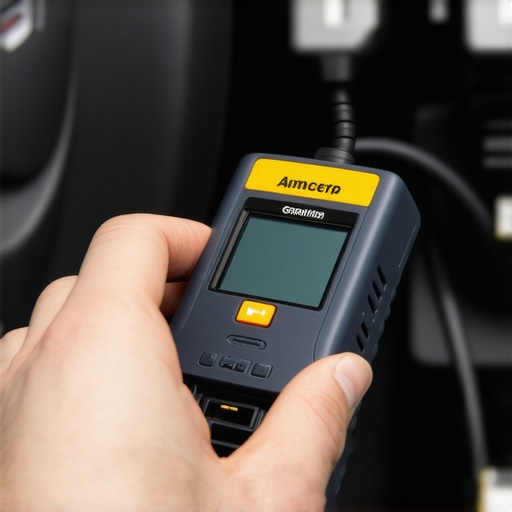
Through my journey fixing and maintaining my vehicle, I’ve uncovered that the smallest components often hold the big-picture power in auto repair. These miniature parts, like plastic clips or sensor connectors, can silently determine whether your drive is smooth or riddled with frustrations. Recognizing their importance transformed my approach from reactive to preventive, saving significant time and money while elevating my confidence behind the wheel.
One of the most valuable lessons I’ve learned is that paying close attention to these tiny details means fewer surprises on busy mornings or long road trips. Taking the time to understand their role and how to fix or replace them empowers even DIY newcomers to keep their cars running reliably. It’s astonishing how a simple plastic clip replacement can restore that firm shift or smooth brake pedal feel, proving that sometimes, small fixes bring the biggest peace of mind.
So, my advice? Don’t overlook the little things—they often carry the most weight in your vehicle’s health and your driving experience. Dive into these small but mighty repair strategies, and watch your car reward you with continued performance and safety.
My Secrets for Keeping Small Parts in Check
- Regularly inspect shift linkages and brake components during routine maintenance to catch worn clips or connectors before they become problematic.
- Keep a small inventory of common replacement clips and sensors tailored for your vehicle model — it’s a small investment that pays off during urgent repairs.
- Use detailed online guides and videos from trusted sources to familiarize yourself with the subtle yet crucial parts lurking beneath your vehicle.
- Always prioritize safety: lift your car properly, wear protective gear, and work patiently. Precision in small repairs equals big results.
- Treat your tools and replacement parts like investments — quality matters when dealing with the tiny components that ensure your vehicle’s reliability.
Fuel Your Vehicle Knowledge with Trusted Resources
- 7 Warning Signs of Brake-By-Wire Failure: Understanding system vulnerabilities can highlight small but critical issues before they escalate.
- Quick Fixes for Smart Caliper Drag: A practical guide to address caliper problems caused by minor components.
- Why Your Brake Pedal Gets Stiff in the Cold: Insights into sensor and connector issues that surface with extreme conditions.
- Bio-Oils and Turbo Engines: Learn how small fluid choices impact tiny engine components and long-term health.
Take Action for a Safer, Smarter Drive
Remember, your vehicle is a collection of intricate, tiny parts working in harmony. Embrace curiosity, stay vigilant, and equip yourself with the right tools and knowledge. Each small repair you undertake not only saves money but also extends the lifespan of your ride and enhances safety. Don’t wait for a breakdown—be proactive, be confident, and keep your car performing at its best. You’ve got the power to master these minor yet mighty details—make today the day you start that journey.
Have you ever caught a tiny part causing a major issue? Share your experience below, and let’s learn together how small fixes lead to big gains!