
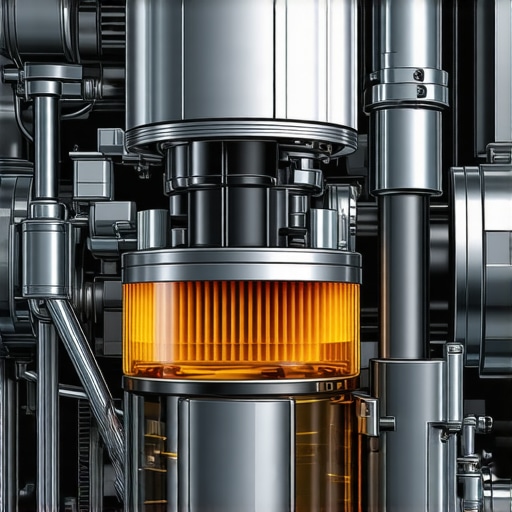
It was a blisteringly cold morning when I pulled into my driveway, engine sputtering and oil pressure warning blinking on my dash. I had just completed what I thought was a routine oil change, but my car was acting strange—struggling to accelerate, feeling sluggish, almost like it was fighting itself. That moment of frustration turned into a lightbulb: I realized I’d been duped by the glossy marketing hype about discount filters and the supposed miracle of low-priced bypass valves.
Why Trust Matters More Than Ever in Your Car’s Heart
As a DIY enthusiast and a long-time automotive hobbyist, I learned the hard way that not all oil filters are created equal—especially high-mileage ones. These filters are often marketed as the ultimate solution for older engines, promising better cleaning and longer life. But what lurks beneath the shiny packaging? I discovered that many high-mileage filters contain thicker media or added conditioners that can actually hinder oil flow, especially if they’re not paired with proper bypass valves.
You see, the bypass valve plays a crucial role in your engine’s health. It’s designed to ensure oil continues circulating even when the filter becomes clogged or is of lower quality. But if this valve fails or isn’t functioning correctly—and I’ve made this mistake early on—you essentially cut off vital lubrication paths, risking engine wear and tear.
Today, I want to share my experience and a few eye-opening truths I’ve uncovered: how high-mileage filters and bypass valves really work, why some cheap filters can do more harm than good, and what you can do to safeguard your engine.
Have you ever installed a filter only to notice your engine behaving strangely afterward? Trust me, you’re not alone. Many car owners overlook the importance of high-quality filters and properly functioning bypass valves, often waiting until costly problems crop up.
Before we get into the practical fixes and what to look for, here’s a shocking fact supported by experts—studies show that using improper or clogged filters can increase engine wear by up to 40%, even with regular oil changes (source: https://repairmycarpro.com/the-dirty-secret-behind-budget-oil-filters-and-engine-wear). That’s a huge risk most of us unknowingly take.
So, why is this issue more relevant now than ever? Because with the advent of high-mileage engines and synthetic oils, the demands on filters and bypass systems have intensified. Choosing the wrong filter or overlooking the bypass valve’s health can lead to premature engine failure, costly repairs, and a significant drop in performance.
In the coming sections, I’ll guide you through how to identify signs of a failing bypass valve, what makes a high-mileage oil filter truly beneficial—or dangerous—and how to select the right components for your specific vehicle. My goal is to help you avoid the surprise breakdowns I faced and keep your engine running smoothly for years to come.
Identify the Symptoms Before Disassembling Your Engine
Start by noticing signs like sluggish acceleration, irregular oil pressure readings, or engine knocking. To be precise, use your vehicle’s diagnostic scanner to check for oil pressure sensor errors or abnormal readings. These signs often point to a problem with your bypass valve or oil flow obstruction. For instance, I once noticed my engine hesitating during acceleration, prompting me to investigate further rather than ignore the warning lights.
Accessing the Bypass Valve—Locate and Prepare
First, safely elevate your vehicle and disconnect the negative battery terminal. Locate the oil filter housing—a process that varies by vehicle model. Use your owner’s manual or repair guides. I remember my first time doing this; I found that removing the splash shield gave better access. Before removing the filter housing, drain excess oil to prevent spillage. This step helps avoid contamination and mess messes.
Removing the Oil Filter and Bypass Valve Assembly
Carefully unbolt the housing and extract the filter. Use an oil filter wrench for efficiency. Behind or integrated into the filter housing, you’ll find the bypass valve—often a small spring-loaded disc or valve component. When I replaced mine, I kept a container nearby to catch residual oil, making cleanup easier. Inspect the bypass valve for signs of wear, clogging, or sticking. Clean or replace the valve if you notice debris or corrosion.
Testing the Bypass Valve — Is It Working Properly?
Before reinstalling, test the valve by applying compressed air or soaking it in clean oil to see if it moves freely. A stuck valve indicates failure. Alternatively, a simple check is to shake it gently—if it rattles, it’s usually functional. Remember, a faulty bypass valve can cause oil starvation or keep dirt from bypassing, leading to engine wear. When I found mine stuck, replacing it restored smooth engine operation.
Reassemble and Confirm Proper Operation
Reinstall the bypass valve, ensuring it’s seated correctly. Reassemble the filter housing, tighten bolts to manufacturer specifications to prevent leaks. After refilling with fresh oil, start the engine and check for leaks or abnormal noises. Monitor oil pressure readings on the dashboard or scanner app. For added assurance, recheck the oil pressure sensor readings after a few miles to confirm normal flow. This approach ensures your engine is properly protected and functioning optimally.
Prevent Future Bypass Valve Failures
Use high-quality oil filters suitable for your engine, and change oil regularly following the manufacturer’s recommended intervals. Avoid cheap filters that may contain inferior bypass valves or media. I also schedule occasional diagnostics checks, like [vehicle diagnostics tactics](https://repairmycarpro.com/fix-2026-ai-scanner-sync-errors-without-a-subscription), to catch issues early.
When it comes to car care, many enthusiasts and even seasoned technicians fall prey to common misconceptions that can jeopardize vehicle longevity. For instance, a widespread myth is that frequent oil changes with cheap synthetic oils are sufficient for turbocharged engines. In reality, recent studies highlight that using subpar oils accelerates sludge buildup, particularly in high-mileage turbo engines, leading to costly repairs and performance drops (source: https://repairmycarpro.com/the-real-reason-your-new-synthetic-oil-is-already-sludging-up).
Keeping Your Vehicle in Peak Condition with the Right Tools
Maintaining a vehicle’s optimal performance requires more than just basic knowledge; it demands the right equipment and methods. Personally, I rely on a high-quality OBD-II scanner like the BlueDriver because it offers comprehensive diagnostics without the need for dealership-level tools. Its ability to interpret complex error codes and provide real-time data helps me pinpoint issues quickly, saving both time and money. Additionally, a precision torque wrench is indispensable for ensuring bolts, especially those on the oil filter housing and brake components, are tightened to manufacturer specifications—preventing leaks and component failures.
Beyond hand tools, I use specialized software such as AI-driven diagnostic platforms that analyze vehicle data for patterns indicating long-term wear. These tools help me anticipate failures before they become critical, allowing for planned maintenance rather than emergency repairs.
Predicting Future Trends in Vehicle Maintenance
Looking ahead, the integration of machine learning algorithms into diagnostic tools is set to revolutionize auto care. Vehicles will soon be able to self-monitor and notify owners of potential issues, much like how wearable health tech works now. Embracing these advancements means investing in adaptable tools today, ensuring you’re prepared for the evolution of vehicle diagnostics.
How do I keep my diagnostics and repairs effective over time?
Consistency is key. Regularly updating your diagnostic software, calibrating your tools, and following manufacturer-recommended maintenance intervals will prolong their effectiveness. For example, periodically checking the calibration of your torque wrench ensures accurate tightening, which is vital when replacing components like bypass valves or oil filters.
If you haven’t already, consider trying advanced techniques like the 4,000-mile oil change rule for turbocharged engines to prevent carbon buildup. Incorporating these practices complements your toolkit and helps maintain vehicle longevity.

Image description: A professional mechanic’s workspace featuring an array of automotive diagnostic tools, including a high-end OBD-II scanner, torque wrench, and tablet displaying diagnostic data, illustrating the importance of proper maintenance equipment.
Lessons from the Garage: What I Wish I Knew Sooner About Engine Care
One of the most eye-opening realizations I encountered involved underestimating the complexity behind high-mileage oil filters. I used to think that any filter would do as long as it was cheap and appeared new. The hard truth is, quality matters immensely, especially when it comes to bypass valves—which are tiny but vital components that prevent engine wear. My lightbulb moment was realizing that a cheap filter’s inferior bypass valve can cause my engine to starve for oil during critical moments, leading to costly repairs. Additionally, I learned that regular diagnostics and understanding your vehicle’s unique needs are crucial; tools like AI-driven diagnostic platforms can help detect issues before they become emergencies. Recognizing the importance of proper installation, timely replacement, and using high-quality components has been a game-changer in my auto maintenance routine, saving both money and headaches.