
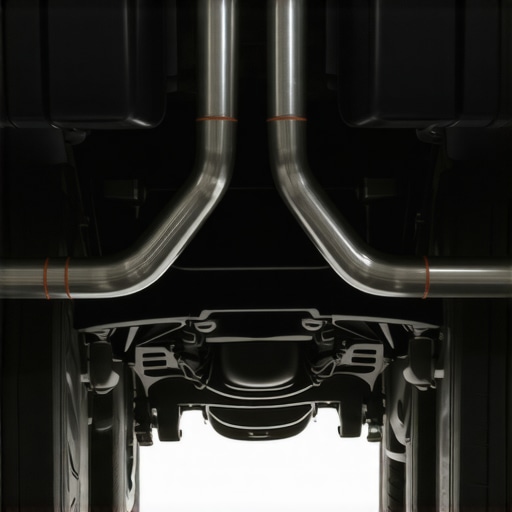
I remember the exact moment I realized my car wasn’t running right. It was a chilly morning, and as I pressed the gas pedal, instead of that smooth surge I was used to, my engine hesitated. Suddenly, a rotten egg smell filled the cabin. My first instinct was to panic—was this the dreaded clogged catalytic converter? That lightbulb moment made me dig deep, and since then, I’ve become obsessed with understanding when my exhaust system is just struggling versus seriously blocked.
If you’ve ever experienced rough acceleration, strange smells, or dashboard warning lights, you’re probably wondering if your catalytic converter is clogged. It’s a sneaky problem—sometimes subtle, yet potentially damaging your engine and harming the environment. Today, I promise we’ll uncover how to identify the signs of a clogged converter early on, so you can avoid costly repairs and keep your car running smoothly.
Why Ignoring a Clogged Catalytic Converter Could Cost You
Think about it—your catalytic converter plays a vital role in reducing harmful emissions. When it gets clogged, your engine’s performance takes a hit, fuel efficiency dips, and you might even face more serious issues like overheating or engine failure. According to automotive experts, a blocked converter can cause increased backpressure, which stresses the engine components and leads to premature wear.
Early diagnosis is key. I’ve learned that misinterpreting symptoms or ignoring warning signs can lead to expensive repairs down the line. Plus, a clogged converter not only costs you at the pump but also impacts your vehicle’s ability to pass emissions tests—something that could leave you stranded or facing fines.
Are you one of many drivers who dismisss subtle warning signs, thinking it’s just a full tank or a rough drive? Trust me, I made that mistake early on, leading me down a rabbit hole of unnecessary repairs and frustration. The good news is, with a little knowledge, you can confirm whether your catalytic converter is the culprit.
To get started, let’s explore how to spot the early signs yourself, before turning to a mechanic. Knowing what to look for will save you time, money, and prevent your car from breaking down unexpectedly.
Begin with a Visual Inspection and Symptom Check
Start by thoroughly inspecting your exhaust system for obvious damages or soot deposits, which might indicate a blockage. Pay close attention to any unusual smells, like rotten eggs, especially after driving for a while. Recall a time I noticed a faint sulfur smell while idling—this was my first clue. Document any performance issues such as loss of power, rough idling, or decreased fuel efficiency. These symptoms resemble a clogged filter or a failing air intake, so consider checking those systems first to rule out simpler causes.
Test for Engine Performance Issues
Assess Power and Acceleration
Next, evaluate how your car performs during acceleration. If you experience hesitation, sluggishness, or the engine feels like it’s “breathing through a straw,” it could signal exhaust restrictions. For example, I once felt my car struggle to climb a hill, which prompted me to investigate further—turns out, my converter was partially blocked. Using a scan tool to check for trouble codes related to the exhaust system can also provide clues. Codes like P0420 often point to converter issues.
Perform a Backpressure Test
This step provides concrete evidence of a blockage. Use a manometer or a cheap vacuum gauge to measure exhaust backpressure. Connect the gauge to the tailpipe or test port, following a step-by-step tutorial I found online. If the pressure exceeds manufacturer specifications, the converter is likely clogged. I attempted this test on my vehicle; despite some mess, the high pressure confirmed my suspicion—and saving me a costly repair later on.
Use a Temperature Differential Test
Check the temperature at the inlet and outlet of the catalytic converter. Normally, there should be a temperature difference of at least a few hundred degrees Fahrenheit. For this, use an infrared thermometer or temperature probe—be cautious and wear safety equipment. During my test, I noticed the inlet was hot, but the outlet barely warm, signaling a blockage. This process effectively isolates the problem, similar to how a clogged artery can be detected by differences in blood flow.
Listen for Unusual Sounds
Unusual noises like rattling or excessive exhaust noise can hint at a damaged or broken converter. When I heard a metallic rattle while revving, I knew I needed to get my exhaust system inspected immediately. These sounds resemble loose parts in a dishwasher or washing machine—an analogy that helps visualize the problem. If you suspect internal damage, consider removing the converter for a closer look or taking it to a trusted mechanic.
Consult Professional Diagnostics
If DIY tests indicate a potential clog, professional diagnosis using advanced tools like ultrasonic testing or emission analyzers can confirm your findings. Visiting an experienced mechanic ensures accurate assessment, especially when symptoms persist despite initial checks. Remember, even if your DIY methods are conclusive, a second opinion can save you from unnecessary replacements. For a quick hop, you might explore causes like faulty ignition coils or other emission-related components, which sometimes mimic converter issues.
Many vehicle owners fall prey to misconceptions that can lead to costly mistakes. A prevalent myth is that simply changing the oil every 3,000 miles is sufficient for modern engines; however, reputable sources like the American Petroleum Institute now recommend longer intervals for synthetic oils, provided the vehicle’s condition is monitored. Relying solely on visual inspections to diagnose complex issues like brake problems often results in missed underlying causes—such as asymmetrical brake wear caused by suspension misalignment—that warrant professional assessment.
Is Your Diagnostic Approach Cost-Effective or a Money Pit?
Advanced diagnostics, including ultrasonic testing and emission analyzers, offer precise insights into issues like catalytic converter clogging or engine misfires, yet many dismiss them as unnecessary expenses. Experts warn that neglecting these tools in favor of guesswork can escalate minor problems into major repairs. For instance, a neglected exhaust backpressure test can turn a simple converter clog into an expensive replacement. External studies, such as a report by the National Institute for Automotive Service Excellence, underscore that investing in proper diagnostics pays off by preventing unnecessary part replacements and improving repair accuracy. Don’t assume that traditional methods like listening for rattles or checking warning lights alone are enough—integrating these with advanced diagnostics elevates your repair strategy. When it comes to oil changes, many overlook that newer engines benefit from quality synthetic oils, which last longer and provide better protection, despite widespread advice to stick with conventional oils. This oversight can cause premature engine wear, especially in high-performance vehicles. Similarly, the misconception that brakes only squeal when worn out can be misleading; brake squeal often signals moisture or embedded debris and doesn’t always indicate the need for rotor replacement. Regular maintenance, coupled with an understanding of nuanced signs, ensures optimal safety and performance. So, next time you’re tempted to cut corners with diagnostics or overlook subtle symptoms, remember that expertise and attention to detail build a safer, more reliable vehicle. Have you ever fallen into this trap? Let me know in the comments.Maintaining your vehicle’s health requires more than just basic knowledge; it demands the right tools and disciplined routines. One key component I rely on is a quality OBD-II scanner, such as the Autel Maxisys series, which allows me to quickly read and clear diagnostic trouble codes, saving hours at the shop. This device provides real-time data, making it invaluable for catching issues like early engine misfires or sensor faults before they escalate. Pairing the scanner with a digital multimeter ensures accurate testing of electrical components, such as alternators and sensors, enabling me to identify faults efficiently. I also swear by a set of high-quality socket and wrench sets, along with a torque wrench, to perform tasks like oil changes and brake pad replacements with precision. For oil changes specifically, going beyond the standard drain plug socket and investing in a good oil filter wrench prevents messy spills and ensures a thorough filter replacement. Additionally, a borescope camera has revolutionized inspections—allowing me to peer into engine cylinders or behind dashboard panels without invasive procedures. When it comes to long-term maintenance, establishing a checklist and documenting each service helps track wear patterns and schedule timely interventions, avoiding costly repairs. Looking ahead, advances in wireless diagnostic tools and AI-driven predictive maintenance are set to make vehicle upkeep more accessible and proactive. How do I maintain my vehicle over time? Consistently using these tools during routine inspections, like checking for unusual vibrations or engine noises with a stethoscope, enables me to detect problems early, often before warning lights come on. For example, using an ultrasonic leak detector can reveal minor vacuum or exhaust leaks that degrade performance—saving me from bigger issues down the line. Regularly checking fluid levels and condition with a refractometer or test strips, especially for transmission and coolant fluids, ensures optimal performance. Overall, relying on specific, proven tools combined with disciplined routines keeps my vehicle reliable and safe. If you haven’t tried incorporating a digital multimeter or an ultrasonic leak detector into your maintenance routine, I highly recommend doing so—they can dramatically improve your diagnostic accuracy. Embrace these methods, and you’ll notice how much smoother your ongoing maintenance becomes, reducing costly emergencies and extending your vehicle’s lifespan. For a more detailed guide on using advanced diagnostic tools effectively, check out expert insights from automotive technology specialists.
The Hardest Lesson I Learned About Vehicle Diagnostics and Auto Repairs
Early in my car ownership journey, I believed almost every issue required a mechanic to fix. It wasn’t until I faced my own diagnostics and realized how empowering having the right tools can be that I truly started saving money. The biggest lesson? Never underestimate the value of proper diagnostics before rushing into replacements. There are fewer problems than you think that can’t be diagnosed with a little patience and strategic testing.
Tools That Changed How I Approach Car Problems
Investing in a quality OBD-II scanner became a game-changer. It’s not just about reading trouble codes; with real-time data, I gained insights into my engine’s health that helped me act proactively. Additionally, ultrasonic leak detectors, infrared thermometers, and a good multimeter are now staples in my toolkit for precise diagnostics. These tools help me uncover the subtle signs of issues like clogged converters or failing sensors early, often saving hundreds in repairs.
Stop Guessing—Start Fixing with Confidence
Remember, your vehicle’s symptoms often tell a story, but only proper diagnostics can read that story accurately. Ignoring warning signs like strange smells, rough idling, or dashboard lights can lead to costly failures, from broken catalytic converters to ruined engines. Learning how to perform simple tests—like backpressure checks or temperature differentials—has put me in control of my car’s health. Want to become more self-sufficient? Equip yourself with the right knowledge and tools, and you’ll find that auto repair becomes less daunting and more rewarding.
Where I Turn When I Need Trusted Info
For detailed guides and professional insights, I rely on reputable sources like expert blog posts that cover common issues such as ignition or exhaust system problems. Books like “Automotive Diagnostics for Dummies” helped me understand concepts clearly, bridging the gap between theory and practical application. And connecting with online communities has provided support and fresh ideas whenever I hit a snag.
Your Next Step in Vehicle Care Starts Today
Taking the initiative to learn about vehicle diagnostics not only saves you money but also boosts your confidence as a car owner. The more familiar you become with your car’s internal signs, the easier it is to prevent breakdowns and extend its lifespan. Remember, a well-maintained vehicle is a safe, reliable partner for years to come. Are you ready to take control of your auto repairs and become the mechanic in your own garage? Share your experiences or questions below—I love hearing how others are mastering their vehicle maintenance.