

Ever stepped into your car on a hot day and been hit by a bizarre, sweet smell—almost like someone spilled a stack of pancakes on the seats—only to find no puddle or obvious leak? That was my lightbulb moment. I remember thinking, “Did I leave a pancake on the dashboard?” but quickly realizing something else was going on. The smell was persistent, odd, and frankly, a little unsettling—and I knew I couldn’t just ignore it.
The Mystery of the Sweet Smell Without a Leak
In my case, I was convinced that a spill or a leak was to blame. But after digging around, I discovered that even without a puddle, certain engine or coolant issues can produce a syrup-like smell. What surprised me most is that this scent often points to a cooling system problem, such as a coolant leak that evaporates quickly or a hose that’s starting to fail. It’s not just about the smell; ignoring it can lead to engine damage that’s way more costly than a simple fix.
Today, I want to share the insights I wish I had when I first noticed the smell. We’ll go through common causes, the warning signs you shouldn’t ignore, and how to diagnose this strange scent before it turns into a bigger headache. Whether you’re a seasoned car owner or just trying to keep your daily driver in shape, understanding why your car smells like syrup—without any visible puddles—can save you a lot of money and stress.
Is It Really Dangerous to Ignore a Sweet Smell? A Skeptic’s Perspective
Early on, I made the mistake of dismissing the scent as a minor annoyance because I couldn’t see any leaks. But according to automotive experts, the smell is often a warning sign of coolant mixing with other fluids or escaping from the cooling system. Modern engines are sensitive, and neglecting these signs can lead to severe overheating or even engine failure. So yes, ignoring the scent isn’t just risking an unpleasant smell—it’s risking your engine’s health. For more about how coolant issues can silently wreck your car, check out this article on engine whistles.
Understanding the root cause of that syrupy aroma is the first step toward ensuring your vehicle stays reliable. In the sections ahead, I’ll guide you through the common culprits, how to identify them, and practical steps you can take to fix the problem. Ready to dive in? Let’s get started—and put an end to that mysterious smell once and for all.
Check Your Coolant Levels
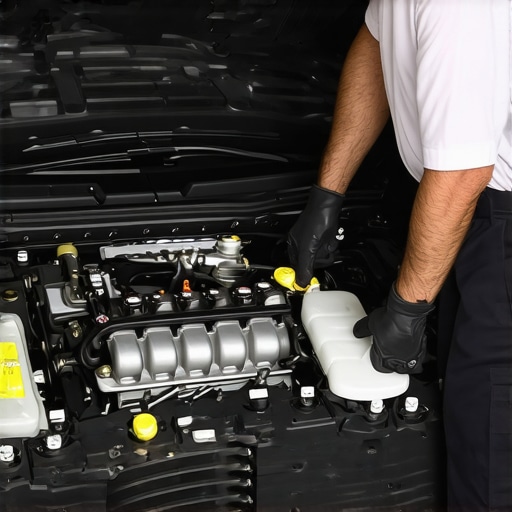
Start by inspecting your coolant reservoir—the container should be at the recommended fill line. Use a clean cloth or a funnel to add a bit of coolant if it’s low, then run the engine and sniff near the radiator and hoses. If the smell intensifies, it hints at a coolant leak. Remember, a coolant leak doesn’t always leave puddles; it can evaporate quickly, especially in hot weather. I once noticed the smell after a long drive, so I kept a small flashlight and cloth in the glove box for quick checks during stops.
Inspect for Visible Damage or Leaks
Park your car on a flat surface, turn off the engine, and let it cool. Open the hood and visually examine all hoses, clamps, and the radiator. Look for crusty residue, discoloration, or dampness—these signs point to leaks. Use a flashlight to peek into hard-to-see areas. A simple method I employed involved running my hand along hoses (wearing gloves) to feel for wetness or soft spots. If a hose feels spongy or crackled, it’s time for a replacement. Avoid assuming all leaks are obvious; some tiny cracks can be sneaky.
Use Soapy Water to Detect Small Leaks
Mix dish soap with water in a spray bottle or bowl—avoid using harsh detergents that could damage engine parts. Start the engine and spray or wipe the soapy solution onto joints, hoses, and areas suspected of leaking. Watch for bubbles forming—these indicate escaping gases or coolant vapor. I once identified a tiny hose crack that wasn’t visible to the naked eye, saving me from a costly overhaul. This method is effective because it highlights even minor leaks that could produce the syrupy smell without pooling fluids visible to the eye.
Perform a Pressure Test
For a more thorough diagnosis, consider a cooling system pressure test. You can rent or buy a kit, or have a mechanic perform it. Pressurize the system to the manufacturer’s recommended psi and observe. If the pressure drops, it signals leaks. Listen for hissing sounds or examine the hoses while pressurized. During my DIY attempts, I watched the pressure gauge carefully, and when my needle slowly dropped, I suspected a small crack in the radiator cap or hose. This technique quickly pinpoints leaks that are too small for normal visual detection.
Monitor for Additional Warning Signs
Pay attention to engine temperature fluctuations, overheating, or color change in the coolant reservoir—these clues support your suspicion. A coolant that appears discolored or contains debris might also indicate contamination and leak points. Sometimes the smell alone was my first sign, but combining it with these signs solidifies the diagnosis. If you notice your car pulls to one side when braking, it could be related to uneven cooling fluid distribution—check out this guide for more insights.
When to Seek Professional Help
If all your DIY efforts don’t locate the leak or the smell persists despite topping off fluids, schedule a professional diagnosis. Auto repair shops have specialized tools like dye testers that can reveal hidden leaks without disassembly. Remember, early detection prevents costly engine damage and keeps your drive smooth. Don’t ignore the warning signs; a small coolant leak today could turn into a big engine problem tomorrow.
Many car owners believe that basic knowledge or offhand advice is enough for accurate diagnostics, but in reality, misjudging the complexity of modern vehicles can lead to costly mistakes. A frequent misconception is that a simple visual inspection or replacing the most common worn parts will fix underlying issues, yet advanced systems like brake-by-wire or electronic fuel injection demand precise, sometimes diagnostic-specific, approaches. For example, assuming that banging or rattling means a loose part can overlook sensor failures or control module malfunctions that mimic physical problems. Relying solely on trial-and-error fixes without understanding the vehicle’s intricate electronics might temporarily mask symptoms but ignore root causes, further damaging the system.
Another widespread error is oversimplifying diagnostics to “clear codes and replace parts,” which often results in unnecessary expenses and recurring problems. Modern vehicles are equipped with dozens of sensors and control units; diagnosing faults accurately depends on understanding the data those systems provide. For instance, replacing brake pads because of squeal without checking the ABS sensors or brake sensors could be futile, especially if a failing sensor causes miscommunication. Ignoring this nuance may leave your vehicle vulnerable to safety hazards or further damage, as explained in detail in this article about brake system warnings.
What are the risks of misdiagnosing problems with complex vehicle electronics?
Misdiagnosis of electronic components can lead to repeated repairs, increased costs, or unsafe driving conditions. A common trap is treating symptoms rather than the cause, like replacing a faulty coolant sensor because of poor engine performance, while the real issue is a clogged radiator or a failing thermostat. Studies by automotive engineers highlight that inaccurate diagnostics contribute significantly to vehicle breakdowns and safety issues; for example, a report from SAE International emphasizes that complex sensor failures, if not correctly identified, can cause unintended acceleration, brake failure, or engine stalls. Recognizing the nuance—knowing when to consult advanced diagnostic tools versus relying on basic checks—can save you from falling into this trap.
To avoid these pitfalls, consider expanding your approach to focus on advanced diagnostics and understanding the vehicle’s electronic architecture. Tools like OBD-II scanners are useful, but they’re only as good as the technician’s knowledge of interpreting data. It’s often worth seeking professional help when dealing with subtle or complex signals, especially for systems like brake-by-wire systems or active suspension modules. By appreciating the technical nuances, you can prevent misdiagnosis and ensure your vehicle remains safe and reliable. Have you ever fallen into this trap? Let me know in the comments.
Maintaining Your Vehicle’s Health with Precision Tools
Ensuring your vehicle stays in optimal condition over time requires investing in the right equipment and adopting proven maintenance methods. One of my go-to tools is the OBD-II scanner. Unlike generic code readers, I prefer advanced models like the BlueDriver, which I personally use to interpret complex sensor data and identify electronic faults early. This device connects effortlessly via Bluetooth to my smartphone, providing real-time diagnostics, including emission system checks and live sensor streams, which are invaluable for preemptive maintenance.
Beyond electronic diagnostics, I rely heavily on a digital battery tester, such as the Midtronics PBT-300. It offers precise cold-cranking amps (CCA) readings, helping me determine if my battery is truly in good shape or if it’s nearing failure—a common troubleshooting step often overlooked. For example, during a recent winter, this tester confirmed my battery was borderline, allowing me to replace it proactively instead of waiting for a dead start.
Why Regular Oil Changes and Brake Inspections Matter
Consistent oil changes are the cornerstone of long-term engine health. I opt for synthetic oil, like Mobil 1, which offers superior temperature stability and extended change intervals—but I never neglect the importance of routine oil analysis to detect contamination or fuel dilution. Maintaining proper oil levels and quality minimizes wear and prevents costly repairs down the line.
Brake service is another critical area. I recommend inspecting your brake pads, rotors, and sensors at least annually. For instance, I utilize a precision dial caliper to check rotor thickness and identify uneven wear before it causes vibrations or squealing. Investing in quality brake fluid and replacing it every two years dramatically reduces the risk of boiling under heavy usage, ensuring safety and longevity.
How do I keep my car running smoothly over time?
Establishing a systematic maintenance routine coupled with diagnostic tools is key. Planning regular inspections—like using a visual check of hoses and clamps—and leveraging technology ensures problems are caught early. I also suggest private DIY diagnostics for minor issues, but for complex electronic systems, seeking professional help is wise. Advanced diagnostic procedures, such as testing brake-by-wire systems, become essential as vehicles evolve.
Looking ahead, the trend points toward more integrated diagnostic platforms that combine hardware and AI-based data analysis. I predict that in the near future, vehicles will be equipped with self-diagnostic systems that notify owners via smartphone apps before issues become serious. To stay ahead, I recommend embracing current tools and methods now, such as the use of high-quality OBD-II scanners and detailed routine inspections.
Try implementing a comprehensive diagnostic check with your OBD-II scanner this month. It’s an affordable step that can reveal hidden problems, saving you money and headaches. Remember, proactive maintenance combined with precise tools forms the backbone of reliable vehicle ownership—so invest wisely, stay informed, and keep your ride running smoothly.
Lessons Hidden in the Sweet Smell Revelation
- Trust Your Gut Over Assumptions: My initial disbelief about the smell taught me that ignoring subtle signs can lead to bigger issues. Always listen to those intuitive hints your car gives, especially when they defy logic.
- DIY Isn’t Always Enough: While tools like soapy water tests and pressure checks are invaluable, I realized that some leaks are too elusive and require professional diagnostics. Knowing when to seek expert help can save you time and money.
- Preventative Care Saves More Than Repairs: Regular inspections and proactive maintenance prevent small problems from becoming costly repairs. Investing in a good coolant level check or a diagnostic scanner pays dividends over time.
- Understanding Systems Deepens Your Connection: Learning how your vehicle’s cooling system and electronic modules work demystifies breakdowns and makes repairs less intimidating. It’s empowering to be in the driver’s seat when it comes to your car’s health.
- Never Underestimate The Power of Knowledge: My journey with the syrupy scent illuminated countless subtle cues that modern vehicles offer. Staying informed—by reading guides or consulting trusted sources—cultivates confidence and competence.
Tools That Kept Me Ahead
- OBD-II Scanner: A versatile device that deciphers engine codes and sensor data, saving me from guesswork—my personal must-have for early fault detection. I recommend models like BlueDriver for their reliability and user-friendly interface.
- Digital Battery Tester: An essential for winter prep, helping me avoid unexpected battery failures. The Midtronics PBT-300 provides accurate CCA readings and prolongs the battery’s lifespan.
- Pressure Test Kit: For checking coolant leaks without dismantling, a simple pressure tester can reveal hidden issues. I trust this tool for its precision in detecting minute drops in system pressure.
- Visual Inspection Aids: A good flashlight and a pair of gloves make my visual checks more effective, especially in hard-to-see engine compartments. Small tools keep inspection thorough and safe.
Embrace the Journey of Vehicle Reliability
Every car tells a story, and paying attention to its whispers—like a sweet smell with no puddles—keeps you ahead of costly repairs. With the right knowledge, tools, and a proactive mindset, you can enjoy a safe, smooth ride for years to come. Remember, mastering diagnostics is less about perfection and more about dedication to your vehicle’s health. So, why not give yourself that edge today? What’s one small inspection or tool upgrade you’ll try to improve your car’s reliability? Share your plans below and let’s grow together in this journey toward smarter vehicle care!