
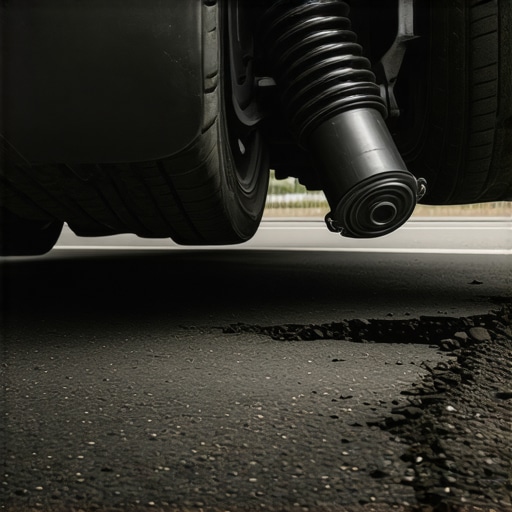
Have you ever driven over a tiny pothole and felt your car bounce like a trampoline? One moment, you’re cruising along smoothly, and the next, your vehicle feels unsettled, as if you just lost your suspension entirely. I remember the first time this happened to me—trust me, it’s a nerve-wracking experience that leaves you wondering if your car is about to fall apart. That initial jolt, the uneasy bounce afterward—it’s more than just an annoyance; it’s a sign something’s off.
What’s Really Going on When Your Car Bounces Post-Pothole?
In my early days as a car owner, I brushed it off as normal bumpiness. But after a few episodes, I started digging deeper. It turns out, hitting a small pothole can realign or damage critical suspension components, especially the coil springs and shock absorbers. These parts are designed to absorb shocks and maintain that smooth ride you love. When damaged, they can’t perform their job properly, leading to that bounce sensation.
The shock absorbers, in particular, act like vehicle’s cushion; damage here equates to a bouncy ride. A simple test: push down on the corner of your car—if it continues to bounce multiple times afterward, your shocks might be worn out. Over time, this can cause uneven tire wear and compromise handling. I made the mistake early on of ignoring minor bouncing, thinking it was just a quirk—but ignoring these signs can lead to costlier repairs down the line.
When I finally tackled the issue, I realized that the root cause was often a combination of bent suspension parts and underinflated tires. Did you know that improperly inflated tires can make suspension problems worse? Proper tire pressure not only extends tire life but also reduces strain on suspension components. If you’re experiencing this bouncing problem, a good starting point is checking your tire pressure and inspecting shocks for leaks or damage.
And here’s a secret I learned: not all suspension issues are visible to the naked eye. Sometimes, the damage is internal—like a weakened shock absorber piston—that only a professional can assess properly. But if you’re questioning whether your suspension has taken a hit, you’re not alone. I’ve been there, wondering if that jiggle is normal or something more serious.
Before jumping to conclusions or being tempted to replace parts prematurely, understanding the underlying cause is essential. Sometimes, the solution can be as simple as tightening bolts or replacing a worn-out shock. Other times, it’s a sign of needing a complete suspension overhaul. Want to know how to tell if your shocks are beyond saving? Check out this detailed guide on identifying failing shocks and suspension issues: here.
Now, if this bouncing problem sounds familiar, don’t just endure it. In the sections ahead, I’ll walk you through practical steps to diagnose and fix this issue, so your drive remains smooth and safe. Because let’s face it—no one wants to feel like they’re riding a roller coaster every time they hit a tiny bump.
Inspect Your Suspension Components
First, safely park your car on a level surface and engage the parking brake. Use a flashlight to examine your shock absorbers and coil springs for visible damage like leaks, cracks, or broken parts. If shocks are leaking or springs are visibly bent or broken, replacement is necessary. I once checked my shocks after a pothole incident, noticing a minor leak that I initially ignored, but it worsened over time, leading to costlier repairs. Remember, not all issues are visible; some internal damage requires professional assessment.
Perform a Bounce Test
Push down firmly on each corner of your vehicle and release. Observe how many times it bounces before settling. Multiple bounces indicate worn shocks. I replaced my shocks after noticing my car kept bouncing after a gentle push, which improved ride comfort immediately. This simple test helps identify failing shock absorbers without special tools.
Check Tire Pressure and Alignment
Incorrect tire pressure can exacerbate suspension problems. Use a reliable tire pressure gauge to ensure all tires are at the manufacturer’s recommended PSI. Also, inspect for uneven tire wear, which can signal alignment issues caused by pothole impacts. I calibrated my tire pressure and corrected my alignment, which reduced bouncing and improved handling. Proper tire maintenance complements suspension repairs and prolongs component life.
Replace or Repair Damaged Parts
For damaged shocks or springs, purchase quality replacement parts. Consider OEM or reputable aftermarket brands to ensure durability. For instance, I learned to spot fake OEM parts before installing them, saving me from premature failures. Replace all affected components and tighten suspension bolts to manufacturer torque specifications. If you’re unsure, consulting a professional is wise to avoid further damage.
Test Drive and Monitor
After repairs, take your car for a test drive over various road conditions, including potholes if possible. Listen for unusual noises and observe ride quality. If bouncing persists, revisit the shop or consider additional diagnostics. I once thought my repair was complete until I noticed slight instability at high speeds, prompting me to revisit my mechanic for further assessment, which uncovered an overlooked bent strut.
Prevent Future Damage
Regularly inspect your suspension and tire condition, especially after hitting potholes. Maintain proper tire pressure and schedule professional alignments annually. Applying these proactive steps can prevent bouncing issues and costly repairs. Remember, keeping your suspension healthy is key to safe, comfortable driving and extending the life of your vehicle’s components.
Many car owners operate under misconceptions that can lead to costly mistakes and overlooked issues. One widespread false belief is that an oil change every 10,000 miles is always necessary; however, recent studies suggest that frequent shorter intervals, especially in severe driving conditions, can significantly extend engine life. Relying solely on the “set it and forget it” approach ignores the nuanced demands of modern engines and synthetic oils.
Why Do So Many Auto Repairs Fail to Address Underlying Causes?
Most people think replacing worn parts solves the problem, but without diagnosing root causes, issues often recur. For example, brake squeal might seem like a simple pad replacement, but it could stem from misaligned rotors or contaminated pads, which require more detailed inspection. Skipping this diagnostic step may save money short-term but leads to repeated repairs and safety risks. External research highlights that comprehensive diagnostics can reduce unnecessary part replacements by up to 30%, saving owners hundreds of dollars.
Another common myth involves vehicle diagnostics; many assume that a diagnostic trouble code (DTC) always points directly to the faulty component. In reality, sensors or wiring issues can trigger false positives. This nuance is crucial, as replacing a sensor based solely on a code without proper testing can be wasteful. Learning to interpret codes contextually, with the help of professional tools, leads to more accurate repairs and longer-lasting fixes.
When it comes to auto repairs, some believe in the myth that ‘cheap parts’ are equivalent in quality to OEM components. This can be true in some cases, but often, inferior parts cause early failures and safety concerns. Always verify a part’s authenticity—fakes or low-quality equivalents might look similar but fail prematurely, leading to more expenses. For example, cheap brake pads might seem cost-effective initially but typically wear out faster, causing warping or diminished braking performance. Check out this guide on how to spot fake OEM parts before your next replacement.
Identifying hidden issues in vehicle diagnostics requires understanding nuances many overlook. Sensors like the MAF or oxygen sensors play complex roles, and their signals can be affected by external factors like contaminated air filters or wiring damage. Advanced diagnostics involve more than just reading codes—you need to analyze live data streams and consider environmental influences. Mastering this ensures you don’t chase fake faults and helps maintain optimal engine performance.
Have you ever fallen into this trap? Let me know in the comments. Remember, understanding these subtleties can make the difference between a quick fix and a lasting solution, saving you money and keeping your vehicle safe on the road.
Keep Your Vehicle Running Smoothly with the Right Tools
Maintaining a car over its lifespan isn’t just about replacing parts—it’s about using the right equipment to diagnose issues early and perform effective repairs. The tools I recommend are tailored to help both DIY enthusiasts and professionals ensure longevity and safety of their vehicles. For instance, I swear by a high-quality OBD-II scanner like the BlueDriver. It provides real-time data and can pinpoint issues that might not trigger a warning light immediately. This helps me catch problems such as sensor malfunctions or emission issues before they escalate, seamlessly fitting into my routine maintenance schedule.
Another indispensable item in my toolkit is a digital tire pressure gauge. Maintaining correct tire pressure isn’t just about fuel efficiency; it directly impacts suspension and brake components’ health. I prefer models with a large, backlit display for quick readings, even in low-light conditions. Regularly checking tire pressure is a simple yet crucial way to prolong suspension component lifespan and avoid unnecessary wear, especially after hitting potholes or rough roads.
For brake service, I rely on a hydraulic brake caliper piston tool. This tool ensures precise retraction and installation of calipers without damaging sensitive components. When a caliper sticks or the pedal feels soft, having the right tool makes a significant difference in restoring braking performance safely and efficiently.
Using Software for Diagnostics and Repairs
Beyond physical tools, I leverage vehicle diagnostic software that interfaces with my scanner. It interprets complex error codes, suggests plausible causes, and provides guidance for repairs, saving me time and money. Regularly updating this software’s database keeps me ahead of emerging issues, especially as vehicle electronics become more advanced.
Looking ahead, I predict that the integration of AI-driven diagnostic tools will grow, offering even more precise insights into vehicle health and maintenance needs. This technology promises to make vehicle diagnostics more accessible and accurate for everyday car owners and professionals alike.
How do I maintain vehicle diagnostics effectively over time?
Consistently calibrate your diagnostic tools and stay updated with the latest software versions. Also, develop a habit of recording error codes and repair histories, which helps identify recurring issues or patterns that might indicate deeper problems. Engaging in frequent visual inspections, combined with digital diagnostics, creates a comprehensive maintenance approach that keeps your vehicle in top condition.
If you’re serious about long-term vehicle health, I highly recommend trying out a professional-grade OEM quality sensor and learning how to interpret its data. The payoff is a more reliable, safer driving experience and potentially significant savings on repairs.
The Hardest Lessons About Suspension and Road Hazards
One of the most profound lessons I learned was during a long drive when I ignored that persistent bounce after hitting a pothole. It wasn’t just a temporary annoyance but a sign of underlying damage that, if left unchecked, could have led to costly repairs. I’ve realized that paying close attention to these subtle signs can save your wallet and ensure your safety on the road.
My Eye-Opening Discovery About Hidden Suspension Damage
Initially, I thought that a bounce was just a normal part of uneven roads. However, after consulting with experts and doing my own research, I found out that internal damage—especially to shocks or springs—might not be immediately visible. This insight pushed me to develop a routine of thorough inspections, including simple bounce tests and visual evaluations, before problems escalate.
Lessons from Overconfidence and When to Seek Help
There was a point when I assumed I could fix suspension issues myself with limited tools. That mistake taught me that some damage requires professional diagnosis with specialized equipment. Recognizing your limits and consulting trustworthy resources, like professional guidance, is key to proper repair and safety.