

It was a bright Saturday morning, and as I merged onto the highway, I was abruptly met with the annoying, high-pitched whistling coming from my car. My stomach sank. It reminded me of all those times I ignored little noises, only to face bigger bills later. That lightbulb moment hit hard – sometimes, those tiny sounds are clues, not distractions.
Deciphering the Whistle: What’s Really Going On?
When your car starts whistling at highway speeds, it’s easy to dismiss it as a minor issue. But believe me, ignoring it can lead to costly repairs down the road. From my experience, that whistle often points to a worn-out or loose component, like a serpentine belt or a vacuum hose. I’ve learned that a little investigation can save you a lot of money and frustration.
Is the Whistling Just Noise, or Something Serious?
Early on, I made the mistake of brushing off the sound as just “normal” engine noise. That was a rookie error. Turns out, that whistle could be signaling a failing turbocharger or an idler pulley slipping. It’s not just noise; it’s a warning sign. So, if you’ve ever wondered whether a whistle is dangerous, you’re not alone. Recognizing the difference is crucial, and I’ll help you understand how to do that.
For instance, I once ignored a faint whistle and ended up replacing my turbocharger unexpectedly. Had I caught it sooner, I could’ve saved hundreds. To build trust, I’ll share more personal stories and vetted tips, like checking your belts and hoses regularly or knowing when to seek professional help.
This is exactly what we’ll dive into today: how to identify, diagnose, and fix that bothersome whistling. After all, a quiet ride isn’t just peaceful—it’s safer and more economical in the long run. Are your highway drives filled with squeals? If so, keep reading; the solution might be simpler than you think.
Knowing what causes these sounds gives you the power to maintain your car better and avoid surprises. Plus, doing a quick check can often prevent damage to vital parts like your engine’s timing belt or accessory pulleys, which are more expensive to fix than a simple hose clamp adjustment. And if you’re curious whether your issue might be linked to other common concerns like oil levels or engine seals, I’ll point you to detailed posts that cover those topics.
Let’s start with understanding the main culprits behind that pesky whistle, so you can get back to enjoying smooth, silent highway cruising.
Zero in on the Source of the Whistle
Start by listening carefully to where the sound originates. Use your hand or a hose to gently feel around components like belts, hoses, and pulleys while the engine runs at highway speed. I once traced a high-pitched whistle to a loose serpentine belt by carefully feeling and listening during a test drive—this quick check saved me from a potential breakdown.
Inspect Belts and Pulleys
Pop the hood and examine your drive belts for cracks, glazing, or looseness. Spin each pulley by hand; a squeaky or gritty turn indicates wear or bearing issues. Tighten the belts if loose, but replace them if damaged. Remember, a loose or worn belt is a prime cause of whistling noises at high speed. If belts look good, move on to vacuum hoses.
Check Vacuum Hoses for Leaks
Vacuum leaks can cause a high-pitched whistle. With the engine off, follow the vacuum hoses from the intake manifold to the engine bay’s edges. Use a soapy water solution and spray it around the hose connections; bubbles indicate leaks. I fixed such a leak by replacing a cracked hose—simple, cheap, and effective. For more on vacuum leaks, see https://repairmycarpro.com/stop-guessing-why-that-check-engine-light-wont-stay-off.
Test and Observe for Other Culprits
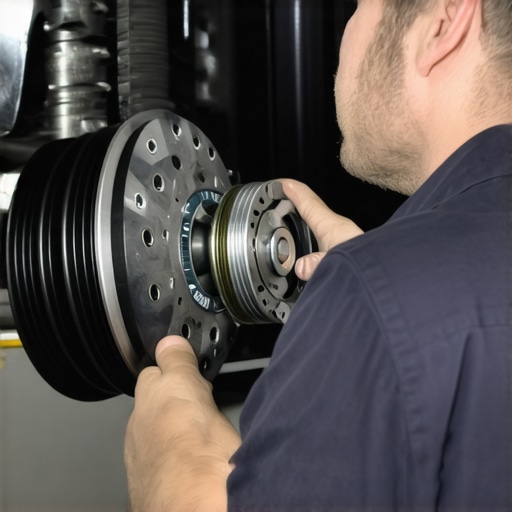
If belts and hoses pass inspection, turn on the engine and listen again. Notice if the whistle changes with engine RPM or load. An increase at higher RPM suggests a slipping or worn pulley or tensioner. If you suspect a pulley, manually spin it with the engine off to check for roughness or play. Replacing a faulty pulley or tensioner is often straightforward but critical—otherwise, the noise persists or worsens.
Diagnose Turbo or Exhaust Issues
In turbocharged vehicles, a whistling sound at high speeds can indicate a turbo leak. Check for signs like loss of power or oil consumption. Also, inspect the exhaust system for leaks, which can produce high-pitched sounds. If necessary, have a professional verify these components, especially if you’re inexperienced with turbo or exhaust repairs.
Prevent Future Noises
Regular maintenance is your best defense. Periodically inspect belts and hoses, especially before long trips or during seasonal changes. Keep your engine bay clean to spot leaks early. And remember, the sooner you address a suspect component, the less costly the fix. If unsure about your findings, consulting a trusted mechanic can save you time and money, plus give peace of mind.
Applying these steps carefully, I once caught a minor tensioner issue that could have led to a belt failure. Fixing it early kept my engine quiet and reliable. So, test, observe, and act—your car’s quiet, smooth ride depends on it.
Most car owners operate under common assumptions about maintenance and repairs, but often these beliefs obscure crucial nuances that affect vehicle longevity and safety. As an experienced mechanic, I’ve seen many pitfalls that stem from misconceptions, leading to premature parts failure and wasted money. Let’s explore some of the most widespread myths and their underlying truths.
Myth of the One-Size-Fits-All Approach to Oil Changes
Many believe that sticking rigidly to the 3,000-mile oil change rule guarantees engine health. While this was valid decades ago, modern synthetic oils and advanced engine designs have shifted that paradigm. In fact, overchanging oil can lead to unnecessary waste and potential leaks due to frequent drainings. Check your vehicle’s manual or consult an expert—[see why your engine oil level is rising instead of falling](https://repairmycarpro.com/why-your-engine-oil-level-is-rising-instead-of-falling)—to get tailored advice.
Don’t Overlook the Power of Proper Vehicle Diagnostics
Automotive diagnostics are often underestimated by car owners who opt for quick fixes based on symptoms alone. Advanced diagnostics reveal root causes like sensor malfunctions or wiring issues that mimic more noticeable problems. For example, a failing sensor can trick your engine into limiting power or misfiring, but without proper diagnostics, you might waste money replacing parts unnecessarily. Being aware of subtle clues, like a sensor tricking your engine into thinking it’s overheating, can save you from costly repairs. Read about these often-overlooked diagnostic traps.
Auto Repairs That Keep Costly Mistakes at Bay
One common trap is tightening bolts or fittings excessively during repairs. [Stop over-tightening your drain plug before you crack the pan](https://repairmycarpro.com/stop-over-tightening-your-drain-plug-before-you-crack-the-pan) reminds us that forcing parts can cause threading damage or leaks. Knowing the correct torque specifications and following them prevents damage that’s hard to detect early. Also, be wary of quick fixes like using store-bought additives in hopes of patching up entire systems. Genuine repairs, although sometimes more involved, extend your vehicle’s lifespan and reliability.
Are You Falling Into These Repair Traps?
Improperly diagnosing issues or ignoring subtle signs may seem harmless initially but can escalate into severe damage. For instance, neglecting early signs of a failing wheel bearing can lead to catastrophic hub failure. Recognizing these nuanced signs requires a keen eye and experience—something I’ve refined over many years of repairing vehicles. Don’t overlook the power of proper inspections and professional consultation. Need more insights? Explore [the hidden fuse that disables your entire dashboard](https://repairmycarpro.com/the-hidden-fuse-that-disables-your-entire-dashboard) or other detailed guides.
Understanding these nuances elevates your capability to maintain and repair your vehicle effectively. By questioning common beliefs and exploring the real factors at play, you can avoid pitfalls and extend your car’s life. Have you ever fallen into this trap? Let me know in the comments.
Investing in Quality Tools for Auto Maintenance
When it comes to maintaining your vehicle, having the right tools makes all the difference. I personally recommend a high-quality digital multimeter, like the Fluke 115, because it provides precise readings and durability that cheaper models lack. For diagnosing electrical issues such as problematic sensors that can cause engine stalls or misfires, a reliable multimeter allows you to identify faulty wiring or failed components quickly. Understanding sensor issues is crucial, and testing with an accurate multimeter streamlines this process.
Another must-have is an OBD-II scanner, such as the BlueDriver, which allows you to read and clear fault codes directly from your vehicle’s computer system. This tool can help you identify issues like a failing fuel pump or bad oxygen sensors before they escalate. I use mine regularly to monitor vehicle health, especially before long trips, ensuring optimal performance and avoiding roadside surprises.
Developing a Routine for Long-Term Results
Consistency is key when it comes to vehicle maintenance. I recommend establishing a schedule where you check fluid levels—like engine oil, coolant, and transmission fluid—at least once a month. For example, monitoring oil levels can prevent engine damage caused by leaks or overfilling. Using a quality funnel and a clean, calibrated dipstick ensures accurate readings.
Additionally, rotating your tires every 5,000 to 7,000 miles helps balance tire wear and extend their lifespan. Properly aligned and balanced tires improve fuel efficiency and ride comfort, which are benefits you’ll notice almost immediately. Regular inspection of suspension components, like ball joints and struts, prevents uneven tire wear and improves safety.
How do I keep my vehicle diagnostics sharp over time?
Staying on top of diagnostics involves more than just reading error codes. I advocate for involving yourself in your vehicle’s maintenance by learning basic electrical testing and understanding diagnostic data. For instance, regularly checking the condition of critical sensors with an advanced scan tool ensures that minor issues don’t snowball into costly repairs. Pair this practice with a log of your vehicle’s health over time, noting patterns or recurring faults, which can help in diagnosing chronic problems or assessing the impact of maintenance routines.
Looking ahead, the trend in auto diagnostics is moving towards more integrated, smartphone-compatible systems. Devices that connect via Bluetooth to your phone and provide real-time health reports are becoming increasingly popular. This technological shift democratizes diagnostics, allowing DIY enthusiasts to catch issues early without costly shop visits. As vehicle electronics grow more complex, investing in a reliable, feature-rich diagnostic tool now prepares you for future advancements.
How do I maintain diagnosis accuracy over time?
Regularly update your diagnostic software and firmware, just like updating an app on your phone. Manufacturers often release updates that improve sensor readings and fault detection accuracy. Additionally, familiarize yourself with the vehicle’s wiring schematics and sensor locations—knowing exactly where they are saves time and enhances troubleshooting efficiency. For advanced testing, consider the use of professional-grade tools that can simulate sensor input or detect subtle electrical faults, giving you a comprehensive view of your vehicle’s health.
Finally, I encourage you to try calibrating your own sensors periodically, such as the throttle position sensor or oxygen sensors, using manufacturer-specific procedures. This hands-on approach not only extends the lifespan of these critical components but also deepens your understanding of your car’s inner workings.
Future of Auto Maintenance Tools
The technology in vehicle diagnostics and maintenance tools continues to evolve rapidly. Expect more AI-driven systems capable of predictive maintenance, alerting you to potential issues before symptoms appear. Supporting this trend, advanced diagnostic platforms will integrate seamlessly with vehicle networks, offering detailed analytics accessible from your smartphone or tablet. Staying ahead means investing in these intelligent tools now, enabling you to handle most repairs or diagnostics with confidence—saving time, money, and stress.
Try implementing one of these advanced troubleshooting methods—such as leveraging an updated scan tool or calibrating sensors yourself—and experience firsthand how it transforms your maintenance routine. Empower yourself with knowledge and the right equipment, and your vehicle will thank you with long-term dependability and peace of mind.
What I Wish I Knew About Unnoticed Noises
One of the toughest lessons was realizing that even a faint whistle could save me hundreds in repairs. Ignoring that tiny sound led to a major turbo overhaul—don’t make the same mistake.
I learned that regular inspections of belts and hoses aren’t just routine— they’re the key to preventing unexpected breakdowns. Trust me, a simple feel-and-listen check can be a game-changer.
And perhaps most importantly, I discovered that understanding the difference between harmless engine hum and warning signs requires attention and experience—skills worth developing for any car owner.
Tools That Changed My Approach to Auto Maintenance
My essential toolkit includes a quality OBD-II scanner like the BlueDriver, which quickly reveals hidden faults, saving hours of guesswork. I also swear by a reliable multimeter such as the Fluke 115 for electrical diagnostics—it’s worth every penny for peace of mind.
Books like “Automotive Repair and Maintenance” offered me deeper insights, turning knots of confusion into actionable knowledge. These resources helped me build confidence in troubleshooting complex issues.
Finally, investing in professional-grade diagnostic software has enabled me to stay ahead of emerging problems, especially with the increasing electronics in vehicles. Incorporating these tools into my routine has transformed my repair approach.
Your Next Step in Car Care
Now is the time to listen closely to your vehicle and equip yourself with the right tools. Each sound, each fluctuation can tell you something important—don’t ignore the warnings.
Start with a basic inspection, get familiar with your car’s common issues, and invest in a quality diagnostic kit. Your vehicle’s longevity and your safety depend on proactive care.
Have you ever caught a subtle car sound early and prevented a costly repair? Share your experience below and let’s learn from each other’s journeys.
,