
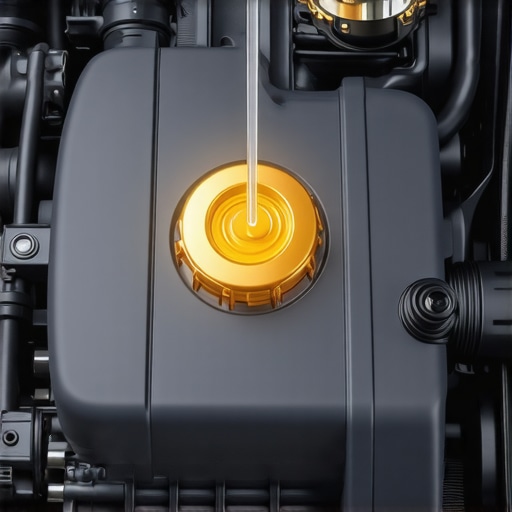
I remember the first time I noticed my engine oil level creeping up after a routine oil change. At first, I thought it was a misread on the dipstick, so I checked again. To my surprise, it had actually increased. That was a lightbulb moment—something was definitely off. Over time, I realized firsthand how perplexing and potentially damaging this situation can be, especially when everyone warns about oil levels dropping due to wear or leaks.
The Unexpected Rise of Your Engine Oil
Typically, we expect oil to decrease over time—burning slightly or leaking out. But when it starts to rise, it flips our expectations and can signal a different set of issues. In my case, the peculiar behavior prompted more research, and I found that this phenomenon isn’t as rare as you might think. It’s crucial to understand why this happens because ignoring it can lead to serious engine problems.
Is It Worth Worrying Or Just a Fluke?
Early on, I made the mistake of dismissing the rising oil level as a quirk. That was a mistake. A rise in oil level can indicate issues like coolant contamination, head gasket failure, or even fuel leaks into the oil—problems that could seriously damage your engine if left unaddressed. According to automotive experts, coolant or fuel entering the oil can cause a false reading, and it’s essential to diagnose the root cause promptly. If you’re facing similar symptoms, I highly recommend checking out articles like this guide on engine oil problems for a deeper understanding.
Have you ever experienced your oil level rising unexpectedly? Share your story—I’d love to hear how you handled it.
Now, let’s delve into why this unusual situation occurs and how you can identify the real cause behind it. The solution isn’t just topping off the oil but understanding what’s fueling this rise in the first place. Stay tuned as we explore practical diagnostics and fixes that can save your engine and your wallet.
.
Identify the Source of the Oil Increase
Begin by performing a visual inspection of your engine bay. Look for signs of coolant leaks or contamination, such as a milky residue on the oil fill cap or dipstick. If coolant is mixing with oil, it often indicates a head gasket failure. To get a clearer picture, remove the oil fill cap and examine the oil’s color and texture; milky or frothy oil points toward coolant intrusion.
Sample Oil for Laboratory Testing
If visual signs suggest contamination, collect a small oil sample in a clean container and send it to a lab. Testing can confirm whether coolant or fuel has infiltrated your oil, which is critical for determining the next steps. This process avoids unnecessary repairs caused by misdiagnosis and ensures you address the root issue effectively.
Check for Coolant Leaks and Head Gasket Faults
Perform a compression test or a cylinder leak-down test to assess the integrity of your head gasket. If the test reveals a leak, consider replacing the head gasket promptly. Additionally, inspect radiator hoses and the radiator itself for leaks or cracks that could be allowing coolant into the combustion chamber, which then leaks into the oil.
Inspect Fuel Leaks into Oil
Fuel entering the oil often results from issues with your fuel injectors or faulty pressure regulators. If you notice a strong fuel smell or suspect excessive fuel in the oil, check the injectors for leaks. A damaged injector can spray fuel into the combustion chamber, leading to increased oil levels and potential engine damage.
Use Diagnostics Tools for Precise Analysis
Connect an OBD-II scanner to your vehicle to check for any stored trouble codes related to engine cooling, fuel system, or misfires. Codes such as P0300 or P0171 can hint at underlying problems causing abnormal oil levels. Consulting online guides like this DIY belt squeal fix or this diagnostic article can guide you through interpreting codes accurately.
Address Mechanical Faults Immediately
Once you’ve pinpointed the cause—be it gasket failure, coolant leak, or fuel intrusion—proceed with necessary repairs. For gasket replacements or engine repairs, consider professional assistance if you’re not experienced. Remember, neglecting these issues can lead to engine damage, such as warped heads or seized components, which are costly to fix.
Monitor Oil Levels Post-Repair
After repairs, reset your oil maintenance light and keep a close eye on the oil level for at least a few weeks. Regularly check the dipstick and keep detailed logs; persistent rising levels might indicate missed issues or recurring faults that need further diagnostic attention. For ongoing concerns, reviewing guides like this article on oil filter quality can help ensure you’re using proper parts.
Stay vigilant and proactive
Regular inspections and timely diagnostics are your best defense against engine damage caused by rising oil levels. When in doubt, consulting experienced mechanics or using comprehensive vehicle diagnostics tools can save you from costly repairs down the line. Remember, a proactive approach keeps your engine running smoothly and extends its lifespan.
Many car enthusiasts and even seasoned mechanics operate under widespread myths that can lead to costly mistakes. One common misconception is that all diagnostic codes point directly to the problem, but in reality, these codes are just clues, often misinterpreted without proper context. Relying solely on scan tools without understanding the intricate systems can cause you to chase symptoms rather than causes, wasting time and money. As an expert in vehicle diagnostics, I’ve seen countless cases where a wrong assumption about a sensor or system has led to unnecessary component replacements, when a simple wiring issue or internal fault was the real culprit.
What is the most overlooked nuance that separates a quick fix from a damage-have-to-wart?
One critical nuance is the importance of considering how environmental factors influence vehicle diagnostics and repairs. For instance, a car that experiences frequent short trips can develop engine sludge or electrode deposits, which mislead diagnostics and obscure true faults. A study by the Society of Automotive Engineers highlights that about 60% of diagnostic errors stem from neglecting environmental and operating conditions, leading to misdiagnosis and improper repairs. Ignoring these factors can create expensive traps that many overlook, especially during oil change routines or brake service. Properly understanding how ambient temperature, moisture, and usage patterns affect vehicle components can prevent you from making costly mistakes. This article on engine wear emphasizes how subtle environmental impacts can accelerate component degradation, underlining why a holistic approach to diagnostics is essential. Have you ever fallen into this trap? Let me know in the comments.
Another common mistake is assuming oil quality is the sole factor behind engine performance. While using high-quality synthetic oil is beneficial, neglecting correct oil change intervals and understanding the specific needs of GDI (Gasoline Direct Injection) systems can lead you astray. These engines, for example, are prone to carbon buildup that modern synthetic oils might not prevent if used incorrectly, leading to sludge formation and engine knocking. Regularly reviewing check engine light issues or inspecting intake valves can reveal hidden signs of damage caused by overlooked nuances. Remember, Auto repair isn’t just about swapping parts—it’s about understanding the complex nature of your vehicle’s systems and environmental influences that silently determine longevity and performance.
Investing in Reliable Diagnostic Equipment
One of the most critical aspects of maintaining your vehicle’s health is having the right diagnostic tools. I personally rely on an OBD-II scanner like the BlueDriver because of its comprehensive code reporting and live data features. Unlike generic scanners, it allows me to see real-time engine parameters, enabling early detection of issues like misfires or sensor faults. Using such tools has drastically reduced my trips to the mechanic for minor problems, saving time and money.
Why I Switched to a High-Quality Multimeter
A dependable multimeter is a must for every DIY mechanic. I prefer the Fluke 115 because of its accuracy and durability. When troubleshooting electrical issues—like a stubborn brake light or an inexplicable warning on the dashboard—measurements need to be precise. This multimeter helps me verify voltage drops across sensors or ensure proper continuity, preventing unnecessary part replacements. Clear, accurate testing is vital, especially when diagnosing complex problems such as those related to vehicle wiring or sensor signals.
Using Smoke Machines for Leaks Saves Big
Detecting vacuum or fluid leaks can be tricky, but a smoke machine like the Autel MaxiSYS smoke tester simplifies this process. I use it to find elusive intake manifold leaks or cracked hoses that traditional methods might miss. Since a small leak can cause irregular idle or misfires, catching it early means less engine wear and better fuel economy. This tool has proved invaluable during oil change routines when ensuring the entire system seals properly before sealing up the engine.
Software for Deep Diagnostics and Data Analysis
Beyond hardware, I recommend advanced software like OBDeleven for vehicle-specific diagnostics. It not only reads fault codes but also allows mini-programming and customization, especially helpful for newer cars. For instance, I recently used it to reset the oil maintenance light after an oil change, which is a simple step that signals proper service completion. As vehicles become more electronic, investing in such software keeps you a step ahead, extending your DIY capabilities.
How do I keep my diagnostic tools in top shape over time?
Regularly calibrate and update your tools’ firmware, and keep them clean from dust and moisture. For example, I store my multimeter and scanner in a dedicated case, avoiding exposure to extreme temperatures or humidity that could impair their accuracy. Also, read manufacturer instructions periodically to understand new features or updates, ensuring your tools remain reliable for years to come. As vehicle technology advances, I believe we’ll see even more sophisticated diagnostic interfaces, making maintenance more accessible for enthusiasts. That said, investing in the right equipment now positions you favorably for future repairs. I recommend trying the trick of updating your OBD scanner’s firmware to catch newer models’ codes more effectively—I’ve found that step invaluable in recent diagnostics.
Lessons that Changed My Approach to Car Care
- Don’t dismiss anomalies—rising oil levels aren’t just a quirk but a sign to investigate deeper. Addressing the root cause early has saved me from costly engine repairs.
- Relying solely on diagnostic codes can be misleading; combining tools, visual inspections, and lab tests provides a more complete picture, preventing misdiagnosis and unnecessary parts replacement.
- Understanding environmental impacts on engine behavior, like short trips causing sludge, has made me more cautious and attentive to subtle vehicle signals, changing how I approach diagnostics.
Tools and Reads That Transformed My Process
- The BlueDriver OBD-II scanner has been indispensable, offering real-time data and code interpretation that’s accessible even for DIY enthusiasts. It streamlines diagnosing complex issues like coolant contamination or fuel leaks.
- Using a high-quality multimeter, such as the Fluke 115, helps verify electrical components’ health, uncovering wiring or sensor faults that could influence oil levels or engine performance.
- A smoke machine like the Autel MaxiSYS makes leak detection precise, catching tiny intake or vacuum leaks that traditional methods might miss, saving money and stress in the long run.
- Regular firmware updates for my diagnostic tools ensure I stay ahead with the latest vehicle models and error codes, maintaining accuracy and reliability in diagnostics.
Keep the Momentum Going — Your Vehicle’s Future
Diagnosing unexpected rises in engine oil isn’t just about fixing a problem—it’s about cultivating an investigative mindset that prioritizes thoroughness and curiosity. Embrace these lessons and tools, and you’ll extend your vehicle’s lifespan while saving money. Remember, the journey of mastering vehicle diagnostics is ongoing, and your proactive steps make all the difference. How will you apply this insider wisdom to your next maintenance challenge? Share your story below and let’s learn together!