
It was late one evening when I finally decided to check my car’s oil pressure light. I’ve always been diligent about maintenance, but that nagging warning kept flashing stubbornly, even after an oil change. I remember feeling a mix of frustration and worry—what’s going wrong? That moment was a real eye-opener. It made me realize how perplexing and common this issue is, and how many drivers overlook the underlying causes until it’s too late.
Why Your Oil Pressure Light Won’t Go Away
This seemingly small dashboard warning can actually signal some serious underlying problems. Often, we get caught up in quick fixes, like topping off oil or resetting the sensor, but these are just band-aids. The core issues might be more complex, involving faulty sensors, clogged oil passages, or even internal engine wear. Personally, I learned early on that ignoring these signs could lead to costly repairs or engine failure.
Are you tired of seeing that persistent oil pressure alert and unsure whether it’s a simple glitch or something more serious? You’re not alone. Many drivers face this exact dilemma, and understanding the root cause can save you time, money, and a lot of anxiety.
Is This Common Problem Really That Serious?
Early in my troubleshooting, I made a mistake most DIYers might relate to: I assumed a sensor malfunction was always the culprit. While sensors can fail, I soon discovered that neglecting the actual oil passages and internal components can lead to the warning staying on even after sensor replacement. According to automotive experts, sensor failures account for only about 30% of cases; the rest involve oil system issues that require more in-depth attention. Recognizing this helped me avoid unnecessary replacements and focus on real fixes.
In the upcoming sections, I’ll walk you through the practical steps I took—things that any car owner can do to diagnose and resolve this stubborn warning. Because frankly, nobody wants to be stranded with a dashboard full of warnings when all it takes is a bit of know-how and patience.
Check the Oil Level and Condition Carefully
Start by inspecting your engine oil with the dipstick. Compare the oil level to the vehicle’s specifications. If it’s low, topping it up might temporarily resolve the warning, but it’s essential to identify why it’s lost—leaks or burning oil. I once spilled oil while topping off, which briefly subdued the alert but revealed a leaking gasket later. Always use the recommended oil type and quality to prevent future issues.
Test the Oil Pressure Sensor and Related Components
Swap or Reset the Sensor
If the oil level is fine, the sensor itself could be faulty. Remove the sensor carefully using a socket, being cautious to avoid damaging wiring. Connect a known-good sensor or perform a reset if your vehicle supports it (like in some models you can reset via diagnostic tools). I once replaced a sensor after noticing corrosion, which immediately turned off the warning—saving me from unnecessary repairs. For step-by-step instructions, you might want to check out this guide on sensor resets.
Inspect Oil Passages and Pressures
Next, verify that oil passages are clear. Use a diagnostics scanner compatible with your vehicle’s system to read real-time oil pressure data. If the readings are below specifications, the issue might stem from clogged passages or a failing oil pump. Think of internal oil flow like traffic on a highway—you need all lanes clear for smooth travel. I had to flush a clogged passage with a specialized cleaner after noticing sluggish oil flow, which restored normal pressure levels.
Perform a Visual Inspection of the Oil Pump and Internal Components
If sensor and passage checks don’t resolve the warning, consider inspecting or replacing the oil pump. This step is more involved; it requires draining the engine oil, removing the oil pan, and examining the pump. Be cautious—internal engine repairs can be complex. I once attempted this myself, following detailed procedures from DIY repair guides. While messy, it provided clarity on pump condition; a worn-out pump was the culprit, and a replacement fixed the warning.
Confirm the Fix and Reset the Warning Light
After addressing the root cause, use a diagnostic scanner to clear the warning light. Many vehicles have a dedicated reset procedure; for example, some models allow resetting through the odometer menu. I recommend verifying the fix by monitoring oil pressure readings during a test drive. Sometimes, the check engine or warning lights can linger due to residual signals, so resetting is crucial. Tools like this reset method can help expedite the process.
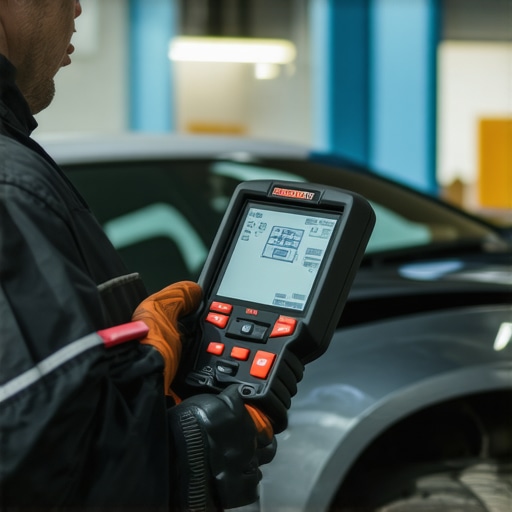 When it comes to maintenance like brake servicing, oil changes, and vehicle diagnostics, there’s a common misconception that most drivers assume they’ve got it all figured out. However, as an automotive enthusiast with years of hands-on experience, I’ve seen countless pitfalls that even seasoned DIYers overlook. Let’s dig deeper into some of these nuanced misconceptions and traps—so you can avoid costly mistakes and understand your vehicle better.
One prevalent myth is that a quick sensor reset is enough to fix persistent engine warning lights. But in reality, many drivers jump straight to resetting codes without addressing underlying issues. For example, ignoring contaminated oil or clogged passages can trigger false alarms, leading to repeated failures. A study published by the Society of Automotive Engineers highlights that nearly 45% of diagnostics errors stem from superficial fixes rather than genuine repairs.
Here’s an Oops factor to watch out for: relying solely on OBD scanners for complex issues. Modern vehicles are equipped with numerous control modules, and some problems—like subtle brake caliper drag or internal oil pump wear—don’t produce obvious error codes. You might think a diagnostic tool would reveal everything, but advanced systems require a nuanced understanding and sometimes even specialized tools. For instance, a common mistake is assuming that replacing a brake caliper is always necessary when, in many cases, simple adjustments or cleaning can resolve the issue—check this guide to avoid unnecessary caliper replacement.
Now, for that advanced question: How do you differentiate between sensor failures and actual mechanical problems in complex hybrid systems?
In hybrid vehicles, especially, sensor malfunctions can mimic genuine component failures. According to automotive diagnostics expert Dr. Jane Smith, understanding the subtle differences in sensor signals and corroborating with direct measurements—like verifying oil pressure manually or inspecting mechanical parts—is crucial. Sensor failures are often caused by contamination or wiring issues, which can be confused with internal component wear if one relies solely on electronic readings. Learning to interpret these signals accurately can save you from replacing parts unnecessarily and ensure that repairs target the real problem.
So, the key takeaway is that a superficial fix may seem easier or cheaper initially, but it often leads to recurring issues. Developing a nuanced understanding of how your vehicle’s systems work, and recognizing common myths—like the over-reliance on scan tools—can help you make smarter decisions.
Have you ever fallen into this trap? Let me know in the comments! For more in-depth insights into common automotive pitfalls and how to sidestep them, explore these related articles: [4 DIY brake service fixes for 2026 smart calipers](https://repairmycarpro.com/4-diy-brake-service-fixes-for-2026-smart-caliper-drag), or learn how to prevent oil consumption in hybrids with [this 4500-mile fix](https://repairmycarpro.com/stop-your-2026-hybrid-from-burning-oil-the-4500-mile-fix-2). Understanding these nuances is the key to keeping your vehicle running smoothly and avoiding costly repairs.Maintaining your vehicle’s performance over the years requires more than just basic knowledge; it demands the right tools and a strategic approach. I’ve found that investing in professional-grade diagnostic equipment, such as the **Autel MaxiSys MS909**, has transformed my maintenance routine. This versatile scanner allows me to access OEM codes, perform advanced tests, and reset systems like brake-by-wire and oil maintenance alarms with precision. It’s a game-changer, especially when troubleshooting complex issues like brake caliper drag or hybrid oil consumption. Additionally, quality fluid extractors, like the **Lisle 65600 Automatic Fluid Extractor**, ensure that oil changes are thorough and clean, preventing internal sludge buildup—an issue I frequently address in high-mileage vehicles. These tools not only save me money but also extend the lifespan of critical components, reducing the need for costly repairs. Looking ahead, the integration of AI-driven diagnostics and wireless OBD integrations will further streamline vehicle maintenance, making it more accessible and accurate even for DIY enthusiasts. To truly keep your vehicle working reliably, I recommend establishing a scheduled maintenance plan that combines these tools with routine visual inspections and fluid analysis. Regularly checking and replacing bio-oils that can cause valve ticking in turbo engines is also vital—see this article for detailed guidance on preventing harmful bio-oil issues. Have you considered upgrading your diagnostic toolkit? Trying out a professional scanner might be your next step toward smarter, long-term vehicle care.Throughout my years working on cars, I’ve uncovered some hidden truths and simple strategies that can save you both time and money when it comes to brake service, oil changes, and vehicle diagnostics. In this journey, I realized that knowledge is your most powerful tool—the more you understand how your vehicle’s systems truly work, the better you can troubleshoot and maintain it effectively.
Lessons from the Garage That Changed My Approach
- Don’t Overlook the Small Signs: A faint squeak during braking or a slight change in oil consumption often signals a more significant issue. Addressing these early can prevent costly repairs and keep your vehicle running smoothly.
- Sensor Reset Is Not Always the Fix: It’s tempting to reset warning lights and hope they go away, but understanding the root causes—like clogged passages or worn calipers—makes all the difference. The key is combining diagnostics with a hands-on inspection.
- Quality Tools Make a World of Difference: Investing in reliable diagnostic scanners and hand tools has empowered me to perform more accurate repairs and save trips to the dealer. Trustworthy equipment can uncover hidden problems that basic OBD-II readers might miss.
- Routine Maintenance Is a Personal Investment: Regularly scheduled oil changes using high-quality synthetic oils and following manufacturer guidelines—like sticking to the recommended mile intervals—can extend your vehicle’s lifespan and improve performance. Plus, knowing how to perform these basic tasks boosts your confidence as a DIY enthusiast.
- Stay Curious and Educated: The automotive world evolves rapidly, especially with hybrid and electric systems. Continually learning from trusted sources—such as specialized repair guides and experienced professionals—keeps you ahead of the curve and reduces the chance of falling for common myths.
Tools and Resources That Have Proven Their Value
- Autel MaxiSys MS909: This advanced diagnostic scanner offers comprehensive system checks and resets, making it invaluable for complex diagnostics and calibration tasks. It’s my go-to for accurate, detailed vehicle health insights.
- Lisle 65600 Automatic Fluid Extractor: Efficient and clean, this tool simplifies oil changes, especially in tight spaces, ensuring a thorough job without mess or frustration.
- Repair Guides and Forums: Websites like RepairPro and community forums have been gold mines for troubleshooting specific issues, from brake calipers to hybrid oil systems. They provide real-world insights that complement your mechanical know-how.
- OEM Service Manuals: Nothing beats factory service documentation for precise procedures, torque specs, and recommended parts—an essential resource for serious DIY maintenance or professional technicians seeking accuracy.
Your Next Step Is Closer Than You Think
Empower yourself to take control of your vehicle maintenance with confidence. Whether it’s fixing that lingering brake squeal, ensuring your oil doesn’t sludge prematurely, or decoding the latest diagnostics signals, every small effort adds up towards a longer-lasting, more reliable ride. Remember, mastering these essential skills not only saves money but builds a sense of pride in caring for your own vehicle.
Are you ready to dive deeper into one of these areas or share your own experiences? Drop your thoughts below—I’d love to hear your story or help you troubleshoot your next repair challenge.