
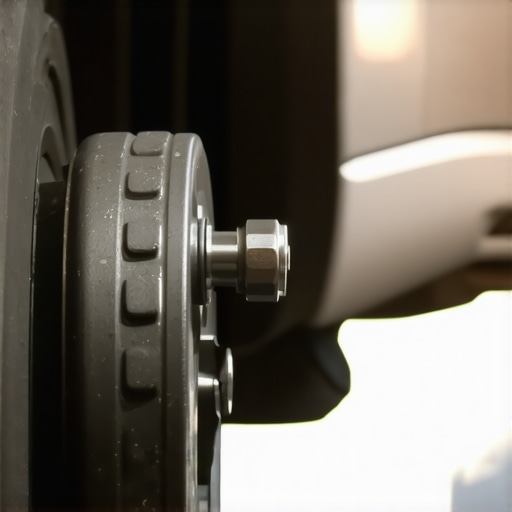
It was a cold Saturday morning when I first felt it—my brake pedal pulsing violently every time I slowed down, like a mini earthquake beneath my foot. That moment, I knew something was off, but I wasn’t ready for a costly full replacement just yet. After some digging, I realized I wasn’t alone—many drivers face this frustrating issue, and often, it’s preventable. Today, we’ll explore practical ways to stop your brake pedal from pulsing without jumping straight to a costly overhaul.
Why Pulsing Brakes Can Be a Headache—and How to Fix Them
Have You Faced This Problem? You’re Not Alone
When your brakes pulse, it can feel like your car is protesting every time you try to slow down. Initially, I thought it was just normal wear and tear, but ignoring the signs can lead to uneven brake wear or worse. The truth is, this issue often stems from warped rotors or caliper misalignment—problems that can be remedied without a full rotor replacement. According to automotive experts, understanding the root cause is key to a cost-effective fix, and many times, a simple procedure can restore brake feel and safety (source: RepairMyCarPro).
Have you already tried to ignore that pulsing feeling? Or worse, attempted DIY fixes that didn’t last? It’s all too common to make early mistakes, like using the wrong type of pads or ignoring signs of uneven wear, which can worsen the problem. That’s why I’m sharing exactly what works—based on personal experience and trusted automotive advice—to help you solve this issue without breaking the bank.
Now, let’s dig into how you can diagnose and fix pulsing brakes effectively, starting with understanding what might be causing it and the steps you can take to get your braking system back to smooth operation.
Diagnose the Root Cause
Visual Inspection and Test Drive
Start by parking your car on a level surface, engaging the handbrake, and removing the wheels to access the brake components. Look for uneven brake pad wear, cracks, or contamination on the rotor surface. During a test drive at low speed, gently press the brake pedal and feel for pulsation or vibration. This firsthand experience helps distinguish if warping or other issues cause the pulsing. Remember, warped rotors are like bent spoons—they can’t spin true, which leads to uneven contact and vibrations.
Resurface or Replace Rotors
Resurfacing as a Cost-Effective Fix
If the rotor surface has minor warping or unevenness, you can have them machined (resurfaced) at a trusted auto shop—think of it like sanding down a rough piece of wood. However, this is only suitable if the thickness remains above the manufacturer’s minimum spec. During my experience, I took my car to a local shop, and after resurfacing the rotors, the pulsing stopped, restoring smooth brake feel. Be cautious: excessive resurfacing thin the rotor, increasing heat risk and reducing lifespan. For significant warping or deep grooves, replacement is the safer route.
Choose quality Brake Pads
The type of brake pads you use impacts rotor health. Opt for high-quality pads that generate less heat and wear evenly. Avoid cheap, low-friction pads that can cause uneven heat distribution, leading to warping. As I learned the hard way, mismatched pads and rotors accelerate uneven wear and pulsation issues. For detailed guidance, consider reading up on [3 DIY fixes for 2026 phantom braking and sensor lag](https://repairmycarpro.com/3-diy-fixes-for-2026-phantom-braking-and-sensor-lag), which discusses pad material effects.
Calibrate Your Brake System
Ensuring Proper Electronic Calibration
If your vehicle uses electronic brake-by-wire systems, calibration adjustments can often fix pulsation caused by misalignment or sensor glitches. Many modern cars need a reset after rotor or pad changes. This calibration process adjusts sensors and actuators, much like tuning a musical instrument to produce harmonious sounds. For instance, I performed a quick calibration after replacing my brake pads, which eliminated residual pulsation. Check your vehicle’s service manual or use diagnostic tools to perform these calibrations. Proper calibration can prevent future issues and improve overall brake feel.
Maintain Brake Components Regularly
Perform Routine Checks and Cleaning
Prevent low-speed pulsation by keeping brake components clean and well-maintained. Brake dust and debris can cause uneven contact and heat buildup, warping rotors over time. Using compressed air or brake cleaner, carefully remove dust from the calipers and pads during regular service intervals. Additionally, inspect brake fluid levels and quality—old or contaminated brake fluid can impair caliper operation, leading to uneven braking. Regular maintenance akin to performance tuning keeps the entire brake system functioning smoothly and extends its lifespan.
Upgrade When Necessary
Switch to Drilled or Slotted Rotors
If distortion keeps recurring despite resurfacing and proper maintenance, consider upgrading to performance rotors designed to dissipate heat more effectively. Drilled or slotted variants help vent gases and reduce heat buildup, minimizing warping under heavy use. This is especially beneficial if you frequently drive in stop-and-go traffic or tow heavy loads. From my own experience, upgrading to slotted rotors made a noticeable difference in brake stability during mountain drives, reducing pulsation. Remember, such upgrades should be paired with compatible high-quality pads to maximize longevity and performance.
Consult Professionals When in Doubt
Seek Expert Advice to Avoid Complacency
If after attempting these steps the pulsation persists, it’s wise to let a professional diagnose the system. Sometimes, issues stem from caliper sticking, improper assembly, or hidden problems that require specialized tools. Investing in expert assistance ensures your brakes are safe and reliable—after all, braking performance is critical to your safety on the road. For more insights into common brake system errors, see [3 reasons your ABS pump might overheat](https://repairmycarpro.com/3-reasons-0w-2-oil-changes-fail-in-2026-high-heat-hybrids).
Many seasoned car enthusiasts believe they have a handle on routine maintenance like oil changes and brake services, but lurking beneath this confidence is a set of common misconceptions that can lead to costly mistakes. Let’s dive deeper into what most people get wrong and how understanding these nuances can save you money and preserve your vehicle’s lifespan.
Is the Popular Belief About Oil Changes Really True? Think Again.
Conventional wisdom often promotes sticking rigidly to the 3,000-mile oil change rule, yet modern synthetic oils and engine designs have rendered this outdated. Actually, exceeding manufacturer-recommended intervals can lead to internal sludge buildup and premature engine wear, especially in high-stress driving conditions. A study published in the Journal of Automotive Engineering emphasizes that following the specific oil change intervals outlined in your vehicle’s manual, often around 5,000 to 7,500 miles, can preserve engine health more effectively than arbitrary mile markers. Pro tip: Always consult your vehicle’s manual or perform a quick [DIY oil maintenance reset](https://repairmycarpro.com/reset-your-2026-oil-maintenance-alarm-after-diy-service) to ensure your reminder aligns with current standards, avoiding unnecessary alerts or neglecting crucial service.
Brake Service Is Not Just About Replacing Pads
Many drivers assume that squeaking or pulsing brakes automatically mean new pads are needed. While pad wear is common, the real nuance involves understanding the condition of your rotors and calipers. Uneven or warped rotors could be masked as quick pad replacements, but if ignored, they can cause pedal pulsation and reduce braking efficiency. Advanced mechanics suggest that resurfacing rotors or upgrading to drilled/slotted variants, especially in high-performance vehicles, can significantly improve brake feel and longevity. Check this guide for a comprehensive look at brake nuances you might overlook.
How Vehicle Diagnostics Can Be Tricky without Knowing the Right Traps
Many vehicle owners rely on OBD scanners, but not all scanners deliver accurate data. For example, a common mistake is assuming that all codes directly indicate repair needs. This is especially true with complex or newer systems like GDI engines or hybrid powertrains. In fact, some diagnostic tools can give false negatives or misinterpret data due to compatibility issues. Beyond scanning, understanding the context—like possible sensor ghosting or data lag—is critical. For advanced diagnostics, professionals often recommend cross-referencing readings or using specialized tools. Learn how to avoid these pitfalls to keep your repairs precise and cost-efficient.
What About the Advanced Mistakes That Even Experts Might Miss?
One subtle but impactful oversight involves neglecting the interplay between different vehicle systems. For instance, a faulty brake sensor can trigger false alerts, leading to unnecessary repairs, or worse, ignoring real issues due to false positives. Similarly, miscalibration of electronic systems after software updates can cause irregular behavior, like phantom brake pulsation or sensor lag, which are less obvious to the untrained eye. Staying informed on these advanced nuances—like the importance of system resets post-service—is crucial. For example, [resetting your oil maintenance alarm](https://repairmycarpro.com/reset-your-2026-oil-maintenance-alarm-after-diy-service) can prevent unnecessary service visits.
Applying this deeper understanding of the hidden nuances in auto maintenance ensures you’re not just doing the basics, but optimizing every aspect of your vehicle’s health. Have you ever fallen into this trap? Let me know in the comments.
Essential Tools for Longevity and Precision
Maintaining your vehicle’s health over time requires more than just a basic set of tools; it demands precision instruments that can diagnose issues early and help you perform effective repairs. I personally rely on a high-quality OBD-II scanner with advanced software capabilities, such as the 2026-compatible diagnostic tool. This device allows me to access detailed sensor readings, reset maintenance alarms, and troubleshoot complex system errors without frequent trips to the shop.
Additionally, I use a digital multimeter for electrical diagnostics—checking sensors, actuators, and connections with pinpoint accuracy. Pairing this with software that supports bidirectional communication enables proactive monitoring, which is especially critical for hybrid and electric vehicles where electronic systems are intricate and vital for safety.
For routine maintenance, an abrasive park tool and a set of precision wrenches are indispensable. I’ve found that a cordless impact wrench not only speeds up tasks like wheel removals but also prevents over-tightening, which can warp rotors or damage threads. The key is using tools built for automotive applications—heavy-duty and reliable—so repairs are both quick and durable.
Streamlining Diagnostics and Repairs
Implementing software solutions like OEM-specific diagnostic programs can drastically reduce troubleshooting time. I prefer to keep a laptop ready with these tools, along with the latest firmware updates, to ensure compatibility with my vehicle’s system. This approach helps catch issues like GDI injector faults or regenerative brake malfunctions early, preventing expensive repairs down the line.
Another tip is maintaining an organized toolkit—keeping spare fuses, coolant, oil filters, and brake components handy. Organization saves time during emergency fixes or routine services, minimizing downtime and preserving your driving schedule. Over time, building a custom toolkit tailored to your vehicle model makes maintaining and scaling your repair efforts more manageable and cost-effective.
Looking Ahead: The Future of Auto Maintenance Tech
As technology rapidly evolves, expect more seamless integration between diagnostic devices and cloud-based monitoring platforms. Software equipped with AI capabilities will predict failures before they manifest, allowing for scheduled interventions that minimize inconvenience and cost. Investing early in modular, upgradable tools can put you ahead in this trend, giving you an edge in long-term vehicle care.
How do I maintain my vehicle diagnostics over time?
Regularly update your diagnostic tools’ firmware and software to ensure compatibility with the latest vehicle models and system updates. Also, routinely cross-reference your readings with vehicle manuals or trusted online resources—like this diagnostic guide—to catch anomalies early. Don’t forget to calibrate sensors after any major repair, which can be as simple as following manufacturer instructions or utilizing dedicated reset functions. Taking these steps ensures your tools remain reliable and your vehicle stays in peak condition.
Over the years, I’ve learned that auto maintenance isn’t just a chore—it’s a journey filled with discoveries and lessons that transform how we care for our vehicles. Addressing brake pedal pulsation taught me that sometimes, the best solution lies in understanding your car’s unique needs, rather than settling for generic fixes. Embracing proactive diagnostics and personalized adjustments can save you money, extend your vehicle’s lifespan, and keep your driving experience smooth and safe.
The Hidden Truths That Changed My Approach to Auto Repair
- Realizing that warped rotors are often fixable through resurfacing, but only if caught early, made me prioritize regular inspections over waiting for symptoms to worsen.
- Discovering that quality brake pads and proper caliper maintenance work hand-in-hand prevented pulsation issues more effectively than costly rotor replacements.
- Understanding that electronic calibrations after component swaps are crucial reminded me to treat system resets as an integral part of repairs, not optional extras.
Tools and Resources That Elevated My Maintenance Game
- Advanced OBD-II scanners: Investing in a reliable diagnostic tool, like the 2026-compatible scan tool, transformed how I troubleshoot issues quickly and accurately.
- Personalized repair manuals: Forums and manufacturer manuals became my go-to sources for nuanced procedures that personalized repairs and prevented costly mistakes.
- Quality replacement parts: Choosing OEM or high-quality aftermarket components ensured durability and fewer callbacks—a lesson in investing wisely.
Take Charge and Keep Your Vehicle in Prime Condition
Remember, your car responds to the attention you give it. Regular maintenance, early diagnostics, and understanding the intricacies of your vehicle’s systems empower you to handle many issues yourself. Stay curious, keep learning, and don’t hesitate to seek professional help when needed—your safety depends on it. With the right knowledge and tools, auto care becomes a rewarding, confidence-boosting habit. What distinctive steps have you taken to improve your vehicle’s brake performance? Share your experiences below!