
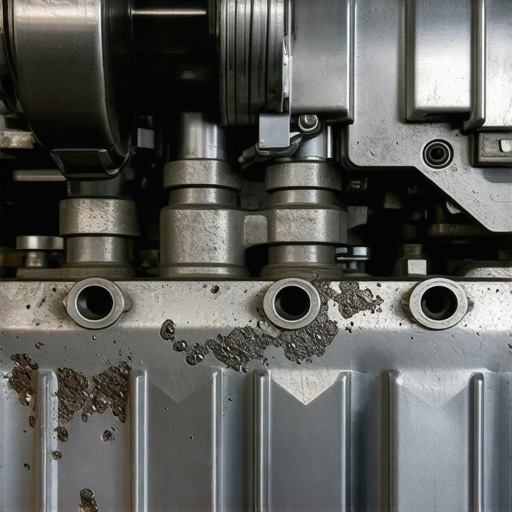
Have you ever popped open your hood after a quick oil change, only to notice that familiar, faint burning smell or a strange metallic sound? I’ve been there. That sinking feeling that your engine might be suffering silently. Years ago, I believed that all oil filters were created equal—spending a few extra bucks on a brand name seemed unnecessary. But then, a rough idle and fluctuating oil pressure forced me to dig deeper. What I uncovered shocked me—there’s a dirty little secret behind budget oil filters that every car owner should know.
Unmasking the Cost of Cutting Corners on Oil Filters
Is Saving a Few Dollars Actually Worth the Risk?
At first glance, opting for the cheapest oil filter seems like a smart way to save money. But here’s the thing: these low-cost filters often use inferior materials and lack proper filtration media. That means they can let dirt, metal particles, and even degraded oil pass through, wreaking havoc on your engine’s vital components. Early in my own experience, I made the mistake of trusting generic replacements, only to find that my engine’s performance declined within a few thousand miles. I now know that a poor-quality filter can become a catalyst for accelerated engine wear, resulting in costly repairs down the line.
Research from the American Petroleum Institute highlights that contaminated oil is one of the leading causes of engine damage. And yet, many vehicle owners overlook the importance of a quality filter, believing all brands serve the same purpose. The reality? A cheap filter might seem economical upfront, but can cost you a lot more in the long run—especially when your engine starts to slip, misfire, or even seize.
If you’ve experienced strange noises after an oil change or noticed your vehicle’s performance decline faster than expected, you’re not alone. The good news is that choosing a high-quality filter and understanding what to look for can make all the difference. Stick around, because next, I’ll guide you through the signs your engine is suffering from inferior filtration, and how you can prevent this sneaky damage before it’s too late.
**Ready to protect your engine? Let’s get started!**
Select High-Quality Oil Filters to Protect Your Engine
Start by researching trusted brands that meet or exceed OEM standards. Look for filters with robust filtration media and durable materials. When I last replaced my filter, I avoided the cheapest options and chose a reputable brand, which made a notable difference in longevity and engine cleanliness.
Properly Prepare Your Vehicle and Tools
Park your car on a level surface, engage the parking brake, and gather all necessary tools and replacement parts. Wear gloves and safety glasses to protect yourself. During my first DIY oil change, I overlooked this step and faced a minor mess, but preparation streamlined the process significantly.
Drain the Old Oil Safely
Warm up the engine for a few minutes to loosen the oil, then turn off the engine and place a drain pan beneath the oil pan drain plug. Use the correct wrench to loosen and remove the plug, allowing oil to flow out completely. I remember rushing this step and ending up with spilled oil, so slow and steady hands are key.
Remove and Replace the Oil Filter
Locate the oil filter—consult your vehicle manual if needed. Use an oil filter wrench to unscrew it, being careful not to damage the gasket. Before installing the new filter, lightly lubricate its rubber seal with fresh oil. I once forgot to lubricate the seal, which caused a slight leak upon restart, emphasizing the importance of this step.
Refill with Fresh Oil and Reset Maintenance Alerts
Install the new filter securely, then reattach the drain plug tightly. Pour the recommended amount and type of oil into the fill port. After replacing the oil cap, start the engine, let it run a few minutes, then turn it off and check for leaks or drips. Check the oil level and top off as needed. Remember to reset your vehicle’s oil maintenance light—this can often be done through the onboard menu or with a simple scan tool. For complex resets, consider referencing this guide for step-by-step instructions.
Inspect and Test the Vehicle
Take your vehicle for a short drive, then recheck the oil level and look for leaks. Listen for any unusual sounds. This verification ensures your work is solid. I once delayed this final check, which led to a small leak that I caught later—quick testing can save a trip back to the garage.
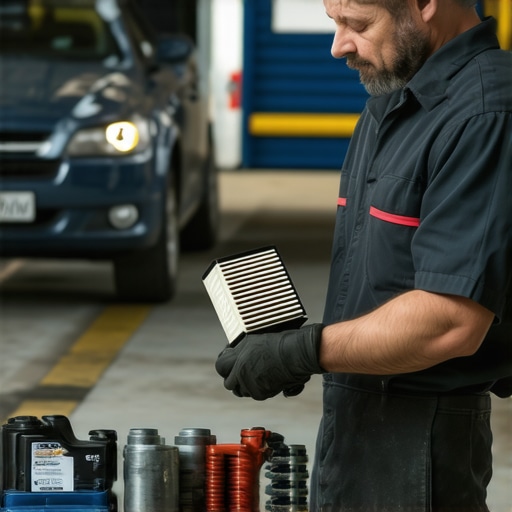 Many car owners assume that vehicle diagnostics, brake servicing, and oil changes are straightforward tasks with simple solutions. However, even seasoned DIYers often overlook nuanced aspects that can lead to costly mistakes. For example, a widespread myth is that scanning for error codes with generic OBD2 tools provides a complete picture of your vehicle’s health. In reality, advanced issues like GDI (Gasoline Direct Injection) system failures or hybrid-specific problems often require sophisticated, manufacturer-specific diagnostic tools to identify subtle faults. Relying solely on basic scanners can lead to missed codes, resulting in incomplete fixes and recurring issues. According to experts from repair specialists, using the correct diagnostic protocol is crucial to pinpointing complex problems accurately.
Another common misconception involves brake service procedures. Many believe that just replacing brake pads is enough to ensure safety, but neglecting to inspect rotors, calipers, and sensors can cause future irregularities like pedal pulsation or sensor ghosting. For instance, improper calibration of brake-by-wire systems is a silent killer—leading to unpredictable braking performance. Advanced readers should consider the subtle interplay between hydraulic and electronic components, especially in 2026 models that integrate smart calipers and electronic parking brakes. Failing to calibrate these systems correctly can jeopardize safety, and even cause sensors to misfire, which might be missed by routine inspections. For more on this, check out this calibration guide.
What many don’t realize is that oil change practices can also be deeply nuanced. The myth of the 10,000-mile oil change interval persists despite evidence that certain engines, like GDI turbos, require more frequent changes to prevent sludge buildup and carbon clogging. Using synthetic oils that are not compatible with older engines can cause new leaks and other complications. It’s less about mileage and more about understanding your engine’s specific needs, especially with advancements in engine technology. Expert studies indicate that tailored maintenance schedules, considering driving habits and engine design, prolong engine life—something that generalized advice often overlooks. Learn more about this concept in this article.
Now, let’s talk about the advanced questions you should ask yourself before diving into repairs. How do modern vehicle systems communicate internally, and how can miscommunication cause diagnostic errors? It’s vital to understand the electronic architecture—especially in hybrid and electric vehicles—because the typical check engine light might mask deeper issues beyond the scope of standard codes. For example, hybrid systems often require specific calibration steps if sensors or control modules are replaced, and skipping these can lead to false alarms or sensor ghosting. For in-depth knowledge, explore this resource on complex system calibration.
Proper diagnosis and repair go beyond surface-level fixes. Recognizing the hidden nuances and avoiding common myths requires both technical understanding and practical experience. As vehicle technology rapidly evolves, staying informed is your best bet to prevent costly errors. Have you ever fallen into this trap? Let me know in the comments.
How do I maintain vehicle diagnostics, brake service, and oil changes over time to ensure longevity?
Investing in the right tools and establishing consistent maintenance routines are crucial for long-term vehicle health. I personally rely on an advanced OBD2 scanner that supports manufacturer-specific codes, such as the OBD-5 scanner. This device not only reads standard error codes but also uncovers hidden issues like GDI system faults or hybrid-specific anomalies, which generic tools might miss. Regular scans every few thousand miles allow me to catch problems early, minimizing costly repairs and preventing breakdowns.
Beyond diagnostics, I use specialized calibration tools for brake systems, especially with modern 2026 models featuring electronic calipers and sensors. The calibration guide helps me reset brake-by-wire systems accurately after replacements or adjustments, ensuring safety and optimal pedal feel. This proactive approach prevents issues like pedal sinking or unexpected brake behavior.
As for oil changes, I avoid the outdated “once every 10,000 miles” myth. Instead, I tailor oil type and change interval based on my driving habits and engine type, especially for GDI turbo engines prone to sludge. Using tools like a high-quality oil thickness gauge helps me verify oil viscosity over time, ensuring proper lubrication without over- or under- filling. For proper long-term results, stay updated with industry trends and manufacturer recommendations—sites like this resource provide valuable insights.
What advancements are shaping future vehicle maintenance?
Looking ahead, vehicle diagnostics are becoming increasingly integrated with AI-driven software and cloud connectivity, enabling real-time monitoring and predictive maintenance. This means that in the near future, your car could alert you proactively about potential issues before symptoms even appear. To prepare, I recommend investing in adaptable tools and staying informed via reputable sources, like the expert insights found here.
By consistently using the right diagnostic tools and following best practices, you can maintain your vehicle’s performance and safety for years to come. Try immediately implementing a diagnostic scan with your existing OBD2 device to spot hidden issues—it’s an easy step that pays off long-term.
Over the years, I’ve learned that the journey of maintaining and repairing vehicles is filled with valuable lessons, often learned the hard way. One of my biggest realizations is that many of the common pitfalls stem from oversimplifying complex systems or trusting generic advice. For instance, assuming that all diagnostic tools are created equal led me to miss critical issues in my car, which could have been avoided with more specialized equipment. Recognizing the nuances and investing in the right tools has dramatically improved my confidence and the longevity of my vehicle.
Lessons That Changed How I Approach Vehicle Care
- Ask the Right Questions: Instead of just reading error codes, I now probe deeper—considering how systems communicate and fail together, especially in modern hybrid or electric models. This shift from surface-level troubleshooting to system-level thinking avoids unnecessary repairs and saves money.
- Value Quality Over Cost: Choosing reputable brands for filters, oils, and diagnostic tools might seem expensive initially, but it pays off by preventing premature engine wear or failed repairs. I’ve seen firsthand how skimping on quality leads to cumulative expenses that far exceed initial savings.
- Stay Updated with Industry Trends: Vehicle technology evolves rapidly. Regularly consulting trusted sources and manufacturer recommendations helps me adapt my maintenance routines, ensuring my car operates at peak performance and safety.
- Embrace Proper Calibration and Diagnostics: I learned that even after replacing components like brake calipers or sensors, recalibration is essential. Resources like this calibration guide have been invaluable for DIY adjustments that match dealership standards.
- Observe and Listen to Your Vehicle: Unusual noises, smells, or performance changes are signals not to ignore. Developing a keen sense of these signs helps catch issues early before they escalate into costly repairs.
My Gear That Keeps Me Ahead of Repairs
- Advanced diagnostic scanner: A tool supporting manufacturer-specific codes, like the OBD-5 scanner, has been transformative in diagnosing subtle issues, especially in complex systems like GDI engines.
- Calibration devices: For modern braking systems, calibration kits ensure that electronic calipers and sensors function correctly post-maintenance, preventing safety compromises. Check out this resource for calibration tips.
- Quality lubricants and oils: Selecting the right oil based on engine specifications and driving habits prolongs engine health. The myth of “changing oil every 10,000 miles” I dispelled by tailoring schedules to my vehicle’s needs, especially for GDI turbos, with insights from this article.
- Educational Resources: Continually learning from reputable sites and forums keeps me aware of emerging issues and solutions, empowering me to handle repairs confidently.
Embrace the Future with Confidence
The realm of vehicle diagnostics, brake service, and auto repair is evolving rapidly—powered by AI, connectivity, and smarter tools. Being proactive today prepares you for the innovations tomorrow. Remember, the most important step is to start applying what you’ve learned now. Regular diagnostics, quality parts, and a curious mindset will keep your vehicle running smoothly and safely for years to come. Are you ready to take the reins of your vehicle’s health? Share your experiences or questions below—let’s learn together!