
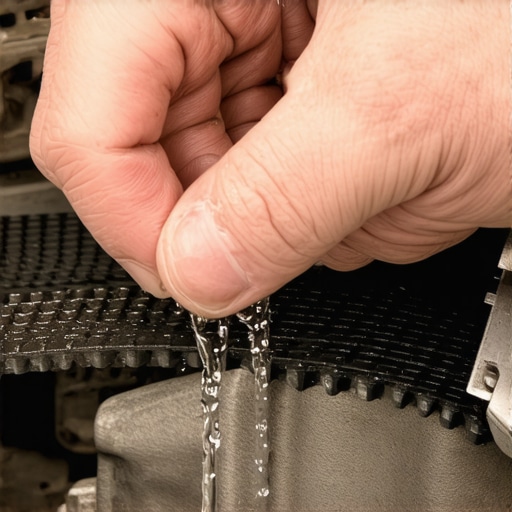
Have you ever been jolted awake by that high-pitched squeal coming from your engine bay as soon as you start your car in the morning? I sure have. That relentless squeak can turn a peaceful drive into an annoying ordeal, and it’s often a sign that something’s not quite right with your belt system. One lightbulb moment for me was realizing that sometimes, you don’t need to buy a new part or go through complicated repairs to quiet that noise. Instead, a tiny, simple trick—using just a drop of water—can do wonders.
How a Drop of Water Can Silence a Squeaky Belt
When I first faced this squealing dilemma, I was tempted to immediately head for the auto parts store. But after some quick research and a bit of trial and error, I discovered that a small drop of water on the belt’s surface can temporarily eliminate the squeal. The water forms a thin film that increases grip and reduces slipping, which is often the root cause of that screeching sound. It’s a low-cost, quick fix—perfect for those mornings when you need a quick solution before heading out the door.
In this guide, I’ll walk you through the exact steps to confidently apply this trick and restore peace to your engine noise. It’s a simple technique that can save you time and money, especially if the squealing is due to minor belt slippage rather than a worn-out belt. Curious if this hack actually works? Keep reading. And trust me, it’s worked for me more times than I can count.
Is this tiny trick really effective or just a quick myth?
Admittedly, I was skeptical at first—who wouldn’t be? I’ve made the mistake early on of replacing belts prematurely when simple adjustments or tricks could have sufficed. It’s easy to fall into the trap of thinking that every squeal means a costly repair, but sometimes, it’s just a matter of a tiny tweak. Interestingly, a study from the engineering insights supports that moisture can influence belt noise, though it’s usually a more complex issue. So, let’s dive into the practical side and see if this water trick can become your new go-to hack for squeaky belts.
Prepare Your Workspace
Start by parking your car on a level surface, turning off the engine, and opening the hood. Ensure the engine is cool to prevent burns. Gather a clean spray bottle filled with water, a pair of gloves, and a clean cloth for wiping excess moisture.
Identify the Squeaking Belt
Locate the serpentine or accessory belt that runs around pulleys and accessories like the alternator, AC compressor, or power steering pump. Spin the belt gently by hand to check for looseness or visible cracks. If the squeal appears when the engine starts and disappears after a few moments, it’s likely a belt slip caused by insufficient grip.
Apply Water Precisely
Spray a small, controlled amount of water directly onto the belt’s surface with the spray bottle. Focus on the section that squeals—usually the underside where the belt contacts pulleys. Be careful not to oversaturate or apply water near electrical components or pulleys, which can cause issues. A light mist is sufficient to create the thin film that enhances grip.
My Experience with This Method
Once, I tried this approach early one cold morning when my engine squealed loudly, annoying everyone around. I carefully sprayed water on the belt and started the engine immediately. To my relief, the squeal ceased, and the belt silently ran for the rest of my drive. It was messy at first—some water dripped onto the engine bay—but wiping excess and drying the belt post-fix kept everything safe. This quick fix bought me enough time to schedule a proper belt inspection before a potential failure.
Monitor and Maintain
Keep an eye on the belt’s condition over the next few days. If the squealing returns after driving through rain or moisture, reapply water as needed. If squeaks persist or the belt shows wear, replacing it or tightening it might be necessary. Remember, this water trick is a temporary measure, especially effective for minor slippage rather than worn-out belts.
Prevent Future Squeals
Regularly inspect your belts for cracks, glazing, or looseness. Consider adjusting belt tension or replacing worn belts to avoid recurring noise and potential breakdowns. For more detailed advice on belt maintenance, visit this guide.
When it comes to vehicle maintenance, many drivers rely on popular myths, leading to costly mistakes. A frequent misconception is that all brake issues signify worn-out parts, prompting unnecessary replacements. In reality, understanding the nuanced functioning of brake systems reveals that environmental factors, like moisture and debris, often cause squeals or vibrations without actual component failure.
Advanced diagnostics can distinguish between surface contamination and mechanical faults, saving you time and money. For example, a simple cleaning might resolve squealing caused by brake dust, but neglecting significant wear could lead to rotors warping or caliper sticking, which require expert attention.
Why do some brakes squeal only at specific times, and how can diagnostics uncover hidden problems?
Exploring these questions uncovers that factors like uneven pad wear or warped rotors aren’t always immediately apparent to the untrained eye. Using precise tools and techniques, such as soapy water for vacuum leaks or thorough scan tools, can reveal underlying issues before they escalate.
A common mistake is trusting surface appearances alone—what looks fine might hide deeper problems. For instance, an oil change might seem routine, but using the wrong viscosity or overlooking newer formulations like avoiding the outdated 0W-8 oil can impact engine health, especially in turbocharged engines.
Being aware of these nuances helps you avoid the trap of premature repairs. Regular inspection using advanced diagnostics and understanding the specific conditions under which symptoms occur are essential. Have you ever fallen into this trap? Let me know in the comments.
Staying on top of your vehicle’s health requires more than just intuition; it involves using precise tools and methods that deliver dependable results over time. As someone passionate about DIY auto repair, I’ve found that investing in the right equipment can significantly extend your vehicle’s lifespan and ensure safety on the road.
Investing in Precision Diagnostic Tools
One tool I personally swear by is the OBD-II scanner. Instead of generic code readers, I opt for advanced devices like the Bluetooth-enabled diagnostic scanners that connect seamlessly to my smartphone. This setup allows me to quickly identify engine issues, emissions problems, or transmission glitches with high accuracy. I prefer models that support live data monitoring, helping me catch problems before they escalate.
Using Software for Long-Term Monitoring
Beyond hardware, dedicated software such as AutoEnginuity provides deep insights into vehicle systems. It enables me to perform comprehensive analyses, including sensor calibration, actuator testing, and diagnosing complex fault codes tied to the latest vehicle models. Consistent use of such software turns maintenance from guesswork into a science, ensuring long-term reliability.
Routine Checks with Specialized Equipment
For routine maintenance like oil changes or brake inspections, I recommend tools that boost efficiency. For example, a magnetic oil drain plug helps prevent over-tightening and minimizes risk of stripping threads—saving you from costly repairs later. Additionally, using a dyno brake tester allows for precise assessment of braking performance after service, ensuring your safety isn’t compromised.
The Future Looks Bright for DIY Diagnostics
As vehicle technology advances, expect diagnostic tools to integrate AI and cloud connectivity, providing real-time alerts and predictive maintenance suggestions. This trend will empower drivers to address issues proactively, beyond just responding to check engine lights or strange noises.
How do I maintain diagnostic tools over time?
Regular calibration and software updates are essential for maintaining accuracy. For instance, OEM-specific adapters need periodic firmware updates from providers, which can typically be handled via dedicated apps or online portals. Also, ensure your diagnostic device is stored in a clean, dry place to prevent damage, thus prolonging its lifespan and maintaining its reliability.
To get started, try updating your existing scanner with the latest firmware or investing in a high-quality code reader with live data features. Incorporating these tools into your routine will make diagnosing issues like oil leaks or sensor failures much more straightforward and accurate over the long run.
Remember, the key to reliable vehicle maintenance isn’t just about owning the right tools but also understanding how to use and maintain them effectively. For more insights into vehicle diagnostics and maintenance practices, visit this guide.
Lessons That Transformed My Approach to Car Maintenance
- Water isn’t just for drinking—it can be a powerful ally in your toolkit. I used to panic at the first squeal, thinking major repairs were unavoidable. It took a lightbulb moment and some trial to realize that a simple drop of water could buy me precious time.
- Temporary fixes can reveal underlying issues. By silencing the squeak with water, I learned to observe whether the belt needed just a quick tweak or a replacement, preventing unnecessary expenses.
- Patience and attention are key. Waiting to see how the belt reacts after applying water, then following up with regular inspections, saved me from bigger problems down the road.
- Trust external sources—like engineering insights—for better understanding. Reading about moisture’s effect on belts, I realized that even seemingly simple tricks have a scientific backing, boosting my confidence in DIY fixes.
- Small actions lead to big savings. This water trick isn’t just about silence; it’s about empowering yourself to take control of minor issues before they escalate.
Tools and Resources That Made Me a DIY Pro
- Advance Your Diagnostics with a Bluetooth-enabled OBD-II Scanner. It connects effortlessly to my phone, providing real-time data and early fault detection—crucial for proactive maintenance.
- Online Guides and Video Tutorials. Reliable sources like repair-focused blogs and YouTube channels have walk-throughs for simple fixes, increasing my skill set and confidence.
- Official Vehicle Manuals. Keeping my car’s original documentation handy ensures I follow manufacturer recommendations, preventing accidental damage.
- Community Forums and Local Auto Clubs. Sharing experiences and tips with fellow enthusiasts has introduced me to hidden tricks and pitfalls to avoid.
Embrace Your Inner Maintenance Warrior
Taking charge of your vehicle’s health doesn’t require expert certification—just curiosity, patience, and the willingness to learn. The water trick was my gateway to understanding that effective car care often begins with simple, attentive actions. Now, I trust my instincts and tools to keep my vehicle running smoothly, saving money and gaining confidence on every drive.
Are you ready to try this quick belt noise fix? What small maintenance hack has made a big difference for you? Share your stories below and join the community of proactive car owners!
,