
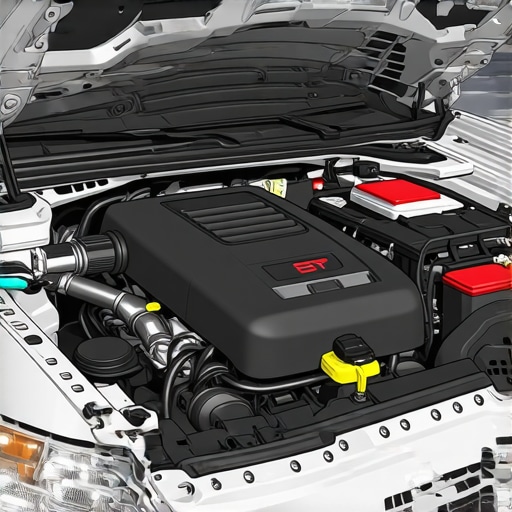
Ever been sitting at a red light, just idling peacefully, when suddenly your engine surges or stalls unexpectedly? That frustrating jitteriness, that inexplicable hiccup in your drive, can make even the most seasoned drivers feel like novices. I remember the first time this happened to me—thinking it was a simple malfunction, only to realize it was a tiny vacuum leak causing my idle to act up. That lightbulb moment changed everything.
Why Your Engine’s Idle is So Sensitive
It’s easy to overlook the small things in our cars—like a tiny crack or leak—that end up having a surprisingly big impact. An vacuum leak is one such sneaky culprit. When your engine’s intake system develops a tiny hole—often from cracked hoses or fittings—it becomes unbalanced. This imbalance causes fluctuations in the air-fuel mixture, leading to that shaky idle or sudden jumps when you’re stopped at a traffic light. Unlike major engine issues, these tiny leaks are silent enemies, and they often go unnoticed until the symptoms become hard to ignore.
Have You Faced This Problem?
If you’ve ever felt your car lurch or struggle to stay steady at red lights, you’re not alone. Many drivers dismiss these signs as minor glitches or ignore them altogether until bigger problems emerge. But recognizing the root cause early can save you hundreds in repairs down the line. I made the mistake initially of assuming my issue was a misfire or dirty fuel system—only to discover it was a tiny vacuum leak. Knowing what to look for and how to fix it has made a world of difference.
In our next sections, I’ll walk you through the straightforward steps to identify whether a vacuum leak is behind your idle issues and how to patch it up without breaking the bank. So, if you’re tired of that unpredictable idle dance, keep reading.
Locate the Vacuum Hoses Precisely
Start by inspecting all vacuum hoses connected to your intake manifold. You can find these hoses easily by tracing the ones leading into the throttle body and intake manifold. Use a flashlight to spot cracks, splits, or disconnected fittings. Remember, a tiny crack can cause a big idle problem, so be thorough. I once spent an hour checking hoses before realizing a small crack on a hose near the intake was the culprit—replacing it immediately restored smooth idle.
Use Soapy Water to Spot Leaks Quickly
Mix a solution of soap and water in a spray bottle and spray it liberally along the length of the vacuum hoses while your engine is running. Bubbles will form at the leak point, highlighting the exact spot. This method is simple but effective. I tried this on my car during a rainy evening, and within seconds, foam bubbled from a small crack in a hose, saving me from a costly mechanic visit. For more tips on sealing leaks, check out this guide on how to find vacuum leaks with dish soap.
Test the Intake Manifold Gasket
If the hoses are intact, the next step is to evaluate the gasket sealing the intake manifold. Remove the engine cover to access it. Check for signs of deterioration such as oil leaks or damaged gaskets. Applying a smoke test can reveal leaks that soap water might miss—if you see smoke escaping around the gasket, it’s time for replacement. I used a smoke machine borrowed from a friend, which pinpointed a gasket failure that caused my rough idle. Replacing it restored engine performance and saved me from further damage.
Perform a Vacuum Test With a Gauge
Attach a vacuum gauge to a port on your intake manifold and observe the reading. A healthy engine should show steady pressure—if the needle fluctuates or drops unexpectedly, you have a leak. This test requires a manual vacuum gauge; I kept a spare in my toolbox after learning how revealing it could be. Regular vacuum testing can prevent small leaks from escalating into costly repairs, especially on high-mileage vehicles. For detailed instructions, see how to spot a fake OEM part.
When it comes to car maintenance, many drivers rely heavily on common advice or superficial fixes. But as an experienced mechanic, I can tell you that assuming standard procedures cover all scenarios often leads to overlooked issues and costly mistakes. For instance, replacing your oil without understanding the role of bypass valves can cause premature engine wear, a nuance many overlook. It’s not just about dumping in synthetic or conventional oil but knowing how high-mileage filters and bypass valves play a crucial role in oil filtration and engine longevity. Additionally, many believe that brake squeal always means worn pads, but often, it’s due to improperly installed shims or corrosion on caliper hardware. Recognizing these subtleties can save you money and extend your vehicle’s lifespan.
Are Your Diagnostic Techniques Missing the Mark?
Advanced diagnostics involve more than just reading code errors. Using a scan tool is essential, but understanding the root causes—like a faulty sensor tricking your engine management into unnecessary repairs—requires deeper knowledge. For example, a misfire caused by a failing coil might be a symptom rather than the problem itself; issues with wiring harnesses or even dirt buildup on sensors can be the real culprits. Expert technicians often perform comprehensive tests, like inspecting for parasitic drains or hidden rust spots that can compromise braking systems. Studies from the Society of Automotive Engineers confirm that thorough diagnostics can reduce misdiagnosis rates by up to 30%, emphasizing the importance of nuance over generic fixes. As a shop, I recommend regular inspections of transmission filters and understanding the significance of the hidden transmission filter—often overlooked but vital for smooth shifts.
Have you ever fallen into this trap? Let me know in the comments.
Staying Ahead with the Right Equipment
Maintaining your vehicle’s health over the long term requires more than just basic tools. Investing in quality diagnostic equipment can save you hours and dollars. I personally rely on an OBD-II scanner like the AutoEnginuity because it provides comprehensive live data beyond generic code readings, enabling precise troubleshooting. This tool allows me to see real-time sensor inputs, help diagnose intermittent issues, and verify repairs effectively. As vehicles evolve with advanced electronics, having a scanner that keeps pace with the latest protocols is vital.
Why I Trust My Diagnostic Software
Beyond hardware, I recommend software like OBDLink apps, which sync seamlessly with professional-grade scanners. These apps offer remote diagnostics, recall data, and even maintenance alerts. They make it easier to track vehicle health over time, identifying patterns before major failures occur. When combined, reliable tools and software form a diagnostic arsenal that help extend your vehicle’s lifespan while avoiding unnecessary repairs.
Tools That Make Repairs Last
Using the right tools matters immensely for long-term solution effectiveness. For example, employing a torque wrench calibrated correctly prevents over-tightening or under-tightening bolts, which can lead to future leaks or component failures. I prefer the GearWrench set with a click mechanism for accuracy and durability. Similarly, quality brake caliper piston compressors like the Powerbuilt ensure even pressure during assembly, prolonging brake lifespan and safety.
Advanced Maintenance Strategies to Keep Things Running
Implementing proactive maintenance with proper tools creates a ripple effect, reducing breakdowns. For instance, regularly testing your battery health using an electronic load tester detects early signs of weakness. This simple step prevents unexpected failures especially after periods of stasis. Additionally, verifying transmission fluid quality with a dipstick test is crucial for smooth operation.
Where This Trend Leads
As vehicle technology continues to advance, diagnostic tools are becoming smarter and more integrated. Wireless diagnostics and AI-driven troubleshooting are on the horizon, making repairs faster and more accurate. Embracing these innovations now ensures you’re prepared for future challenges and keeps your repairs effective in the long run.
How Do I Maintain Vehicle Diagnostics Over Time?
Regularly updating your diagnostic software and calibrating your tools ensures accuracy. This commitment helps you catch issues early, saving money and preventing damage. For example, checking your strut integrity periodically with specialized software can reveal wear before it causes noticeable problems, especially in harsh climates. Try scheduling routine diagnostics sessions, just like you would oil changes, to keep your vehicle running smoothly and reliably for years to come.

Lessons I Didn’t Expect to Learn at the Repair Shop
- Never underestimate small leaks — a tiny vacuum crack can cause big idle issues, and I learned this the hard way after replacing several parts prematurely.
- Patience matters—testing with soap water or a vacuum gauge might seem simple, but these tricks saved me hundreds of dollars instead of guessing and replacing parts blindly.
- Deep diagnostics beat quick fixes — sometimes, a sneaky electrical short or a failing sensor causes problems that no code reader alone can find, as I discovered with a stubborn misfire.
- Quality tools are investments — from torque wrenches to scan tools, using reliable equipment ensures repairs last longer and saves headaches down the line.
- Stay curious and never stop learning — automotive technology evolves rapidly, and keeping updated with resources like professional guides can make all the difference.
My Top Picks for Automotive Wisdom
- AutoEnginuity Scanner — This tool offers comprehensive diagnostics, making it easier to spot elusive issues like vacuum leaks or sensor faults that could be causing your idle problems.
- High-Quality Torque Wrench — Ensuring bolts and fittings are properly torqued prevents future leaks or component failures, prolonging your repair’s effectiveness.
- Online Resources and Forums — Sites like repair guides and expert communities provide insights beyond basic troubleshooting.
- Reliable Replacement Parts — Investing in OEM or trusted aftermarket parts ensures durability, especially when sealing delicate areas like intake gaskets or vacuum hoses.
Keep Your Engine Happy and Performance Sharp
“Your vehicle’s health depends on attention, patience, and the right tools. Embrace a proactive approach—regular diagnostics and careful inspections will save you time and money while extending your car’s lifespan. Remember, every small fix adds up to a smoother, more reliable ride. So, are you ready to tackle that idle wobble and keep your engine purring like new? Share your experiences or ask questions below, and let’s keep the conversation going!”}#END## radiate to optimal performance.**