
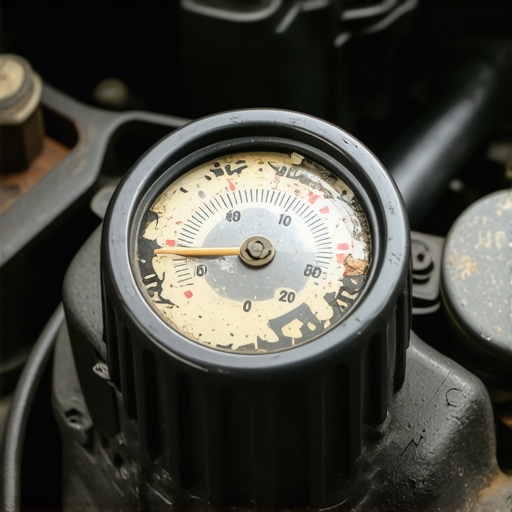
I remember the first time I drained my trusty old car’s oil, only to realize that the engine sounded rougher than usual. That nagging feeling crept in—was I using the wrong oil? It hit me that my engine’s high mileage and age might require a different approach. This lightbulb moment led me down a rabbit hole of research, experiments, and yes—some mistakes!
The Oil Weight Secret Older Engines Will Love
Today, I want to share a revelation I stumbled upon that transformed my engine’s performance. For vehicles with high mileage, choosing the right oil weight isn’t just about sticking to what the manual recommends. It’s about understanding what your engine truly needs to stay smooth and reliable. And trust me, getting this right can extend your engine’s life, save you costly repairs, and even improve fuel efficiency.
Could Your Oil Be Sabotaging Your Engine’s Health?
Early in my journey, I made the mistake of blindly following the ‘next size up’ or ‘market hype’, thinking thicker oil would add needed cushioning. Spoiler: It often doesn’t. A mistake many car owners make is ignoring the specific nuances of high-mileage engines. For instance, many engines develop leaks or burning oil as they age, which can be mitigated by tweaking oil weight. In fact, improper oil selection can accelerate wear and tear, leading to expensive repairs. Properly tailored oil weight not only keeps your engine running smoothly but also prevents issues like rough idling, knocking, or increased emissions.
If you’re unsure whether your current oil weight is best suited for your high-mileage vehicle, you’re not alone. Many drivers stick to the manufacturer’s specs without considering the engine’s changing needs over time. This is where a simple adjustment in oil weight can make a noticeable difference.
So, today, we’re going to explore how to determine the best oil weight for your older engine and how to avoid the common pitfalls that can jeopardize your engine’s longevity. Ready to give your trusty ride the care it deserves? Let’s dive into the practical steps to optimize your oil choice.
Assess Your Engine’s Current Condition
Start by inspecting your engine for signs of wear, leaks, or burning oil. If your engine burns oil faster or leaks persist, consider that the oil weight may need adjustment. Remember, high-mileage engines often benefit from a slightly thicker oil to cushion aging components and reduce leak severity.
Identify the Correct Oil Viscosity
Consult your vehicle’s manual first, but also consider your engine’s unique needs. For older engines, moving from the recommended 5W-30 to 10W-30 or 10W-40 can improve lubrication. Think of it like choosing the right pair of shoes; thicker oil provides more protection but may slightly impact fuel economy.
Perform an Oil Level and Quality Check
Before changing anything, ensure your oil level is within the appropriate range and that the oil isn’t contaminated or degraded. Use a clean dipstick, wipe it, dip it back, and check the level. A clean sample indicates healthy oil, while dirty or thin oil suggests it’s time for a change.
Change to the Selected Oil Weight
Drain the old oil carefully, following the proper procedure: loosen the drain plug without over-tightening to avoid stripping the threads. For detailed steps, see how to fix a stripped oil pan bolt. Replace the drain plug securely, avoiding cross-threading, and refill with the new oil of chosen weight.
Remember to Replace the Oil Filter
A fresh filter is crucial when changing oil weight. Use an OEM or high-quality filter, ensuring it fits your vehicle. This ensures contaminants don’t circulate with the new oil, preventing premature engine wear.
Monitor Your Engine’s Response
After the oil change, start the engine and let it idle. Check for any leaks around the drain plug and filter. Observe how your engine sounds and runs. If you notice rough idling or knocking, reconsider your oil choice. Small adjustments can yield significant benefits—like smoother operation and extended engine life.
Consider Complementary Maintenance
Sometimes, adjusting oil weight isn’t enough. Check your spark plugs, air filter, and coolant levels to optimize performance. Regularly inspect brake fluid and transmission fluid as part of a holistic maintenance approach.
Stay Informed on Oil Trends
Technologies evolve, and so do oil formulations. Keep abreast of new high-mileage oils and improvements. Subtle benefits, like better viscosity stability, can make a difference over the vehicle’s lifespan.
When it comes to vehicle maintenance and repair, many car owners operate under misconceptions that can lead to costly mistakes. Let’s explore some myths and overlooked details in brake service, diagnostics, oil changes, and overall auto repairs. A frequent misconception is that all brake pads are created equal; in reality, choosing the wrong type for your driving style can compromise safety and longevity, especially if you overlook the importance of proper rotor inspection. Many believe that vehicle diagnostics are foolproof; however, relying solely on generic scan tools without understanding specific sensor behaviors or the nuances of fault codes can lead to misdiagnosis.
What Are Advanced Error Codes Telling Us That We’re Missing?
Expert sources highlight that failure to interpret diagnostic trouble codes in context can cause you to overlook critical issues, potentially resulting in engine damage. For instance, a P0171 code indicating fuel system trouble might be mistakenly attributed to a simple leak when, in fact, a faulty sensor or vacuum leak could be the real culprit. When it comes to oil changes, the common myth is that more frequent oil changes always mean better engine health. While routine oil changes are essential, excessively frequent changes with low-quality oil might not be cost-effective, and neglecting to use the correct viscosity can accelerate engine wear. Moreover, some believe that topping off engine oil is sufficient between changes, but adding the wrong oil type can disturb the oil’s additive balance and lead to increased engine wear.
How Can Overlooking These Details Damage Your Car?
For example, ignoring signs of uneven tire wear or misaligned wheels can cause premature brake wear, or failing to replace a cracked radiator or worn belts during diagnostics can lead to overheating and significant engine damage. Often overlooked is the importance of inspecting rubber hoses and seals; small cracks may seem insignificant but can cause vacuum leaks or coolant loss, undermining repair efforts. Keep in mind that superficial fixes, like just replacing worn brake pads without addressing underlying caliper issues, can lead to rapid deterioration. The key is understanding that each component and diagnostic code has a deeper story that, if missed, could cost you far more down the road. For instance, neglecting to check for signs of a blown head gasket after noticing coolant in the oil can save you from engine overhaul expenses. Check out this article on why your new tires are worn on the inside edge, which demonstrates how small overlooked issues can snowball into major repairs. Always dig beneath the surface—what appears to be a simple fix may have underlying nuances that require expert attention. Have you ever fallen into this trap? Let me know in the comments.
Keeping It Working: Essential Tools and Practices for auto enthusiasts
Maintaining your vehicle’s optimal performance requires more than just basic know-how. Investing in the right tools and adopting precise methods can dramatically extend your car’s lifespan and ensure safety on the road. Personally, I rely on a combination of high-quality diagnostic software like Autel MaxiSys and durable physical tools such as a torque wrench set for accurate tightening, especially when replacing critical components like brake calipers or engine mounts. These tools help me avoid common pitfalls like over-tightening, which, as discussed in this article, can lead to stripped threads and costly repairs.
In addition, using a diagnostic scanner with live data enables real-time monitoring of engine parameters, helping identify issues like sensor failures before they manifest into major problems. For example, catching a subtle misfire pattern early can save hundreds in repairs, especially when combined with regular inspection of components like vacuum lines and hoses. Adopting these practices keeps your vehicle reliable and safe for years to come.
Predicting Future Trends in Vehicle Maintenance Tools
Looking ahead, the integration of machine learning with diagnostic tools promises even smarter vehicle health assessments. Systems will dynamically learn a specific vehicle’s baseline, alerting you immediately if something deviates, even slightly. This proactive approach will shift maintenance from reactive repairs to preventive care, potentially saving thousands and reducing breakdowns significantly.
How do I maintain vehicle diagnostics over time?
Regularly updating your diagnostic software and calibration is crucial to ensure the most accurate readings. Additionally, complement diagnostics with routine physical inspections—checking fluid levels, belt conditions, and brake system health. Don’t forget to regularly inspect your brake system for wear and leaks, ensuring safety and longevity. Combining advanced tools with consistent maintenance routines keeps your vehicle performing reliably for many miles ahead. Remember, a proactive maintenance strategy can make all the difference in avoiding unexpected breakdowns or costly repairs—so invest wisely in both your tools and your process.
Lessons That Changed My Approach to Car Care
- One tough realization was that high-mileage engines require tailored oil choices—not just generic recommendations. This shift in mindset saved me from premature repairs and kept my engine running smoothly longer.
- I learned that overlooking small signs like minor leaks or odd noises can snowball into big expenses. Listening closely to my car’s warning signs and adjusting my maintenance routine made a real difference.
- Discovering the significance of the right oil weight taught me that powerful equipment needs precise fueling—sometimes, a thicker oil isn’t a sign of neglect but a smart move for aging parts.
- Taking time to understand diagnostic trouble codes prevented costly misdiagnoses. Trusting expert resources and following a systematic approach yielded better, safer repairs.
- Investing in quality tools, like a reliable scan tool and torque wrench, empowered me to perform key maintenance tasks confidently, prolonging my vehicle’s lifespan and safety.