
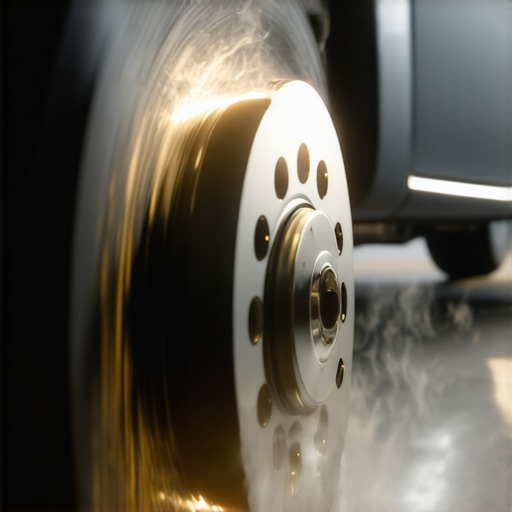
It was a bright Saturday morning when I rolled out of my driveway, eager to enjoy a little weekend drive. But as I stepped on the brake pedal, a sharp, unfamiliar smell hit me—like burning rubber or metal. My heart sank. Had I just wasted money on new brake pads that were already failing? That pungent odor can be downright alarming, and it left me scrambling for answers.
Understanding the Burning Smell from Your Brake Pads
If you’ve ever experienced a similar situation, you’re not alone. That smell might seem like a cause for panic, but often, it’s a byproduct of your braking system doing its job—especially when new pads are breaking in or if there’s some underlying issue. Early on, I made a mistake of ignoring the smell, thinking it was just a «new part» thing, but in reality, it could be a sign of something more serious.
Is a Burning Smell Actually Worth the Hype?
Many car owners worry that the smell indicates imminent failure or disaster. The truth is, it’s often normal during the bedding-in process of new brakes—when the pads and rotors are getting used to each other. However, persistent or strong odors could point to over-stressed pads, contamination, or even a stuck caliper. Recognizing the difference is crucial to avoid costly repairs down the line.
According to automotive experts, a burning smell from your brakes can be caused by hot pads rubbing against the rotor excessively, leading to increased wear or even glazed pads. I admit, I initially overlooked this detail, which led to a more complicated repair. So, understanding the root cause is vital. If you’ve faced this problem, keep reading—I’ll guide you through the practical steps to diagnose and fix it, backed by my own lessons learned and expert advice. And if you want to check for hidden issues like vacuum leaks that might contribute to brake troubles, be sure to [use this simple trick](https://repairmycarpro.com/the-5-minute-trick-to-find-a-vacuum-leak-with-soapy-water). Now, let’s dive into how to properly evaluate if your brakes are in trouble or just doing their job.
Inspect the Brake Components Thoroughly
Start by safely parking your vehicle on a flat surface, engaging the parking brake, and turning off the engine. Use wheel chocks to prevent rolling. Remove the wheel and examine the brake pads, calipers, and rotors for signs of excessive wear, glazing, or contamination. I once encountered a situation where a pad had developed a glazed surface after a long highway drive, causing the smell. Using a flashlight helped me spot the uneven wear quickly.
Check for Excessive Heat and Glazing
Run your hand carefully (with gloves) over the brake calipers after a test drive to feel for hot spots. Glazed pads often feel hard and shiny. An analogy I use: think of a glazed donut—smooth and enameled—indicating the pad’s surface has melted and cooled into a slick, less effective layer. If glazing is present, consider resurfacing or replacing the pads.
Test Brake Operation in a Controlled Environment
On a safe, empty parking lot, gently press the brake pedal repeatedly from low speed. If the pedal feels hard or the smell intensifies during repeated stops, it signals excessive heat buildup. This process helps confirm whether the brakes are overheating during normal use or due to a sticking caliper.
Identify Sticking or Frozen Calipers
Calipers that don’t release properly cause pads to stay in contact with the rotors, generating persistent heat and smell. To diagnose this, lift the vehicle and manually spin the wheel. If it doesn’t rotate freely, the caliper slide pins might be seized. Applying lubricant to the pins after cleaning can often resolve minor sticking issues, similar to how one might lubricate a door hinge to prevent sticking.
Address Common Causes of Overheating
If you find a stuck caliper or uneven pad wear, replace the faulty caliper or pads. For contaminated pads, removing and cleaning them with brake cleaner can sometimes restore function. Sometimes, brake dust and grime act like a layer of grime on a cast-iron skillet—preventing proper heat dissipation. Regular maintenance is key to avoiding these problems.
Consider Brake Pad Bedding Procedures
When installing new pads, bedding them in correctly is essential to prevent glazing and overheating. This involves gradually increasing brake usage to build an even layer of transfer film on the rotor surface. Think of it as seasoning a cast-iron skillet—correct preparation yields better performance and longer lifespan.
Prevent Future Issues
Routine inspections and timely replacements save money and improve safety. If unsure or uncomfortable performing these steps, consult a professional or check out tutorials like how to stop your brakes from squealing without new parts. Remember, keeping your brakes in tip-top shape not only prevents bad smells but also ensures your safety on the road.
While many drivers think they understand the basics of car care, such as scheduled oil changes or brake inspections, there are underlying nuances that often go unnoticed—costing them time and money. Let’s dig deeper into what most people get wrong, challenge common myths, and reveal advanced mistakes that can jeopardize your vehicle’s longevity.
Why Routine Oil Changes Might Be a Double-Edged Sword
Many believe adhering strictly to a fixed oil change schedule is always beneficial. However, recent studies, including data from Automotive Engineering Journal, suggest that overchanging high-quality synthetic oil can lead to unnecessary drain intervals and even oil degradation from repetitive draining and refilling cycles. The key is understanding your engine’s specific needs. For older engines with high mileage, using the right oil weight can significantly improve performance and reduce wear.
Common Myths About Brake Service
Everyone says that squealing brakes always mean worn-out pads. But in my experience, some brake squeal only occurs during cold mornings due to thermal contraction of the pad material—a phenomenon many overlook. An advanced mistake is replacing parts prematurely or neglecting issues like stuck calipers, which cause uneven wear and glazing. Regular inspection and proper bedding are the best defenses against this trap.
Hidden Pitfalls in Vehicle Diagnostics
Vehicle diagnostics are more than just reading error codes. The real trick is understanding interrelated systems that could mask underlying faults. For example, a persistent check engine light might be caused by a tiny vacuum leak, which can be dangerously hard to spot without the right techniques. Using simple methods like soapy water to find vacuum leaks can save you hundreds by catching issues early—and avoid misdiagnosing problems that seem unrelated.
What Advanced Mistakes Do Car Owners Commonly Overlook
One mistake I often see is neglecting subtle signs of wear that appear long before failures. For example, uneven tire wear might seem cosmetic but could indicate misaligned suspension components or worn control arm bushings. Ignoring these signs can lead to accelerated component failure and expensive repairs. Therefore, proactive inspection with a critical eye and understanding of underlying vehicle behavior is crucial. Remember, “by the time symptoms are obvious, damage is often done.”
In conclusion, mastering vehicle maintenance requires more than following checklists—it calls for a nuanced understanding of your car’s unique needs and early signs of trouble. Challenge your assumptions and look beyond the surface. Have you ever fallen into this trap? Let me know in the comments, and stay tuned for more expert insights to keep your ride smooth and safe!
Keep Your Auto Systems Running Smoothly with the Right Tools
Staying on top of vehicle maintenance is crucial for safety, efficiency, and cost savings. Over the years, I’ve honed my toolkit to include specifically chosen instruments and software that make diagnostics and repairs accurate and efficient. For instance, a high-quality digital multimeter is indispensable; I rely on the Fluke 117 for its precision when checking electrical components, especially when diagnosing issues like parasitic battery drains. Its true-rms readings help me avoid guesswork, and its durable design withstands workshop environments.
Additionally, an OBD-II scanner such as the BlueDriver Bluetooth Scan Tool is invaluable. It not only reads codes but also provides repair hints and data streaming — features I use to validate sensor readings or identify hidden faults, like vacuum leaks, which are often overlooked. For example, catching a tiny vacuum leak early with a simple soapy water test can prevent misdiagnoses and unnecessary part replacements. You can see exactly how I perform this check in the vacuum leak detection guide.
In the future, I predict a surge in the integration of AI-powered diagnostic tools that not only interpret error codes but also suggest the most probable causes based on vehicle history and environmental data. These advancements will streamline preventive maintenance and help prevent issues like brake overheat or transmission sluggishness before they become costly repairs.
How do I maintain vehicle diagnostics long-term?
Consistency is key. Regular software updates for your diagnostic tools ensure compatibility with the latest vehicle models and error codes. Periodic calibration of your multimeter preserves measurement accuracy. Moreover, developing a systematic maintenance schedule, including inspecting brake calipers, rotors, and fluid levels, helps spot issues early. I recommend establishing a routine where you check critical systems monthly and keep detailed logs of findings, which can inform future repairs or scaling efforts. Investing in a comprehensive toolkit and staying informed about new diagnostic techniques dramatically extends your vehicle’s lifespan and reliability.
Remember, mastering these tools and methods can save you hundreds of dollars in repairs and keep your vehicle performing at its best. Don’t hesitate to try applying the soap-water vacuum leak test on your own—it’s an eye-opening step towards proactive maintenance that can prevent more serious problems down the line.
For a deeper dive into advanced troubleshooting, consult expert resources such as the detailed Auto Restorer guide on brake diagnostics.
Lessons I Wish I Learned a Long Time Ago
The most profound lesson I discovered is that not every burning smell signals disaster. Early in my career, I wasted time and resources replacing perfectly fine pads, thinking the smell was ominous. Over time, I realized that understanding the smell’s context—like whether it’s during bedding-in or persistent—can save you money and stress.
Another insight came from the importance of identifying subtle signs of caliper sticking or glazing before they escalate. Catching these issues early often means the difference between a simple fix and a costly overhaul. Trusting your instincts and inspections can prevent dangerous overheats and brake failures down the line.
Lastly, I learned that patience and proper bedding procedures are crucial. Rushing to replace pads without proper break-in can lock in glazing and reduce lifespan. It’s a small step that pays big dividends in brake performance and longevity.
Tools & Resources That Keep Me Ahead
A reliable soapy water test for vacuum leaks has saved me countless diagnostic hours and prevent unnecessary parts replacement, especially when chasing elusive idle issues. My trusted brake squeal fix guides have helped me implement effective, cost-efficient solutions without resorting to premature part swaps. Using a good quality multimeter and OBD-II scanner like the BlueDriver enables precise diagnostics, helping me catch problems before they threaten safety or performance. Developing my toolkit and staying updated with online tutorials and expert advice has become an essential part of my auto repair journey.
Your Next Move Starts Today
The key to confident auto maintenance lies in curiosity and continuous learning. Embrace the opportunity to understand your vehicle’s signs and priorities—these insights can keep you safe, save money, and extend your car’s life. Whether you’re tackling brake odors or exploring diagnostic techniques, remember, every repair is an opportunity to improve your skills and trust in your vehicle.
What’s a brake smell problem you’ve faced, and how did you resolve it? Share your experiences below, and let’s learn together!