
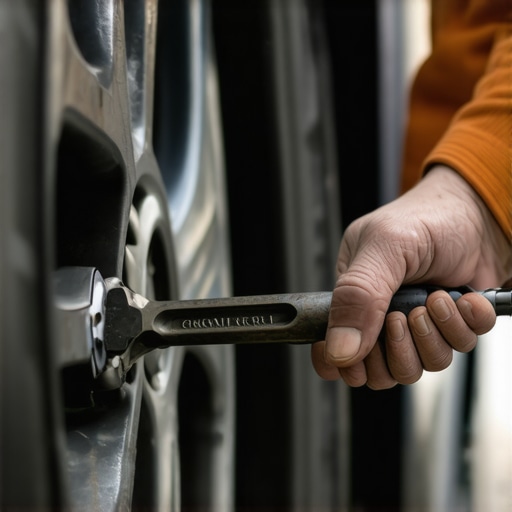
Sometimes, I swear it feels like the universe is punishing me when I can’t loosen a stubborn lug nut. There I am, under my car after a weekend drive, ready to swap out worn tires or fix a flat, only to find that one lug nut has decided to become a part of the wheel. No matter how much torque I apply with my wrench—trying to channel the image of a pro—the nut refuses to budge. That lightbulb moment hit me hard: what if I didn’t need a fancy impact wrench to solve this?
Dealing with the Frustration of Stuck Lug Nuts
If you’ve ever faced this challenge, you know how quickly frustration can mount. The usual tricks like bumping with a hammer or using penetrating oil sometimes work—other times, they don’t. The worst part? Struggling with tools that aren’t designed for the job or risking damage to your wheels. I learned the hard way that applying brute force without a plan can strip the lug nut or damage the wheel. It’s a mistake I guarantee many make early on, especially when attempting repairs without proper know-how.
But here’s the thing: there’s a practical, safe way to loosen those stubborn nuts without renting—or buying—an impact wrench. Over the years, I’ve refined a simple technique that can save you time, money, and a lot of frustration.
Before we dive into the step-by-step process, let’s address a common skeptic’s concern.
Is this trick actually worth trying, or am I better off renting that impact wrench?
Honestly, I was skeptical myself at first. I thought only heavy-duty power tools could handle the toughest lug nuts. Early mistakes, like over-tightening or using the wrong tools, cost me a wheel. I realized that with a bit of patience, leveraging some basic mechanics and common household tools, I could get the job done safely. If you’re interested in more tips on auto repairs, check out [why your transmission fluid turns brown in less than a year](https://repairmycarpro.com/why-your-transmission-fluid-turned-brown-in-less-than-a-year), which highlights how improper techniques can cause costly damage.
Now, let’s get to those tried-and-true methods that have worked for me. Whether you’re a DIY enthusiast or just want to save a few bucks, mastering this trick could be a game-changer for your car maintenance routine.
Use a Longer Leverage with a Cheater Bar
Take a sturdy metal pipe or a section of thick pipe and slide it over your wrench handle to extension. This acts as a lever, multiplying your torque. I once faced a stuck lug nut on a friend’s car; slipping a 3-foot pipe over my wrench gave me enough leverage to loosen it with ease, avoiding the need for an impact wrench.
Slam the Wrench with Controlled Force
Position your wrench securely on the lug nut, then give it a sharp, controlled tap with a hammer while simultaneously applying torque. The sudden impact can break the rust bond. I remember striking my wrench sharply, which shocked the lug nut loose after previous failed attempts. Just ensure to protect the wheel surface to prevent damage.
Apply Penetrating Oil and Wait
Spray penetrating oil like WD-40 generously around the lug nut threads. Allow it to sit for at least 10-15 minutes. During that time, you can work on other small tasks or tighten other nuts. I once sprayed oil on a stubborn nut, grabbed a snack, and when I returned, it spun freely—saving me from a frustrating struggle.
Use Heat Carefully
If accessible, applying a little heat to the nut can expand the metal and break the rust seal. Use a propane torch with caution—never point it at tires or rubber components. I heated a frozen lug nut gently and succeeded in turning it without damaging the wheel or surrounding parts. Always prioritize safety and use appropriate fire-resistant gloves and eyewear.
Try Reverse and Repeat
If the lug nut refuses to turn, try applying reverse torque—turn the wrench slightly counterclockwise then clockwise again. This can break the rust’s grip. I kept rotating back and forth gently, which eventually released a stubborn nut that hadn’t budged for months.
Use Proper Hand Tools and Techniques
Ensure your wrench fits snugly on the nut to prevent stripping. Using a socket wrench with a proper-sized socket provides better grip and torque. Remember, over-tightening during installation can cause these issues—consider reviewing techniques to avoid over-tightening. Proper tools and methodical effort can save you a lot of headaches.
Prevent Future Sticking with Regular Maintenance
Applying a thin layer of anti-seize compound on the lug nut threads during reinstall can ease future removal tasks. Just a small amount makes a significant difference. I’ve started doing this every time, and removing nuts later is now quick and effortless. Regularly inspecting and maintaining components prolongs their life and simplifies repairs.
Despite widespread advice, many car owners operate under misconceptions that can lead to costly mistakes. One prevalent myth is that all vehicle diagnostics require sophisticated, expensive equipment. While high-end scanners can be invaluable, a significant amount of troubleshooting can be done with basic tools and knowledge, especially when understanding car behavior nuances. For example, misinterpreting engine warning lights without considering timing or sensor placement can result in unnecessary repairs. I encourage you to learn the subtle signs your car gives; it can save you money and time.
Another common mistake is oversimplifying oil changes. Many believe that simply draining and replacing oil is enough, but neglecting oil weight considerations plays a crucial role, especially for older engines with high mileage. Choosing the wrong viscosity can lead to increased wear or loss of fuel efficiency. For more tips on optimizing oil choices, check out this detailed guide.
In brake service, a frequent oversight involves not inspecting the rubber hoses connected to your calipers. Over time, these hoses can swell or crack, causing poor brake response even if pads and rotors are fine. Many assume a squeal or pedal feel is always due to worn pads, but neglecting hose condition can lead to dangerous failures. Regularly inspecting these components is key to safe brake performance.
Now, for the advanced gearheads among us, consider this question: How much does temperature actually influence sensor accuracy in modern ECU systems? Many think sensors are calibrated to account for environmental factors universally, but in reality, advanced diagnostics reveal that sensor drift under extreme conditions can significantly affect vehicle performance. Experts suggest that understanding these subtle shifts is essential for precise troubleshooting, especially in high-performance or high-mileage vehicles. Wearing this knowledge can help avoid misdiagnosing complex issues.
Finally, always remember that diagnostic tools are only part of the picture. Empirical observation, understanding vehicle-specific behaviors, and caution can often prevent unnecessary repairs or overlooked issues. Regular maintenance and a curious mindset are your best tools. Have you ever fallen into this trap? Let me know in the comments.
Keeping Your Vehicle in Top Shape with the Right Tools
Maintaining your car over time requires more than just the basics; it demands precision and reliable equipment. One of my go-to tools is a high-quality digital multimeter like the Fluke 115, which I use extensively for diagnosing electrical issues. Its accuracy helps me pinpoint parasitic drains—checking the battery’s resting voltage or finding a rogue component causing unexpected power loss (Learn how to detect parasitic drain here). For fluid-related diagnostics, an infrared thermometer has been invaluable. Tracking engine temperature differences or checking coolant leaks can prevent costly overheating problems before they escalate. When it comes to software, I rely on a Bluetooth OBD-II scanner—such as the BlueDriver—paired with my smartphone. This combo provides real-time data and fault codes, simplifying complex troubleshooting and helping me make informed decisions quickly. As technology evolves, future tools may incorporate AI diagnostics or augmented reality overlays, enabling even more precise maintenance. To stay ahead, I often subscribe to professional automotive forums and keep my equipment updated to the latest standards.
How do I maintain my vehicle’s systems over time?
Consistently using proper tools and adhering to routine checklists ensures long-term performance. For example, regularly inspecting and replacing rubber hoses connected to the braking system can prevent accidents caused by failure. I recommend inspecting these hoses at least once a year, especially if you notice any swelling or cracking. Applying a protective coating or replacing worn hoses proactively can save lives and expensive repairs—more details are available in this guide on brake system maintenance. Additionally, maintaining clean, calibrated sensors—such as the MAF or oxygen sensors—keeps your engine running efficiently. Calibration using professional software or manufacturer tools ensures these components function correctly. As vehicle electronics become more complex, understanding the basics of electrical diagnostics will be a hallmark of responsible ownership. I personally verify sensor readings periodically rather than waiting for warning lights, which minimizes roadside surprises.
Modern diagnostics and future trends
The trend toward integrated diagnostic systems is accelerating. Vehicles increasingly feature self-diagnosis capabilities, alerting owners to specific issues well before breakdowns occur. Implementing these systems, combined with portable tools like the Autel Maxisys scanner, allows for precise troubleshooting without visiting a mechanic—saving both time and money. Looking ahead, advancements in AI-driven diagnostics promise even faster, more accurate repairs, potentially reducing the need for manual interventions. Staying updated with these innovations is crucial for avid DIYers and professionals alike. Now is a good time to invest in a comprehensive scanner and learn its features—your future self will thank you.
Why is maintaining vehicle diagnostics crucial for longevity?
Consistent diagnostics prevent small issues from becoming major repairs. If you ignore early warning signs or delay fixing minor faults, you risk expensive damage or breakdowns. For example, unresolved issues with the timing belt or transmission fluid degradation can lead to catastrophic engine failure (see this on shift problems). Regular diagnostic checks using trusted tools assist in catching these problems early. I advise setting a routine schedule—say, every 6 months—to scan and inspect key systems. This habit not only preserves vehicle health but also improves safety and resale value. Try one of these advanced diagnostics techniques this month, such as verifying sensor calibration, and experience firsthand how it extends your vehicle’s life.Embarking on car repairs often feels daunting, especially when faced with stubborn lug nuts or critical components. Over time, I’ve learned that the most valuable insights come from hands-on experience and sometimes making mistakes—lessons that no textbook can fully teach. One crucial takeaway? Always respect the intricacies of your vehicle’s systems and trust your own intuition backed by proper techniques.
Hidden Flexibility in Your Toolbox That Teachers Won’t Mention
Early in my repair journey, I believed dedicated power tools were indispensable for every stubborn bolt. However, I discovered that improvising with simple, everyday items—like a sturdy metal pipe as a cheater bar—can achieve impressive leverage without risking damage. This taught me that understanding your tools’ true potential fosters confidence and resourcefulness, saving money and time.
Patience Over Force: The Unsung Hero of Auto Repairs
Rushing to loosen a frozen bolt often leads to stripped threads or broken components. My lightbulb moment was realizing that patience, combined with penetrating oils and gentle heat, can work wonders. Waiting for the oil to seep in or the metal to expand makes the job smoother and preserves the integrity of your parts. It’s a reminder that persistence beats brute force every time.
Learning from Mishaps That Made Me Smarter
One mistake I won’t forget: applying a little too much torque without proper technique, which resulted in damaged threads. Since then, I prioritize correct fitting, appropriate torque, and understanding the specifications. These lessons have been invaluable and have transformed frustration into mastery. Sometimes, the best lessons come wrapped in a misstep—just make sure to learn from them rather than repeat them.
Building Knowledge That Lasts Beyond One Fix
Each repair taught me the importance of regular maintenance and proactive inspections. For example, applying anti-seize on lug nuts during reinstallation now makes future removals effortless. Small habits like these build a foundation for easier repairs, and I encourage any DIY enthusiast to develop routines that save time and prevent emergencies. Remember, your vehicle’s health is a lifelong project—stay proactive.
Curating the Right Resources for Continued Growth
- Quality Diagnostic Tools: The Bluetooth OBD-II scanners like BlueDriver have been game-changers. They provide real-time data that helps me diagnose issues accurately, especially since technology in vehicles is advancing rapidly.
- Informative Literature: Books like “Automotive Repair For Dummies” offer foundational knowledge that supplements hands-on experience. I trust them because they explain concepts clearly, helping me avoid common pitfalls.
- Community Forums: Online communities such as professional automotive forums are treasure troves of advice. Sharing experiences with fellow enthusiasts accelerates learning and uncovers practical solutions you won’t find elsewhere.
- Routine Maintenance Checklists: Using tailored checklists ensures I don’t overlook small but crucial details that keep my vehicle running smoothly, like inspecting rubber hoses or sensor calibrations.
Your Next Repair Adventure Starts Now
Remember, every challenge faced in auto repair adds to your confidence and knowledge. Embrace each opportunity to learn and trust your instincts—paired with the right techniques and resources, you’re well on your way to becoming your own mechanic. Don’t wait for problems to grow; regular checkups and a curious mindset will keep your vehicle in top shape for years to come. What’s the first repair you’ll tackle after reading this? Let me know below and share your progress!