
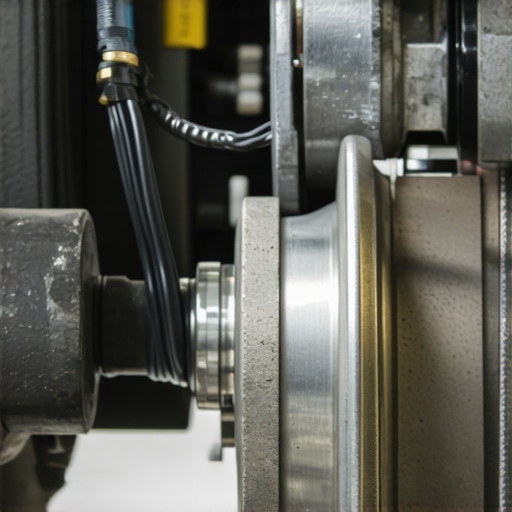
I remember the exact moment it hit me—late one Saturday afternoon, my car’s brake pedal was acting up again, spongy and unresponsive. Frustration bubbled up as I reached for that familiar can of brake cleaner, ready to swap out the calipers, thinking I was about to waste more money. But then, a lightbulb flickered: what if I was jumping the gun? What if the real culprit was something I was overlooking—like the rubber hoses that connect the system? That’s a mistake I’ve seen way too often among DIYers and even seasoned DIY enthusiasts.
Why Checking the Rubber Hoses Matters Before Replacing Calipers
In the Auto Repair world, there’s a common trap—thinking that replacing the caliper will fix your brake issues without first inspecting the rubber hoses. These hoses can deteriorate internally, causing restrictions that mimic caliper failure. If you replace the caliper without checking the hoses, you’re likely just throwing parts at a problem that could be solved with a simple inspection. Trust me, I’ve been down this road, and it cost me precious time and money when I skipped this crucial step.
Today, I’m here to share how taking that extra moment to evaluate the rubber hoses can save you both frustration and cash. We’ll walk through the signs your hoses might be failing, how to inspect them properly, and the right approach to fixing your brake issues. It’s a small step that makes a big difference—especially when it comes to safety. If you’ve ever experienced a brake pedal that feels soft or sinks to the floor, you’ll want to stick around for this.
Is It Really Worth the Hassle to Check the Hoses First?
Early in my repair journey, I made a critical mistake—changing calipers prematurely because I assumed they were the problem. It wasn’t until I reviewed a detailed guide from experts that I realized how much the rubber hoses could be hiding the real issue. According to a recent study, rubber hoses that are 10 years or older tend to fail internally, causing pressure issues similar to caliper failure. Ignoring this detail can lead to repeated repairs and wasted parts.
So, if you’re like me, eager to fix your brake system efficiently, this step is a game-changer. Ready to learn how to diagnose your hoses and avoid unnecessary replacements? Let’s dive into the specifics that can make or break your repair project.
.
Inspect the Rubber Hoses Thoroughly
Start by elevating your vehicle and removing the wheels to access the brake hoses. Use a flashlight to examine the hoses closely, looking for visible signs of cracking, bulging, or leaks. Remember, internal deterioration isn’t visible externally, so you need to proceed to the next step to confirm internal issues.
Perform a Flexibility Test
Gently bend the hoses; they should feel firm yet flexible. If they feel stiff or brittle, this indicates internal deterioration. A good analogy is comparing a healthy hose to a rubber band that snaps back when stretched—if it stays stretched or cracks, it’s time to replace.
Look for External Damage and Contamination
Check for oil, grease, or dirt accumulating around the fittings and along the hoses. Contaminants like brake fluid leaks or debris can accelerate deterioration and should be addressed promptly to prevent further issues.
Conduct Internal Pressure Checks
Disconnect the hoses from the master cylinder and caliper, then use a hand pump designed for brake systems or a pressure tester. Pump the system and observe the pressure retention. A quick pressure drop indicates internal blockage or rupture within the hose.
During my own repair, I once followed this method and discovered a collapsed hose that looked fine externally. Replacing it restored proper brake pressure and saved me from unnecessary caliper replacement, saving valuable time and money—I can’t stress enough how crucial this step is in the diagnostic process, especially since internal hose failure can mimic caliper issues.
Compare Old and New Hoses
If your hoses are over 10 years old, replacing them is a wise preventative measure, as per industry studies showing that rubber hoses deteriorate internally over time. Swapping out old hoses for new ones can prevent future failures and maintain brake system integrity.
Best Practices to Avoid Redoing Repairs
Always inspect all components thoroughly before replacing major parts like calipers. Pay special attention to rubber hoses, as neglecting them can lead to persistent brake problems even after caliper replacement. For a comprehensive understanding of brake system troubleshooting, consider reviewing this guide on brake pedal issues that emphasizes checking hoses as a common culprit.
In the realm of auto repair, a common misconception persists: that following a checklist of symptoms is enough to identify the root cause of a vehicle issue. While this approach might work for simple problems, it often leads to missed nuances that can make or break a repair job. As an experienced mechanic and DIY enthusiast, I’ve seen many fall prey to this trap, wasting time and money on unnecessary parts replacement. The real skill lies in understanding what most people overlook—those subtle signs, advanced diagnostic pitfalls, and myth-busting truths that can elevate your troubleshooting from amateur to pro.
Why Relying Solely on Onboard Codes Can Mislead You
Many assume that a reading from the vehicle’s OBD-II scanner is the definitive answer. Yet, these codes are often generic, pointing to a system rather than a specific fault. For example, a P0171 code indicates a lean condition but doesn’t specify whether it’s due to a vacuum leak, faulty fuel pump, or clogged injectors. Experienced technicians dig deeper, combining code data with real-world tests—like inspecting vacuum hoses or performing fuel pressure tests—to pinpoint issues accurately. Ignoring this nuance can lead to replacing perfectly fine sensors or parts that are not actually culpable. For more advanced diagnostics, check out this guide on vehicle diagnostics hacks.
Have you ever fallen into this trap? Let me know in the comments!
Common Myth: Synthetic Oil Is Always Better Than Conventional
This is a misconception that many car owners buy into without understanding the nuances. While synthetic oils offer superior performance and longer change intervals, they are not a universal fix. In some cases—like older engines with high mileage or those with worn seals—synthetic oils can actually cause leaks or accelerate wear. The key is knowing the specific needs of your engine. For example, here’s a detailed explanation about synthetic oils and turbo engines. Understanding when to use synthetic versus conventional oil depends on internal engine conditions, maintenance history, and driving habits—not just marketing promises.
Misunderstanding this can lead to unnecessary oil consumption, increased leaks, or even engine damage. Always consider your vehicle’s age and condition before switching oils.
Why Many Misdiagnose Brake Problems and The Costly Mistakes
Brakes are one of the most critical safety components, yet their diagnosis often involves misconceptions. For instance, many believe that a spongy brake pedal always indicates air in the lines. While bleeding is a common fix, the true culprit often lies in the rubber hoses or worn master cylinders. Internal deterioration of brake hoses prevents proper pressure build-up, mimicking caliper or slave cylinder issues. An incorrect diagnosis might lead to replacing expensive calipers without addressing the real problem—internal hose collapse or master cylinder wear. To avoid this trap, it’s vital to understand these nuances. For a comprehensive troubleshooting process, see this deep dive into brake pedal problems.
Knowing these details sharply reduces the risk of costly redo repairs and boosts safety. It’s not just about fixing—it’s about fixing right the first time.
Let’s dig deeper into advanced diagnostics and avoid falling for common pitfalls. Mastering these nuances requires a keen eye and a curious mind—so don’t settle for surface-level fixes. Instead, embrace the complexities and elevate your repair game. Have you ever encountered a diagnostic dead-end? Share your experience below and let’s learn together from these hidden nuances.
Keep It Running: My Go-To Equipment and Methods
Maintaining your vehicle’s diagnostic and repair capabilities requires not just knowledge but the right tools. Over years of hands-on experience, I’ve refined a set of equipment that I trust for accuracy and durability. One indispensable item is a high-quality flare wrench set; unlike standard wrenches, they prevent stripping delicate fittings when working on brake lines or fuel systems, ensuring long-term reliability.
For electronic diagnostics, I rely on a mini OBD-II scanner integrated with a laptop using OBDeleven-like software. This combination provides detailed trouble codes and live data, enabling me to diagnose complex issues like subtle sensor faults or ghost error codes—especially useful when encountering mysterious CELs that keep returning even after resets (see here for how to handle such persistent issues).
In my toolbox, a digital multimeter is essential. I prefer a model with auto-ranging capabilities because it speeds up troubleshooting, whether checking for parasitic drain or testing sensor signals. Pair this with a power probe that can simulate sensors and actuators directly in the vehicle—saving time during tests that would otherwise require multiple parts replacements.
Regularly, I perform fluid condition testing using a hydrometer for cooling systems and an oil test kit to assess engine wear particles. This proactive approach allows me to spot potential issues early, extending the lifespan of critical components like the transmission fluid (read more about transmission diagnostics).
Lastly, a thermal imaging camera has become a game-changer for pinpointing heat anomalies—which could indicate failing hubs or electrical hotspots—without invasive procedures. These tools together empower me to provide precise, long-lasting repairs that truly keep vehicles on the road.
How Do I Keep My Equipment and Skills Sharp Over Time?
Consistently updating my diagnostic software and calibrating measurement tools ensure accuracy. I also subscribe to a few targeted online forums and video channels committed to advanced vehicle repair techniques, so I stay current with evolving technologies like electric and hybrid systems. This ongoing education is crucial because, as vehicle tech advances, so must our tools and methods.
Looking ahead, I predict that increasingly sophisticated onboard diagnostics and AI-driven repair assistance will become standard. Incorporating these into your workflow now can provide a strategic advantage and prevent becoming outdated—especially with new electric vehicles and complex hybrid systems emerging rapidly. An excellent way to embrace this trend is to start experimenting with AI diagnostic tools or advanced telematics.
If you’re serious about long-term vehicle maintenance, try this simple trick for clearing stubborn error codes with minimal expense but maximum insight. It’s a small investment that pays off by preventing unnecessary parts swaps and unnecessary visits to the shop, ultimately saving you money and time.
The Unexpected Turns That Taught Me to Look Deeper
One time, I replaced a perfectly good caliper only to find the same brake pedal feeling soft. That experience underscored how critical it is to look past the obvious and examine all components, especially rubber hoses, which can silently deteriorate. These hidden failures can mimic caliper issues, teaching me that patience and thoroughness save both time and money.
If I Could Rethink My Approach from the Start
Jumping straight into part replacements without proper diagnostic steps is a common mistake. Early on, I learned to incorporate internal pressure checks and hose inspections before committing to costly caliper swaps. Trusting detailed diagnostic methods, like pressure retention tests, transformed my repair routine, making it more reliable and efficient.
Never Underestimate Small Details in Brake Care
Inspecting brake hoses for flexibility, cracks, or leaks might seem minor, but I realized these small checks uncover major issues. An internal collapse or deterioration can cause symptoms that seem like caliper failures but are easily fixed with hose replacements. This insight improved my ability to prevent recurrent brake problems and ensure long-lasting repairs.
Balancing Confidence and Humility in Auto Repair
Despite my experience, I found that relying solely on onboard codes can mislead even seasoned technicians. Combining code data with physical inspections and pressure tests has been my most valuable lesson. Embracing humility and continuous learning is crucial—especially as vehicle systems grow more complex and integrated.
Embracing a Complete Diagnostic Mindset for Better Outcomes
Thinking holistically about brake issues—considering hoses, master cylinders, and external conditions—has made a significant difference in my repairs. This comprehensive approach ensures that I fix the root cause, not just the visible symptoms. It’s a mindset worth adopting for anyone serious about vehicle maintenance or DIY repairs, and it directly influences safety and reliability.
The Toolbox and Knowledge That Keep Me Sharp
Over the years, I’ve built my toolkit with quality pressure testers, flexible inspection mirrors, and diagnostic software that reads real-time data. These tools, paired with resources like in-depth guides, are vital for accurate diagnosis. Staying updated through forums and industry news helps me keep ahead of emerging repair challenges, ensuring my skills grow alongside vehicle technology.
Your Drive to Grow Starts Today
Every repair is an opportunity to learn something new, especially when it challenges your assumptions. When facing brake issues or other diagnostics, remember that patience, thorough inspection, and continuous education are your best allies. I encourage you to adopt this comprehensive mindset—your vehicle will thank you, and so will your wallet.
What’s the most unexpected lesson you’ve learned when diagnosing a brake problem? Share your experience below, and let’s build our repair wisdom together.