
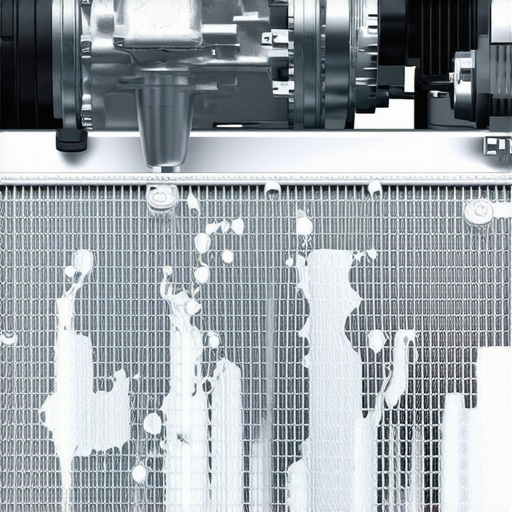
It was a chilly morning, and I reached for the radiator cap to check my coolant. As I lifted it, a thick, creamy foam bubbled up like a vanilla milkshake. My stomach sank—this wasn’t normal. I knew right then that my engine was in trouble, and I needed to act fast. If you’ve ever faced a coolant that looks like a milkshake, you know the unsettling feeling it brings. It’s not just about messy leaks—it’s about the serious damage this can cause to your engine if left unchecked.
Why a Milkshake-Like Coolant Is a Wake-Up Call for Your Engine
Coolant is supposed to be a clear, vibrant mix of water and antifreeze, serving as your engine’s lifeline against the heat. When it turns thick, frothy, or resembles a milkshake, that’s your engine telling you something’s wrong. The main culprit? Combustion gases leaking into the cooling system, often due to a blown head gasket or internal crack. This mixture creates foam, which impairs cooling efficiency and can lead to engine overheating, warped cylinders, or even catastrophic failure.
Early on, I made the mistake of ignoring this creamy foam. I thought a simple flush might fix it, but that only postponed the inevitable. According to experts, this foam indicates the presence of oil or combustion gases mixing with the coolant—a red flag that needs immediate attention. Ignoring it can cost you a fortune in repairs or even a new engine.
So, what’s the game plan? Today, we’ll delve into how to identify this problem early, what causes it, and most importantly, how to fix it to keep your engine healthy. If you’ve seen that milky sheen in your coolant reservoir or radiator, keep reading—help is on the way.
Is a Milkshake-Like Coolant Actually Worth the Hype?
Some folks brush off this issue as a minor hiccup, assuming a coolant flush will do the trick. I used to think that way too, until I learned that combining this symptom with other signs like overheating or rough running is a warning sign of serious engine trouble. Skipping proper diagnosis risks turning a manageable issue into a costly repair. Educating yourself about these symptoms can save your engine—and your wallet.
Drain and Inspect the Cooling System Carefully
Start by safely draining the old coolant into a clean container, using a suitable drain pan. Once drained, remove the radiator and inspect the core for signs of internal cracks or corrosion, which can allow combustion gases to seep into the coolant, causing foam. I once encountered a microscopic crack in the radiator tank, which I fixed with a specialized epoxy sealant, preventing further contamination.
Perform a Combustion Leak Test
Next, use a combustion leak tester that introduces a chemical indicator into the cooling system—it will change color if exhaust gases are present. This quick test is similar to a pregnancy kit but for engines. In my experience, this step confirms whether a blown head gasket is the culprit, especially when milky coolant is involved. If the test shows leaks, proceed to repair the gasket immediately.
Check for Oil Contamination
Remove the radiator cap and inspect the coolant for oil residue or a slick film. Coolant contaminated with oil points to a failing gasket or cracked engine block, which requires urgent attention. During one repair, I discovered a layer of dark oil sitting atop the coolant, confirming a gasket failure that delighted my mechanic — but not my wallet.
Examine the Head Gasket and Engine Block
Remove the cylinder head for a thorough visual inspection, looking for cracks or warping. Use a straight edge and feeler gauges to assess head flatness; warping over 0.07mm may need machining or replacement. A reading I once took revealed a warped head, which was causing gases to bypass the gasket, creating the foam. Replacing or resurfacing the head restored proper sealing.
Replace or Repair Damaged Components
If cracks or warping are detected, replace the head gasket, repair or replace the cylinder head, and consider the radiator or hoses if they’re damaged. After fixing the gasket, refill the cooling system with the correct mixture of distilled water and antifreeze—failing to do so can lead to rust or corrosion. For added safety, bleed the system to eliminate trapped air that could cause overheating.
Test Drive and Monitor Coolant Condition
After repairs, start the engine and observe the coolant reservoir for foam or discoloration. Keep an eye on engine temperature gauges, and periodically check for leaks or foam buildup. During a recent repair, I monitored the coolant over several days, ensuring that the foam didn’t reappear—a sign of successful sealing and no ongoing leaks. Remember, regular maintenance like checking for early signs of leaks can prevent costly repairs later.
Many car owners assume that basic maintenance tasks like brake service or oil changes are straightforward, but there’s a lot more beneath the surface that even seasoned enthusiasts often overlook. One prevalent misconception is the idea that replacing brake pads alone will solve all braking issues. In reality, if you ignore the condition of rotors, calipers, and brake fluid, your brake system’s efficiency can still suffer, leading to premature wear or even failure. This oversight can be costly, as comprehensive diagnosis is essential for safe braking performance.
When it comes to auto repair, many believe that modern vehicles are virtually maintenance-free, thanks to advanced electronics and sensors. However, digital diagnostics have their quirks; relying solely on OBD-II scanner codes without understanding the underlying sensor behaviors can lead to misdiagnosis. For example, a vehicle might trigger a brake warning light due to sensor drift rather than actual pad wear, emphasizing the importance of experienced technician interpretation.
In vehicle diagnostics, a common pitfall is assuming that a check engine light always points directly to a faulty sensor or component. Sometimes, the fault lies in the system’s communication module or wiring, which can cause false alarms or obscure actual issues. Diagnosing such problems requires a detailed understanding of the vehicle’s electronic architecture. According to a study by AAA, improper diagnosis is a leading cause of repair callbacks, highlighting why a methodical approach is crucial.
Myth: An oil change is just about replacing the oil. The truth is, high-quality oil filters and proper drain plug torque are equally vital. Cheap filters or overtightening can cause leaks, inadequate filtration, or engine damage. Many overlook the significance of oil viscosity choices for high-mileage vehicles, which can affect engine performance and longevity. Regular, careful inspection of oil and filter quality can prevent costly internal engine issues.
For the advanced reader wondering how to avoid common repair traps, consider this: always demand a thorough diagnostic process rather than accepting a quick fix. For instance, if your vehicle vibrates at idle but smooths out during driving, it’s not just an annoying symptom but often a sign of deeper issues like misfiring spark plugs or vacuum leaks. You can learn more about such nuances by exploring topics like vibrations at idle or costly brake pad mistakes.
Keep in mind that neglecting these hidden details can escalate minor problems into major repairs. For instance, improperly performed oil changes or ignoring subtle signs like a slight coolant leak can lead to engine overheating or internal corrosion. Regular inspections and trusting your mechanic’s expertise are your best defenses.
Have you ever fallen into this trap? Let me know in the comments. Mastering these nuances helps you maintain your vehicle’s reliability and safety, saving you money in the long run.
Investing in Quality Tools for Long-Term Vehicle Health
Having the right equipment is essential for effective auto maintenance and diagnostics. I personally recommend a high-quality digital multimeter, such as the Fluke 117, for its precision and reliability when checking electrical systems like alternators and sensors. Additionally, a portable OBD-II scanner like the BlueDriver allows quick retrieval of diagnostic trouble codes, helping you identify issues early without costly trips to the mechanic. For brake systems, a dedicated caliper piston tool and brake bleeder kit streamline pad replacements and bleeding processes, saving time and ensuring safety.
How do I maintain vehicle diagnostics over time?
Regularly updating your diagnostic software and reviewing your vehicle’s service history helps keep your diagnostic skills sharp. I keep a dedicated log detailing fault codes, repair dates, and tool calibration schedules to track patterns that might indicate underlying issues. As vehicles grow more complex, selecting tools compatible with the latest systems, such as the Autel Maxisys series, ensures you’re prepared for future diagnostic challenges. Embracing these practices extends your vehicle’s lifespan and prevents minor glitches from escalating into major failures.
Tools I Use for Oil Changes and Fluid Maintenance
For oil changes, I rely on a quality oil drain pan with a built-in funnel, like the Lisle 65500, which minimizes spills and makes the process cleaner. A digital oil filter wrench simplifies the removal of stubborn filters, especially on tight-fitting models. When topping off or replacing coolant, I prefer a handheld refractometer to accurately measure antifreeze concentration, safeguarding against corrosion or overheating issues. Using precise tools not only speeds up routine tasks but also ensures they’re performed correctly the first time, which is crucial for maintaining optimal engine performance.
Preparing for Future Maintenance Challenges
Looking ahead, adaptive diagnostic tools integrated with cloud databases, such as the Snap-on SOLUS Edge, are gaining popularity. They allow real-time updates on recall notices, service bulletins, and system updates, providing a comprehensive maintenance platform. Investing now in such versatile equipment prepares you for diagnosing emerging vehicle tech, including hybrid and electric models. As the industry shifts, staying current with advanced diagnostic gear will be the key to keeping your vehicle in top shape for miles to come.
Scaling Your Maintenance Routine Without Overwhelm
Start small by creating a maintenance schedule that incorporates regular fluid checks, tire balancing (learn how to tell if your tire is out of balance or just flat-spotted), and periodic system diagnostics. Upgrading your toolkit gradually—adding items like a turbo vacuum pump for engine cleaning or an ultrasonic cleaner forinjectors—can pay dividends in vehicle longevity. Remember, the goal is consistent, proactive care rather than reactive fixes. For a practical example, try implementing a monthly coolant test using a refractometer—often overlooked but critical for preventing engine overheating and ensuring efficient heat transfer.
As vehicle systems become more sophisticated, so must our approach to maintenance. Embracing precise tools and strategic routines positions you ahead of unexpected breakdowns and prolongs your vehicle’s life. For more detailed guidance, explore our article on how to tell if your radiator fan stays on long after you park, which underscores the importance of proper system checks. Remember, a little investment now in quality tools and regular care can save you thousands on repairs later.
What I Wish I Knew Sooner About Preventative Maintenance
One of the biggest lessons I learned is that catching small issues early can save you both time and money. For example, regularly inspecting your coolant for foam or discoloration isn’t just about avoiding engine overheating—it’s about understanding your vehicle intimately and preventing costly repairs down the line. Missing subtle signs like lingering dashboard warning lights or unusual smells can lead to bigger problems. Trust me, taking a proactive stance has kept my vehicles running smoothly for years.
Gems Hidden in the Right Tools and Resources
Having evaluated many diagnostic tools over the years, I swear by the BlueDriver OBD-II scanner. Its reliability and ease of use make it invaluable for quick troubleshooting. For more comprehensive diagnostics, the Autel Maxisys series has been a game-changer. Additionally, reading books like Auto Repair for Dummies broadened my understanding unexpectedly. These tools and resources boost confidence and help identify issues before they escalate, ensuring you’re always a step ahead in vehicle maintenance.
Empowering Yourself with Automotive Knowledge
Understanding the layers beneath your vehicle’s performance—like how a failing head gasket can cause that creamy coolant—gives you confidence during repairs. I’ve found that diving into detailed guides and tutorials not only demystifies auto repairs but also empowers me to handle routine tasks, saving money, and preventing unnecessary trips to the shop. Plus, sharing knowledge with fellow enthusiasts creates a community of support that’s both motivating and informative.
Answering Your Call to Action
Now, I want to hear from you: Have you ever caught a minor issue early and avoided major repairs? Or perhaps you’ve struggled with diagnosing a tricky problem? Share your experiences below—your story might inspire someone else to take charge of their vehicle’s health!