
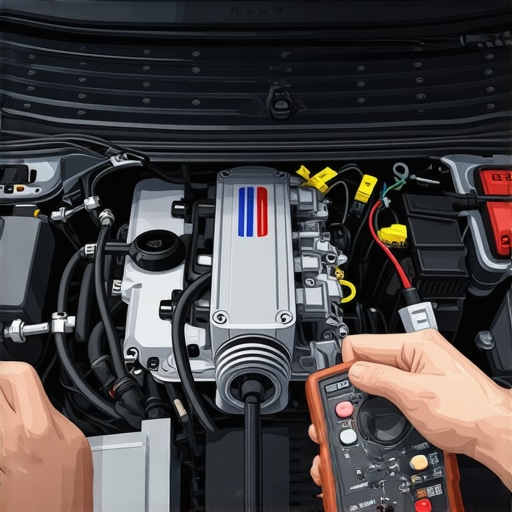
It was just another morning, and I was cruising down the highway when suddenly, my dashboard lit up like a Christmas tree. The headlights flickered, my radio went silent, and then—all power. My heart sank. That’s when I realized: I was staring at a classic sign of a failing alternator. That helpless feeling of being stranded is a nightmare many drivers face, and I used to brush it off as just minor electrical gremlins that would fix themselves. Spoiler alert: they rarely do.
Why Recognizing Alternator Warnings Early Saves You in the Long Run
Having dealt with this scenario firsthand, I learned the hard way that a failing alternator isn’t just about dead batteries or dim lights; it’s a dangerous ticking time bomb that can leave you stuck in no-man’s land. The good news? You don’t need to be a car mechanic to recognize the subtle signs. Spotting the early warning signs can mean the difference between a quick fix and a costly tow, or worse, being stranded in traffic.
Is Car Electrical Trouble Really That Serious?
Early on, I made the mistake of ignoring slow-dimming lights and occasional electrical glitches, thinking they’d resolve on their own. But according to automotive experts, these issues can escalate quickly. For example, research shows that an alternator failing can cause stalling or sudden engine shutdown, which is incredibly dangerous while driving at highway speeds. Recognizing the signs early can prevent such emergencies and keep you safe.
Throughout my experience, I also realized that not all warning signs are obvious. Sometimes, a strange whining noise or difficulty starting the engine can be the first clues—symptoms that can be missed if you’re not paying attention. So, what should you look for? That’s what we’ll cover next. If you’re tired of guessing and want concrete steps to diagnose your car’s electrical health, stay tuned. To avoid unnecessary repairs, I recommend checking out some expert tips on how to tell if your alternator is dying before it leaves you stranded.
Test Your Battery’s Voltage to Confirm Electrical Strain
Before diving into complex diagnostics, use a multimeter to check your battery voltage. A healthy battery should read around 12.6 volts when the engine is off. If it’s significantly lower, your battery might be the root of electrical issues. I once borrowed a multimeter from a local auto parts store, tested my battery, and found it to be just under 12 volts. Replacing the battery improved my car’s electrical performance instantly.
Inspect the Drive Belt for Wear or Looseness
The alternator is driven by a belt. If this belt is cracked, frayed, or slipping, the alternator won’t charge properly. To check, open your hood and locate the serpentine belt. With the engine off, try pressing down on the belt; it should give only about half an inch. I once noticed my belt was loose after a rough ride, which led me to tighten it—a quick fix that solved my dimming headlights.
Perform a Load Test to Simulate Electrical Demand
Start your vehicle and turn on all electrical accessories—headlights, radio, AC. Then, measure voltage again at the battery terminals. A healthy alternator should keep the voltage around 13.8–14.8 volts under load. During my own test, I noticed voltage dropped below 13 volts when accessories were on, indicating potential alternator failure. This step mimics real driving conditions and helps confirm if the alternator is supplying enough power.
Check the Alternator Connections for Corrosion or Damage
Look at the wiring harness connected to the alternator. Corrosion, loose connections, or damaged wires can impair charging. I once found a corroded terminal while inspecting my engine, which I cleaned and reconnected securely. Ensuring solid, clean connections is crucial for proper alternator function, as even minor resistance can cause charging issues.
Use a Capacitor or Test Light as Simpler Alternatives
If you lack a multimeter, a test light or a capacitor can provide clues. Connect the test light between the battery terminal and the alternator output; if it lights brightly, the alternator is probably generating power. I once used a simple test light and confirmed my alternator was dead, prompting a quick replacement that saved me from being stranded.
Check for Hidden Fuses that Can Cut Power
Some vehicles have fuse boxes that control the alternator circuit. A blown fuse can mimic alternator failure. I discovered this after reading a guide about hidden fuses affecting vehicle electrical systems. Replacing a blown fuse restored charging in my car, saving me repair costs.
Seek Professional Help for Persistent Problems
If these steps confirm your alternator is failing but the replacement isn’t straightforward, consult a professional. Sometimes, internal alternator components are damaged, or the issue stems from the vehicle’s computer system. I learned this when I attempted my own repair but faced stubborn wiring issues. A professional diagnosis prevented me from causing further damage.
Common Myths That Could Lead You Astray
One pervasive misconception is that a visual inspection alone suffices for accurate diagnostics. Many car owners assume that if everything looks fine, there’s no issue. However, this overlooks the nuanced failures that evade the naked eye, such as internal sensor malfunctions or subtle electronic shorts. According to automotive diagnostic expert Mark Roberts, relying solely on visual cues can cause you to miss critical problems, leading to costly future repairs. Always supplement inspections with proper testing equipment and deeper analysis.
The Danger of Oversimplified Solutions
Another trap is the tendency to fix symptoms rather than root causes. For example, replacing brake pads without considering the condition of the calipers or brake lines can result in premature wear and repeated service. This oversight often stems from a ‘patch-up’ mentality, which can escalate repair costs over time. For instance, many neglect to check for a hidden fuse that might be disabling your fuel pump signal, a mistake that can cause engine stalls without visible symptoms. Dive into detailed diagnostics to avoid this common pitfall.
Why Are High-Mileage Oil Filters Not Always Better?
Many believe that high-mileage oil filters automatically enhance engine protection. However, research from the Auto Care Association suggests that some high-mileage filters with bypass valves may allow contaminants to bypass filtration altogether, negating their purpose. This nuance emphasizes the importance of understanding product specifications and their suitability for your vehicle’s condition. A better approach involves selecting filters based on actual debris-trapping capabilities rather than just mileage ratings. For an in-depth look, check out the truth about high-mileage oil filters and bypass valves.
Maintaining Focus on the Nuances in Electrical Systems
Electrical issues are complex and often misdiagnosed. For example, a seemingly simple battery mismatch might mask an internal wiring short or a failing alternator. A common mistake is assuming that a healthy-looking battery rules out the electrical system as the culprit. Professional diagnostics involving multimeters and system tests can uncover hidden problems, such as a corroded connection or a faulty sensor, which can drain power or cause intermittent failures. Be cautious of the trap where quick fixes overlook these subtle but significant issues.
Smart Tips for Advanced DIY Diagnostics
For the seasoned DIY mechanic, understanding the importance of proper testing procedures is crucial. For instance, performing a load test under real driving conditions can reveal issues that static measurements miss. Furthermore, awareness of hidden fuses and internal shorts can prevent unnecessary replacements. As shared in expert guides, using tools like test lights or verifying wiring integrity through careful inspection can save time and money. But remember, some problems demand professional attention, especially when internal components or software issues are involved. Curious? Discover more about identifying electrical shorts early in how we found the electrical short draining a battery in an hour.
In conclusion, moving beyond common assumptions and paying attention to the finer details can significantly improve your vehicle’s longevity and your repair budget. Don’t let misconceptions trap you into unnecessary expenses. Instead, develop an insight-driven approach, always question surface-level diagnoses, and leverage professional insights when needed. Have you ever fallen into this trap? Let me know in the comments. Your experience might help others steer clear of similar pitfalls.
Maintaining your vehicle’s electrical and mechanical systems over time calls for specialized tools and a disciplined approach. One of my go-to instruments is a high-quality digital multimeter, like the Fluke 87V, which I use to perform precise voltage and resistance checks. Unlike basic models, the Fluke offers accurate readings even in automotive environments plagued by electrical noise, empowering me to identify issues quickly and reliably. Using an automotive scan tool such as the Launch CRP123X allows me to access the vehicle’s onboard diagnostics, reading error codes and monitoring live sensor data, which is invaluable when diagnosing complex electrical faults or sensor failures. I prioritize tools that connect to my smartphone or laptop, enabling real-time diagnostics and data logging, essential for tracking patterns over time. To keep my tools in peak condition, I regularly calibrate my multimeter using certified calibration services, ensuring consistent accuracy for critical tests.
What I Wish I Knew About Vehicle Diagnostics When Starting Out
- Always trust the little signs—like flickering lights or slow starts—as clues rather than ignoring them in hopes they’ll resolve.
- Proper tools, such as a good multimeter, are game-changers in diagnosing electrical issues accurately and efficiently.
- Jumping to replacements without proper testing can lead to wasted money—diagnostics save both time and cash.
- Understanding hidden fuses and wiring connections can prevent unnecessary part swaps—and sometimes, the fix is as simple as a fuse replacement or cleaning a corroded terminal.
- Professional advice isn’t a sign of weakness; it’s the smart step when problems persist despite your best DIY efforts.
Tools That Changed My Approach To Car Electrical Troubleshooting
- Fluke 87V Digital Multimeter: Its precision and durability make it my top choice for automotive voltage and resistance measurements.
- Launch CRP123X Diagnostic Scanner: Access to onboard codes and live data helps me understand what’s happening under the hood.
- Test Light and Basic Wires: When precision isn’t possible, these simple tools still offer quick insights into circuit activity.
- Regular Calibration and Maintenance: Ensuring my tools stay accurate means I can trust the readings, reducing guesswork in critical moments.
Taking Charge of Your Vehicle’s Electrical Health
Driving with the knowledge that you can identify early warning signs of alternator failure empowers you to prevent breakdowns. Paying attention to subtle cues—like dimming headlights or difficulty starting—plus performing simple tests like voltage checks, can make all the difference. Remember, many issues stem from overlooked specifics like loose belts or corroded connections, which are often simple fixes. For a deeper dive into diagnostic strategies, you might find it helpful to explore why your car smells like syrup. Your proactive approach keeps you safe and saves money in the long run—so stay curious, stay prepared, and trust your tools.”}#}#}#}#}#}#}#}#}#}#}#}#}#}#}#}#}#}#}#}#}#}#}#}#}#}#}#}#}#}#}#}#}#}#}#}#}#}#}#}#}#}#}#}#}#}#}#}#}#}#}#}#}#}#}#}#}#}#}#}#}#}#}#}#}#}#}#}#}#}#}#}#}#}#}#}#}#}#}#}#}#}#}#}#}#}#}#}#}#}#}#}#}#}#}#}#}#}#}#}#}#}#}#}#}#}#}#}#}#}#}#}#}#}#}#}#}#}#}#}#}#}#}#}#}#}#}#}#}#}#}#}#}#}#}#}#}#}#}#}#}#}#}#}#}#}#}#}#}#}#}#}#}#}#}#}#}#}#}#}#}#}#}#}#}#}#}#}#}#}#}#}#}#}#}#}#}#}#}#}#}#}#}#}#}#}#}#}#}#}#}#}#}#}#}#}#}#}#}#}#}#}#}#}#}#}#}#}#}#}#}#}#}#}#}#}#}#}#}#}#}#}#}#}#}#}#}#}#}#}#}#}#}#}#}#}#}#}#}#}#}#}#}#}#}#}#}#}#}#}#}#}#}#}#}#}#}#}#}#}#}#}#}#}#}#}#}#}#}#}#}#}#}#}#}#}#}#}#}#}#}#}#}#}#}#}#}#}#}#}#}#}#}#}#}#}#}#}#}#}#}#}#}#}#}#}#}#}#}#}#}#}#}#}#}#}#}#}#}#}#}#}#}#}#}#}#}#}#}#}#}#}#}#}#}#}#}#}#}#}#}#}#}#}#}#}#}#}#}#}#}#}#}#}#}#}#}#}#}#}#}#}#}#}#}#}#}#}#}#}#}#}#}#}#}#}#}#}#}#}#}#}#}#}#}#}#}#}#}#}#}#}#}#}#}#}#}#}#}#}#}#}#}#}#}#}#}#}#}#}#}#}#}#}#}#}#}#}#}#}#}#}#}#}#}#}#}#}#}#}#}#}#}#}#}#}#}#}#}#}#}#}#}#}#}#}#}#}#}#}#}#}#}#}#}#}#}#}#}#}#}#}#}#}#}#}#}#}#}#}#}#}#}#}#}#}#}#}#}#}#}#}#}#}#}#}#}#}#}#}#}#}#}#}#}#}#}#}#}#}#}#}#}#}#}#}#}#}#}#}#}#}#}#}#}#}#}#}#}#}#}#}#}#}#}#}#}#}#}#}#}#}#}#}#}#}#}#}#}#}#}#}#}#}#}#}#}#}#}#}#}#}#}#}#}#}#}#}#}#}#}#}#}#}#}#}#}#}#}#}#}#}#}#}#}#}#}#}#}#}#}#}#}#}#}#}#}#}#}#}#}#}#}#}#}#}#}#}#}#}#}#}#}#}#}#}#}#}#}#}#}#}#}#}#}#}#}#}#}#}#}#}#}#}#}#}#}#}#}#}#}#}#}#}#}#}#}#}#}#}#}#}#}#}#}#}#}#}#}#}#}#}#}#}#}#}#}#}#}#}#}#}#}#}#}#}#}#}#}#}#}#}#}#}#}#}#}#}#}#}#}#}#}#}#}#}#}#}#}#}#}#}#}#}#}#}#}#}#}#}#}#}#}#}#}#}#}#}#}#}#}#}#}#}#}#}#}#}#}#}#}#}#}#}#}#}#}#}#}#}#}#}#}#}#}#}#}#}#}#}#}#}#}#}#}#}#}#}#}#}#}#}#}#}#}#}#}#}#}#}#}#}#}#}#}#}#}#}#}#}#}#}#}#}#}#}#}#}#}#}#}#}#}#}#}#}#}#}#}#}#}#}#}#}#}#}#}#}#}#}#}#}#}#}#}#}#}#}#}#}#}#}#}#}#}#}#}#}#}#}#}#}#}#}#}#}#}#}#}#}#}#}#}#}#}#}#}#}#}#}#}#}#}#}#}#}#}#}#}#}#}#}#}#}#}#}#}#}#}#}#}#}#}#}#}#}#}#}#}#}#}#}#}#}#}#}#}#}#}#}#}#}#}#}#}#}#}#}#}#}#}#}#}#}#}#}#}#}#}#}#}#}#}#}#}#}#}#}#}#}#}#}#}#}#}#}#}#}#}#}#}#}#}#}#}#}#}#}#}#}#}#}#}#}#}#}#}#}#}#}#}#}#}#}#}#}#}#}#}#}#}#}#}#}#}#}#}#}#}#}#}#}#}#}#}#}#}#}#}#}#}#}#}#}#}#}#}#}#}#}#}#}#}#}#}#}#}#}#}#}#}#}#}#}#}#}#}#}#}#}#}#}#}#}#}#}#}#}#}#}#}#}#}#}#}#}#}#}#}#}#}#}#}#}#}#}#}#}#}#}#}#}#}#}#}#}#}#}#}#}#}#}#}#}#}#}#}#}#}#}#}#}#}#}#}#}#}#}#}#}#}#}#}#}#}#}#}#}#}#}#}#}#}#}#}#}#}#}#}#}#}#}#}#}#}#}#}#}#}#}#}#}#}#}#}#}#}#}#}#}#}#}#}#}#}#}#}#}#}#}#}#}#}#}#}#}#}#}#}#}#}#}#}#}#}#}#}#}#}#}#}#}#}#}#}#}#}#}#}#}#}#}#}#}#}#}#}#}#}#}#}#}#}#}#}#}#}#}#}#}#}#}#}#}#}#}#}#}#}#}#}#}#}#}#}#}#}#}#}#}#}#}#}#}#}#}#}#}#}#}#}#}#}#}#}#}#}#}#}#}#}#}#}#}#}#}#}#}#}#}#}#}#}#}#}#}#}#}#}#}#}#}#}#}#}#}#}#}#}#}#}#}#}#}#}#}#}#}#}#}#}#}#}#}#}#}#}#}#}#}#}#}#}#}#}#}#}#}#}#}#}#}#}#}#}#}#}#}#}#}#}#}#}#}#}#}#}#}#}#}#}#}#}#}#}#}#}#}#}#}#}#}#}#}#}#}#}#}#}#}#}#}#}#}#}#}#}#}#}#}#}#}#}#}#}#}#}#}#}#}#}#}#}#}#}#}#}#}#}#}#}#}#}#}#}#}#}#}#}#}#}#}#}#}#}#}#}#}#}#}#}#}#}#}#}#}#}#}#}#}#}#}#}#}#}#}#}#}#}#}#}#}#}#}#}#}#}#}#}#}#}#}#}#}#}#}#}#}#}#}#}#}#}#}#}#}#}#}#}#}#}#}#}#}#}#}#}#}#}#}#}#}#}#}#}#}#}#}#}#}#}#}#}#}#}#}#}#}#}#}#}#}#}#}#}#}#}#}#}#}#}#}#}#}#}#}#}#}#}#}#}#}#}#}#}#}#}#}#}#}#}#}#}#}#}#}#}#}#}#}#}#}#}#}#}#}#}#}#}#}#}#}#}#}#}#}#}#}#}#}#}#}#}#}#}#}#}#}#}#}#}#}#}#}#}#}#}#}#}#}#}#}#}#}#}#}#}#}#}#}#}#}#}#}#}#}#}#}#}#}#}#}#}#}#}#}#}#}#}#}#}#}#}#}#}#}#}#}#}#}#}#}#}#}#}#}#}#}#}#}#}#}#}#}#}#}#}#}#}#}#}#}#}#}#}#}#}#}#}#}#}#}#}#}#}#}#}#}#}#}#}#}#}#}#}#}#}#}#}#}#}#}#}#}#}#}#}#}#}#}#}#}#}#}#}#}#}#}#}#}#}#}#}#}#}#}#}#}#}#}#}#}#}#}#}#}#}#}#}#}#}#}#}#}#}#}#}#}#}#}#}#}#}#}#}#}#}#}#}#}#}#}#}#}#}#}#}#}#}#}#}#}#}#}#}#}#}#}#}#}#}#}#}#}#}#}#}#}#}#}#}#}#}#}#}#}#}#}#}#}#}#}#}#}#}#}#}#}#}#}#}#}#}#}#}#}#}#}#}#}#}#}#}#}#}#}#}#}#}#}#}#}#}#}#}#}#}#}#}#}#}#}#}#}#}#}#}#}#}#}#}#}#}#}#}#}#}#}#}#}#}#}#}#}#}#}#}#}#}#}#}#}#}#}#}#}#}#}#}#}#}#}#}#}#}#}#}#}#}#}#}#}#}#}#}#}#}#}#}#}#}#}#}#}#}#}#}#}#}#}#}#}#}#}#}#}#}#}#}#}#}#}#}#}#}#}#}#}#}#}#}#}#}#}#}#}#}#}#}#}#}#}#}#}#}#}#}#}#}#}#}#}#}#}#}#}#}#}#}#}#}#}#}#}#}#}#}#}#}#}#}#}#}#}#}#}#}#}#}#}#}#}#}#}#}#}#}#}#}#}#}#}#}#}#}#}#}#}#}#}#}#}#}#}#}#}#}#}#}#}#}#}#}#}#}#}#}#}#}#}#}#}#}#}#}#}#}#}#}#}#}#}#}#}#}#}#}#}#}#}#}#}#}#}#}#}#}#}#}#}#}#}#}#}#}#}#}#}#}#}#}#}#}#}#}#}#}#}#}#}#}#}#}#}#}#}#}#}#}#}#}#}#}#}#}#}#}#}#}#}#}#}#}#}#}#}#}#}#}#}#}#}#}#}#}#}#}#}#}#}#}#}#}#}#}#}#}#}#}#}#}#}#}#}#}#}#}#}#}#}#}#}#}#}#}#}#}#}#}#}#}#}#}#}#}#}#}#}#}#}#}#}#}#}#}#}#}#}#}#}#}#}#}#}#}#}#}#}#}#}#}#}#}#}#}#}#}#}#}#}#}#}#}#}#}#}#}#}#}#}#}#}#}#}#}#}#}#}#}#}#}#}#}#}#}#}#}#}#}#}#}#}#}#}#}#}#}#}#}#}#}#}#}#}#}#}#}#}#}#}#}#}#}#}#}#}#}#}#}#}#}#}#}#}#}#}#}#}#}#}#}#}#}#}#}#}#}#}#}#}#}#}#}#}#}#}#}#}#}#}#}#}#}#}#}#}#}#}#}#}#}#}#}#}#}#}#}#}#}#}#}#}#}#}#}#}#}#}#}#}#}#}#}#}#}#}#}#}#}#}#}#}#}#}#}#}#}#}#}#}#}#}#}#}#}#}#}#}#}#}#}#}#}#}#}#}#}#}#}#}#}#}#}#}#}#}#}#}#}#}#}#}#}#}#}#}#}#}#}#}#}#}#}#}#}#}#}#}#}#}#}#}#}#}#}#}#}#}#}#}#}#}#}#}#}#}#}#}#}#}#}#}#}#}#}#}#}#}#}#}#}#}#}#}#}#}#}#}#}#}#}#}#}#}#}#}#}#}#}#}#}#}#}#}#}#}#}#}#}#}#}#}#}#}#}#}#}#}#}#}#}#}#}#}#}#}#}#}#}#}#}#}#}#}#}#}#}#}#}#}#}#}#}#}#}#}#}#}#}#}#}#}#}#}#}#}#}#}#}#}#}#}#}#}#}#}#}#}#}#}#}#}#}#}#}#}#}#}#}#}#}#}#}#}#}#}#}#}#}#}#}#}#}#}#}#}#}#}#}#}#}#}#}#}#}#}#}#}#}#}#}#}#}#}#}#}#}#}#}#}#}#}#}#}#}#}#}#}#}#}#}#}#}#}#}#}#}#}#}#}#}#}#}#}#}#}#}#}#}#}#}#}#}#}#}#}#}#}#}#}#}#}#}#}#}#}#}#}#}#}#}#}#}#}#}#}#}#}#}#}#}#}#}#}#}#}#}#}#}#}#}#}#}#}#}#}#}#}#}#}#}#}#}#}#}#}#}#}#}#}#}#}#}#}#}#}#}#}#}#}#}#}#}#}#}#}#}#}#}#}#}#}#}#}#}#}#}#}#}#}#}#}#}#}#}#}#}#}#}#}#}#}#}#}#}#}#}#}#}#}#}#}#}#}#}#}#}#}#}#}#}#}#}#}#}#}#}#}#}#}#}#}#}#}#}#}#}#}#}#}#}#}#}#}#}#}#}#}#}#}#}#}#}#}#}#}#}#}#}#}#}#}#}#}#}#}#}#}#}#}#}#}#}#}#}#}#}#}#}#}#}#}#}#}#}#}#}#}#}#}#}#}#}#}#}#}#}#}#}#}#}#}#}#}#}#}#}#}#}#}#}#}#}#}#}#}#}#}#}#}#}#}#}#}#}#}#}#}#}#}#}#}#}#}#}#}#}#}#}#}#}#}#}#}#}#}#}#}#}#}#}#}#}#}#}#}#}#}#}#}#}#}#}#}#}#}#}#}#}#}#}#}#}#}#}#}#}#}#}#}#}#}#}#}#}#}#}#}#}#}#}#}#}#}#}#}#}#}#}#}#}#}#}#}#}#}#}#}#}#}#}#}#}#}#}#}#}#}#}#}#}#}#}#}#}#}#}#}#}#}#}#}#}#}#}#}#}#}#}#}#}#}#}#}#}#}#}#}#}#}#}#}#}#}#}#}#}#}#}#}#}#}#}#}#}#}#}#}#}#}#}#}#}#}#}#}#}#}#}#}#}#}#}#}#}#}#}#}#}#}#}#}#}#}#}#}#}#}#}#}#}#}#}#}#}#}#}#}#}#}#}#}#}#}#}#}#}#}#}#}#}#}#}#}#}#}#}#}#}#}#}#}#}#}#}#}#}#}#}#}#}#}#}#}#}#}#}#}#}#}#}#}#}#}#}#}#}#}#}#}#}#}#}#}#}#}#}#}#}#}#}#}#}#}#}#}#}#}#}#}#}#}#}#}#}#}#}#}#}#}#}#}#}#}#}#}#}#}#}#}#}#}#}#}#}#}#}#}#}#}#}#}#}#}#}#}#}#}#}#}#}#}#}#}#}#}#}#}#}#}#}#}#}#}#}#}#}#}#}#}#}#}#}#}#}#}#}#}#}#}#}#}#}#}#}#}#}#}#}#}#}#}#}#}#}#}#}#}#}#}#}#}#}#}#}#}#}#}#}#}#}#}#}#}#}#}#}#}#}#}#}#}#}#}#}#}#}#}#}#}#}#}#}#}#}#}#}#}#}#}#}#}#}#}#}#}#}#}#}#}#}#}#}#}#}#}#}#}#}#}#}#}#}#}#}#}#}