
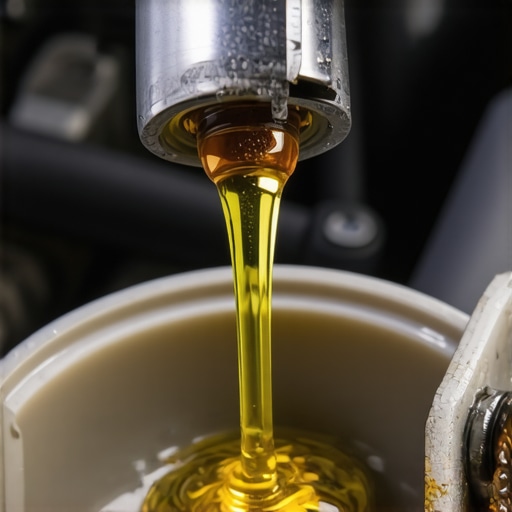
There was this one morning when I started my car, and instantly, I was hit with a strange, pungent smell. It wasn’t the usual fumes—it smelled like gasoline. My first thought? Is my engine leaking fuel? That lightbulb moment made me realize just how serious this issue could be. If you’ve ever experienced a similar situation, you know how unsettling it can be. The worry about potential engine damage or costly repairs starts swirling in your mind.
Decoding the Gasoline Smell in Your Oil
Engine oil smelling like gasoline isn’t just an annoyance; it’s a red flag. It indicates that unburned fuel has mixed with your oil, potentially thinning it out and reducing its effectiveness. This mixture can cause increased wear on your engine’s rings and other critical components. But what causes this fuel smell, and more importantly, what can you do about it? We’ll dive into the common causes and how you can address them before they turn into costly repairs.
Is Fule Smell Really Worrisome or Just a Passing Phase?
Early on, I made the mistake of dismissing this smell as a minor issue, thinking it would go away after an oil change. Turns out, that was a mistake. According to experts, persistent gasoline in your oil can lead to engine knocking, excessive wear, and even failure if left unchecked. Think of it as a warning sign that your engine’s combustion process isn’t quite right. If you’re curious about some related issues, like why your engine might smell like maple syrup when the heater is on, check out this helpful article: Why Your Car Smells Like Maple Syrup.Understanding what’s happening under the hood is the first step toward fixing it. In the sections ahead, I’ll share practical tips from my experience and trusted mechanics to help you diagnose and resolve this issue. So, have you ever faced a gasoline smell in your oil? If so, don’t worry—you’re not alone, and there are solid steps you can take today to protect your engine.
Check for Fuel Injectors and Vapor Leaks
Start your troubleshooting by inspecting your fuel injectors for leaks or damage. Use a flashlight to visually examine each injector and their seals for cracks or wetness. A leaking injector allows excess fuel into the combustion chamber, which then seeps into your oil. If you notice any leaks or damage, replace the faulty injectors promptly. Remember, a small crack here can cause fuel to flood your engine, making the oil smell like gasoline, similar to a moment I experienced when I found a cracked injector and replaced it myself, saving hundreds in repairs.
Test the Fuel Pressure Regulator
The fuel pressure regulator maintains proper fuel pressure within your system. If it malfunctions, it can cause excess fuel to enter the intake manifold and engine oil. Disconnect the vacuum hose connecting to the regulator and inspect for fuel presence—any fuel indicates a faulty regulator. Replacing the regulator is straightforward, and doing so cured the gasoline smell in my own car, restoring proper engine function.
Inspect the Crankcase Ventilation System
Your PCV (Positive Crankcase Ventilation) valve prevents vapor buildup. A clogged or stuck PCV valve can cause unburned fuel vapor to escape into the crankcase, contaminating your oil. Remove the PCV valve and shake it—if it’s stuck or rattles loosely, replace it. Cleaning might not resolve a faulty valve, and installing a new one will help eliminate the gasoline smell, as I discovered during my first repair attempt where a stuck PCV caused the odor.
Perform a Fuel Leak and Pressure Test
Use a professional leak detection kit to identify hidden leaks. Attach the kit to the fuel system and pressurize the lines; a rapid drop indicates leaks. Address any leaks by tightening connections or replacing damaged lines. This method is like using a stethoscope to locate a heartbeat—precise and effective. During my experience, a small crack in the fuel line was causing fuel to seep into the oil; replacing it resolved the issue instantly. Be cautious and consider professional help if you’re unsure.
Check the Engine Management System Sensors
Faulty sensors, such as the oxygen sensor, can cause the engine to run rich, flooding the cylinders with fuel that can overflow into the oil. Use an OBD-II scanner to check for error codes indicating sensor malfunctions. Replace malfunctioning sensors to restore optimal fuel mixture and prevent excess fuel from contaminating your oil. I once diagnosed a bad oxygen sensor that was causing a fuel-rich mixture—replacing it took care of the gasoline smell and improved fuel economy.
Schedule a Professional Inspection if Needed
If you’ve performed these steps and the smell persists, it’s time to consult a trusted mechanic. Sometimes, internal engine issues like worn piston rings or a damaged fuel pump can cause fuel to leak into the oil. An expert can perform compression tests and other diagnostics to pinpoint the source. My own experience with persistent odor taught me that an unresolved internal leak can cause severe engine damage—so timely professional help is crucial.
Addressing gasoline smell in oil isn’t just about eliminating an unpleasant odor; it’s about preventing engine damage and costly repairs. By systematically inspecting your injectors, regulators, PCV system, and sensors, you can identify and resolve the root cause efficiently. Remember, regular vehicle diagnostics and maintenance are your best defenses against unexpected breakdowns.
Many car owners believe they know the basics of auto repair, but in reality, several misconceptions can lead to costly mistakes. For example, many think that a simple oil change fixes all engine issues, yet neglecting other vital services like proper brake inspection or comprehensively diagnosing the vehicle can cause problems to worsen unnoticed. Experts recommend regular, detailed diagnostics to catch hidden issues early, which is often overlooked by DIY enthusiasts who rely solely on symptom-based fixes.
Is Your Approach to Brake Service Actually Saving You Money or Causing Headaches?
Contrary to popular belief, simply replacing brake pads without inspecting rotors, calipers, and brake fluid quality can lead to more frequent repairs down the line. Proper brake maintenance involves understanding that pads are just one part of an intricate system; neglecting the rest can result in uneven wear or brake failure. According to industry standards, comprehensive brake service is vital for safety and longevity, yet many skip these crucial steps, risking major damage. You can see more about common pitfalls in brake maintenance in this detailed guide: The brake pedal trick to find a failing master cylinder.
Another misconception is that vehicle diagnostics are only necessary when the check engine light turns on. In truth, advanced diagnostics can reveal subtle sensor malfunctions that aren’t immediately obvious but significantly impact fuel efficiency and engine health. For instance, a failing oxygen sensor can trick your engine management system into running rich, leading to unnecessary fuel consumption and potential damage. Explore how to spot such issues before they escalate here: The sensor that makes your engine die at every stop sign.
Many mechanics and DIYers alike tend to overlook the importance of understanding the nuanced differences between standard and premium oils. Using the wrong oil weight or type for your engine, especially in high-mileage vehicles, can cause increased wear and reduced performance. Did you know that synthetic oils offer superior protection for turbocharged engines and high-performance models? Find out why choosing the right oil isn’t just about viscosity but about tailored protection: Why synthetic oil is the only thing keeping your turbo alive.
In all these cases, avoiding the common myths requires an informed approach rooted in understanding your vehicle’s specific needs. Regular, detailed diagnostics combined with tailored maintenance practices can catch issues long before they become emergencies. Don’t fall into the trap of basic fixes that only treat symptoms—dig deeper, and you’ll extend your car’s life while saving money. Have you ever fallen into this trap? Let me know in the comments.
Mastering ‘Keeping It Working’ with the Right Equipment
Investing in quality tools tailored for auto repair is crucial for ensuring long-term vehicle health. My go-to setup includes a high-quality OBD-II scanner, like the Autel MaxiScan MS300, which offers comprehensive code reading and live data streaming. This device lets me quickly identify sensor malfunctions, such as a faulty oxygen sensor, that can cause issues like engine misfires or poor fuel economy, as detailed in this article.
Complementing scanners, I rely on a precision digital multimeter for electrical diagnostics. A multimeter like the Fluke 115 enables me to pinpoint parasitic drains or failing alternators before they leave me stranded, especially during extreme weather or long drives. Remember, early detection through such tools saves time and money on costly repairs.
To address fluid and leak issues, I emphasize the importance of a dependable pressure tester. A good kit allows me to perform fuel pressure and leak tests efficiently, similar to professional diagnostics. For example, detecting a dying fuel pump early prevents unexpected stalls, as explained in this guide.
But technology alone isn’t enough—regular maintenance routines are vital. I schedule periodic oil analyses using testing kits to check for contamination, including gasoline or coolant leaks, which can be signs of internal engine wear. Also, inspecting your headlight wiring can prevent electrical issues that dim your visibility at crucial moments.
Looking ahead, the trend points to integrated diagnostic systems powered by AI, providing ongoing vehicle health insights via smartphone apps. Embracing smart tools will streamline maintenance and catch problems early, saving you headaches and expenses.
How do I keep my vehicle running smoothly over time?’
Focus on routine checks, upgrading your diagnostic tools, and staying informed about sensor and electrical system health. For instance, regularly inspecting your heater system can prevent unexpected breakdowns, especially in winter months. Additionally, adopting proactive measures like checking sunroof drains and other leak-prone parts maintains the integrity of your vehicle’s interior and electrical components. By combining these approaches and leveraging advanced diagnostic tools, you ensure your car stays dependable for miles to come. Don’t just wait for problems—get proactive with regular diagnostics and quality tools to keep your vehicle working optimally.
Lessons That Only Comes From Wrench-Turning Experience
One of my biggest realizations came early when I learned that not every gasoline smell points to a simple fix. Sometimes, quick fixes like an oil change are just band-aids on deep-rooted issues. Remember, patience and deep diagnostics often reveal the real culprits, saving you more than a few bucks in the long run. Another lightbulb moment was discovering that a small, overlooked sensor can cause major engine trouble—test sensors regularly, and you’ll prevent a lot of surprises. The biggest lesson? Never dismiss persistent warning signs; they’re your best allies in vehicle longevity. Lastly, I’ve learned that investing in quality diagnostic tools becomes a safeguard—early detection in vehicle diagnostics can be game-changers before costly repairs creep in.