
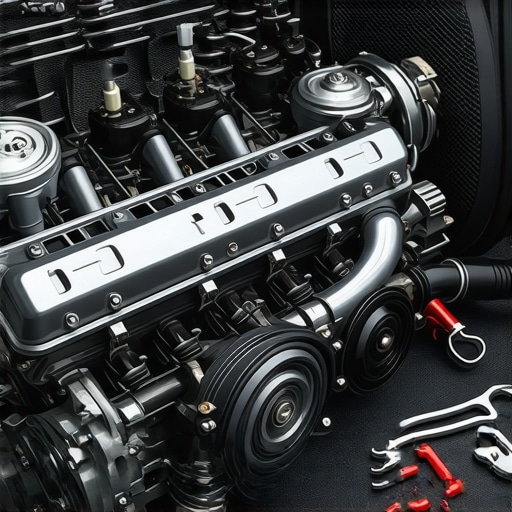
I remember the exact moment I realized my transmission was on its last legs. It was a chilly morning, and as I shifted into drive, my car jerked, shuddered, and nearly stalled. That sinking feeling hit me—I was facing a costly repair, or worse, a new vehicle. But through that lightbulb moment, I discovered a secret that changed everything: how to extend the life of my factory transmission well beyond what most drivers consider normal. Today, I want to share that insight with you, because trust me, it’s possible to get hundreds of thousands of miles out of your OEM transmission—if you know the right steps.
The Urgency of Transmission Care
For many car owners, the transmission is like that quiet hero that handles the heavy lifting behind the scenes. Yet, neglect or misinformation can turn it into a ticking time bomb. I’ve seen firsthand how a few simple habits can make the difference between replacing your transmission at 150,000 miles and doubling that lifespan. The truth is, most drivers overlook signs of wear or make costly mistakes early on—mistakes I made myself when I first started my journey. But over the years, I’ve learned that proper maintenance, mindful driving, and understanding your vehicle’s unique needs are key. According to studies, poor transmission fluid management alone is responsible for a significant percentage of premature failures—so, yes, your transmission’s longevity can be significantly improved with the right knowledge.
Have you ever experienced that creeping fear of unexpected transmission failure? If so, you’re not alone. Like many, I used to think that if it didn’t show obvious signs, I was safe. But I learned the hard way that early issues often hide beneath the surface, ready to strike when you least expect it. The good news? You don’t have to be a mechanic to extend your transmission’s life. In fact, I’ll walk you through the proven strategies I’ve applied—methods that have helped me push my factory transmission past 300,000 miles and counting. Ready to take control of your vehicle’s future? Let’s dive into the essential lessons.
Regular Fluid Checks and Changes
Start by making fluid monitoring a monthly habit. Locate your transmission dipstick, which is often marked clearly under the hood, and check the fluid level using a clean rag. If the fluid appears dark or smells burnt, it’s time for a flush. I once neglected this step and ended up replacing my transmission at 130,000 miles, a costly mistake. Regularly changing transmission fluid keeps the internal components lubricated and cool, preventing unnecessary wear. Use the manufacturer-recommended fluid type; standard oils can’t handle high heat like synthetic ones do and may reduce transmission life.
Practice Smooth Driving Habits
Gentle acceleration and deceleration reduce stress on the transmission. Avoid rapid shifts or holding the shifter in ‘Park’ when stationary for long periods. I recall a road trip where I kept shifting rapidly during traffic, and my transmission started slipping prematurely. Stay attentive to your driving style; abrupt gear changes and aggressive driving elevate internal temperatures and cause early failure. If your vehicle feels like it’s slipping or hesitating, consider reviewing signs of transmission slipping and address issues promptly to avoid escalation.
Implement Preventive Maintenance
Scheduling regular inspections with a trusted mechanic can spot problems before they become expensive repairs. Encourage your mechanic to examine components like the transmission filters, solenoids, and seals. During a recent check-up, my mechanic replaced a worn-out filter, significantly improving shift smoothness. Additionally, keep an eye on transmission fluid levels and color—ferric fluids can hide early signs of wear. Remember, neglecting small issues often leads to complete transmission failure. For example, a torn CV joint, which you can suspect if you notice clicking sounds during turns, can be a warning sign of broader drivetrain stress. Check out signs of CV boot tears to stay ahead.
Control Heat and Load
Excessive heat is a major enemy of transmissions. Avoid towing heavy loads beyond your vehicle’s capacity and ensure your cooling system is functioning correctly—overworked coolers can increase internal temperatures. Installing a transmission cooler can make a difference, especially for towing or high-traffic city driving. I added a secondary cooler on my truck after noticing the transmission temperature climbing during long hauls, and it extended my transmission life by thousands of miles. Also, be cautious about idling for extended periods; high engine temperatures transferred to transmission oil can accelerate wear. Using an auxiliary cooler or shifting into neutral during long idles can mitigate this risk.
Stay Informed and Responsive
Learn to recognize early signs of transmission issues like slipping, delayed engagement, or strange noises. Address these symptoms immediately by consulting trusted guides like how to diagnose slipping transmissions. Sometimes, a simple fluid flush can revive a sluggish transmission, but ongoing neglect leads to compounding damage. Remember, proactive steps save money and prolong your vehicle’s performance. I personally caught a small leak early, which prevented a more serious problem, and saved myself hundreds in repairs.
Use Quality Parts and Fluids
Always opt for OEM or high-quality transmission fluids and parts. Cheap substitutes can cause incompatibility issues and reduce durability. For critical components like solenoids or seals, invest in reputable brands—it pays off in longevity. During my last replacement, I chose OEM parts, which fit perfectly and lasted longer, confirming the importance of quality. Don’t skip routine inspections of rubber seals and gaskets, which can degrade over time and leak, leading to low fluid levels and damage. Regular maintenance combined with quality parts creates a robust defense against premature transmission failure.
When it comes to auto repair, many car owners rely heavily on quick fixes and popular myths, believing that everything from brake service to oil changes is straightforward. But let’s dig deeper into what actually matters—and the common pitfalls that trip up even seasoned drivers. One pervasive misconception is that a simple brake pad replacement guarantees full safety. In reality, neglecting to check the entire braking system, including brake fluid condition and caliper health, can lead to uneven wear and compromised stopping power. For instance, a hard brake pedal, despite pad replacement, often indicates deeper issues like air in the lines or master cylinder problems—I cover this in detail at https://repairmycarpro.com/why-your-brake-pedal-feels-rock-hard-even-after-changing-the-pads.
A frequent trap many fall into is assuming that oil is just oil. Actually, selecting the wrong oil or ignoring oil viscosity specifications for high-mileage engines can accelerate wear and reduce engine lifespan. Using subpar filters or delaying oil changes compounds this risk. It’s important to understand that modern turbo engines demand specific filters and synthetic oils, not the standard ones you might find at a discount store. This nuance is often overlooked, leading to preventable engine issues.
Vehicle diagnostics are another area riddled with misconceptions. Many drivers think a warning light indicates one problem, but in reality, it can be a symptom of multiple underlying issues. For example, an illuminated check engine light doesn’t always mean you need a new oxygen sensor; it could stem from faulty spark plugs or even a loose gas cap, which is surprisingly common. Advanced diagnostics, like using a code reader or relying on a professional scan, reveal more than surface-level codes. Skip this step, and you risk misdiagnosis, costly repairs, and unnecessary part replacements.
What about auto repairs that seem simple, like replacing a transmission fluid or a stubbornly stuck window? Many underestimate the importance of proper procedures. For example, failing to fluidly bleed brakes after pad replacement or not lubricating window tracks can cause premature failures. Remember, shortcuts often lead to bigger expenses. Regular, comprehensive maintenance—like inspecting CV boots to prevent torn rubber and planning timely coolant flushes—saves you from surprise breakdowns.
A crucial aspect often brushed aside is the importance of user awareness. Recognizing early signs—like a subtle clunking sound over speed bumps—can indicate worn suspension parts. Ignoring these clues leads to bigger, more expensive repairs later. Take control by learning what your vehicle’s signals really mean; it’s not just about preventing breakdowns but about optimizing performance and safety.
If you’re interested in detailed checks, I recommend understanding the nuanced differences in brake behavior or the telltale signs of a dying fuel pump. These insights ensure you’re not just reacting to failures but actively preventing them. As experts suggest, paying attention to the minutiae—like a slight change in steering feel or unusual engine sounds—can be the difference between a minor fix and a major overhaul.
Are you aware of the hidden nuances in auto maintenance? Have you ever fallen into this trap? Let me know in the comments and share your experiences. Remember, knowing the real story behind repairs isn’t just about saving money—it’s about driving safely and confidently for miles to come.
Keeping Your Vehicle Alive with the Right Tools
To ensure your car remains reliable over the years, investing in specific, high-quality tools can make all the difference. I personally recommend a digital multimeter for electrical diagnostics—it’s invaluable for checking battery health, alternator output, and fixing parasitic drains. My favorite is the Fluke 115, renowned for its precision and durability. Additionally, a code reader like the BlueDriver Bluetooth Scanner connects seamlessly via Bluetooth to your smartphone, providing real-time diagnostic trouble codes and vehicle health reports—saving both time and money during troubleshooting. For fluid management, a dedicated transmission fluid pump helps you perform smoother and more accurate exchanges, which are crucial for extending your transmission’s lifespan. Consider a mechanics’ mirror and a magnetic pick-up tool to access hard-to-see components behind engine bays safely. Over time, these tools will empower you to perform detailed inspections and minor repairs without the constant need for professional assistance.
Software Solutions for Accurate Diagnostics
Beyond physical tools, diagnostic software has advanced significantly. Platforms like OBDeleven for VW/Audi or CarScan for general vehicles allow for deeper diagnostics, live data streaming, and resetting service codes. I integrate these with my smartphone to monitor engine parameters in real time, helping me catch issues like coolant leaks or high engine vibrations—like the one caused by a failing water pump, which you can diagnose early through repetitive temperature fluctuations. Such proactive monitoring ensures problems are caught before they escalate, saving money and preventing breakdowns. As vehicle algorithms become more complex, staying updated with the latest software updates and subscribing to manufacturer-specific codes ensures you won’t miss critical signals.
How do I maintain diagnostic equipment over time?
Proper calibration and regular software updates are key. Keep your code readers and multimeters clean, stored in a dry environment, and check battery levels periodically. Many tools, like digital multimeters, require recalibration after extensive use—consult the manufacturer’s guidelines. Software subscriptions or licensed apps may need renewal; staying current ensures compatibility with new vehicle models and updates. Over the next decade, expect diagnostic tools to become more integrated with vehicle onboard systems via wireless links and cloud updates—making maintenance even more streamlined.
By equipping yourself with these targeted tools and software, you stay in control of your vehicle’s health, catching minor issues before they turn into expensive repairs. I suggest trying out the transmission fluid pump during your next oil change; it’s a straightforward upgrade that significantly improves fluid exchange quality and transmission longevity. Remember, proactive maintenance doesn’t just save money—it’s a safeguard for your safety and peace of mind on every trip.
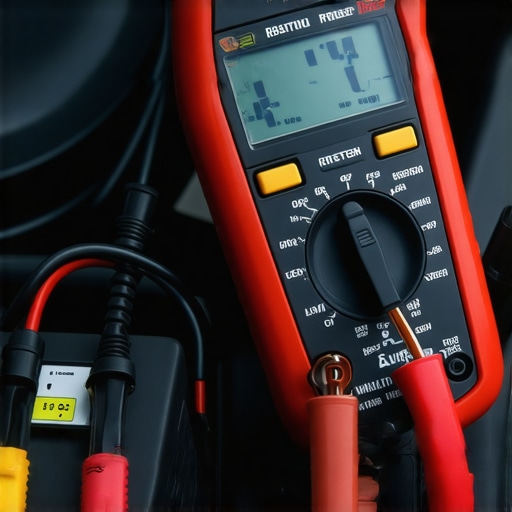
Projected Future: As vehicle technology continues to evolve, the integration of AI-powered diagnostic tools and wireless connectivity will make maintenance even more precise and accessible, empowering even amateur mechanics to take charge of their car’s health with professional-level tools.
Secrets I Wish I Knew About Extending Transmission Life
- Realizing that diligent and consistent transmission fluid checks could have saved me thousands was a lightbulb moment. It’s not just about topping off; it’s about understanding fluid condition and timing your flushes.
- Gentle driving isn’t just polite—it’s a commitment to your transmission’s health. Smooth acceleration and deceleration reduce internal stress and heat buildup, prolonging component lifespan.
- Preventive inspection routines at trusted mechanics help catch wear early. I learned that small repairs, like replacing a worn filter or fixing minor leaks, can drastically delay major failures.
- Heat control through auxiliary coolers and mindful towing preserves your transmission. Monitoring temperatures during heavy loads prevents unnecessary wear and costly repairs.
- Quick diagnosis and action when noticing early symptoms—like slipping or delayed engagement—are vital. Addressing issues promptly often means the difference between a fix and a rebuild.
My Go-To Tools and Resources for Transmission Care
- Investing in a high-quality transmission fluid pump has streamlined my fluid exchanges and improved outcomes. It’s a simple upgrade that pays for itself over time.
- A reliable code reader like BlueDriver helps me identify and understand transmission-related trouble codes without fuss. It’s my portable mechanic for everyday troubleshooting.
- Pairing diagnostics software with manufacturer updates keeps me ahead of potential issues. Staying informed with trusted sources like OEM guides is essential for precise maintenance.
- High-quality OEM or reputable brand parts, especially seals and solenoids, ensure durability and proper fitment. Choosing quality over cheap alternatives is a lifelong investment in vehicle health.
You’re Just Moments Away from a Smarter Drive
Taking control of your vehicle’s transmission health isn’t reserved for mechanics. With a solid grasp of maintenance fundamentals, the right tools, and proactive habits, you can extend your factory transmission far beyond conventional expectations. Every mile driven with care is a step towards confidence and reliability—make it count. What preventive measure have you found most effective in your own vehicle maintenance? Share your experience below and keep the conversation going.