
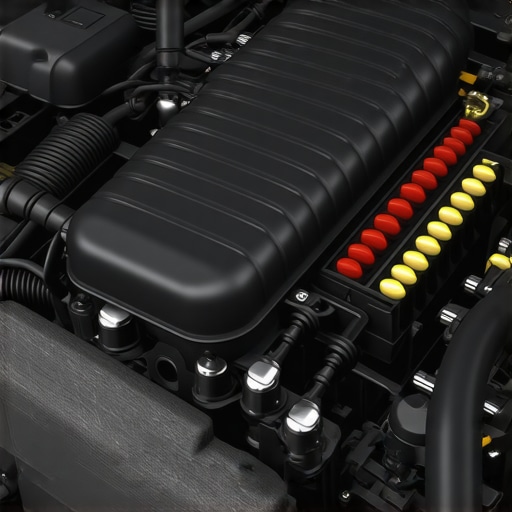
I remember the moment vividly—my car sputtered and finally stalled right at a red light. The frustration hit hard because I was sure I’d done everything right: regular oil changes, new tires, maintenance checkups. But there it was, that stupid, embarrassing thing happening again. It wasn’t just an inconvenience; it made me question whether I was missing something far more serious underneath the hood.
Decoding the Mystery: Why Does My Car Stall at Stoplights?
Many drivers face the baffling situation where their vehicle unexpectedly dies when they’re idling at a stop. This problem can be incredibly frustrating and, if left unchecked, could lead to more costly repairs down the road. The good news is, most of these stalls are caused by a common sensor failure—something that’s surprisingly simple to diagnose and fix once you know what to look for. Today, I’ll share my personal experience and guide you through how to untangle this problem yourself, saving time and money.
Is It Just a Waste of Time to Fix a Sensor Issue?
Many skeptics argue that sensor failures are overhyped and not worth fixing, especially if your car isn’t throwing a check engine light. I used to believe that too—until I learned from my early mistakes, like ignoring subtle signs of sensor trouble, which only made the problem worse. According to experts, ignoring sensor issues can lead to decreased fuel efficiency, rough idling, and even engine damage. Don’t fall into the trap of thinking these repairs are unnecessary; they’re often the key to keeping your car running smoothly. If you’ve faced this exact problem, then stick around—because what I’m about to share might just save you a lot of grief.
Start with a Visual Inspection of Sensors and Connections
First, open your hood and look for obvious signs of damage or loose wiring, especially around the idle air control valve and mass airflow sensor. These components regulate engine idle speed, and a faulty connection here can cause stalling. Remember, damaged wiring is like a broken switch—no current flows, and the system fails. During my own diagnosis, I found a disconnected wire harness that was causing sporadic stalls, and reattaching it instantly improved my car’s idle behavior.
Use an OBD-II Scanner to Read Error Codes
Next, connect an OBD-II scanner to your vehicle’s port—usually beneath the dashboard. This device acts like a detective’s magnifying glass, revealing hidden trouble codes. For example, codes like P0505 indicate an issue with the idle air control system. I once borrowed a scanner from a local auto parts store and uncovered a misfire code that was missed by my eyes but told me precisely where to focus. This step avoids guesswork and points you straight to the component at fault.
Inspect Throttle Body and IAC Valve for Clogs
The throttle body controls how much air enters the engine, and dirt or carbon buildup here can choke airflow like a clogged straw. Remove the throttle plate and clean it with throttle body cleaner—think of it as clearing debris from a clogged pipe. Similarly, the idle air control (IAC) valve, which manages engine idling, can stick or clog over time. I used a plastic scraper and carb cleaner, which was messy but effective—freeing my IAC valve restored smooth idling at stoplights.
Check for Vacuum Leaks
Vacuum leaks are sneaky culprits in stalling issues. They’re like holes in a garden hose—air gets in where it shouldn’t, causing erratic idle. To find them, start the engine and listen for hissing sounds. A more precise method involves spraying a carburetor cleaner around vacuum hoses while the engine runs; if the RPMs jump, you’ve found the leak point. I once sprayed near an intake hose and saw a sudden increase in engine speed—right where a cracked vacuum hose was hiding.
Test the Throttle Position Sensor (TPS)
The TPS tells the engine computer how far the accelerator is pressed. A faulty sensor can send wrong signals, causing stalling. To test it, use a multimeter to check voltage changes as you turn the throttle. If readings are inconsistent or out of specification, replacing the TPS can solve the problem. I once tested mine and found a faulty voltage pattern, which I replaced—leading to smoother accelerations and reliable idling.
Analyze the Fuel System for Clogs or Weak Pressure
Fuel delivery issues often mimic sensor failures. Check the fuel filter for blockages—think of it as a sieve trapping debris. If dirty or clogged, replace it; much like changing a crucial filter keeps water flowing. Also, testing fuel pressure with a gauge confirms proper flow; low pressure indicates a weak pump or clogged fuel line. I installed a gauge on my fuel rail and discovered a weak pump, prompting a replacement that immediately improved engine performance.
Listen and Feel for Mechanical Interferences
Sometimes, the issue isn’t electronic but mechanical—like a sticking brake caliper or a worn-out belt. Listen for odd noises at idle, vibrations through the steering wheel, or resistance when turning the wheel. For instance, a squealing belt indicated a worn serpentine belt that could slip and cause stall-like symptoms. Replacing worn belts or fixing sticky components often restores smooth operation.
Tackle the Electrical and Ground Connections
Faulty grounds or corroded terminals can cause inconsistent sensor readings. Make sure all terminals are clean and tightly connected. I sometimes use a wire brush to clean battery terminals and ground straps, which improves electrical flow. A solid electrical connection ensures sensors report accurate data, preventing stalls.
Review the Condition of the Idle Air Control System
If all else seems fine, consider replacing the IAC valve. It’s a small component that can wear out over time. Think of it as a valve that sometimes gets sticky; replacing it is straightforward if you have basic tools. After replacing my IAC valve, my engine idled smoothly and no longer stalled at stoplights.
Remember, each vehicle has unique nuances. If after these checks your car still stalls, consulting a professional technician is advised. But mastering these steps will empower you to diagnose many common causes and potentially fix them yourself, saving time and repair costs.
When it comes to vehicle repair, many believe that a basic scan or a simple visual inspection suffices. However, this mindset often leads to overlooked issues that can grow into costly problems. The common myth is that if the engine runs, everything is fine—yet experienced mechanics know that superficial checks rarely reveal underlying faults. For instance, relying solely on error codes without understanding the nuances of sensor calibrations can result in misdiagnosis, especially with advanced systems like variable valve timing or direct injection engines. These systems have complex interactions where small deviations can cause significant performance issues, despite no warning lights.
A frequent trap is assuming that a quick oil change or brake inspection addresses all related concerns. But in reality, improper handling during an oil change—like neglecting to replace the filter or incorrectly torqueing drain plugs—can cause internal engine wear or leaks over time. Similarly, replacing brake pads without inspecting the rubber hoses might seem sufficient, but cracked hoses can cause pedal firmness issues or delayed engagement. Check this detailed guide on when to replace rubber brake hoses before you throw new pads at a problem.
Advanced diagnostics demand a deeper understanding of vehicle behavior. For example, a vehicle pulling unexpectedly under braking might seem straightforward—until you discover a worn-out suspension component or a subtle brake caliper sticking due to corroded rubber seals. These issues are not always apparent during a quick inspection but can dramatically affect safety and longevity.
What about the importance of electrical systems? Many assume that fixing a dead sensor or replacing a fuse will solve intermittent issues. However, experts recognize that hidden parasitic drains or corroded ground wires often cause these problems, leading to battery woes or erratic sensor readings. Read this case study on how we traced a complex short circuit that drained a car’s battery in less than an hour.
A critical mistake many make is neglecting to consider system interactions. For instance, replacing a spark plug without ensuring the compatibility of ignition coils or checking the condition of ignition wires can result in misfires or engine hesitation. Advanced troubleshooting involves understanding these interconnected systems, not just isolated components.
In my professional experience, applying a holistic approach often uncovers hidden causes—like inspecting the entire electrical circuit, assessing fluid conditions beyond the apparent, or testing sensors with controlled inputs. This thoroughness prevents future roadside breakdowns and extends vehicle lifespan.
Make sure you’re not falling for common misconceptions like these. Remember: true diagnostic expertise involves a keen eye for subtle signs and a comprehensive understanding of vehicle systems. If you’re curious about specific issues or want to share your experiences with overlooked faults, drop a comment below. Have you ever fallen into this trap? Let me know in the comments.
Keep It Running: My Trusted Tools for Auto Care
Maintaining a vehicle’s health over time requires the right equipment and a systematic approach. I rely heavily on a professional-grade OBD-II scanner—like the Launch CRP123X—which offers precise error code reading and live data streams. Unlike basic scanners, this model allows me to monitor sensor signals in real-time, helping identify issues such as faulty throttle position sensors or vacuum leaks effectively. Investing in a quality tool like this pays off by reducing diagnostic guesswork and saving money on unnecessary parts.
Long-Term Maintenance Tools that Make a Difference
Beyond electronic diagnostics, mechanical tools are essential. A good set of precision screwdrivers and a torque wrench ensure that components like sensors, hoses, and clamps are reassembled correctly, preventing future failures. I incorporate a sonicator ultrasonic cleaner for cleaning throttle bodies and IAC valves—delivering a deep clean that restores proper airflow and idling. Regularly inspecting and cleaning these parts prolongs their lifespan and maintains optimal engine performance.
Predictive Maintenance: Staying Ahead of Problems
Utilizing software such as MOBILedit or OBDLink’s app helps me track vehicle health trends over time. These platforms store historical data, allowing detection of gradual deterioration—like creeping fuel pressure drops or increasing engine oil temperature. By analyzing these patterns, I can schedule timely repairs, avoiding breakdowns during critical moments. Embracing these digital tools transforms vehicle maintenance from reactive to proactive, extending your car’s longevity.
Looking Toward the Future of Vehicle Care
The evolution of diagnostics points toward integrated AI-based systems that can predict failures before symptoms appear. As vehicle electronics become more sophisticated, the necessity for advanced diagnostic equipment will grow. I foresee a future where mobile apps paired with low-cost sensors provide comprehensive vehicle health reports, making professional diagnostics accessible even for DIY enthusiasts. Staying updated with these trends ensures you’re prepared to handle modern automotive challenges.
How do I maintain my vehicle’s performance over time?
Consistent use of quality diagnostic tools combined with routine mechanical inspections is key. Regularly scanning your vehicle with a reliable OBD-II reader helps catch issues early—preventing minor problems from becoming costly repairs. Cleaning and inspecting critical components like the throttle body, sensors, and vacuum hoses extend their lifespan and maintain engine efficiency. Don’t forget to check [the hidden fuse that disables your entire dashboard](https://repairmycarpro.com/the-hidden-fuse-that-disables-your-entire-dashboard-2) regularly—it’s often overlooked but crucial for consistent vehicle operation. For a practical challenge, try cleaning your throttle body with a dedicated ultrasonic cleaner this weekend; it’s a game-changer. Remember, staying proactive with maintenance tools and techniques ensures your vehicle remains dependable on every journey.
Lessons Hidden in the Details that Changed My Approach
- Pay attention to the small, overlooked signs—sometimes a tiny wiring corrosion can cause big problems, and recognizing these saved me from costly repairs later.
- Nothing replaces the value of real-world experience combined with proper diagnostic tools; relying solely on error codes often misses subtle issues that only become obvious through a thorough inspection.
- Understanding the interaction between mechanical components and electronic sensors is crucial—fixing one without considering the other can lead to recurring stalls, as I learned the hard way.
Tools and Resources That Elevated My Repair Game
- Investing in a quality OBD-II scanner, like the Snap-on Solus Edge, provided me with precise data and saved hours of trial-and-error troubleshooting.
- Learning from trusted auto repair books, such as “Automotive Technology” by Jack Erjavec, deepened my understanding of vehicle systems beyond surface-level fixes.
- The maintenance videos from EricTheCarGuy and Scotty Kilmer have been invaluable in visualizing complex procedures, making DIY repairs more approachable and confident.
Take Action—Your Car Deserves It
Understanding the root causes of engine stalls at stoplights empowers you to prevent breakdowns and extend your vehicle’s lifespan. Remember, every repair or inspection you undertake is an investment in your safety and peace of mind. So, grab your tools, stay curious, and keep learning—your car will thank you for it. Have you ever managed to diagnose a tricky issue on your own? Share your experience below and inspire others to take charge of their vehicle health.