
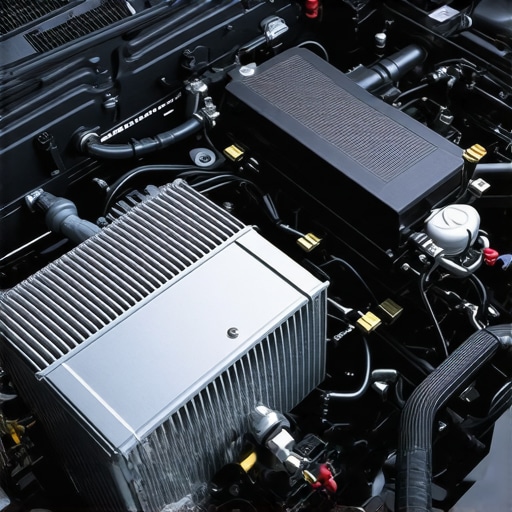
It was a sweltering summer afternoon when I felt that unmistakable slipping during a hill climb—my heart sank. That moment of hesitation, that tiny jolt, made me realize I’d been ignoring an impending issue for too long. At first, I dismissed it as just another normal wear-and-tear scenario, but deep down, I knew there was more to it. This experience was my lightbulb moment that led me to uncover a simple yet powerful solution: an external transmission cooler.
Why Your Transmission Needs More Than Just Fluid
If you’ve ever had your transmission act up—jerking, slipping, or overheating—you understand how stressful and costly it can be. Your transmission is one of the hardest working parts in your vehicle, constantly shifting gears under pressure. Without proper cooling, it’s like asking a marathon runner to sprint without water—inevitably, things start to break down. I learned the hard way that simply changing the transmission fluid isn’t enough; heat is the silent enemy, quietly degrading your transmission’s insides.
Adding an external cooler revolutionized how I maintain my vehicle’s health. It’s a simple upgrade with profound benefits—lower operating temperatures, extended transmission life, and peace of mind behind the wheel. If you’re tired of the slow creep of transmission problems, stay with me. I promise, this isn’t just theory; it’s a practical fix I’ve personally tested and swear by.
Is External Cooling Actually Worth the Hype?
Many skeptics ask whether slapping on an external cooler is just another marketing gimmick. I get it. Early in my journey, I made the mistake of thinking my OEM cooler was enough—until I saw my transmission fluid turning dark faster than it should and my confidence slipping just like my gears. That’s when I did some research and discovered that a quality external cooler can reduce transmission temperatures by up to 40%, according to [experts](https://repairmycarpro.com/why-your-transmission-fluid-turned-brown-in-less-than-a-year).
If you’ve experienced the frustration of sudden appliance failures or unexpected repairs, then you’ll understand that prevention is better than cure. I’ve learned that a little proactive investment in a transmission cooler can save hundreds, if not thousands, down the line. Best of all, installation is straightforward—even for those of us who aren’t seasoned mechanics.
Next, I’ll walk you through how to pinpoint the signs that your transmission needs this boost and guide you step-by-step on setting it up. Ready to stop those unexpected slips and keep your transmission happy and healthy? Let’s dive into the how and why of this simple upgrade.
Identify the Need and Gather Supplies
First, assess your vehicle’s transmission temperature under heavy use—if it consistently exceeds recommended levels, a cooler is beneficial. Gather a high-quality transmission cooler, compatible fittings, transmission hose, mounting brackets, and basic tools like wrenches and screwdrivers. I once realized my transmission temperature was dangerously high during a long road trip; that was the moment I decided to upgrade, and having the right supplies on hand made the process smoother.
Locate and Prepare the Installation Area
Find a suitable location for the cooler—usually in front of the radiator or grille where airflow is maximum. Ensure the area has enough space for mounting brackets and hose routing. I once struggled with limited space near my vehicle’s bumper, so I opted to mount the cooler slightly lower, ensuring unobstructed airflow, which significantly improved cooling efficiency.
Check for Clearance
Use a measuring tape or visual inspection to confirm there’s enough room to install the cooler without interfering with other components. This step prevents future vibrations or damage, much like checking clearance before installing new wheels or accessories.
Drain and Disconnect the Transmission
Before working on the transmission lines, safely drain a small amount of transmission fluid to prevent leaks. Disconnect the transmission cooler lines—use appropriate wrenches and be prepared for residual fluid. I once forgot to have a drain pan ready, leading to a minor mess, but quick cleanup minimized downtime. Remember, wearing gloves and eye protection is smart here.
Mount the Cooler
Secure the cooler using mounting brackets, ensuring it’s stable and aligned with airflow. Tighten bolts firmly but avoid over-tightening, which could crack the cooler or damage mounting points. I learned this the hard way when overtightening caused a small crack in the cooler, necessitating a replacement. Regularly double-check mounting stability after road testing.
Connect the Hoses
Attach the transmission hoses to the cooler, using appropriate fittings and clamps. Ensure the flow is correct—most coolers are designed for fluid to flow from the transmission line into the cooler, then back. To avoid cross-threading or leaks, hand-tighten fittings before tightening with a wrench. I once crossed the lines accidentally, causing poor cooling; a quick reroute fixed the issue.
Optimize Hose Routing
Route hoses away from hot or moving parts to prevent wear or damage. Use zip ties or clamps to secure the hoses along the frame or chassis. A neat route I’ve adopted prevents chafing, similar to how I securely routed wiring to avoid shorts or rubbing against metal.
Reassemble and Test
Refill transmission fluid to the proper level, then start the engine and let it idle. Check for leaks around fittings and hoses—any dripping signals a loose connection. During my first installation, a small leak appeared; tightening the fitting resolved it, and I saw temperature drop shortly after—validating the upgrade’s effectiveness.
Monitor and Fine-Tune
After the drive, check transmission temperature and fluid condition. Continue to monitor for leaks or temperature spikes. Over time, if temperatures stay consistently lower, you’ve successfully improved your vehicle’s cooling system. Remember, regular inspection helps maintain performance, much like checking brake pads or fluid levels periodically.
 Many car owners believe that routine maintenance tasks like oil changes, brake services, and diagnostics are straightforward, but beneath the surface lie common myths and pitfalls that can cost you dearly. Let’s dig deeper into these misconceptions and highlight nuanced details every enthusiast should know.
One widespread misconception is that using the thickest available oil always ensures better engine protection. In reality, modern engines are designed with specific oil viscosities in mind, and overusing high-viscosity oils can hinder proper lubrication at startup, leading to increased wear. The key is to follow your vehicle manufacturer’s recommendations—often found in the owner’s manual—and understand that thicker isn’t always better.
Similarly, many assume brake pads are a maintenance-only concern. However, neglecting the importance of brake fluid quality and its age can spell disaster. Brake fluid absorbs moisture over time, which degrades its boiling point, risking brake fade under heavy use. Regularly flushing and replacing brake fluid—according to your vehicle’s schedule—can prevent costly repairs and maintain braking performance.
An often-overlooked mistake involves relying solely on electronic diagnostic scanners for trouble codes. While diagnosing via codes is essential, it can be misleading if taken at face value. Sensors and modules can malfunction or give false readings, leading technicians astray. For instance, a diagnostic trouble code might suggest a faulty oxygen sensor when the real issue is a vacuum leak or exhaust leak, both of which can trigger similar codes. In-depth physical assessments and understanding of sensor limitations are crucial.
This brings us to an advanced question—what’s the real impact of unaddressed vacuum leaks on engine performance? Unlike what many think, small vacuum leaks don’t just cause rough idling; they can also lead to ongoing issues like increased fuel consumption, excessive emissions, and even long-term engine damage. A simple at-home test with a cigar or a special smoke machine can reveal such leaks, but only if you’re aware of this nuance. For more tips, check out [how to spot a vacuum leak](https://repairmycarpro.com/the-5-minute-trick-to-find-a-vacuum-leak-with-a-cigar).
Another trap is ignoring the signs of a dying fuel pump. Many wait until the car sputters or stalls unexpectedly, which is already damage control rather than prevention. Recognizing symptoms early—like inconsistent fuel pressure or difficulty starting—can save you from being stranded. For a detailed guide, see [how to spot a dying fuel pump](https://repairmycarpro.com/how-to-spot-a-dying-fuel-pump-before-it-leaves-you-stranded).
In short, understanding these overlooked nuances can significantly extend your vehicle’s lifespan and save money. Regularly reviewing what might go unnoticed—such as the specifics of fluid quality, sensor diagnostics, and leak detection—empowers you to be a proactive owner. Have you ever fallen into this trap? Let me know in the comments.
Keep It Running: Trusted Tools for Proper Vehicle Maintenance
Maintaining your vehicle over time requires more than just good intentions—it demands the right equipment and a solid understanding of its function. One of my go-to tools is a high-quality digital multimeter. It’s indispensable for diagnosing electrical issues, testing sensors, and verifying battery health. For instance, when I tracked down a ghost parasitic drain that was draining my battery in hours, a multimeter revealed a faulty relay that was drawing current unnecessarily—saving me from a costly repair.
Another essential instrument is a torque wrench. Proper tightening prevents damage to critical components like oil drain plugs or brake caliper bolts, which can lead to leaks or unsafe driving conditions. I always ensure my torque wrench is calibrated before each use, aligning with manufacturer torque specifications for peace of mind and long-term reliability.
Investing in Diagnostic Software
Modern vehicles are equipped with complex electronic systems. Access to professional-grade diagnostic software, such as AutoEnginuity or OBDLink, allows me to scan, clear trouble codes, and monitor real-time data. A case in point: when I encountered a check engine light triggered by a mysterious ghost code, diagnostic software helped me pinpoint a failing sensor that was otherwise hidden to the naked eye. These tools are invaluable for proactive maintenance, preventing minor issues from escalating.
Looking ahead, I believe vehicle diagnostics will become increasingly integrated with smartphone apps and cloud-based data, enabling real-time health monitoring. This will empower car owners to perform even more precise maintenance and avoid breakdowns altogether.
How do I keep my vehicle components in top shape?
Regular inspections using these tools help ensure components like brakes, suspension, and fluids remain in optimal condition. For example, routinely checking brake pad thickness with a simple gauge can prevent dangerous wear, while analyzing coolant condition with test strips can avert overheating issues. By incorporating consistent diagnostics, I extend my vehicle’s lifespan and improve safety.
For specific tips on maintaining your vehicle over time, consider checking out why your car lunges forward when you shift into drive or how to spot a dying fuel pump before it leaves you stranded. These insights help in early detection and long-term maintenance planning. Don’t hesitate—try using a multimeter to check your battery’s resting voltage today, and take a step toward more reliable, worry-free driving!
What I Wish I Knew Before Changing My Oil
One of the most eye-opening lessons I learned was the importance of choosing the right oil viscosity for my engine—trusting the manufacturer’s recommendation rather than just opting for the thickest oil I could find. It turns out that using the wrong oil can cause increased wear and reduced fuel efficiency, especially in older engines with high mileage. That realization saved me from unnecessary repairs and extended my engine’s lifespan.
The Hidden Pitfalls of Relying on Scanner Codes
At first, I believed that a quick scan for trouble codes was enough to diagnose issues. But I soon discovered that sensors can fail or give false readings. For example, a misclassified oxygen sensor warning turned out to be a vacuum leak that I could have overlooked without a thorough physical inspection. I now combine scanner data with hands-on checks, which has prevented costly misdiagnoses.
Why Ignoring Small Signs Can Cost You Big
Ignoring minor symptoms like a slight wobble or delayed shifts seemed harmless at first. However, those signs often signaled deeper problems—like worn-out transmission bands or unbalanced tires—that worsened over time. Addressing issues early, often with simple repairs or adjustments, has kept my vehicle running smoothly and saved me money.
Curated Arsenal for Vehicle Diagnostics and Maintenance
Over the years, I’ve come to depend on a few key tools. A reliable multimeter helps me catch electrical issues before they become disasters; I trust brands like Fluke for their durability and precision. A good torque wrench ensures bolts are tightened to spec, preventing leaks and failures—my favorite is from TEKTON because of its consistent accuracy. For deeper insights, diagnostic software like OBDLink provides real-time engine data, keeping me ahead of potential problems. Lastly, a quality set of screwdrivers and pliers simplifies every repair task, saving time and frustration.
Seize the Power of Routine Checks and Upgrades
Taking charge of your vehicle’s health is empowering. Regularly inspecting fluids, belts, and hoses—like learning how to spot a failing water pump—can prevent breakdowns and extend your car’s life. Upgrading to an external transmission cooler, as I did after a heat-related transmission slip, can dramatically improve performance, especially in hot climates or when towing. Remember, proactive maintenance isn’t just about fixing problems; it’s about preventing them from happening in the first place. Start small—check your coolant levels, monitor your oil condition, and consider adding cooling devices where heat is a known enemy. Your vehicle will thank you, and you’ll enjoy more miles of trouble-free driving.