
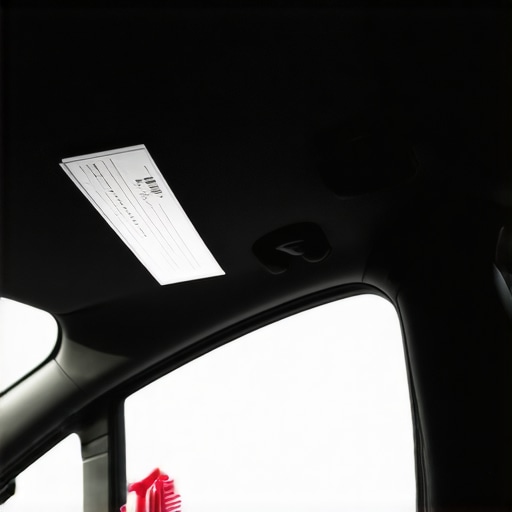
I’ll never forget the moment I looked up inside my car and saw my headliner hanging down like a wilted flower. It was embarrassing, frustrating, and honestly, a bit embarrassing—especially after spending so much on new tires and oil changes. That lightbulb moment hit me: why was I throwing hundreds at a mechanic when I could fix this myself for less than twenty dollars? If you’ve ever experienced a sagging headliner, you know exactly what I’m talking about—the annoying flaps, the dirt accumulation, and that feeling of defeat every time you get in your car. Well, good news! Today, we’re diving into a simple, budget-friendly way to get your headliner back in place without breaking the bank.
Revive Your Vehicle’s Interior Without Spending a Fortune
Your car’s headliner isn’t just about looks; it’s about safety, comfort, and maintaining your vehicle’s value. A sagging roofliner can obstruct your view, especially when it falls into your windshield—cue the panic. But here’s the thing: most fixes seem clunky, expensive, or require professional help. Not anymore. I discovered that with just a few cheap supplies, I was able to restore my headliner and save hundreds that would’ve gone to a shop. Whether you’re a seasoned DIYer or a newbie, this method is manageable, quick, and effective. Plus, it’s a great project to get your hands dirty and learn more about your car. Ready to make your car look like new again? Let’s get started!
Is a Cheap Fix Just a Waste of Time?
When I first considered fixing my headliner myself, I hesitated—those professional headliner replacements can cost over a hundred dollars. I worried about homemade remedies not holding up or making things worse. I even made the mistake of trying to glue it back without proper tools and ended up with a mess. Turns out, the key is using the right materials and not rushing. Trust me, I’ve tested some methods, and a simple, low-cost fix works surprisingly well if done right. Want to see how? Check out my step-by-step guide, and you’ll be surprised how easy this is. Want more tips on DIY auto repairs? Visit our auto repair hacks for money-saving advice.
So, if you’re tired of looking at that sagging headliner and want a quick fix that costs less than a fancy coffee, stick around. We’ll go through the materials you need, the straightforward steps, and some expert tips to ensure your fix lasts. Remember, a little effort now can save you a lot in the long run—and make your ride look fresh and clean again! Ready? Let’s dive into what’s needed and how to do it efficiently.
,
Gather Your Supplies and Prepare Your Workspace
First, gather the essential items: a spray adhesive suitable for fabric, a putty knife or spatula, a clean cloth, and a Steady hand. Choose a well-ventilated area, preferably outdoors or in a garage with open windows. Clear the interior of your car to avoid any accidental damage or loss of small tools. Remember, safety comes first—wear gloves and a mask if necessary. A specific time I fixed my headliner was during a sunny weekend—this helped the adhesive dry faster and kept the fabric smooth.
Remove the Headliner Board
Carefully detach the headliner board from the vehicle’s roof. Usually, this involves unscrewing or unclipping it along the edges. Think of it like removing a tight-fitting lid; patience is key. Use a screwdriver to loosen screws holding the trim panels, then gently pull the board free. Keep track of all screws and clips—organized storage prevents frustration later. This step is critical because a loose board allows better access for cleaning and re-gluing. I once hurried this part and accidentally cracked the board, so take your time.
Clean the Fabric and Board Surface
Next, vacuum or brush off loose dirt and dust from the fabric and the board. Use a damp cloth to wipe away stains or grime—this ensures the adhesive bonds properly. If the fabric is particularly sticky or has old glue residues, gently scrape or peel away a thin layer with a putty knife. My experience shows that a clean surface is vital; otherwise, the new adhesive won’t hold, leading to quicker sagging. This step is like preparing wallpaper; a smooth, clean surface ensures durability.
Apply the Adhesive with Precision
Spray the adhesive evenly onto both the fabric’s back and the foam or board surface. Hold the spray can about 10-12 inches away to avoid over-application. The key is to coat both surfaces thoroughly but not excessively—think of it like applying spray-on glue for crafts. Wait a few minutes per the adhesive’s instructions before pressing the fabric back onto the board. When I did this, I used a long-handled roller to press out air bubbles, resulting in a smooth finish. Remember, working in a well-ventilated area prevents inhaling fumes.
Reattach the Headliner Inside Your Car
Once the glue has set (usually after a few hours), carefully position the headliner back into the car. Align it with the roof’s mounting points and reattach the clips and screws systematically. Take your time—misalignment can cause sagging or wrinkles. When I reinstalled mine, I loosely fastened all clips first, then tightened them finally for even tension. Be cautious around wiring or lights integrated into the headliner to avoid damage.
Finish Up and Inspect Your Work
Finally, check for any loose edges or missed spots. Press down gently on the fabric to ensure it’s fully adhered. Clean away any excess adhesive around the edges with a damp cloth before it dries. After reinstalling, don’t rush to use the vehicle; give the adhesive time to cure fully—typically 24-48 hours. Once complete, you’ll have a fresh-looking ceiling that won’t distract or embarrass you every time you get in the car.
For further automotive insights, explore [auto repair hacks](https://repairmycarpro.com/auto-repair-hacks-save-money-without-sacrificing-quality), or learn about [vehicle diagnostics](https://repairmycarpro.com/vehicle-diagnostics-explained-easy-checks-before-your-road-trip) and how they can help you prevent costly repairs in the future.
Many car owners believe that vehicle diagnostics and repairs are straightforward, but the truth is far more nuanced. One common myth is that scanning for error codes alone provides a complete picture of your car’s health. In reality, advanced diagnostics involve interpreting sensor data, understanding the vehicle’s history, and recognizing the limitations of onboard systems. Relying solely on generic scanner codes can lead you to chase false positives or overlook underlying issues, causing unnecessary repairs or overlooked failures. Experts like those at auto diagnostics specialists emphasize the importance of comprehensive analysis beyond basic error codes.
A significant trap is assuming that every repair requires replacement parts or professional help. While it’s tempting to replace a failed component immediately, many advanced mistakes happen when drivers neglect proper troubleshooting or use inferior parts. For example, changing a sensor without confirming whether wiring or connectors are faulty can result in recurring problems. Moreover, many overlook the critical role of parts quality. Using cheap or counterfeit parts can compromise safety and longevity, especially in critical systems like brakes or the cooling system, which are often misunderstood or over-simplified. Learn more about auto repair strategies for frequent drivers to make smarter choices.
Switching gears, many believe that regular oil changes are just about topping off oil or adhering to time intervals. The real expertise involves understanding oil formulations, engine timing, and how newer technologies like synthetic oils contribute to engine longevity. According to oil change innovations, selecting the right oil type and change schedule based on driving habits and engine conditions can save you thousands in repairs over the vehicle’s lifespan.
Similarly, brake service is often misunderstood. Many think that squeals or vibrations automatically indicate replacement of brake pads or rotors. However, the nuanced approach considers whether brake calipers are sticking or if underlying issues, such as uneven wear or contaminated pads, are at play. Visiting brake service guide reveals the importance of precise diagnostics over blanket replacements.
Diving into the deeper layers of vehicle maintenance, it’s essential to recognize that genuine prevention comes from proactive diagnostics and understanding your car’s unique needs. Advanced tools like specialized vehicle diagnostics can identify issues long before they become costly failures, saving your time and money. Always question assumptions, such as the idea that DIY fixes are less effective; often, with the right knowledge, they outperform rushed professional repairs.
Have you ever fallen into this trap? Let me know in the comments. By debunking these myths and understanding the real nuances, you empower yourself to make smarter, safer decisions on the road.
Prioritize Regular Maintenance for Longevity
Consistent check-ups and upkeep are the foundation of a reliable vehicle. Scheduling routine oil changes with the latest advanced oil change techniques ensures your engine receives proper lubrication, reducing wear and tear. Similarly, monitoring brake performance using proven diagnostic tools helps prevent future failures and maintains safety. Stay ahead by adopting a proactive mindset—think of it as preventive medicine for your car.
Invest in Quality Diagnostic Devices
An accurate diagnostic tool can be a game-changer. I personally rely on multi-system scanners like the Launch X431 series because of their comprehensive coverage and user-friendly interface. These devices allow me to quickly interpret error codes, track sensor data, and detect issues early—saving me significant time and money from unnecessary repairs. As vehicle electronics become more complex, investing in reliable tools becomes essential to keep your ride smooth and safe. Advances in automotive diagnostics, such as those explained here, point toward a future where DIYers will be able to manage almost all repairs at home.
How do I maintain my vehicle’s health long-term?
Implementing a strict maintenance schedule, using high-quality parts, and staying informed about your vehicle’s specific needs are key strategies. Regularly inspecting brake components with trusted auto repair hacks ensures safety and efficiency. Also, consider developing a relationship with a trusted mechanic who can provide personalized advice based on your driving patterns. Long-term, these habits not only extend your vehicle’s lifespan but also enhance safety and driving pleasure.
Use Scaled Approaches for Maintenance and Repairs
As your vehicle ages, scaling your maintenance routines becomes crucial. For example, upgrading to synthetic oils using best practices can reduce engine stress, especially in high-mileage cars. Additionally, monthly visual inspections of belts, hoses, and fluid levels can catch issues before they escalate into costly repairs. Embracing these small, consistent steps will keep your vehicle performing optimally over time.
Stay Ahead with Technology
The automotive industry is heading toward greater reliance on sensors and AI-driven diagnostics. Future trends suggest a move toward semi-autonomous maintenance alerts, where your vehicle will notify you of potential issues before symptoms appear. Embracing current technology—like OBD-II scanners and mobile diagnostic apps—sets the stage for seamless, long-term vehicle management. I urge you to try out an advanced diagnostic app today, and experience firsthand how it can prevent surprises on the road.
Remember, tools like simple diagnostic guides and high-quality devices are your allies. Regular maintenance isn’t just about fixing problems; it’s about extending your vehicle’s reliability, performance, and safety. Don’t wait for a breakdown—be proactive, invest wisely, and enjoy the ride for miles to come.
What I Learned from My Automotive Slip-Ups
- Never underestimate the power of patience—rushing the headliner repair can lead to cracks and frustration, but taking your time with proper surface prep and adhesive application yields professional results without the hefty price tag.
- Experience is the best teacher: after repairing my first headliner, I realized that understanding the mechanics behind my vehicle’s interior systems empowers me to troubleshoot more effectively and confidently approach future repairs.
- Quality tools and materials make a difference—using a good spray adhesive, proper cleaning supplies, and organized screws saved me time and prevented setbacks, reminding me that investing in reliable supplies pays off in durability and satisfaction.
- Photography and notes are invaluable—documenting each step helped me keep track of parts and reassembly, ensuring nothing was overlooked and giving me a record for future reference or sharing tips with friends.
- Your mindset matters—believing that repairs are achievable transforms daunting tasks into rewarding challenges, inspiring ongoing learning and independence in vehicle maintenance.
- Auto Repair Hacks: A treasure trove of practical tips from experienced DIYers, helping me avoid common mistakes and achieve lasting repairs. I trust this source because of its real-world advice.
- Vehicle Diagnostics Explained: Clear explanations of error codes and diagnostic procedures have improved my ability to interpret scanner results and address issues proactively, saving time and money.
- Oil Change Innovations: Up-to-date techniques and product recommendations ensure my engine runs smoothly. Trustworthy reviews and scientific backing make this a go-to for maintaining performance.
- Official Automotive Guides: Manuals and industry publications provide detailed, authoritative information—crucial for understanding complex systems and deepening my repair skills.
My Go-To Resources for Automotive Confidence
Your Journey Starts Now
Every DIY repair you undertake builds confidence and deepens your connection with your vehicle. Embrace the process, learn from each step, and remember that even the smallest improvements contribute to a safer, more reliable ride. The road to automotive independence is rewarding—keep pushing forward, and enjoy the satisfaction of truly knowing your car inside and out.
What’s the most ambitious vehicle repair you’ve tackled so far? Share your stories and tips in the comments below!
**