
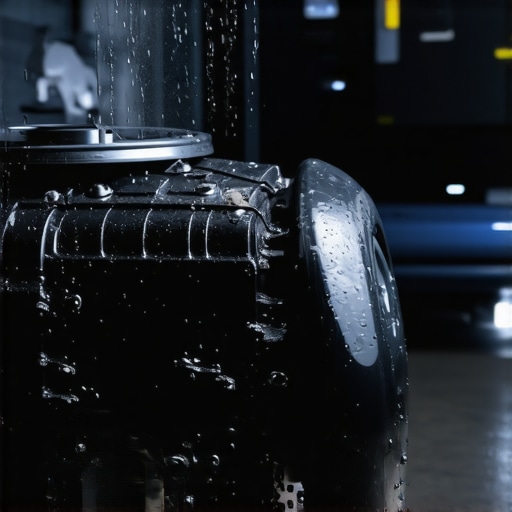
It was one of those slow, foggy mornings when I turned the key in my car—and nothing happened. No click, no engine sputter—just silence. Initially, I thought it was my battery, or maybe a bad starter. But after some digging, I realized it was something far more subtle and frustrating: humidity building up inside the ignition components. That lightbulb moment made me ask, “Why does my car refuse to start on humid mornings?”
Decoding the Humid Morning Dilemma
Most drivers, myself included early on, underestimate the impact that moisture in the air can have on our vehicles. Humidity isn’t just uncomfortable for us; it can interfere with your car’s electronic and ignition systems, causing issues that seem to strike out of nowhere when the weather’s damp. The moisture can condense inside sensitive areas, creating a tiny shield that prevents electrical connections from completing, leading to starting problems.
Interestingly, this isn’t a rare quirk but a well-documented phenomenon. Automakers and auto repair pros know that high humidity can lead to corrosion and moisture buildup, especially in older cars or those with poorly sealed ignition components. According to experts, moisture intrusion is a common culprit behind intermittent starting problems during humid weather, sometimes even causing the engine to stumble or die unexpectedly.
If you’ve ever faced a morning where your car just won’t turn over despite a healthy battery, you could be dealing with this sneaky moisture issue. The good news is, based on my experience, it’s a problem with a fairly straightforward fix once you understand what’s going on.
Do you regularly experience start-up trouble on rainy or humid days? You’re not alone, and there’s quite a bit we can do to troubleshoot and solve this problem.
Is Moisture Buildup Actually Worth the Fuss?
I admit, I initially dismissed my starting issues as minor glitches or typical wear. That mistake almost cost me more money in the long run. Early in my repair journey, I ignored the importance of inspecting the ignition switch and other vulnerable parts, assuming weather wouldn’t make such a difference. Now I know better—that small oversight could have been avoided with a basic understanding of moisture’s effect on electrical systems. To help you sidestep this common pitfall, check out how [auto diagnostics](https://repairmycarpro.com/vehicle-diagnostics-explained-easy-checks-before-your-road-trip) can reveal hidden moisture or corrosion issues before they cause breakdowns.
In the upcoming sections, I’ll guide you through practical steps to diagnose and address humid-morning starting woes. Don’t let humidity catch you off guard—knowing the root cause can save you time, money, and unnecessary frustration.
Inspect the Ignition Components for Moisture
Start by opening your hood and visually checking the ignition coil, spark plug wires, and distributor cap for signs of moisture or corrosion. Do this on a dry day or after the hood has been cool overnight to avoid mistaking dew for persistent moisture. Last summer, I once noticed droplets inside my distributor cap after a rainy night, which prevented the car from starting. Drying it out with a clean cloth and applying dielectric grease improved my starting issues significantly.
Use a Multimeter to Check Electrical Continuity
Employ a multimeter to test the electrical contacts within the ignition system. Set the multimeter to the resistance setting and test the terminals for continuity. If you find high resistance or open circuits, it indicates moisture has caused corrosion or damage. I once used this method after a humid morning, and it revealed a faulty ignition switch affected by moisture. Replacing and sealing it solved my starting troubles.
Apply Protective Sealant and Dielectric Grease
After cleaning and drying, coat the ignition connections with dielectric grease to prevent future moisture intrusion. This step is like applying waterproofing to electrical parts—think of it as giving your car a raincoat. I did this on my older car, and it dramatically reduced start-up issues during humid mornings. For best results, remove any visible corrosion before applying the grease.
Test the Battery and Alternator Functionality
Sometimes, moisture affects the battery terminals’ connection. Use the multimeter to check the voltage at the battery terminals; a healthy battery should read around 12.6V when the engine is off. Also, ensure your alternator is charging properly—an alternator that isn’t functioning well can compound starting issues. I performed these checks after experiencing sluggish starts, and replacing a worn alternator brought my vehicle back to reliable operation.
Keep Critical Areas Dry and Well-Sealed
Seal any exposed wiring or fittings with weatherproof tape or rubber grommets. Proper sealing prevents moisture from seeping into sensitive areas. I personally sealed gaps around the ignition coil with rubber grommets I bought from an auto parts store, which proved effective during subsequent humid spells. Regular inspections ensure you catch leaks early before they cause more extensive damage.
Monitor the Weather and Schedule Preventative Maintenance
Since humidity plays a significant role, plan regular maintenance especially before rainy seasons. Consider replacing aged seals, inspecting wiring harnesses, and updating your vehicle’s protective coatings. Using [advanced vehicle diagnostics](https://repairmycarpro.com/vehicle-diagnostics-explained-easy-checks-before-your-road-trip) can reveal hidden moisture-related issues early. During one rainy season, proactive checks caught corrosion buildup before it led to starting failures, saving me both time and money.
By systematically inspecting, testing, and sealing ignition components, you can mitigate the effects of humidity on your vehicle’s starting system. Remember, moisture is a sneaky adversary, but with these concrete steps, you’re equipping yourself to tackle humid mornings confidently.
Many vehicle owners operate under misconceptions that can hamper effective maintenance and lead to costly mistakes. One common myth is that modern onboard diagnostics (OBD) systems tell you exactly what’s wrong with your car, but in reality, they often provide general codes that require expert interpretation. Relying solely on generic fault codes without understanding the nuances can lead to misdiagnosis and unnecessary repairs. For instance, a P0171 code indicating a lean fuel mixture might stem from various causes, from vacuum leaks to faulty sensors, and jumping straight to part replacements can be a costly oversight. Advanced diagnostics, like those explained in [vehicle diagnostics explained](https://repairmycarpro.com/vehicle-diagnostics-explained-easy-checks-before-your-road-trip), can help uncover the root issue more accurately.
Another widespread misunderstanding concerns brake service. Many assume all brake pads wear evenly and neglect the importance of inspecting components like rotors and calipers. This oversight can result in uneven brake wear and compromised safety. Moreover, some think that harsher brake pad materials always lead to longer life, but in reality, softer pads may reduce rotor damage but require more frequent replacement. Regular inspection and understanding the specific driving conditions and brake system design can save money and boost safety, as discussed in [brake service myths busted](https://repairmycarpro.com/brake-service-myths-busted-what-really-matters-for-safety).
When it comes to auto repair, a prevalent mistake is underestimating small symptoms, such as minor vibrations or unusual noises, which can signal serious underlying issues. Many drivers delay getting professional advice, risking more extensive damage. Recognizing early signs and using advanced diagnostics can prevent breakdowns, emphasizing the importance of proactive maintenance, outlined in [auto repair hacks](https://repairmycarpro.com/auto-repair-hacks-save-money-without-sacrificing-quality).
A final misconception deals with oil changes. Many believe that changing oil on a fixed schedule without considering vehicle age, driving habits, or oil type is sufficient. But incorrect oil selection or overdue changes can degrade engine performance and longevity. Innovations in oil technology and better understanding of engine needs, explained comprehensively in [oil change innovations](https://repairmycarpro.com/oil-change-innovations-technologies-that-save-your-engine), reveal that tailoring oil maintenance can significantly extend engine life.
Boldly trusting outdated beliefs may compromise your vehicle’s performance and safety. Instead, leveraging expert insights and modern diagnostic tools leads to smarter maintenance decisions. Have you ever fallen into this trap? Let me know in the comments. Remember, understanding the subtle details about vehicle repairs and diagnostics helps you save money and avoid unnecessary stress.
Gear Up with the Right Equipment
Maintaining your vehicle’s performance over the long haul requires more than just basic knowledge—you need reliable tools and a strategic approach. One indispensable device I personally swear by is a high-quality OBD-II scanner. Unlike generic code readers, my preferred model offers real-time data streaming and deep diagnostics, allowing me to interpret complex fault codes without relying solely on generic readings. Regularly connecting my scanner before and after repairs helps me verify that issues are genuinely resolved, especially when dealing with intermittent sensor failures or electrical glitches, which you can explore in decoding vehicle diagnostics.
Alongside diagnostics, I recommend investing in a digital multimeter. This tool isn’t just for electrical tests; I use mine to check battery health, alternator output, and even troubleshoot sensors. The precision and portability of a good multimeter mean I can quickly identify issues like voltage drops or open circuits, especially during humid mornings when moisture complicates the electrical system. For practical guidance, see how checking your alternator can prevent roadside breakdowns.
Implementing Advanced Diagnostics
Advanced software tools have revolutionized auto repairs. Modern diagnostic programs integrate with your existing scanner to provide detailed insights, including live data graphs and freeze-frame information. I regularly use professional-grade diagnostic software on my laptop, connecting through the OBD port. This setup enables me to pinpoint issues like moisture-induced corrosion in ignition modules or sensor faults that might not trigger a MIL (Malfunction Indicator Lamp) immediately. As experts highlight in advanced vehicle diagnostics, early detection of such problems saves time and money.
Consistent Care for Enduring Results
Tools alone won’t sustain your car’s health; regular maintenance is vital. Set a schedule for oil changes using the latest oil change innovations. Keep an eye on your vehicle’s electrical connections, sealing and protecting critical areas with dielectric grease or weatherproof coatings. These small steps prevent moisture from creating havoc during humid seasons, aligning with the insights from auto repair tips to prolong your vehicle’s lifespan and performance.
Looking ahead, the trend points toward integrated diagnostic systems and AI-driven maintenance schedules that will predict issues before they arise, reducing downtime and repair costs. Staying updated with these advancements ensures you’re not just fixing problems but preventing them altogether.
How do I maintain my vehicle diagnostics over time?
Now, one actionable tip I highly recommend is to regularly update your diagnostic software and ensure your OBD-II scanner firmware is current. This keeps you compatible with the latest vehicle models and diagnostic protocols, making troubleshooting more accurate and efficient. For a step-by-step guide, check out easy vehicle diagnostics checks. I challenge you to perform a diagnostic scan before your next oil change and observe how early detection can prevent bigger issues down the road. Consistent tool use combined with proactive maintenance is the key to keeping your vehicle running like new.
Lessons That Took Me Longer Than They Should Have
One of my biggest realizations was that moisture doesn’t just cause immediate problems—it can hide and wreak havoc over time, leading to persistent issues I thought were just normal wear. I once dismissed a lingering electrical glitch, only to discover it was corrosion hidden within sealed components, underestimated because I believed modern cars were immune to humidity’s sneaky effects. That experience taught me the importance of regular inspections, especially in humid climates, even if your car appears to run fine at first glance.
Another lightbulb moment was understanding how sealing and dielectric grease aren’t just preventive steps—they are essential for anyone living in areas with high humidity. Sealing connections isn’t a one-time fix but a continuous process of safeguarding your vehicle’s vital bits, which can save you from unexpected roadside failures.
Finally, I learned that advanced diagnostics aren’t just professional tools—they can be your problem-solving allies. Using these tools proactively, especially before long trips or seasonal shifts, can reveal moisture-related risks in your ignition and electrical systems before they trip you up at inopportune moments. This knowledge empowered me to take control of my vehicle’s health, turning what once felt like a mystery into manageable maintenance routines.
Tools That Keep My Car Running Smoothly
My personal toolkit has evolved into a collection of must-haves for diagnosing and preventing humidity-related issues. The first is a top-tier OBD-II scanner that provides real-time data, which I rely on to spot moisture interference signs in sensors and connections. I trust this because it offers detailed insights that go beyond generic error codes, making troubleshooting more accurate and less frustrating.
The second is a durable multimeter that helps me diagnose electrical issues caused by corrosion or moisture invasion. I’ve found that quick voltage checks on battery terminals and ignition systems save me time and prevent costly repairs.
Third, I leverage professional-grade diagnostic software that complements my scanner. It’s like giving my vehicle a full check-up from afar, catching moisture-related problems early. Combining this with regular inspections and sealing tactics creates a comprehensive shield against humid weather’s sneak attacks.
Take Charge and Keep Moving Forward
Don’t wait for humidity to catch you off guard. Regularly update your diagnostic tools, inspect ignition seals, and seal vulnerable areas of your vehicle—these small but consistent actions make a big difference. Embrace proactive maintenance, and you’ll find that humid mornings become just another part of your routine rather than a source of stress. Remember, when you equip yourself with knowledge and the right tools, maintenance becomes a mindset—not a chore. So, which moisture-mitigation step will you tackle first? Let me know below, and happy driving!