

Ever been cruising down the highway when suddenly, your steering wheel starts to shimmy just as you press the brake pedal? That unsettling vibration can turn a routine stop into something downright nerve-wracking. I remember the first time it happened to me—my heart pounding, wondering if I missed a major repair. It’s an experience that’s both annoying and concerning, especially when you’re unsure if it’s a sign of a dangerous issue or just normal wear and tear.
Figuring Out Why Your Wheel Quivers During Braking
But here’s the good news: this shaking isn’t just part of your car’s personality. It’s a common problem that often has a straightforward fix. Today, I’ll guide you through understanding why your steering wheel reacts this way and, more importantly, how to identify and address the root cause so you can drive with confidence again.
Is Your Car Trying to Tell You Something Critical?
One mistake I made early on was assuming a little vibration was normal—turns out, ignoring it can lead to bigger issues down the line. In fact, a shaky steering wheel during braking is frequently caused by uneven brake rotors or worn suspension components, which if left unchecked, could compromise your safety. A quick and accurate diagnosis can prevent costly repairs later. For reliable insights, check out this comprehensive brake service guide.
So, if you’re tired of that unnerving shake or worried about potential damage, let’s explore the main reasons behind this phenomenon and how you can fix it—without breaking the bank or losing your mind in the process.
🎯 Are you experiencing this steering shake during your brakes? Keep reading, because solutions are closer than you think.
Start with a Visual Inspection of Brakes and Wheels
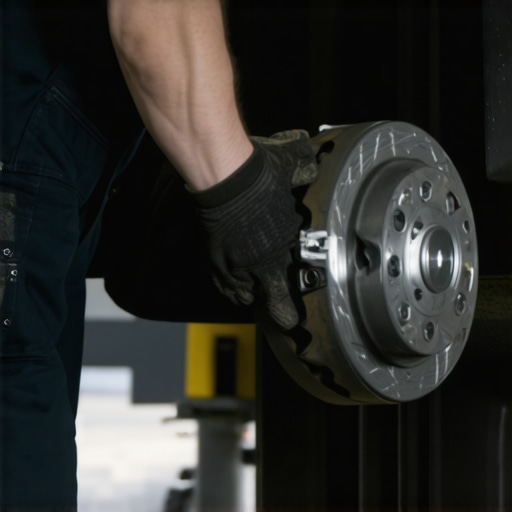
Lay your car on a flat surface and secure it with wheel chocks. Remove the wheel using a jack and a lug wrench, ensuring the car is stable. Check for uneven brake rotor surfaces, rust, or obvious damage like cracks. Look at the brake pads for uneven wear or debris lodged between pad and rotor. I once found a small stone stuck in my brake pad, which caused the vibration; removing it instantly smoothed my ride. This quick check can reveal simple issues before more complex repairs.
Test Brake Rotors for Warping
Use a Dial Indicator or a Straightedge
If you have a dial indicator, attach it to a magnetic base and measure the rotor’s runout—more than 0.002 inches indicates warping. If you don’t have one, roll a straightedge across the rotor. Any rocking or gaps suggest unevenness. I remember during a DIY weekend, I used a caliper to gauge rotor flatness—once I replaced the warped rotor, the steering wheel shimmies stopped. Accurate measurement pinpoints whether rotor replacement is necessary.
Assess Suspension Components and Wheel Bearings
Lift the car again and grab the wheel at 12 and 6 o’clock, then 9 and 3 o’clock positions. Wiggle it to detect play—excess movement can indicate worn wheel bearings or suspension issues. For example, I found my wheel bearing was loose after such a check, leading to a quick replacement. Addressing suspension parts ensures that the shaking isn’t just from the brakes but also from underlying instability.
Perform Test Drives to Confirm Findings
After repairs or parts replacement, carefully test drive your vehicle. Pay attention to brake pedal feel and steering response. If the vibration diminishes or disappears, you’ve likely addressed the core issue. I once replaced rotors and pads; the shaking was gone after a short drive, confirming my fix was effective—saving me on costly repairs later.
Consider Brake System Flush for Optimal Performance
Old brake fluid can contribute to uneven braking and vibrations. Flushing the brake system helps remove moisture and contaminants, improving brake responsiveness. If your brake fluid hasn’t been changed in over two years, a flush can be a game-changer. Check out this guide for detailed steps.
Remember to Reassemble and Double-Check
After completing repairs, ensure all lug nuts are torqued to manufacturer specs. Replace the wheel and tighten the lug nuts in a star pattern. Lower the car, then do a final torque check. This prevents future vibrations caused by loose wheels. I always remind myself—double-checking is key to safe, smooth driving.
Stay Proactive to Prevent Future Vibrations
Regular brake inspections, suspension checks, and timely replacement of worn parts keep your vehicle running smoothly. Incorporate these steps into your maintenance routine, and you’ll reduce the chance of unexpected shake-ups during your drives. For more tips, explore this collection of auto repair tips.
 Many car owners and even some DIY enthusiasts believe they understand basic vehicle diagnostics, but beneath the surface lie several misconceptions that can lead to costly mistakes. For example, a widespread myth is that a warning light always indicates a critical failure requiring immediate repair. However, modern vehicles often have complex sensor systems that provide false alarms or minor alerts that don’t necessitate urgent action. Relying solely on generic codes without proper interpretation can lead to unnecessary repairs or missed critical issues. To truly grasp what’s happening under the hood, investing in advanced diagnostic tools, understanding specific sensor behaviors, and consulting expert insights is essential. In fact, a comprehensive approach to diagnostics, like those explained in vehicle diagnostics explained, can prevent costly breakdowns and extend your vehicle’s lifespan. Another common trap is thinking that routine oil changes are only about changing the oil itself. While crucial, neglecting other aspects like oil filter quality and oil type can accelerate engine wear. Innovations in oil change technologies reveal that synthetic oils and proper filter selection optimize engine longevity and performance. But here’s a nuanced point often overlooked: not all oils are suitable for every engine, especially high-mileage or turbocharged ones. Therefore, sticking to manufacturer recommendations is vital; blindly following generic advice can do more harm than good. When it comes to brake service, many believe changing pads is enough—yet, warped rotors or contaminated brake fluid can undermine safety. Advanced diagnostics can detect subtle issues, such as uneven pad wear indicating suspension problems, which are often missed in basic inspections. A brake system flush, for instance, can be a game-changer in maintaining consistent braking performance, as detailed in brake service guide. So, what are some advanced mistakes you might be making without realizing it? Are you aware of how sensor calibration affects your vehicle’s diagnostics or how slight mismatches in tire pressure can mislead your mechanic into unnecessary repairs? Understanding these nuances helps you make smarter maintenance decisions and avoid pitfalls. Regularly updating your knowledge and consulting trusted resources keeps you ahead of common errors and hidden traps. For deep insights into avoiding auto repair mistakes, check out auto repair hacks. Have you ever fallen into this trap? Let me know in the comments.
Tools I Recommend for Prolonged Vehicle Performance
Maintaining your vehicle over time requires more than just knowledge; having the right equipment can make all the difference. I personally rely on a calibrated digital torque wrench to ensure my lug nuts are tightened to manufacturer specifications, preventing uneven brake wear and vibrations. This specific tool eliminates guesswork and helps avoid costly wheel alignment issues down the line. Additionally, a high-quality infrared thermometer allows me to monitor engine and brake tempatures during repairs, ensuring components are operating within safe limits, which is crucial for long-term performance. For diagnostics, I prefer a professional-grade OBD-II scanner, such as the BlueDriver Bluetooth Pro OBDII Scan Tool. It pairs seamlessly with my smartphone, providing detailed fault codes and live data that help me identify issues before they escalate. This approach aligns with insights from vehicle diagnostics explained, emphasizing the importance of accurate data collection in preventive maintenance.
Adopting a Long-Term Maintenance Routine
One of the keys to long-lasting vehicle health is consistency. Regular fluid checks and changes, as recommended in auto repair tips, help prevent premature engine wear and corrosion. I schedule oil changes with synthetic formulations, like those explained in oil change innovations, which offer better thermal stability and longer service intervals. Additionally, inspecting your brake system every 10,000 miles and performing a brake fluid flush as recommended helps avoid uneven braking and rotor warping. Remember, small steps now can save you significant repair costs later.
How do I maintain vehicle diagnostics over time?
Staying updated with the latest diagnostic tools and understanding the subtle signals your car provides is essential. Investing in a capable scan tool, combined with regular self-checks—like resetting warning lights following repairs—keeps you ahead. For example, recalibrating sensors after replacing suspension or brakes ensures your vehicle’s systems interpret data correctly, preventing false fault codes. As vehicle electronics become more sophisticated, using a diagnostic scanner that supports manufacturer-specific codes becomes increasingly valuable. For deep insight, check out decoding vehicle diagnostics.
Future Trends: Smart Maintenance and Automation
The automotive industry is moving toward connected diagnostics and predictive maintenance powered by AI and IoT devices. Future vehicle diagnostics will anticipate issues before symptoms appear, making maintenance more proactive. As these technologies evolve, tools like remote diagnostic apps and cloud-based data analysis will become standard, reducing roadside breakdowns and enhancing safety. Preparing today by adopting advanced diagnostic equipment and routine maintenance practices positions you comfortably for these upcoming shifts. Don’t wait—try using an infrared thermometer during your next brake inspection to verify caliper temperatures, a simple yet effective step that can preempt overheating problems. Want to learn more? Explore advanced vehicle diagnostics to stay ahead of the curve.
Lessons That Changed How I Approach Vehicle Maintenance
- Never underestimate the power of a thorough visual inspection—spotting tiny issues early can save hundreds in repairs later. Once, a small stone lodged between my brake pad and rotor caused unnecessary shaking; removing it prevented costly repairs.
- Sensor misreads can lead you astray. I learned that understanding your car’s diagnostic codes prevents chasing ghosts, so investing in a good OBD-II scanner can be a game-changer.
- Consistency beats urgency. Regularly scheduled maintenance, like fluid flushes and suspension checks, keeps big problems at bay and extends your vehicle’s lifespan.
- Understanding the nuances of brake system components—like rotor runout—empowered me to diagnose issues without guesswork, saving time and money.
- Embracing proactive diagnostics gives you peace of mind. Knowing how to interpret warning lights and sensor readings helps you respond calmly and effectively, rather than panic and overspend.
Tools That Elevated My Auto Maintenance Game
- Digital Torque Wrench: Ensures lug nuts are tightened to perfection, preventing uneven brake wear and vibrations—this small investment pays off in safety and longevity.
- Infrared Thermometer: Monitors brake caliper and engine temperatures during repairs, catching overheating issues before they cause damage.
- High-Quality OBD-II Scanner: Devices like the BlueDriver Bluetooth Pro provide detailed fault codes and real-time data, making diagnostics accessible even for DIY enthusiasts.
- Reliable Jack and Wheel Chocks: Safe lifting equipment makes inspections and repairs safer and more efficient, reducing risks of accidents.
Take Charge of Your Vehicle’s Long-Term Success
Developing a proactive maintenance routine is more than a habit—it’s an investment in your vehicle’s future. Regular fluid changes, suspension checks, and timely brake system upgrades keep your ride performing at its best. Remember, understanding your vehicle’s signals—like interpreting diagnostic codes or spotting subtle vibrations—can prevent small issues from becoming roadside emergencies. For guidance tailored to your driving routine, explore auto repair tips that keep your vehicle reliable year after year. Embrace these insights, and your car will thank you with years of smooth, safe driving.