
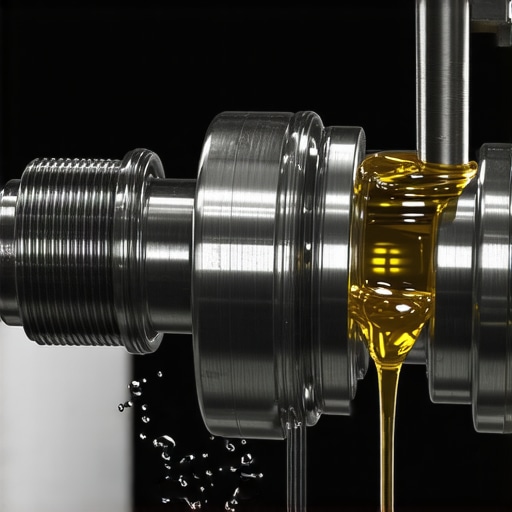
It was a chilly morning, and as I eased into my driveway, I noticed my truck handling just a little more sluggish than usual. A quick test drive confirmed it—something was off. That nagging feeling that I’d overlooked some basic maintenance was creeping in. Turns out, a simple fluid change I’d been neglecting for too long was the culprit. This was my lightbulb moment, realizing how much I’d underestimated the power of regular differential fluid changes.
Why Wait for a Breakdown? The Hidden Benefits of Fluid Maintenance
Many drivers, myself included early on, think of fluid replacements as occasional checkmarks on a maintenance list. But what if I told you that changing your differential fluid every 50,000 miles isn’t just about avoiding costly repairs? It’s about safeguarding your vehicle’s health and performance in ways you might not expect.
When differential fluid is fresh, it lubricates vital components, reduces wear, and ensures smooth power transfer from your engine to the wheels. Over time, the fluid degrades, accumulating contaminants and losing its lubricating properties. This can lead to uneven tire wear, sluggish handling, or even drivetrain failure—problems that can make your daily drive stressful or dangerous.
In fact, according to auto repair experts, neglecting differential fluid can shorten the lifespan of your drivetrain significantly, often leading to more extensive repairs down the line. Regularly replacing this fluid acts like a health check-up for your vehicle’s heart, catching issues early before they escalate.
On a personal note, I made the mistake of ignoring this maintenance in my early years. I dismissed the 50k mile mark as just a guideline. That oversight cost me a lot of money and a lot of time, not to mention the unexpected breakdown on a rainy highway. Since then, I’ve learned that preventive care doesn’t just prolong your vehicle’s life—it improves its reliability and your peace of mind.
Interested in learning how to spot the signs that your differential might be crying out for attention? Or maybe you’re curious about how this simple step can save you thousands? Keep reading, because I’ll walk you through why this often-overlooked maintenance is a game changer for everyday drivers and gearheads alike. If you’ve faced unexplained handling issues or wondered why your truck isn’t performing like it used to, you’re not alone. Many drivers miss this critical step, but I promise, once you’re aware, you’ll see your vehicle in a whole new light. For more tips on extending your vehicle’s lifespan, check out [top auto repair tips](https://repairmycarpro.com/top-auto-repair-tips-to-extend-your-vehicles-lifespan).
Now, let’s dive into the details and see what makes this simple maintenance so powerful.
Prepare Your Tools and Workspace
Start by gathering all necessary tools: a socket wrench, a drain pan, a fluid pump, new differential fluid as specified in your vehicle’s manual, and protective gloves. Park your vehicle on a flat surface, engage the parking brake, and ensure the engine is cool to prevent burns. Loosen the fill plug first to ensure you can refill later; if it’s stuck, apply penetrating oil and wait a few minutes.
Drain Old Fluid Correctly
Locate the drain plug at the bottom of the differential housing. Place the drain pan underneath, then remove the drain plug using your socket wrench. Expect some fluid to come out; have rags handy to clean up spills. While waiting for complete drainage, inspect the fluid for metal shavings or debris, which are signs of internal wear. Be cautious—hot fluid can cause burns if the vehicle was recently driven.
Flush or Clean the Differential (Optional)
If the old fluid is overly dirty or contaminated, consider flushing the differential with a suitable cleaner or replacing the gasket and cleaning the housing thoroughly. This step is particularly useful if you’ve skipped fluid changes for a long time. Remember, a clean differential housing promotes longer fluid life.
Refill with Fresh Differential Fluid
Insert the inlet tube of your fluid pump into the fill port. Pump new fluid slowly until it begins to slightly overflow from the fill hole—this indicates the differential is full. Use the vehicle manufacturer’s recommended type and amount of fluid, typically detailed in your owner’s manual or at auto repair hacks. Be careful not to overfill, as excess fluid can cause leaks or build-up pressure.
Seal and Test Your Work
Replace the fill plug securely and wipe away any spilled fluid. Start the vehicle and let it run for a few minutes to circulate the new fluid. Then, with the vehicle safely on the ground, shift through the gears to distribute fluid evenly. Check for leaks around the drain and fill plugs, then verify fluid levels once more, topping up if necessary.
Final Check and Road Test
Take your vehicle for a short drive, paying attention to handling and any unusual noises. Afterward, park on a flat surface and inspect again for leaks. Regular differential fluid changes preserve your vehicle’s performance and prevent costly drivetrain repairs. Remember, consulting your vehicle’s manual ensures you’re using the correct type of fluid, whether it’s synthetic or conventional, for optimal results.
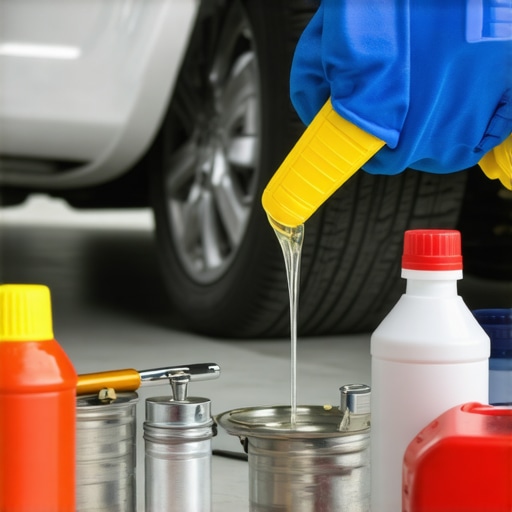
Visual guide showing the steps for draining and refilling differential fluid in a vehicle.
Many car owners believe that sticking to the basic maintenance schedule is enough, but in my experience, there’s a lot more nuance that often gets overlooked. For example, many think an oil change is just about replacing the oil, but in reality, the quality of the oil and the type of filter used can drastically affect engine longevity. Using generic filters or ignoring the manufacturer’s recommended interval can lead to engine wear patterns that are hard to notice early on. And when it comes to auto repair, a common myth is that all mechanics are equal—this couldn’t be further from the truth. Skilled technicians diagnose issues with advanced tools that can detect microscopic wear or subtle performance drops, which untrained eyes can’t catch. This is why trusting your vehicle to a qualified professional and understanding diagnostic results can save you both money and stress in the long run. An often-overlooked aspect is brake service; many car owners assume that squealing brakes are just a sign of worn pads, but this noise can also indicate issues with rotors, calipers, or even contaminated hydraulic fluid. Neglecting these nuances can lead to uneven pad wear or even brake failure. Delving into these hidden details helps prevent costly repairs and ensures safety; for instance, regular diagnostics that go beyond the surface can reveal failing sensors or leaks before they become major problems. Have you ever fallen into this trap of oversimplification? Let me know in the comments. To be truly proactive, consider exploring auto repair hacks that save money without sacrificing quality and improve your vehicle’s longevity. And don’t forget, understanding these nuances is what separates average car owners from those who truly take control of their vehicle’s health.
Gear Up for Reliable Performance with Precision Tools
Maintaining your vehicle over time requires more than just basic mechanical skills; it demands the right tools. Personally, I rely heavily on a high-quality digital multimeter for diagnosing electrical issues. Unlike analog meters, my digital multimeter offers faster readings, greater accuracy, and the ability to measure voltage, current, and resistance simultaneously, which accelerates troubleshooting. When checking sensor outputs or diagnosing complex circuitry, this tool becomes indispensable. Additionally, I use a precision torque wrench calibrated monthly to ensure bolts like lug nuts or suspension components are tightened correctly—preventing both over-tightening damage and under-tightening safety risks. For fluid levels, I prefer a graduated siphon pump; it’s efficient for transferring oil or coolant without mess. These tools are the backbone of my maintenance routine, allowing for accurate diagnoses and proper repairs that stand the test of time.
Embrace Advanced Diagnostics for Future-Proofing Your Vehicle
Vehicle diagnostics have evolved immensely. I recommend investing in an automotive OBD-II scanner that connects wirelessly to your smartphone. Personally, I use a model compatible with my phone’s app, allowing me to read and clear codes instantly. This immediate access helps me identify potential issues early—like coolant leaks or sensor failures—rather than waiting for dashboard warnings. The trend is moving toward more sophisticated software solutions that analyze data patterns over time, predicting failures before they occur. As vehicles incorporate more electronic systems, these tools will become even more essential for proactive maintenance and avoiding costly repairs.
How do I keep my diagnostics up to date over time?
Stay current with software updates for your diagnostic tools—most manufacturers release updates that improve error detection and expand vehicle compatibility. Regularly review your scanner’s firmware, and subscribe to online communities or manufacturer alerts for new features. This approach ensures you’re leveraging the latest technology, which can significantly enhance your troubleshooting accuracy. For comprehensive vehicle care, combine diagnostics with routine checks like inspecting brake components and fluid levels. Learning to interpret diagnostic codes effectively can save you money and extend your vehicle’s lifespan, aligning with strategies outlined in essential auto repair strategies.
Scaling Your Maintenance Efforts for Long-Term Gains
As your skills grow, so does the scope of maintenance you can perform. From DIY oil changes with innovative tools like magnetic drain plugs to complex brake service that demands precision, scaling your efforts requires investing in specialized equipment. For parts like brake rotors, I use a rotor micrometer to measure thickness accurately, ensuring they meet manufacturer specifications. Over time, employing these tools and techniques reduces dependency on pricey mechanic visits, unlocking long-term savings. Looking ahead, automation and AI-driven diagnostics promise even more effective vehicle management, making it easier for enthusiasts and professionals alike to keep their vehicles in prime condition without surprise breakdowns.
Achieve Long-Term Vehicle Health Starting Today
To get started, pick one area—like diagnosing sensor issues—and try a recommended tool such as a Bluetooth-enabled OBD-II scanner. Practice interpreting error codes using online resources or the manufacturer’s documentation. Not only will this enhance your skillset, but it will also give you the confidence to handle minor repairs, ultimately extending your vehicle’s lifespan. Remember, staying proactive is key—preventive maintenance with the right tools at your side can mean the difference between a reliable ride and costly breakdowns. For more insights on maintaining your vehicle efficiently, visit top tips to extend your vehicle’s lifespan.
Over the years, I’ve discovered that the real game-changers in vehicle maintenance aren’t always the obvious routines but the behind-the-scenes lessons that come from experience. Looking back, one of the most valuable lessons I learned was how critical precision tools are in diagnosing those sneaky issues that standard checks might overlook. Investing in quality diagnostic scanners and torque wrenches didn’t just streamline my repairs; it elevated my confidence in understanding my vehicle’s true health.
Another eye-opener was realizing how deeply interconnected different maintenance aspects are. For instance, a seemingly minor fluid leak can cascade into bigger problems if left unchecked—and understanding this interconnectedness encouraged me to adopt a more holistic approach to vehicle care, emphasizing preventive measures rather than reactive fixes. This shift in mindset has saved me from costly repairs and has given me peace of mind on every trip.
Lastly, I’ve come to appreciate the importance of ongoing learning. Automotive technology evolves rapidly, and staying updated with the latest tools, techniques, and industry insights ensures you’re not just keeping up but staying ahead. Whether it’s subscribing to trusted resources or engaging with expert communities, continuous education empowers you to make smarter decisions for your vehicle’s longevity.