

It was a sunny Saturday afternoon when I finally realized I’d been throwing money down the drain every time I took my car in for an oil change. I used to assume that sticking to the recommended synthetic oil change interval was enough—until I noticed my engine wasn’t running as smoothly as it used to. That lightbulb moment hit me hard: I was overpaying for synthetic oil and its recommended change interval, but I didn’t even know if I really needed to stick to that timeline.
Why Are We Generally Guilty of Overpaying for Synthetic Oil?
Many drivers, including myself early on, fall into the trap of blindly following manufacturer recommendations or generic industry claims. We assume that more frequent oil changes with high-quality synthetic oil keep our engines in perfect condition. But here’s the kicker—your vehicle’s actual needs might differ wildly from generic advice. I made the mistake of trusting the common ‘every 5,000 miles’ rule without considering my driving habits or the specific condition of my engine. This led me to spend more money than necessary. To make matters worse, many auto shops push synthetic oil packages as a premium service, using fear tactics or outdated guidelines. That’s why understanding the true change interval based on your vehicle’s actual state and your driving conditions can save you significant cash.
Interestingly, a study by FuelEconomy.gov reports that overusing synthetic oil—changing it more frequently than needed—can cost a typical driver hundreds of dollars annually without tangible benefits. That’s money that could go toward other crucial repairs or savings.
So, what’s the real story? How can you avoid overpaying without risking engine damage? Well, that’s exactly what I’m here to help you figure out. Let’s cut through the confusion and get you into a smarter, cost-effective routine.
Is Synthetic Oil Really Worth the Hype?
Many of us have that suspicion—are we just paying a premium for something that doesn’t really outperform conventional oil as much as we’re told? Early in my auto repair journey, I overlooked the importance of proper diagnostics, often assuming synthetic oil was always better. It took some troubleshooting and a bit of research to realize that the decision should depend on your car’s age, condition, and your driving style. For example, vehicles with high mileage or those exposed to extreme conditions might truly benefit from synthetic, but for daily city driving with moderate distances, conventional oil might suffice.
Interested in how to make a smarter choice? Check out insights on [decoding vehicle diagnostics](https://repairmycarpro.com/decoding-vehicle-diagnostics-what-your-car-is-trying-to-tell-you) to assess your car’s living conditions more accurately.
Assess Your Vehicle’s Condition with Basic Diagnostics
Before setting a new oil change routine, perform simple checks like inspecting the oil level and color. Pull out the dipstick, wipe it clean, reinsert, and then check the reading. If the oil looks dark or gritty, it’s time for a change. Use a flashlight to examine engine bay components for leaks or signs of wear. These small steps help you understand your engine’s current health, preventing unnecessary oil changes.
For a more comprehensive understanding, consider professional vehicle diagnostics. Modern cars are equipped with sensors that monitor engine performance. Accessing these diagnostics can reveal hidden issues impacting oil degradation. Check out vehicle diagnostics explained to learn how these tools can inform your maintenance schedule.
Track Your Driving Habits and Environments
Record your typical trips—distance, frequency, and road conditions. Short city drives with frequent stops tend to cause more engine wear, which might justify more frequent oil changes. Conversely, highway cruising in mild weather can extend intervals. Think of your engine as a runner: intense training demands more recovery time. Maintain a log or use an app to monitor your driving patterns. This data empowers you to customize your oil change frequency effectively.
When in doubt, consult your vehicle’s manual but tailor it further based on your real-world usage. For deeper insights, explore auto repair strategies for frequent drivers.
Implement Real-Time Monitoring Tools
Invest in OBD-II scanner tools that connect to your smartphone. These devices read engine parameters in real time, alerting you when oil temperature or pressure drops outside optimal ranges. Imagine having a health tracker for your engine clearing the guesswork. Using such tools can help you decide precisely when an oil change is necessary, avoiding both over- and under-maintenance.
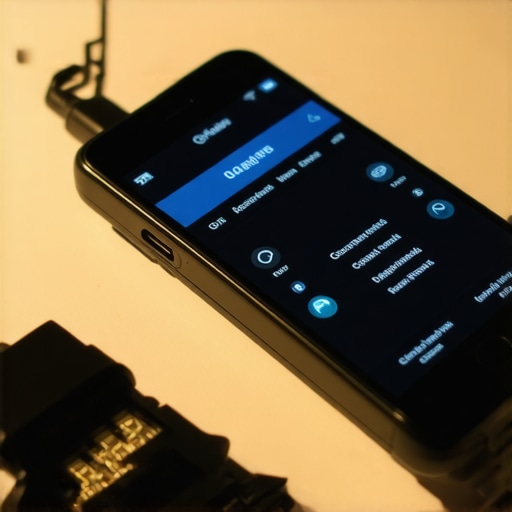
By regularly checking diagnostics, accounting for your driving environment, and using smart tools, you shift from routine-based to data-driven maintenance. This approach saves money and extends your engine’s lifespan, turning a chore into a strategic asset in your vehicle care routine.
What Many Overlook About Brake Service and Diagnostics
It’s a common misconception that once your brake pads are replaced, everything is good for another 50,000 miles. In reality, many drivers underestimate the importance of precision diagnostics and the nuances of brake system components. For example, uneven pad wear can indicate deeper issues like warped rotors or caliper problems that, if ignored, may lead to costly repairs or safety hazards. Rushing into a replacement without thorough inspection can be a dangerous mistake. Similarly, understanding how modern vehicle diagnostics work—beyond just reading the check engine light—can help prevent breakdowns and save money. Decoding vehicle diagnostics offers insights into how sensors and onboard computers provide real-time health reports, which many drivers overlook. Ignoring small warning signs or delaying diagnostics can lead to larger failures, emphasizing that proactive, informed maintenance is key.
Oil Changes Are Not Always About Distance
Many swear by the age-old rule of changing synthetic oil every 5,000 miles, but this is an oversimplification. Modern oils and engines have evolved significantly, making the timing more nuanced. An advanced mistake is relying solely on mileage without considering driving conditions—short city trips, extreme temperatures, or heavy loads all impact oil degradation differently. Some drivers don’t realize that new oil change technologies enable longer intervals for well-maintained engines, saving both money and time. Overchanging oil is just as problematic as neglecting it; it can lead to unnecessary expenses and environmental waste. The key lies in personalized schedules based on real-world usage, vehicle diagnostics, and expert advice rather than generic timers.
Can You Really Trust Your Car’s Indicators?
This is a question that trips up many experienced drivers. Modern cars come with sophisticated sensor systems, yet many drivers don’t calibrate their understanding with actual diagnostic data. For instance, a warning light might stay off even when an issue is brewing, or conversely, false alarms can cause unnecessary worry. Advanced diagnostics, such as high-tech vehicle assessments, can reveal hidden problems before they escalate. Ignoring this opportunity is a common mistake that can lead to sudden breakdowns or expensive repairs. Regularly updating your knowledge and using proper diagnostic tools ensures you’re not just reacting to symptoms but proactively managing your vehicle’s health. Want to deepen your understanding? Explore easy vehicle checks that complement professional diagnostics.
Remember, every detail—whether it’s brake wear patterns, oil condition, or sensor readings—contributes to your vehicle’s overall well-being. Don’t let assumptions or outdated habits hold you back. Instead, embrace knowledge that empowers you to make smarter maintenance decisions. Have you ever fallen into this trap? Let me know in the comments.
Maintaining your vehicle’s performance isn’t just about quick fixes; it’s about adopting a systematic approach that ensures longevity and safety. One of my favorite tools for ongoing diagnostics is the OBD-II scanner, especially models like the BlueDriver. Unlike basic codes readers, it provides real-time data and detailed explanations, empowering me to catch issues early before they escalate. I personally rely on this device to monitor engine parameters and verify the health of components like spark plugs, sensors, and actuators, which often go unnoticed until a warning light appears. For software, I recommend the AutoEnginuity Scan Tool, valued for its comprehensive coverage and user-friendly interface. It integrates seamlessly with diagnostic protocols, making advanced troubleshooting accessible even for DIY enthusiasts.
In the realm of physical tools, a durable torque wrench set is indispensable. I use a calibrated torque wrench to tighten critical fasteners, preventing over-tightening that can lead to component fatigue or under-tightening risking safety. Proper torque specifications are detailed in the vehicle’s service manual and are crucial for brake calipers, wheel lug nuts, and suspension components.
Staying on top of brake system health is vital. Regularly inspecting rotor thickness and pad wear using a digital caliper can identify uneven wear patterns indicative of caliper issues or warped rotors. For example, I check the rotor thickness at the vents and edges—any deviation beyond manufacturer specs prompts further diagnostics or professional service. To better understand complex brake diagnostics, I turn to resources like the ultimate brake service guide, which offers insights on diagnosing uneven pad wear and caliper sticking.
Predicting where automotive tech is headed, I believe that integration of AI-powered diagnostic tools will become standard, offering predictive maintenance alerts. This evolution will shift repairs from reactive to proactive, saving drivers money and preventing breakdowns.
To keep your vehicle operating smoothly over time, it’s essential to blend the use of high-quality digital diagnostic tools with routine physical inspections. I challenge you to try the tip of checking your rotor thickness with a digital caliper today—it’s a simple step that can reveal a lot about your braking system’s condition before any warning lights appear. For comprehensive, step-by-step guidance on preventive practices, visit this resource and start implementing smarter maintenance routines now.
Lessons That Changed How I Approach Auto Care
- Realizing that personalized maintenance beats generic schedules was a game-changer—your driving habits and vehicle condition matter more than the clock or mileage alone.
- I learned that mastering simple diagnostics, like inspecting oil color or rotor thickness, empowers you to catch issues early and save money.
- The moment I stopped trusting dashboards blindly and started interpreting real-time data with tools like OBD-II scanners transformed my approach from reactive to proactive.
Tools and Resources That Keep My Auto Repairs Smarter
- BlueDriver OBD-II Scanner: This device provides detailed real-time insights, making preventive maintenance easier and more accurate, which I personally rely on for peace of mind.
- Decoding vehicle diagnostics: This resource deepened my understanding of what all those sensor readings truly indicate, helping me avoid unnecessary repairs.
- Auto repair strategies for frequent drivers: A curated guide that teaches how to adapt maintenance routines based on real-world usage, not just manual recommendations.
- Digital Caliper: I use this simple tool to measure rotor wear precisely, preventing premature replacements and ensuring safety.
Seize Control Before Small Problems Grow
“Your vehicle’s health is a conversation waiting to happen. By trusting your diagnostics, understanding your driving environment, and using smart tools, you can turn auto maintenance from a mystery into a mastery. The journey to a longer-lasting, safer, and more cost-effective vehicle starts with a single step—are you ready to take it? Don’t forget, every little check is an investment in your peace of mind.”
Have you ever hesitated to perform a diagnostic check or misjudged how often to change your oil? Share your experiences below and let’s learn together.