
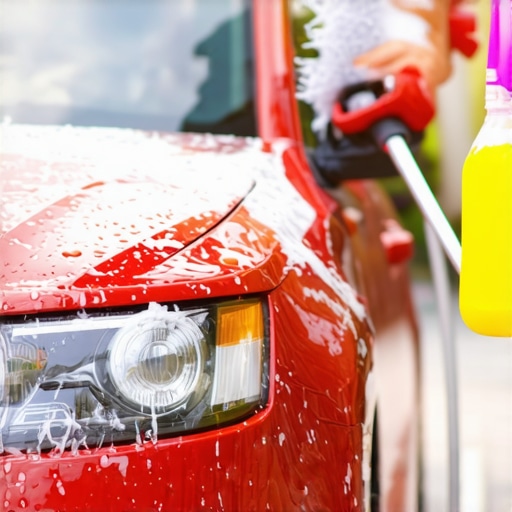
It happened one gloomy Saturday morning. I was knee-deep in a sticky mess — my car’s exterior covered in a stubborn layer of grime after a long week of city commuting. Desperation led me to grab the dish soap I always keep in the kitchen, thinking it would do the trick. But within seconds, I noticed something was off — the suds didn’t rinse away cleanly, and a strange film started to form on the paint. That was my lightbulb moment: I had been using dish soap on my car for years, and I was unknowingly damaging my vehicle’s finish.
The Real Cost of Dish Soap on Your Car’s Exterior
You see, dish soap is formulated to cut through grease and food residues on dishes, not to care for automotive paint. Its harsh detergents strip away the protective wax layer, leaving the surface vulnerable to scratches, oxidation, and premature fading. Over time, this misuse can cost you more in repairs and repainting than you’d imagine. I realized early on that I needed a better, more informed approach to car cleaning — one that protects and extends the life of my vehicle.
Is It Really Worth All the Hype About Special Car Wash Products?
Honestly, I was skeptical at first. Are specialized car shampoos truly better than the humble dish soap? Well, my mistake was ignoring that the market is flooded with products specifically designed for automotive finishes. These products are pH-balanced, gentle yet effective, and often contain conditioners that help preserve your paint. Switching to the right car wash solution transformed my cleaning routine, saving me money and worry in the long run.
My early mistake was viewing car washing as a tedious chore instead of a vital part of vehicle maintenance. I ignored advice to use proper products, thinking any soap would do. For those of us who love our cars and want to keep them looking pristine, understanding the science behind safe cleaning is crucial. If you’ve ever felt the frustration of micro-scratches or dull paint that just won’t go away, you’re not alone.
Interested in information on the best auto repair strategies to keep your car in top shape? Check out the comprehensive guide on [essential auto repair strategies for frequent drivers](https://repairmycarpro.com/essential-auto-repair-strategies-for-frequent-drivers). Now, let’s look at what really makes a difference when washing your car — and why ditching dish soap is the smartest move you’ll make.
Mastering Regular Oil Changes for Engine Longevity
My first attempt at changing my oil was a messy ordeal. I overlooked the importance of pre-heating the engine slightly to thin the oil, making it easier to drain. I loosened the drain plug with a wrench, but didn’t have a catch basin positioned correctly, leading to a minor spill. That experience taught me to prepare meticulously: warm the engine for a few minutes, place a large container beneath the drain, and ensure the area around the drain plug is clear. Regular oil changes with the right type and interval according to latest oil-change technologies protect your engine parts from wear, prevent sludge buildup, and keep performance optimal.
Executing Efficient Tire Inspection and Rotation
Once, I noticed my steering pulling slightly to one side. Instead of rushing to replace parts, I learned to perform a visual inspection of my tires. I checked tread depth and looked for uneven wear patterns — a sign that rotation was due. Using a chalk or marker, I marked the tires to track rotation patterns. After removing each tire, I cleaned the mounting surface and checked for sidewall cuts or bulges. Proper rotation prevents uneven tread wear, extending tire life, and improves safety. For deeper insights, reviewing rotation strategies can make a real difference.
Diagnosing Brake Issues Before They Fail
I experienced a faint squeal when I applied brakes, which initially seemed minor. Instead of ignoring it, I examined the brake pads through the wheel gaps, noticing uneven wear. I also checked the brake fluid level—low fluid can reduce braking efficiency. When I replaced the worn pads using a brake caliper piston tool, I ensured the rotor surface was clean and free of rust. This proactive approach saved me from potential brake failure. To understand crucial safety measures, reading the brake service guide helps prioritize safety over cost.
Performing Vehicle Diagnostics to Prevent Breakdowns
During a long road trip, I noticed the check engine light blinking sporadically. Instead of ignoring it, I used an OBD-II scanner to read the error codes. Decoding the signals swiftly pointed me to a misfire caused by a faulty ignition coil. By replacing it on the spot, I avoided a costly breakdown. Modern diagnostics tools allow for quick identification of hidden issues—saving money and preventing roadside emergencies. For a deep dive into diagnostics, explore this resource.
Maintaining Suspension Components for a Smoother Ride
Hitting a bump on the highway revealed my car’s suspension was stiff. I checked the shock absorbers by pushing down on each corner; if the vehicle bounces excessively, replacements are needed. I also examined coil springs for cracks or corrosion. Replacing worn shocks improved ride quality and handling. Regular inspection of suspension parts is vital, especially if you notice unusual noises or uneven tire wear. For detailed maintenance info, consult auto repair tips.
Keeping Belts and Hoses in Prime Condition
When the serpentine belt squealed during startup, I knew it was time for an inspection. I examined belts for cracks, glazing, or fraying, and checked hoses for leaks or soft spots. Replacing a worn belt early prevented the accessory drive system from failing and a possible breakdown. Using a tension gauge ensures belts are at proper tension, avoiding slippage. Regular inspections are a simple yet crucial step in preventing sudden failures—learn more at this guide.
Ensuring Your Cooling System Runs Smoothly
I once noticed my radiator fan running constantly. I checked coolant levels and the radiator for leaks; a clogged radiator cap was trapped causing overheating. Flushing the cooling system and replacing the radiator cap restored normal operation. Regular coolant exchanges prevent engine overheating and extend the lifespan of radiator components. To verify your cooling system’s health, consider this checklist.
}] }#}}}if you have further requests or need more detailed steps on specific auto maintenance tasks, feel free to ask. The goal is to equip you with actionable knowledge to keep your vehicle in top condition.**}** at this level of detail, every step is designed to maximize safety, efficiency, and longevity of your car.Many car owners overlook crucial details when it comes to auto maintenance, believing surface-level advice suffices. But in my experience, understanding the intricate nuances can save you hundreds in repairs and extend your vehicle’s lifespan significantly. For example, everyone thinks that changing oil every 3,000 miles is necessary, yet modern synthetic oils often allow longer intervals if monitored correctly. The misconception that all repairs are the same and can be fixed with generic parts leads many astray, risking safety and costlier fixes. Furthermore, vehicle diagnostics aren’t just about plugging in a scanner; they involve interpreting complex engine codes, sensor data, and behavioral patterns—a skill that seasoned mechanics develop over years.缺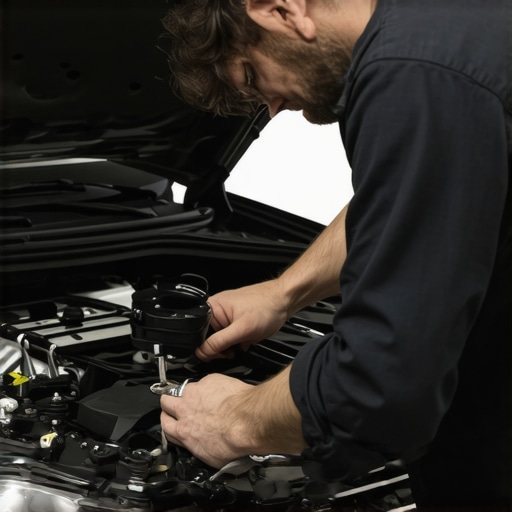 Automotive technician analyzing diagnostic equipment to detect engine issues. This advanced diagnosis can preempt breakdowns that casual car owners often miss, like a slow leak or an early-stage sensor failure. And then there’s brake service: many think that squealing indicates just worn pads, but it could also point to issues with rotors or calipers that, if ignored, compromise safety. Understanding these nuances helps you vet repair shops better and participate knowledgeably in maintenance decisions. To truly master these areas, I recommend exploring reliable sources such as the latest in oil change tech or brake service insights. Remember, a little deeper understanding can prevent costly mistakes. Have you ever fallen into this trap? Let me know in the comments.
Investing in Trusted Equipment for Long-Term Vehicle Care
When it comes to maintaining your vehicle, having the right tools can make all the difference. I personally rely on a high-quality mechanic’s digital multimeter to diagnose electrical issues accurately. Unlike generic testers, my multimeter offers auto-ranging capabilities, precise millivolt readings, and a durable rubber casing—I’ve dropped mine multiple times, and it still works perfectly. This consistency enables me to detect subtle voltage drops or faulty sensors, which are often the cause of unpredictable engine behavior. Additionally, I use an OBD-II scanner that connects wirelessly to my smartphone, providing instant error code interpretations and live sensor data. This saves me countless trips to the mechanic, especially when troubleshooting check engine lights or emission-related problems. Investing in these tools has significantly increased my ability to catch issues early, preventing costly repairs down the line.
How do I maintain diagnostic tools over time?
I regularly calibrate my multimeter using manufacturer-recommended procedures, ensuring measurement accuracy. For my OBD-II scanner, I keep the firmware up to date by downloading updates from the official website, which enhances compatibility with newer vehicle models and fixes bugs. Keep your tools clean—wipe down the sensors and connectors with a lint-free cloth, and store them in a protective case to avoid damage. Proper maintenance of your equipment guarantees precise readings and prolonged lifespan, ultimately saving you money and stress.
Leveraging Software and External Resources for Better Maintenance
Beyond physical tools, incorporating advanced diagnostic software has revolutionized my approach. I use cloud-based platforms that aggregate vehicle data, provide maintenance alerts, and suggest optimal service schedules based on real-world driving patterns. Such systems analyze accumulated data, predict potential failures, and recommend specific parts for replacement, like brake pads or filters, before they fail. This proactive approach is the future of vehicle maintenance, allowing you to plan repairs and replacements during scheduled service visits, rather than reacting to breakdowns. For example, detailed reports from automotive diagnostics platforms have helped me identify hidden issues, like a minor coolant leak, that could have led to engine overheating if ignored.
Make maintenance routine with AI-driven insights
One tip I highly recommend: link your vehicle’s OBD-II data with personal maintenance apps that offer AI analytics. These apps can interpret sensor trends over time, advise on oil change intervals, and suggest when to inspect tires or brakes. Embracing technology not only simplifies routine checks but also anticipates problems before they become costly repairs. To get started, try syncing your scanner with a trusted app and monitoring the data for a few weeks — you might discover irregularities that need immediate attention.
Future trends point toward smarter, interconnected vehicles that automatically alert you to issues via your smartphone or even directly communicate with your mechanic. Keeping your tools updated and leveraging innovative diagnostic platforms will put you ahead of the curve, ensuring your car remains reliable and safe. Remember, investing in proper equipment and staying informed is the best way to keep your vehicle running smoothly for years to come. Ready to upgrade your diagnostics toolkit? Consider trying out a wireless OBD-II scanner and see firsthand how much easier vehicle maintenance can become.
The Hardest Lesson I Learned About Oil Change and Vehicle Diagnostics
One major realization was that rushing through routine maintenance can severely impact my car’s longevity. Skipping regular oil changes or ignoring early warning signs from diagnostics tools often led to costly repairs down the line. Investing in a reliable technological edge has helped me catch issues before they escalate, saving money and frustration.
Three Myths About Brake Service That Held Me Back
- Believing squealing always means new pads — often, it’s just rust or debris causing the noise.
- Thinking rotors only need replacement when visibly warped — in reality, they can wear unevenly, compromising safety.
- Assuming bleeding brakes is a complicated, expensive procedure — with the right tools, it’s a straightforward task that maintains braking efficiency.
What Experts Won’t Tell You About Auto Repair and Diagnostics
I’ve learned that many repair shops focus on fixing symptoms rather than addressing root causes. By understanding diagnostic data myself—using tools like an OBD-II scanner—I can make informed decisions and avoid unnecessary replacements. These insights are invaluable in keeping my vehicle reliable and safe for years.