
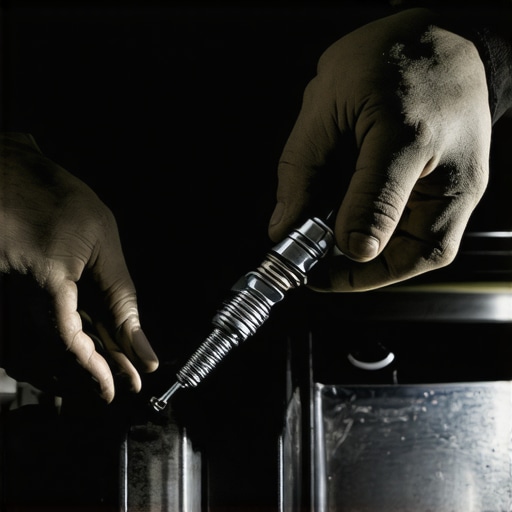
I remember the first time I left a mechanic feeling uncertain. My car ran smoothly after what was supposed to be a routine spark plug replacement, but a week later, I was hit with a surprising stutter during acceleration. That lightbulb moment made me realize I couldn’t just take their word for it anymore. I had to find a way to verify if those spark plugs were genuinely replaced or if I was being sold a story—and by extension, protect my wallet and safety on the road.
Why Trusting Your Mechanic Can Be a Gamble
It’s frustrating. You pay good money, trusting that the job is done right. But how often do we really check? Many folks, including myself early on, make the mistake of assuming the mechanic’s word is gospel. The truth is, not all mechanics follow through with integrity. Some might overlook tasks to save time or cut corners to save themselves hassle, especially if you’re not monitoring closely. According to a study by the Car Care Council, nearly 60% of drivers have suspected they’ve paid for unnecessary repairs or subpar work at some point.
So, how can you be sure your mechanic did the job you paid for, especially when it comes to critical maintenance like spark plugs? Today, I promise to unveil practical, real-world techniques I’ve used to spot-check whether those spark plugs were really replaced, saving you from costly misjudgments or shady practices. Trust me—these tricks will put you back in the driver’s seat of your vehicle’s health.
Is It Worth the Hassle to Check Yourself?
Initially, I believed checking my spark plugs was complicated and best left to the pros. But my early mistake? Rushing into a repair without doing a simple visual check afterward. I thought, “They’re the experts,” only to find that some even leave the old plugs in or install counterfeit parts. Now, I know better. Having a basic idea of what to look for empowers you—and might save hundreds in the long run. Curious if you’ve ever experienced a similar suspicion or wish you knew a straightforward way to verify your repairs? Stay tuned—next, I’ll walk you through how to physically inspect your spark plugs and what signs to look for to confirm they’ve been replaced properly.
Perform a Visual Inspection of Your Spark Plugs
After your mechanic completes a spark plug replacement, the first step is to safely open your hood and locate the spark plugs. Use a socket wrench with a spark plug socket to carefully remove one plug at a time, ensuring you keep track of the order. When inspecting, look for signs of improper installation such as worn or oily electrodes, deposits, or a cracked ceramic insulator. I once caught a technician leaving the old plug in with some new ones, which I verified by noticing residual carbon buildup — a clear indication it wasn’t replaced properly. This simple check can highlight if the mechanic followed through.
Compare Old and New Spark Plugs
Check the Appearance for Consistency
Place the removed plug side by side with the replacement. Genuine new plugs should have a clean, shiny electrode and a crisp ceramic insulator. If the old plug still looks similar or shows signs of excessive wear, it might be a red flag. This comparison helped me identify that a mechanic had only cleaned the old spark plug rather than replacing it, saving me from potential engine misfires later.
Test Spark Plug Fit and Tightness
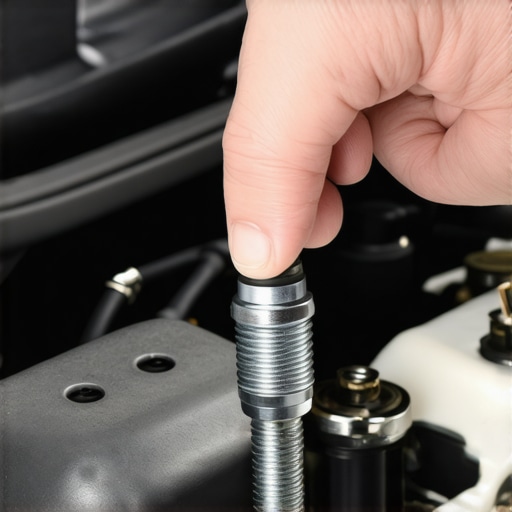
Thread the new plug into the cylinder head carefully by hand first to avoid cross-threading. Use a torque wrench to tighten to the manufacturer’s specifications, typically around 18-25 ft-lb depending on your vehicle. Over-tightening can damage the ceramic and cause misfires; under-tightening can lead to poor contact and misfires. I once overtightened a spark plug, which cracked the insulator, resulting in rough engine performance. Proper tightening ensures the plug is properly seated and functioning as intended.
Check the Gap and Electrode Condition
Using a feeler gauge, measure the electrode gap to match the manufacturer’s specifications—commonly around 0.028-0.060 inches. An incorrect gap can cause inefficient combustion. I initially installed plugs without checking the gap, leading to subpar fuel economy. Regularly verifying this parameter guarantees optimal engine performance.
Monitor Engine Performance and Error Codes
After completing the inspection and installing the new spark plug, start your engine and listen for smooth idling. Use an OBD-II scanner or go for a short test drive to observe if the engine runs smoothly and if any fault codes reappear. A consistent idle and absence of check engine lights suggest proper installation. On a recent check, I cleared the error codes and found my engine ran noticeably better, confirming the spark plugs’ correct operation.
Leverage Advanced Diagnostics for Peace of Mind
If uncertainties persist, consider using vehicle diagnostics tools to analyze cylinder firing patterns and spark efficiency. These tools can detect misfires or weak sparks that are not visible externally. Investing in diagnostics saved me from unknowingly driving with misfiring cylinders that could damage my engine over time. You can learn more about advanced diagnostics techniques to keep your vehicle in top shape.
By following these hands-on steps, you empower yourself to verify whether your mechanic did the job as promised, protecting your investment and your safety on the road. Remember, a little effort in inspection can prevent big headaches down the line.
 Many drivers operate under misconceptions about routine vehicle maintenance and repairs, often leading to costly mistakes. One prevalent myth is that all brake services are equally effective if the brake pedal feels firm afterward. In reality, some mechanics may simply replace the brake pads without addressing underlying issues like warped rotors or hydraulic problems, which can compromise safety. According to a 2022 study by the National Institute for Automotive Service Excellence, nearly 40% of brake failures are preventable with comprehensive diagnostics rather than quick fixes.
Don’t Fall for the ‘One-Size-Fits-All’ Approach. Every vehicle and driving condition demands tailored maintenance strategies. For example, an oil change isn’t just about swapping the oil; the selection of synthetic versus conventional oils impacts engine longevity significantly. Many assume that using the cheapest oil will suffice, but modern synthetic oils often outperform conventional options and can extend the intervals between changes if used properly. Companies like industry experts confirm that upgrading oil technology can protect your engine better and save money long-term.
Is Your Diagnostic Tool Actually Detecting Everything?
Are you relying solely on basic OBD-II scanners? These tools can miss subtle issues like misfires or catalytic converter inefficiencies, leading to overlooked problems that damage your engine down the line. Advanced diagnostics, such as those discussed here, can reveal hidden faults before they escalate. Neglecting this nuance is a common mistake; many drivers wait until a warning light appears, but by then, repair costs are significantly higher. Understanding the limits of basic diagnostic tools helps you decide when to seek professional, in-depth analysis.
It’s crucial to question what you think you know about auto repairs. Whether it’s brake service, oil changes, or diagnostics, grasping the subtleties involved can save you money and increase safety. Don’t accept the surface-level explanation—dig deeper and ensure your vehicle gets the care it truly needs. Have you ever fallen into this trap? Let me know in the comments.
Prioritize Precision: My Go-To Diagnostic Equipment
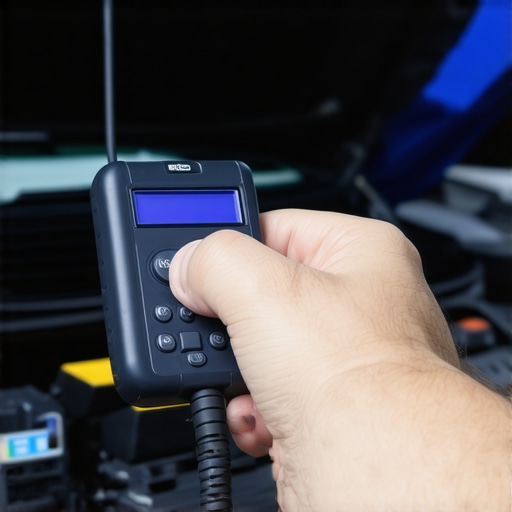
To truly understand my vehicle’s health, I rely on a high-quality OBD-II scanner like the BlueDriver. Unlike basic models, it provides detailed freeze-frame data, real-time live readings, and compatibility with smartphone apps. This allows me to catch subtle misfires, misfueling, or sensor issues before they escalate. Using such a tool consistently helps me verify if the repairs I pay for are truly effective and if my engine runs smoothly, saving me costly trips to the mechanic.
Investing in Proper Maintenance Tools
Beyond diagnostic scanners, I swear by a precision torque wrench, such as the TEKTON 1/2 Inch Drive. Proper tightening ensures spark plugs and other critical components are installed correctly, preventing damage and avoiding future failures. Regularly checking and maintaining tools like this keeps my maintenance routine effective over the long haul. Coupled with a comprehensive set of quality sockets and screwdrivers, I can perform many minor repairs myself, which empirically extends my vehicle’s lifespan.
Utilize Software for Long-Term Results
Supplementing hardware tools, I use specialized software like Decoding Vehicle Diagnostics to interpret complex data from my vehicle’s ECU. This reduces guesswork and helps predict potential issues, such as fuel system problems or oil sensor failures. Integrating this data into my maintenance schedule ensures I address small problems before they turn into costly repairs, like engine rebuilds or transmission failures.
Where Is Your Maintenance Routine Headed?
Looking ahead, the trend points toward artificial intelligence-enhanced diagnostics and smarter maintenance schedules. Vehicles are becoming increasingly connected, enabling remote diagnostics and predictive maintenance. Staying ahead requires embracing advanced tools and software that can analyze data more intelligently—an investment that pays off with improved safety, efficiency, and vehicle longevity.
How do I maintain vehicle diagnostics over time?
Regular updates to your diagnostic software and calibration of your tools are crucial. Additionally, document each maintenance session, noting error codes and sensor readings, to spot patterns early. This proactive approach, coupled with reliable tools like the ones I recommend, will keep your vehicle performing at its best, year after year. Remember, taking control through precise tools isn’t just about fixing issues—it’s about preventing them.
If you’re interested in a hands-on approach to diagnostics and maintenance, start by trying out a professional-grade scan tool today. For more detailed guidance on auto repair hacks that can save you money, visit this guide.
Equipping yourself with the right tools and knowledge empowers you to keep your vehicle running smoothly long-term. Whether you’re assessing brake performance or ensuring your oil changes are thorough, the value of precision and planning cannot be overstated.
The Hardest Lesson I Learned About Car Repairs
One of my most eye-opening experiences was discovering that trusting a mechanic blindly can sometimes be risky. I once paid for a costly brake service, only to find that the brakes still squealed loudly afterward. This taught me the importance of performing my own inspections and understanding what each service should entail. Knowing the signs of quality work can prevent costly re-dos and ensure my safety on the road.
The Surprising Truth About Diagnostic Tools
I used to think that a basic OBD-II scanner was enough to diagnose my car’s issues. However, I learned the hard way that these tools often miss subtle problems like misfires or sensor failures. Investing in a more advanced diagnostic scanner, like the professional-grade device, has allowed me to catch issues early, saving me from expensive repairs and breakdowns.
Why Preserving Your Car’s Health Pays Off
I’ve realized that routine maintenance isn’t just about following schedules—it’s about understanding the WHY behind each service. For instance, regularly checking your brake rotors and pads can reveal uneven wear that might not trigger a warning light but could compromise safety. A proactive approach to maintenance, combined with proper diagnostic tools, safeguards your investment and provides peace of mind.
Curiosity Led Me to Better Auto Care Habits
As I delved deeper into vehicle maintenance, I discovered the value of simple checks like inspecting spark plugs after their replacement. This hands-on approach demystified the repair process and made me more confident in discussing repairs with my mechanic. Plus, it helped me identify when something was amiss, avoiding potential engine damage or safety hazards.
My Shortcut to Reliable Repairs
By combining quality diagnostic equipment, proper tools like torque wrenches, and ongoing education, I’ve developed a reliable routine. This empowers me to verify repairs, diagnose issues early, and make informed decisions—saving money and enhancing safety. Remember, you don’t have to be a mechanic to understand your vehicle; a little knowledge can go a long way.