
Ever been stranded on the side of the road because your car suddenly lost power or refused to start, and you just couldn’t figure out why? I remember the moment vividly—my engine sputtered, the check engine light flickered, and I felt that sinking feeling of helplessness. It was a lightbulb moment for me: I was ignoring a sneaky culprit lurking under the hood—the fuel pressure regulator. If you’re like me, you want simple, quick ways to diagnose issues without spending hours crawling through complex manuals or wasting money on unnecessary repairs.
Why Quick Detection Matters More Than Ever
Fuel system problems might seem minor at first—just a slight hesitation, or a ‘thud’ when accelerating. But left unchecked, they can wreck your engine and drain your wallet. Early detection isn’t just about avoiding breakdowns; it’s about maintaining the health of your entire vehicle. Think of your fuel pressure regulator as a gatekeeper—if it’s not doing its job, your engine isn’t getting the right amount of fuel, which causes poor performance, higher emissions, and even damage over time.
Many car owners fall into a common trap: ignoring subtle signs or assuming these symptoms are minor. I made that mistake early on—replacing parts haphazardly without diagnosing the root cause. Trust me, learning how to quickly spot a failing fuel pressure regulator saved me a lot of grief. It’s surprisingly straightforward when you know what signs to look for. Curious to see how I uncovered this culprit in seconds? Stick with me, because I’ll share my personal tips that work like a charm.
Is It Really Worth the Hype to Check Fuel Pressure Yourself?
One worry I had was whether I could actually diagnose fuel pressure problems on my own or risk making things worse. Initially, I thought only experts could handle this — but I was wrong. The truth is, with the right guidance, you can perform simple checks and avoid costly workshop visits. However, I’ll admit, making my first attempt was nerve-wracking because I was afraid of messing up. Early on, I learned that a common mistake was not measuring the pressure correctly or overlooking the symptoms altogether. Now, I always double-check with trusted sources, like vehicle diagnostics guides, before jumping to conclusions. The good news? Once you grasp the basics, it’s a straightforward process that could save you hundreds of dollars.
Ready to arm yourself with the knowledge to identify a bad fuel pressure regulator in seconds? Let’s dive into the simple steps that will make you confident and capable—no mechanics’ degree required!
Locate the Fuel Pressure Regulator
Start by consulting your vehicle’s manual or service diagram to find the fuel pressure regulator’s exact location. Typically, it’s attached to the fuel rail on top of the engine. Remember, in some models, it’s easy to overlook, so take your time and familiarize yourself with your engine bay. Once identified, ensure the engine is off and cooled down to avoid burns or other hazards.
Gather the Necessary Tools
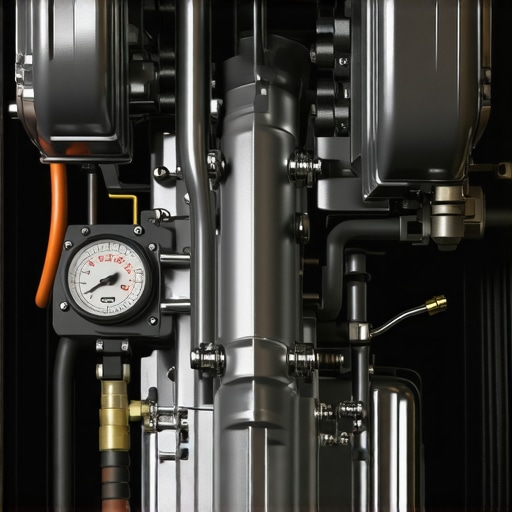
You’ll need a fuel pressure gauge designed for automotive use, some basic hand tools to disconnect hoses, and safety equipment like gloves and eye protection. Using a proper gauge is crucial—think of it as measuring your blood pressure; an incorrect tool leads to inaccurate readings, which can mislead your diagnosis. For detailed tips on setting up your diagnostic toolkit, visit vehicle diagnostics guides.
Connect the Pressure Gauge
Attach the gauge to the fuel rail’s Schrader valve, if available, or connect directly to the fuel line following the instructions specific to your model. Make sure the connection is secure to prevent leaks. This step is akin to taking a blood sample; a firm, leak-free connection ensures your readings reflect the actual pressure without contamination or loss. I once skipped this step, leading to an alarming reading that turned out to be false, causing unnecessary parts replacement.
Turn the Key to the On Position
Switch on the ignition without starting the engine. This primes the fuel pump, and your gauge will display the pressure level. Expect a brief spike, then a stable reading. An unexpectedly low or high reading here hints at issues with the regulator. Remember, like checking a bicycle’s tire pressure before a ride, this initial check quickly reveals if your fuel system is slipping out of spec.
Record and Interpret the Reading
Compare your reading to the manufacturer’s specifications—usually found in your vehicle’s service manual or online. If your pressure is consistently below or above this range, the regulator likely isn’t functioning correctly. During my first DIY diagnosis, I noted a pressure of 35 psi when the standard was 50 psi. That discrepancy led me straight to the regulator, saving time and money. For more insight into interpreting diagnostic readings, explore vehicle diagnostics.
Perform a Pressure Holding Test
Keep the ignition on and observe if the pressure gauge remains stable or drops over a few minutes. A rapid decline indicates a leak—either in the regulator, fuel injectors, or hoses. This step is similar to monitoring your blood pressure over time to spot leaks in circulation. If you notice a leak, further inspection is necessary to pinpoint the exact source.
Disconnect and Review Results
After testing, turn off the ignition, carefully disconnect the gauge, and inspect your findings. Low pressure, high pressure, or pressure drop all tell different stories. In my case, the pressure drop suggested a failing regulator, confirmed later with a visual inspection of the part. Armed with this information, you’re now equipped to decide whether to replace the regulator yourself or consult a professional. For safe and effective repairs, check out auto repair hacks.
Quick Fix Myths That Could Cost You
One of the biggest misconceptions is that simple, routine maintenance like brake service or oil changes is purely a matter of ticking boxes. Many assume that as long as they follow the standard intervals, their vehicle is good to go. However, in my experience, neglecting the nuanced signs and understanding the actual purpose behind these services can lead to costly repairs down the line. For instance, everyone tells you to change your oil every 3,000 miles, but modern synthetic oils have extended this interval considerably, provided you know how to recognize specific engine needs. Check out this guide to better understand how recent oil tech can save your engine.
The Danger of Routine Without Reflection
Another common mistake is performing maintenance without considering the vehicle’s actual condition. For example, many skip vehicle diagnostics and rely solely on the odometer or time intervals, which can be misleading. Diagnosing issues accurately often requires understanding subtle cues—like a faint brake squeal, or a slight hesitation during acceleration—and knowing how to interpret them. Advanced diagnostics, especially reading your vehicle’s signals, can prevent unexpected breakdowns and save money. Remember, diagnosing your car’s health is not just about ‘fixing what’s broken;’ it’s about anticipating and preventing failures.
Common Missteps When Servicing Your Brakes
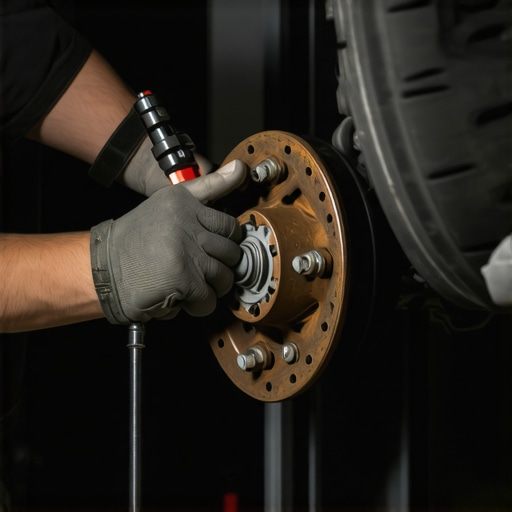
On the topic of brakes, many think that pad replacement is all they need for safe stopping. But the real nuance lies in inspecting rotors, calipers, and hydraulic systems. I’ve seen countless cases where a simple rotor resurface was overlooked, causing vibrations and uneven wear within months. The well-known brake myths often lead owners to ignore critical components, thinking that pads alone are enough. A comprehensive brake service involves checking these hidden factors, which are crucial for safety and longevity.
Why Do So Many Get Vehicle Diagnostics Wrong?
Here’s an advanced insight: many believe that a quick code scan explains all. But codes are just symptoms, not diagnoses. Proper troubleshooting involves interpreting data patterns, real-time signals, and sometimes, basic manual checks. For example, an intermittent misfire may not trigger a check engine light but can cause significant increased emissions and engine wear. Learning to read between the lines of diagnostic data is a skill that separates amateurs from professionals. For deeper insights, see this article on advanced diagnostics.
In essence, understanding the hidden nuances—beyond surface-level routines—can drastically improve your vehicle’s reliability and lifespan. Have you ever fallen into this trap? Let me know in the comments and share your experience!
Keeping it Working with the Right Tools and Methods
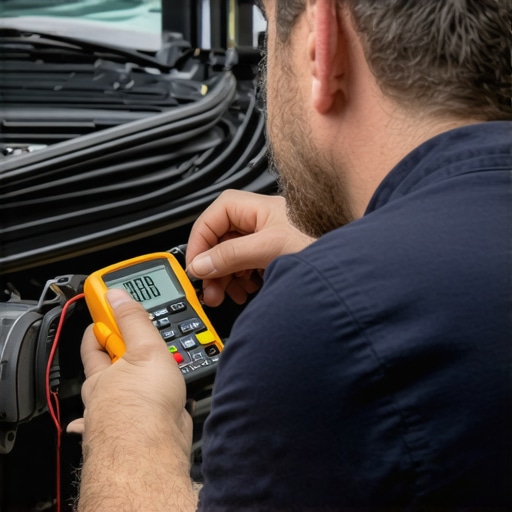
To ensure your vehicle remains reliable over many miles, having the right tools and understanding maintenance routines are essential. I personally rely on a high-quality digital multimeter for diagnosing electrical issues, especially because many modern cars depend heavily on electronic systems. A precise multimeter, like the Fluke 117, allows me to quickly verify battery health, alternator output, and sensor signals without guesswork. These tools are a one-time investment that pays off by saving countless trips to the mechanic and helping me spot problems early.
When it comes to software, I recommend using OEM diagnostic apps when possible. For some models, third-party diagnostic scanners like the Autel MaxiScan MS309 strike a good balance between affordability and accuracy. They connect via OBD-II and provide real-time data, fault codes, and live graphing features. I use these regularly during routine checks, especially before long trips, to catch issues like pending sensor failures or fluid leak alerts that could escalate if ignored.
Methodology is equally important. For instance, I perform periodic visual inspections of belts and hoses—every 10,000 miles—using a flashlight and mirror to spot cracks or leaks. This simple step, combined with tools like a mechanic’s mirror and a pry bar, helps me avoid failures that could leave me stranded. Remember, proactive maintenance extends component life and improves safety.
Looking ahead, the trend toward integrated vehicle diagnostics via smartphone apps and advanced telematics will continue to grow. This makes continuous health monitoring more accessible, even for DIY enthusiasts. With tools and tech getting smarter, future maintenance will focus even more on predictive analytics—predicting issues before they occur based on pattern recognition. Embracing these innovations now, like investing in a Bluetooth OBD-II scanner compatible with your phone, is a smart move.
How do I maintain vehicle diagnostics over time?
Regularly updating your diagnostic tools and recording data during routine checks can provide valuable insights over time. Keep a maintenance log—digital or paper—that notes fault codes, sensor readings, and service intervals. This historical data helps you identify patterns, such as declining battery voltage or increasing fuel pressure inconsistencies, which are early warning signs. Additionally, staying current with software updates for your diagnostic apps ensures compatibility and access to new features that enhance troubleshooting accuracy. Combining methodical inspections with reliable tools forms the backbone of a long-term strategy for vehicle health.
If you haven’t already, try calibrating your multimeter to verify its accuracy—this small step ensures your diagnostics are reliable. Remember, tools are only as good as the way you use them. For more advanced tips, explore this guide on vehicle diagnostics.
Investing in quality equipment and adopting a disciplined maintenance routine doesn’t just keep your car on the road—it prolongs its lifespan and ensures safety for every journey. Happy troubleshooting!
The Unexpected Lessons Behind Vehicle Troubleshooting
- One key insight I uncovered is that patching up symptoms without understanding the root cause often leads to repeated issues and higher costs. Diagnosing the fuel pressure regulator early taught me that attention to detail and proper testing are invaluable skills, not just for saving money but also for ensuring safety.
- Another hard-earned lesson was realizing that trusting quality tools and resources significantly reduces mistake margins. Investing in a reliable fuel pressure gauge and cross-referencing with trusted guides like vehicle diagnostics resources elevated my DIY skills from trial-and-error to confident problem-solving.
- The final revelation was that patience and persistence beat quick fixes. I learned that rushing through diagnostics or ignoring minor signs can turn small issues into expensive repairs. Embracing a methodical approach has transformed my relationship with my vehicle, making me proactive rather than reactive.
Tools and Guides That Changed My Approach
- My essential toolkit developed over years includes a digital multimeter like the Fluke 117, which helps me verify electrical components with ease—saving time and money. Reliable testing minimizes guesswork and keeps me ahead of potential failures.
- For comprehensive knowledge, this guide on oil change innovations expanded my understanding of modern vehicle maintenance, helping me adjust intervals based on real needs rather than arbitrary schedules.
- And for troubleshooting tricky issues, I rely on auto repair hacks that emphasize safety, efficiency, and cost-effectiveness, empowering me to tackle repairs confidently at home.
Your Drive to Better Vehicle Knowledge Starts Now
Digging into DIY diagnostics, especially with a focus on critical components like the fuel pressure regulator, can truly elevate your vehicle care. With the right tools, insights, and a little patience, you’re capable of more than you realize—saving money, enhancing safety, and gaining satisfaction along the way. Don’t wait for problems to escalate—empower yourself today and witness the difference it makes in your driving experience. What’s the first repair or diagnostic step you’re excited to try? Share below—I’d love to hear your story!