

Ever been cruising down the highway when suddenly, you hear a faint but unmistakable clicking sound coming from behind your glovebox? It’s the kind of noise that just won’t go away, no matter how many times you press the dash or shift gears. At first, I thought it was some quirky glovebox latch or maybe a loose screw, but I soon realized it was something more insidious. That little click? It’s a signal from your vehicle, whispering that there’s an underlying issue waiting to escalate. Now, I’m here to tell you—don’t ignore it.
Why the clicking behind your glovebox is more than just an annoyance
This peculiar noise can easily be dismissed as a minor glitch—something to fix someday, maybe during a weekend project. But what if I told you that this seemingly harmless sound could hint at a much larger problem? From vacuum leaks to faulty actuators, the origins of this noise vary, and ignoring it could lead to costly repairs down the line. Early on, I made the mistake of assuming it was nothing, only to find myself faced with an expensive overhaul when the issue worsened. That experience taught me the importance of diagnosing these sounds correctly.
Interestingly, insights from automotive experts reveal that unresolved clicking sounds can sometimes lead to system failures affecting your vehicle’s comfort, safety, or even operational integrity. For instance, something as simple as a malfunctioning blend door actuator can cause a recurring click behind the dashboard or glovebox area, impacting your climate control. Recognizing and addressing these cues early can save you money and avoid breakdowns.
Are you currently facing this clicking mystery? If so, keep reading. We’ll explore the common causes, how to identify them, and most importantly, how to fix the problem before it snowballs into something more serious.
Start with a Visual Inspection
Pop open the glovebox and look for loose or disconnected components. Use a flashlight to spot any damaged wiring or disconnected hoses. I remember the first time I did this on my car—simply removing the glovebox revealed a loose vacuum hose, which was the culprit behind the clicking. Secure any loose parts with zip ties or replace damaged connectors. This step is akin to checking your toolbox for the right screwdriver before attempting to tighten a bolt.
Identify the Source Using Simple Diagnostics
Listen Carefully and Pinpoint
With the engine running, listen closely near the glovebox area. Use a piece of cardboard or a scrap of paper to isolate where the clicking is loudest. In my case, applying gentle pressure to different actuators helped me identify a failing blend door actuator. Such sound localization is like flicking different switches on a panel until the noise stops—systematically narrow down the cause.
Check for Vacuum Leaks
Vacuum leaks are common culprits. Spray a small amount of carb cleaner or a special vacuum leak detector around suspected hoses while the engine runs. If the engine RPM flutters or the clicking changes, you’ve found your leak. This technique is similar to how a mechanic uses incense sticks to find vacuum leaks; the smoke spillage indicates the leak’s location. Find more detailed methods in this guide.
Test and Confirm the Faulty Part
Once you suspect a component like the blend door actuator, manually operate it using a scan tool or disconnect it to see if the clicking stops. If disconnecting the suspected actuator causes the noise to cease, you’ve pinpointed the problem. Replacing the actuator is straightforward once identified, and it restores your climate control and a peaceful cabin environment. Think of this as testing a light bulb by unplugging it; if the noise stops, you know it’s the source.
Prepare Your Tools and Replacement Parts
Gather necessary tools: screwdrivers, trim removal tools, and the replacement part. For instance, replacing a blend door actuator generally requires a Phillips screwdriver and possibly a socket set. Take note of the exact part number to avoid mismatches. This preparation is comparable to having the right paint color before starting a touch-up—you minimize frustration and ensure a perfect fix.
Execute the Repair Correctly
Disconnect the negative battery terminal to prevent electrical shorts. Remove the glovebox and access the actuator assembly. Disconnect any electrical connectors, replace the faulty actuator, and reassemble everything in reverse order. Double-check connectors and mounting screws. This step is critical; rushing can cause damage or incomplete repairs. Personal experience taught me this the hard way, leading to rework and wasted time.
Test Your Fix and Monitor
Start the vehicle and activate the relevant climate controls. Observe if the clicking persists. If the noise is gone and the system functions smoothly, the repair was successful. For ongoing assurance, keep a note of the repair and future symptom checks. Remember, regular vehicle diagnostics can prevent such issues from sneaking up again—learn more at this resource.
Many vehicle owners carry assumptions about auto repair that could cost them dearly, especially when it comes to brake service, diagnostics, and routine oil changes. Contrary to popular belief, not every issue is a quick fix, and understanding the nuances can help prevent costly mistakes. For example, numerous drivers think that a simple brake pad replacement resolves all braking issues, but forget that underlying rotor or caliper problems could compromise safety if overlooked. Myths like “oil changes are only needed every 3,000 miles” persist, but modern synthetic oils have extended intervals, demanding more tailored maintenance schedules. Such misconceptions often lead to under-maintenance or unnecessary repairs.
A common trap many fall into involves diagnosing vehicle issues based purely on symptom perception rather than thorough analysis. Rushing into repairs without proper diagnostics can exacerbate problems or lead to replacing parts that are still functional. For instance, a blinking check engine light might suggest a spark plug failure, but advanced diagnostics reveal sensor failures or wiring issues—details critical to effective repairs. According to experts cited in this detailed guide, using comprehensive diagnostic tools can save hundreds by targeting the precise fault.
Why do many overlook these complexities? Partly because of a lack of awareness or the misconception that auto repairs are always straightforward. However, even routine services like oil changes can involve subtleties; using a high-quality filter and oil type depending on your driving conditions can extend engine life significantly. Failure to recognize these factors often results in premature wear, increased emissions, or engine failure.
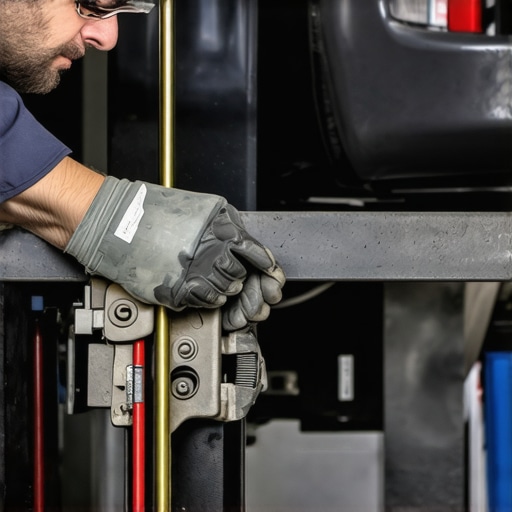
Have you ever fallen into this trap? Let me know in the comments! Recognizing that auto repair and maintenance demand a nuanced approach rather than a one-size-fits-all mindset is vital. For instance, understanding the realistic lifespan of brake components beyond just mileage or becoming familiar with diagnostic procedures can prevent minor issues from escalating. Remember, a well-informed vehicle owner commands better service outcomes and maintains safety standards. Keep learning about these insider secrets and stay ahead of potential pitfalls by exploring our comprehensive diagnostic techniques and other expert tips.
Invest in the Right Diagnostic Equipment
One of my top recommendations is a high-quality automotive scan tool, such as the BlueDriver Bluetooth professional OBD2 scanner. This device allows me to quickly read and clear trouble codes, monitor live sensor data, and even perform advanced diagnostics like activating individual actuators. Unlike generic code readers, BlueDriver provides detailed insights that help pinpoint issues like vacuum leaks or faulty sensors with precision—saving me time and money. Understanding vehicle diagnostics is vital for any DIY enthusiast aiming for reliable repairs.
Utilize Specialized Software for Deep Analysis
Pair your scanner with professional software like AutoEnginuity or OBDLink. These platforms offer in-depth vehicle analysis, custom parameter monitoring, and code definitions that go beyond basic readings. I personally prefer AutoEnginuity for its extensive vehicle coverage and user-friendly interface. This combination enables me to catch issues early—like a slow vacuum leak hiding in sensor readings—long before it leads to bigger problems. Staying ahead of potential failures through diagnostic software is a game-changer, especially considering trends toward increasingly complex vehicle systems.
Adopt Preventative Maintenance Habits
Regular oil changes using advanced synthetic oils, as discussed in this article, help maintain engine health over the long term. I schedule oil changes based on my driving patterns, which often differ from the standard 3,000-mile rule. Additionally, inspecting and replacing wear items like brake pads and filters proactively, rather than waiting for symptoms, extends vehicle lifespan and enhances safety. Essential tools like a digital torque wrench ensure that fasteners are tightened to manufacturer specs, preventing issues like uneven brake pad wear which can compromise safety, as explained in this guide.
How do I maintain vehicle diagnostics over time?
Keeping diagnostic tools calibrated and updating their software regularly ensures accuracy over years of use. Additionally, storing your tools correctly—away from moisture and extreme temperatures—preserves their lifespan. I periodically review my diagnostic reports and keep detailed logs of repairs and parts replacements, which helps in detecting patterns and predicting future issues. With vehicle systems becoming more sophisticated, integrating OBD-II scanner data with mobile apps like TORQUE Pro provides real-time alerts for anomalies, making early intervention straightforward.
Future Trends in Auto Maintenance
Looking ahead, the integration of AI-driven diagnostics and wireless data transfer will make vehicle care even more precise and accessible. Vehicles will self-report issues via connected apps, and repair shops will use cloud-based systems to analyze data remotely. Mastering current tools and techniques now, such as using diagnostic software intelligently, will prepare you for these upcoming advancements.
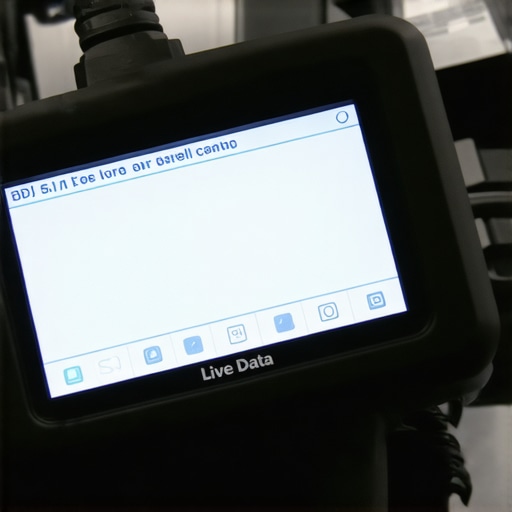
Feeling inspired? Try setting up a dedicated vehicle diagnostics routine using your scan tool and tailored software. It’s a simple step that can prevent costly breakdowns, improve safety, and extend your vehicle’s lifespan. For more advanced tips, explore auto repair hacks designed to save you money without sacrificing quality.
Often, we dismiss strange noises as minor nuisances, but these sounds can be the key to preventing major repairs. My personal journey with that persistent clicking taught me to listen more carefully and act decisively. Recognizing subtle cues and understanding their underlying causes transformed my approach to vehicle maintenance, saving time and money in the long run. Trusting your intuition, combined with proper diagnostic techniques, can make all the difference in preserving your car’s health.
Lessons That Shift Perspective on Auto Care
- Never underestimate a small click; it often signals a deeper issue that needs immediate attention.
- Proper diagnosis is more cost-effective than rushing into unnecessary replacements.
- Tools like professional scanners empower you to understand your vehicle better, turning you into your own mechanic.
- Preventative maintenance isn’t just about routine checks—it’s about listening to what your car is telling you.
- Most automotive problems can be identified early with a keen ear and the right diagnostic approach, avoiding costly repairs later.
Tools and Resources That Made a Difference
- High-quality scan tools like BlueDriver help me quickly identify issues and understand system details, saving me time and money.
- AutoEnginuity diagnostic software provides deep insights into vehicle health, allowing me to catch problems before they escalate.
- Regular reading of auto maintenance guides has helped me develop a proactive approach to vehicle care.
- Consulting trusted manuals and manufacturer specs ensures you’re making repairs within the correct parameters.
Keep Moving Forward with Confidence
Embracing a diagnostic mindset and leveraging the right tools can empower you to maintain your vehicle more effectively. As technology advances, so does our ability to detect and resolve issues swiftly, keeping you safe and your car reliable. Remember—your car is a reflection of your attention to detail. Stay curious, keep learning, and don’t hesitate to take action at the first sign of trouble.
What small, strange sound has caught your attention lately? Share your stories below, and let’s learn together how to turn these signals into opportunities for better auto care.
For ongoing insights and expert tips, explore our auto repair hacks.
,